
One of the most exciting aspects of a trip to Alaska is the hope of seeing some of its unique wildlife. When I talk of wildlife, I include terrestrial and aquatic animals, birds and mammals.
We had our share of wildlife encounters during our Alaskan holiday. Some of them were in the wild, particularly while travelling by road , train or along the waterways and some were at the famous Alaskan wildlife conservation center.
One of our first exposures to Alaskan Wildlife started at the Anchorage airport itself. Stuffed wildlife exhibits are a common sight at this airport.
Moose
Moose are the largest of the deer species, with males weighing more than 500 kgs. The males have typical palmate antlers and inhabit the forests of the subarctic region. The terms Elk and Moose have been used interchangeably but Elk have a lighter brown color of skin and a whitish rump.
Some pictures

A stuffed moose at the airport

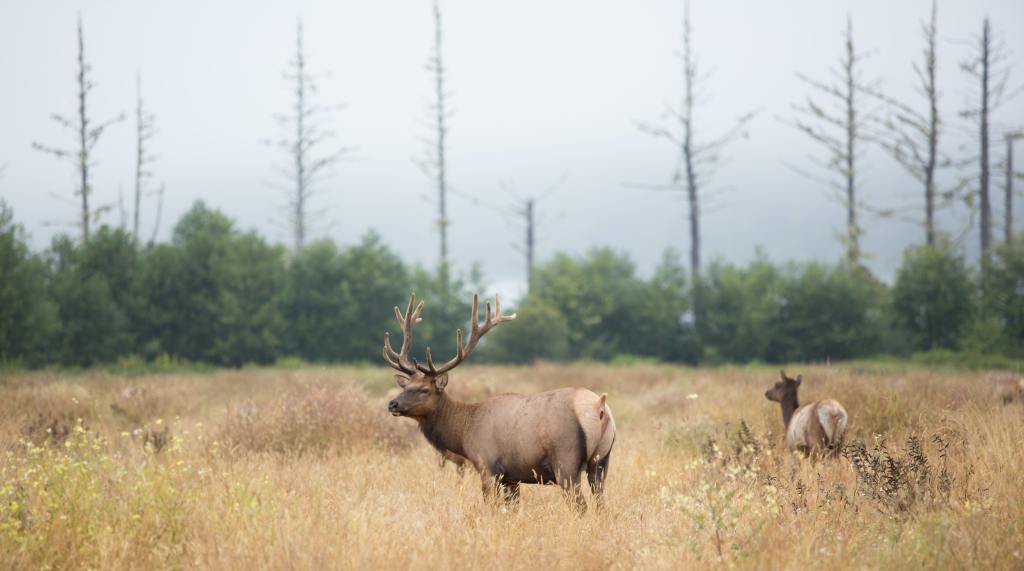
A moose and an elk
Halibut
Halibuts are the world’s largest flat fishes and have been widely baited for sport fishing in Alaska. To give you a perspective of the size of these fish, here’s the label put up alongside the halibut exhibit at the airport.
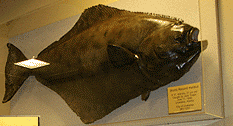
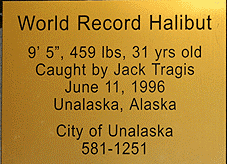
A halibut exhibit at the airport with its dimensions
At Anchorage city too, I noticed a strange sight. A pet Reindeer in a wired cage as we walked around downtown Anchorage attracted our attention. We crossed him several times as we walked along. Most of the time he would be chewing some grass/hay and would come towards us .


Star the Reindeer and a board on his Facebook page!!!
Caribou or Reindeer
Reindeer is the European name for the North American Caribou. A species of deer found in the polar regions, they vary widely in size and color and are popularly associated with SantaClaus and Christmas. They have been a source of meat and hide for the arctic people. Caribou meat is widely served as a delicacy in Alaskan restaurants.
One distinct feature of Caribou is the females having antlers.
Bald Eagle
A bird of prey that lives close to water bodies, bald eagles were plentiful in Alaska and we saw lots of them along the Resurrection river as we did a river rafting. They are not actually “bald” but get their name from the white plumage on the head. They are huge with wing spans ranging from 5 to 7 ft.
Nests with eagles resting in them were seen and as we reached close by ; they would fly away. Some pictures..
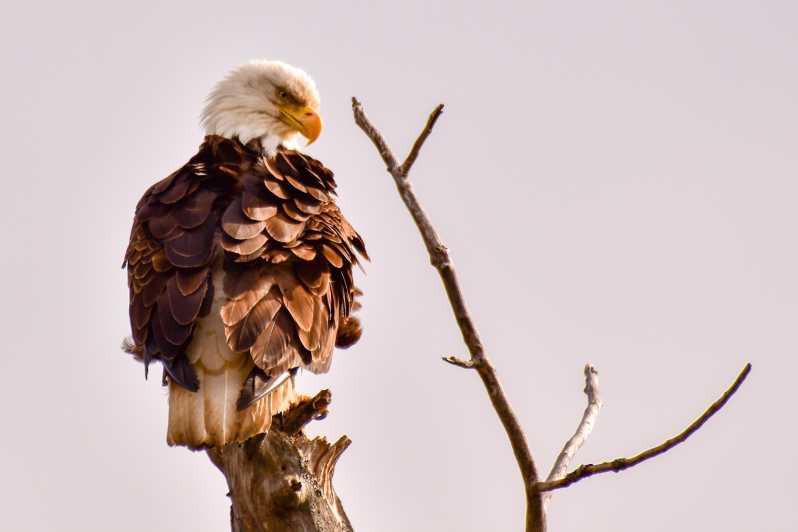

Bald Eagles
Osprey
Osprey are also birds of prey and subsist mainly on fish. They are also widely found in Alaska and have wing spans of more than 5 ft.
As we travelled by train; at several places, there were osprey resting on wooden poles near the tracks; most of them would be resting on their twig lined nests.
An interesting anecdote as told by our guide was that these osprey started nesting on the electric poles and it became a problem for the staff. Hence, the wooden poles were erected close to the track to guide the osprey away from the electric poles!!
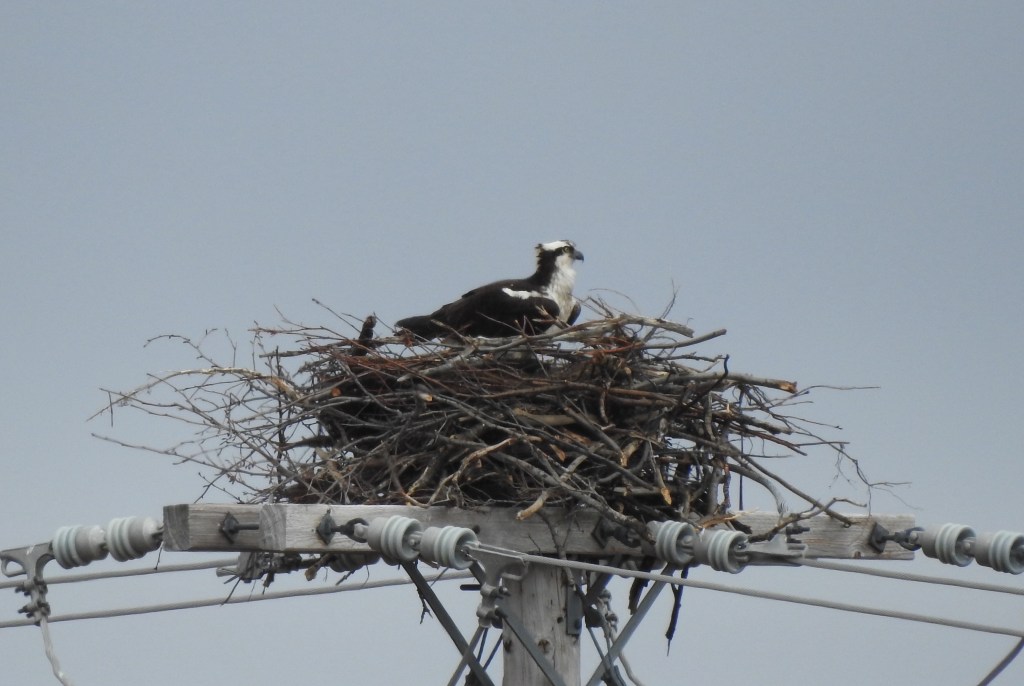
The osprey nests close to the rail tracks..
Marmots
Marmots are large ground squirrels found widely in North America. Found mainly in thickly forested areas, they can often be seen on the road side close to forests. They are the heaviest members of the squirrel family and hibernate during the harsh winter months.
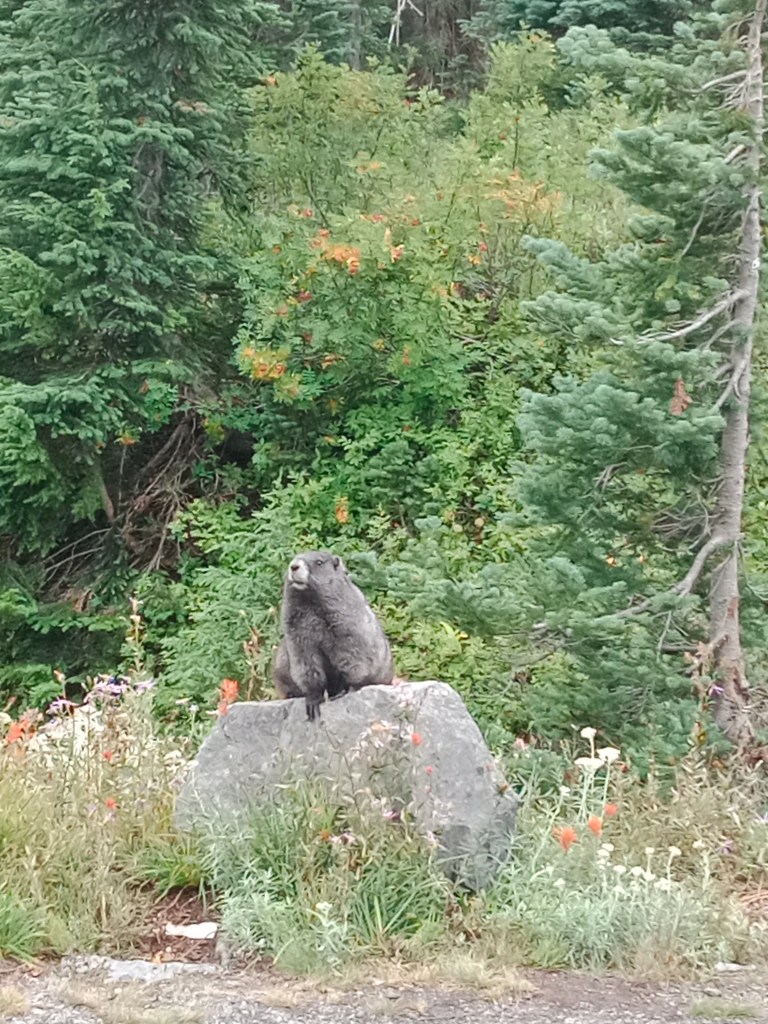

Marmots by the roadside
Sea lions
Sealions are related to walruses and seals and are called eared seals. They are bulky and have short fur. They live in colonies on the rocky ledges by the sea. They have been hunted by humans and now sealing has been curtailed. We saw huge colonies of sealions on our cruise on the Kenai peninsula. Some pictures…
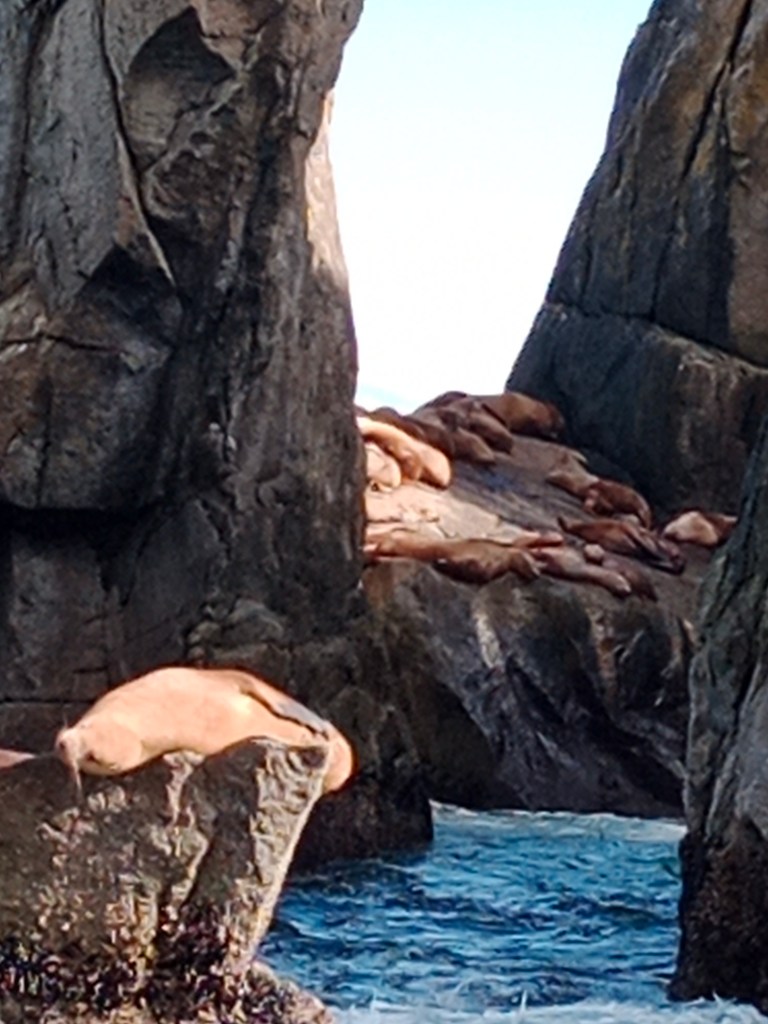
A stellar Sea lion colony at Kenai
Listen to the sounds of the sealions in this video…
Orcas
Orcas or killer whales are the largest members of the dolphin family. They are highly social and often approach ships and swim along with it. We too had a small orca encounter during our cruise in the Kenai peninsula. They are not usually harmful to humans but are huge and can weigh more than 5tonnes.
Orcas are so integral to Alaskan life that they even have a chocolate named Orca Poop !!!
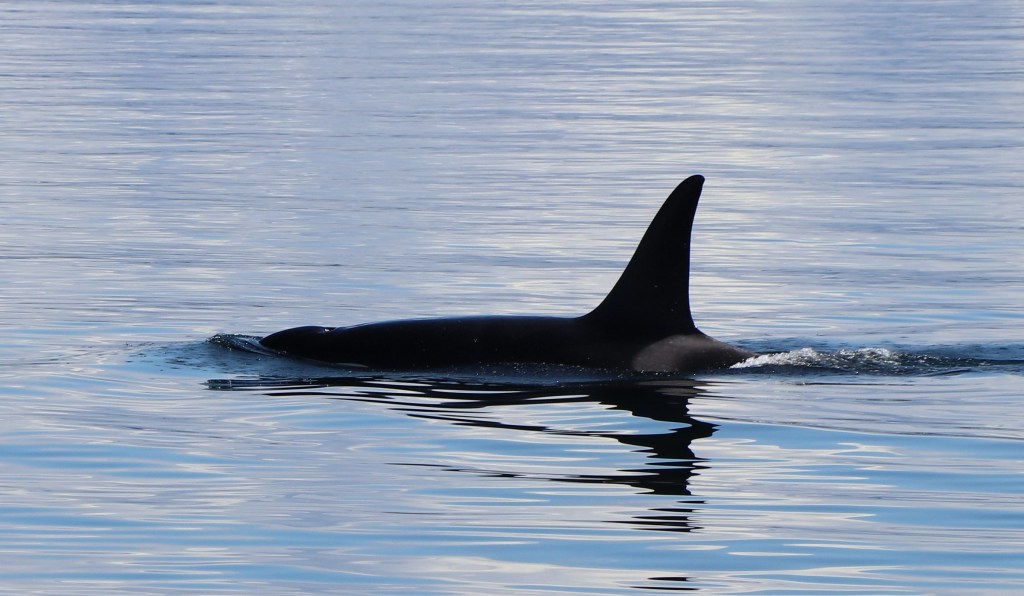
The tell tale fin….
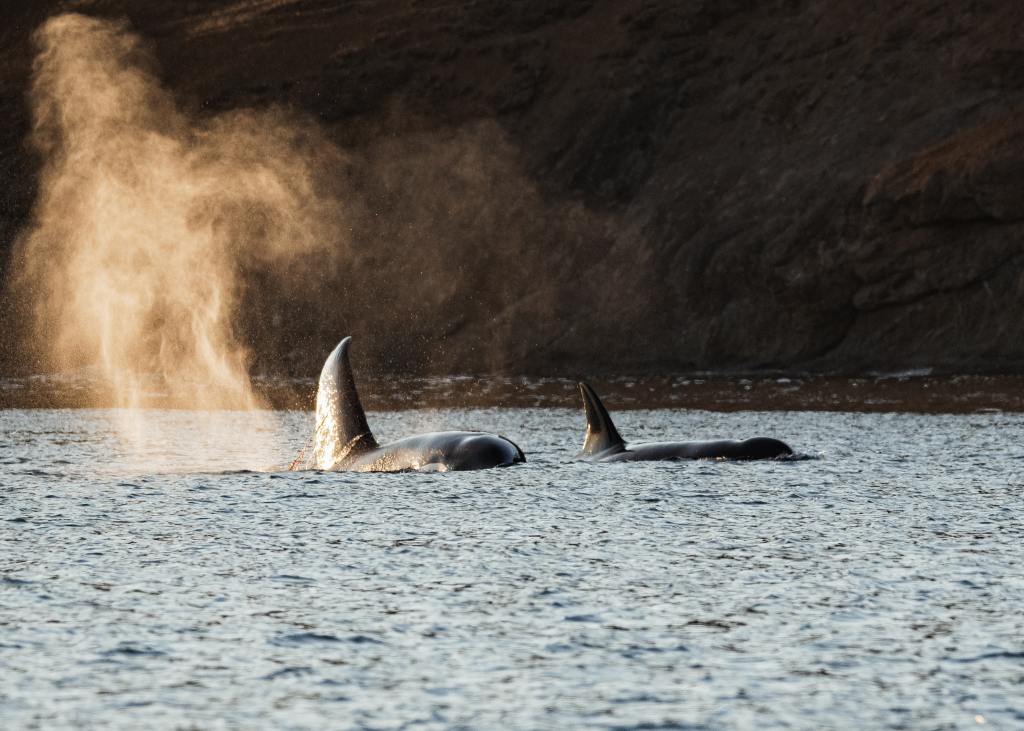

Two of them and a chocolate named orca poop!!!
Sea Otters
The largest of the weasel family, Sea Otters are extensively found on the North Pacific coastline. They usually swim in groups on their backs bobbing up and down on the waves. We did see such a family enjoying the swim as we cruised at Kenai.
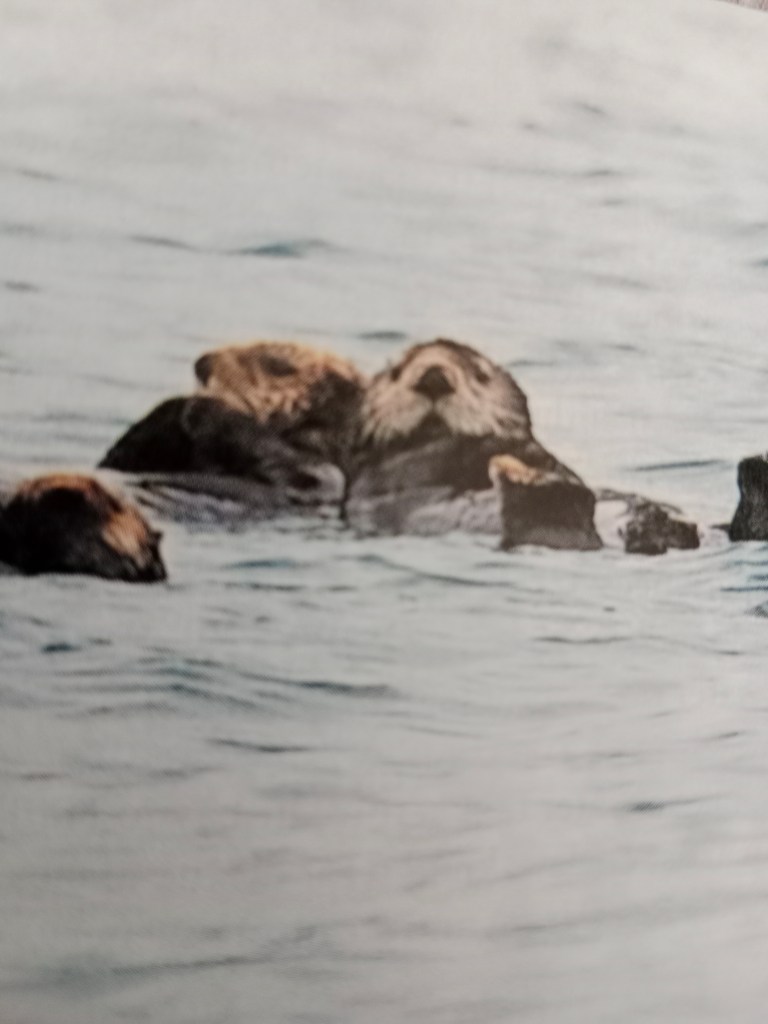
Otters
Salmon
Thousands of salmon migrate each year in late July and early August in the Gulf of Alaska and return to their birth place to spawn. This is an amazing natural phenomenon of the fish swimming upstream and the grizzly bears have a great time feasting on them. Some pictures..
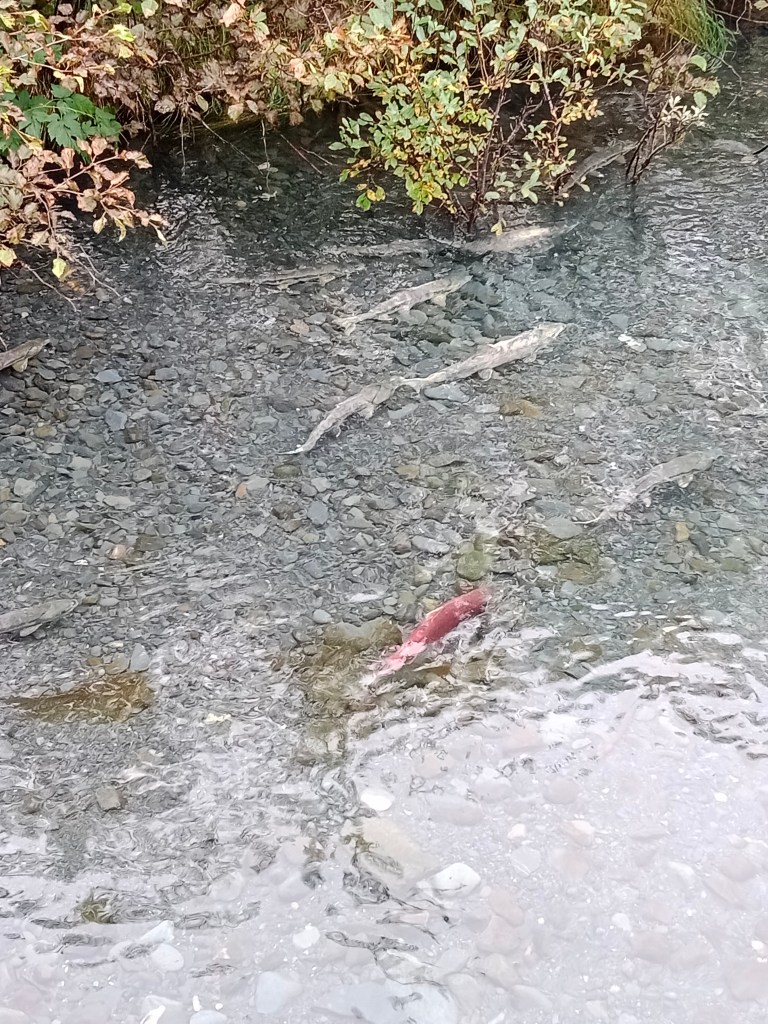
Salmon swimming
Katmai National Park in Alaska has bear viewing flights where one can go and watch the grizzlies waiting and the salmon literally jumping into their mouths. We were a little late in the season for this but we did get to see the videos which were amazing.
Puffins
Puffins are cute sea birds that breed on coastal cliffs nesting in crevices among rocks. They are predominantly black in color or a combination of black and white with a big bright orange colored beak. They are often seeing flying low over the ocean surface. They are found in large numbers along the Alaskan coast.


Puffins resting on the rocky ledges
Apart from the natural wildlife encounters we had during our travel in Alaska ; we had the opportunity to visit the Alaska Wildlife Conservation Center near Anchorage.
Alaska Wildlife Conservation Center (AWCC)
The mission of the AWCC is the preservation, conservation and rehabilitation of orphaned and injured native Alaskan wildlife. Set in an area of over 200 acres, on the shores of Turnagain Arm and Cook inlet on the Alaskan coastline, this center also provides permanent shelter to wildlife that cannot be released into the wilderness for various reasons. Some inmates of the AWCC….
Black Bears
A bear enclosure with a viewing platform was where we saw these bears …4 of them. One seemed restless while the others seemed to be happy in their own world. They can be distinguished from their brown counterparts by their smaller size and absence of shoulder hump. Take a look…
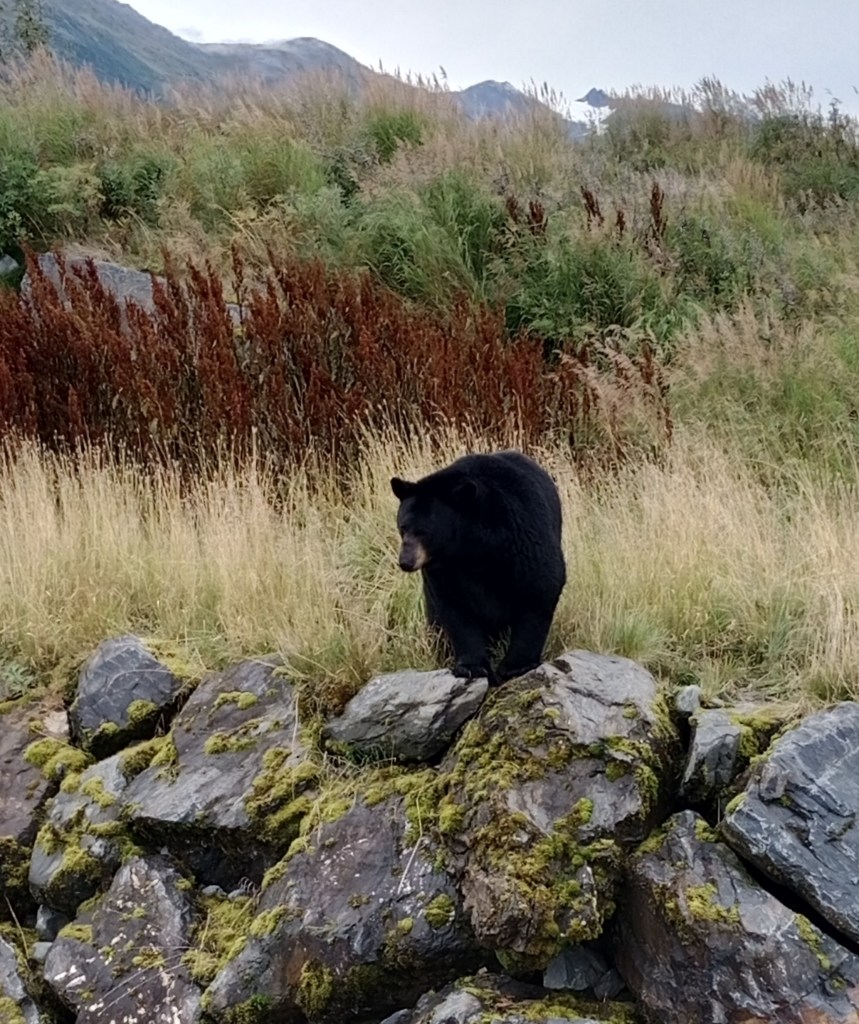
Black bears….
I did see a black bear on a hill slope along the road but too far for a picture!!!
Brown Bears/Grizzlies
Large bear species found extensively in North America, often referred to as grizzly bears due to their color ; with hairs on the back being brownish black at the base and whitish cream in the tips giving a grizzled appearance. They often go into hibernation during the winters.

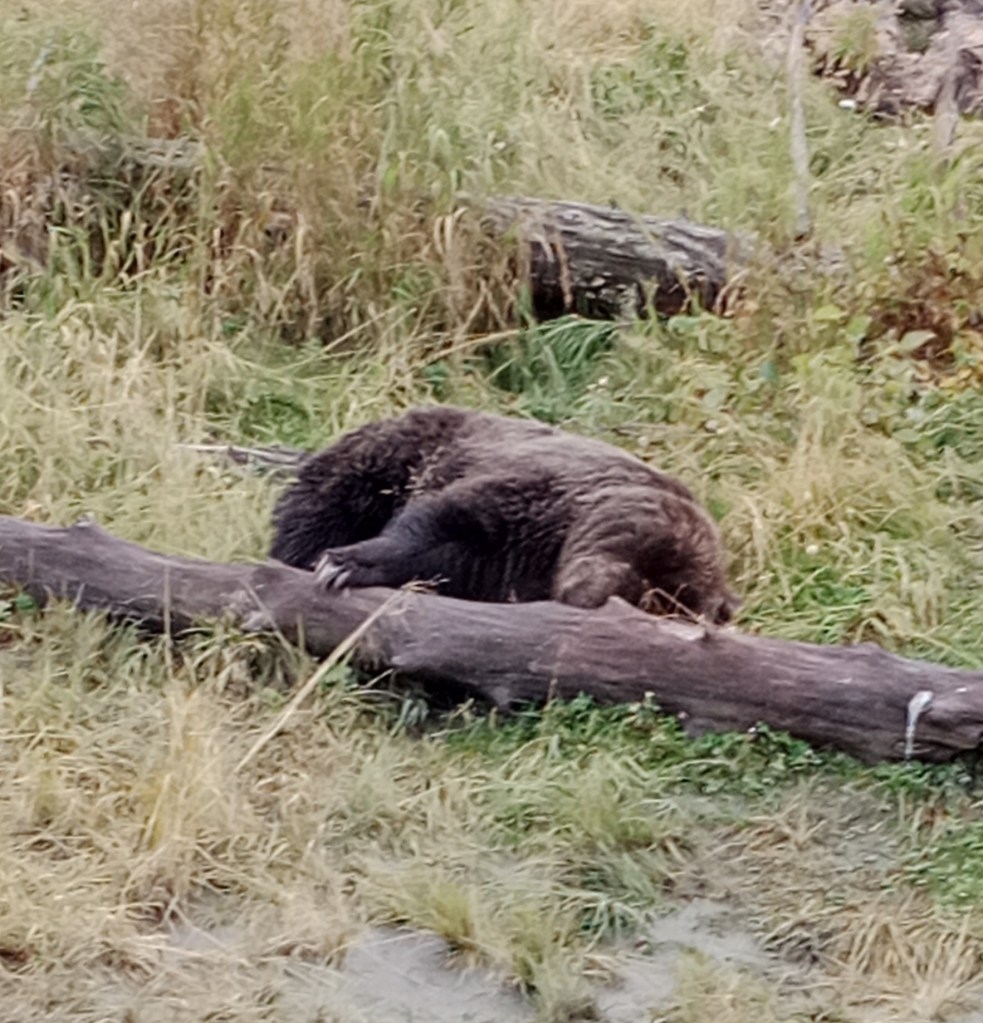
Brown Bears
Musk Ox
These are Artic natives and have been so named due to the odor emanating from the males during the seasonal rut to attract the females. They have a thick coat of fur and both males and females have curved horns.


Musk Ox
American Bison
This particular species is special to this center as they have reintroduced them to Alaska after a long absence. They are the largest land mammals in North America and are herbivores. Widespread hunting and diseases led to dwindling numbers before the center took up this project. There were plenty of bison grazing around at the center.


Bison and a hide exhibit at the center
Another interesting sight at the center were giant vegetables contributed to the center after the Alaska Fair. These are the used as food for these animals.

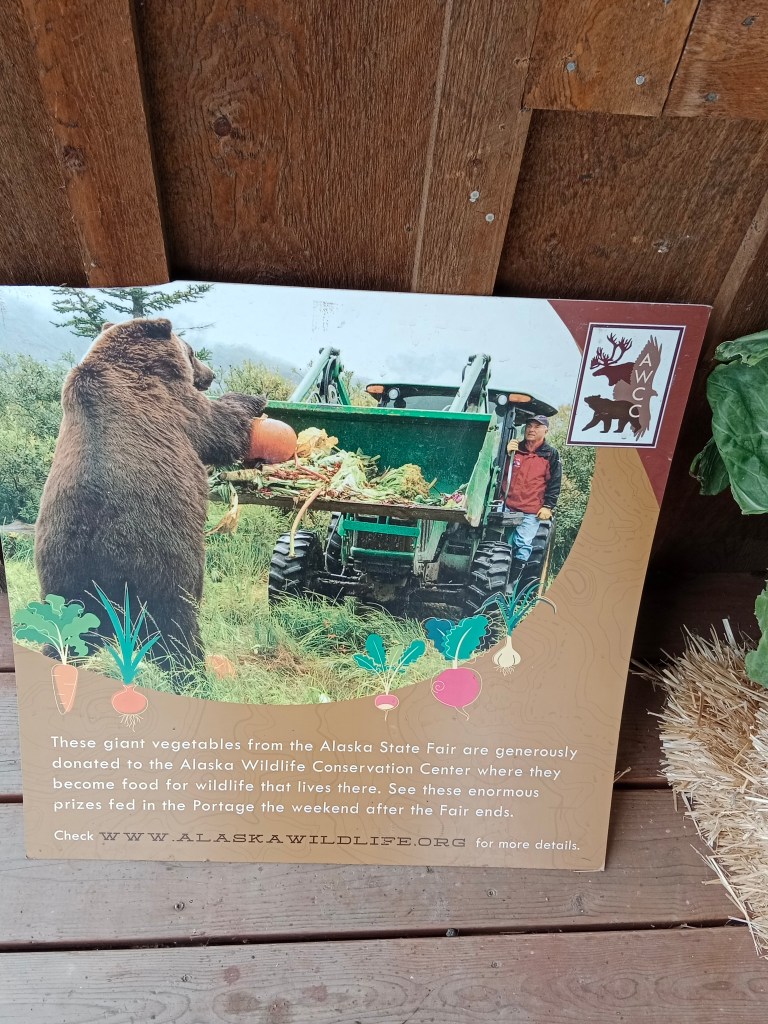
The giant vegetables ….
Last , but not the least; here is a picture of the AWCC where a lot is done to preserve native Alaskan Wildlife…

The Alaska Wildlife Conservation Center
Well friends, I have tried to bring as much of Alaskan wildlife to you as possible through these pictures. But nothing can replace real life encounters with these animals. We had some great experiences and hope at least some of you will be inspired to go for it…
Meanwhile do tell me what you feel about my blog . Continue to comment and give me a feedback…
See you next week with more from Alaska…
Discover more from Travel-along.in
Subscribe to get the latest posts sent to your email.
 Travel-along.in
What a great variety of wildlife you saw! My favourites are the bald eagles (I always love to see them, they’re such an iconic American species), the orca and the bears (both kinds)! Yes, I definitely want to go and see them all for myself sometime soon :)
LikeLiked by 1 person
You should… Alaska is truly amazing
LikeLiked by 1 person
Whoever is using “elk” and “moose” interchangeably has their head screwed on backward. They are very distinguishable from one another. It’s usually deer and elk (and probably caribou) that people tend to mix up.
I understand your excitement about seeing all the native wildlife. That’s part of my excitement in going to Australia this coming summer. Kangaroos!!
LikeLiked by 1 person
Thankyou for the clarification. Enjoy your trip to see the kangaroos!!!
LikeLiked by 1 person
:)
LikeLike
I didn’t mean you had your head screwed on backward; I meant whoever told you that. :)
LikeLiked by 1 person
😄
LikeLiked by 1 person