
One of the famous tribes of Africa, the Maasai are a Nilotic ethnic group inhabiting parts of Kenya and Tanzania. They are the better known of the African tribes as they live close to Maasai Mara and Amboseli reserves.
Known for their strikingly colourful dress, unique customs and long standing connection to land and wildlife, they are a source of interest and intrigue for people worldwide.
Let us delve into some fascinating details of these people.
They are named after the language they speak….Maa. Maasai literally means one who speaks Maa.
Nomadic Tribe
They are a nomadic tribe and they constantly move across the vast plains of East Africa in search of pastures for their livestock. As such, their homes are always temporary and can be assembled and dismantled easily. This can be challenging but they have learned to live and survive under the harshest circumstances and this is deeply ingrained in their culture and passed down the generations.
Homes
Since they are basically nomadic, their homes are made of easily available materials . They live in Kraals which are circular enclosures with multiple houses. The houses are circular with low roofs and made of mud with cow dung smeared on the outside for waterproofing . The roof is made from twigs and leaves .The biggest house is where the man lives and all his wives live in different houses in the Kraal. The fencing around the Kraal is made of acacia thorns to ward off predators of their livestock.
Women take on the responsibility of building the house. The fencing around is built by the men.

A Kraal with homes inside

A typical Maasai home
Maasai Culture
Maasai society is patriarchal with the elder men taking major decisions and women being considered property. The measure of a man’s wealth is in the number of cattle, wives and children. Owning a large herd of cattle is a matter of pride for the Maasai .
Women are responsible for making the houses and for supplying water, collecting firewood, milking cattle and cooking for the family . Men are in charge of security and the boys in charge of herding cattle.
Newborn children and their mothers are isolated for three months and after this period, they are named after shaving off their hair indicating a fresh start of life in the community.
Circumcision of boys and girls is practised and is an important ceremony among the Maasai. It is considered a passage from childhood to adulthood.
Lion hunting was a vital part of Maasai culture and an indicator of bravery and courage as protectors of the community. But that practice was banned and the Maasai have abandoned this practice and instead turned to conservation of these animals.
They do not have a formal burial and the dead are left outside for scavengers as they believe that burial is harmful to the soil. But this tradition is slowly fading out with many of them resorting to burial practices.
The Maasai and their cattle.
Traditionally they have been pastoral people and even today we find Maasai in traditional dress herding cattle along the highways. The number of cattle that a Maasai owns is a measure of his prosperity and around 50 cattle is considered respectable . Livestock is also a social utility and is traded for other products . Animal skin is used as bedding and cow dung is smeared on the walls of the houses. Their entire way of life revolves around their cattle.
Lack of available grasslands for grazing, disease among cattle , competition among the tribes and delimitation of park boundaries have forced the Maasai to look for other avenues of livelihood. This has led to cultivation of maize, rice and vegetables.
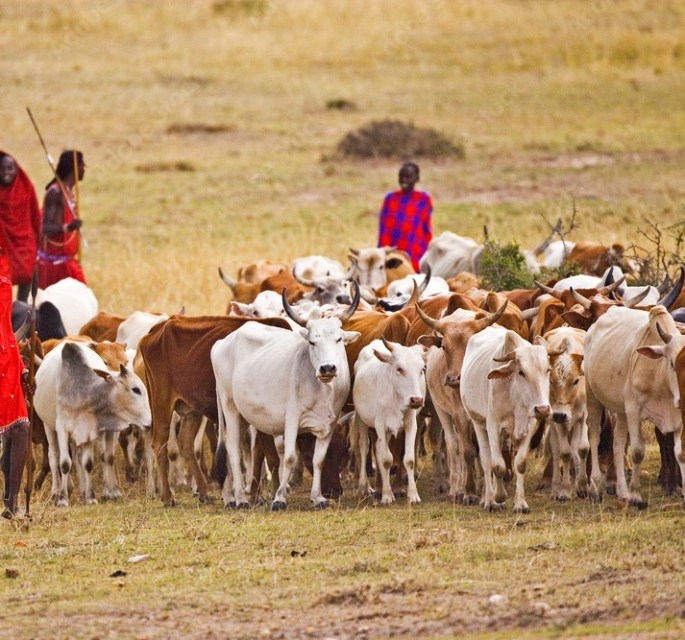
Maasai with their cattle
Religion
The traditional Maasai God is Enkai, a benevolent God who manifests in different colours according to the feelings he is experiencing. Black and dark blue mean that the God is benevolent and red that He is vengeful . Today most of the Maasai follow Christianity and churches are seen in all towns as we drive by.
Diet
Traditionally they consume raw meat, milk, honey and blood from cattle. Fermented milk like buttermilk is also consumed. Milk is a very important element of their diet and milk mixed with blood from the cattle is used as a drink during rituals .The blood is obtained by nicking the jugular vein of the cattle. Bulls, goats and lamb are slaughtered for meat on special occasions. Fruits form a large part of the diet of the pastorals.

Drawing blood from a cow
Of late, they have supplemented their diet with farm crops like maize, rice, wheat, cabbage and potatoes.

Maize and rice fields enroute indicating change in food habits
Dress
Originally, sheep skin and hides were used to cover their bodies but it has now been replaced by cloth. The cloth used to wrap around the body is called Shuka in Maa language. Most common material seen has blue, black and red stripes and is very colourful and striking. Young men wear black for a long time after their circumcision ceremony.

Maasai men in their bright coloured attire
Beaded jewellery is an essential part of the women’s attire. They regularly weave them and wear heavy beaded chains around the neck. Ears are pierced and the ear lobes are stretched with metal hoops on them.
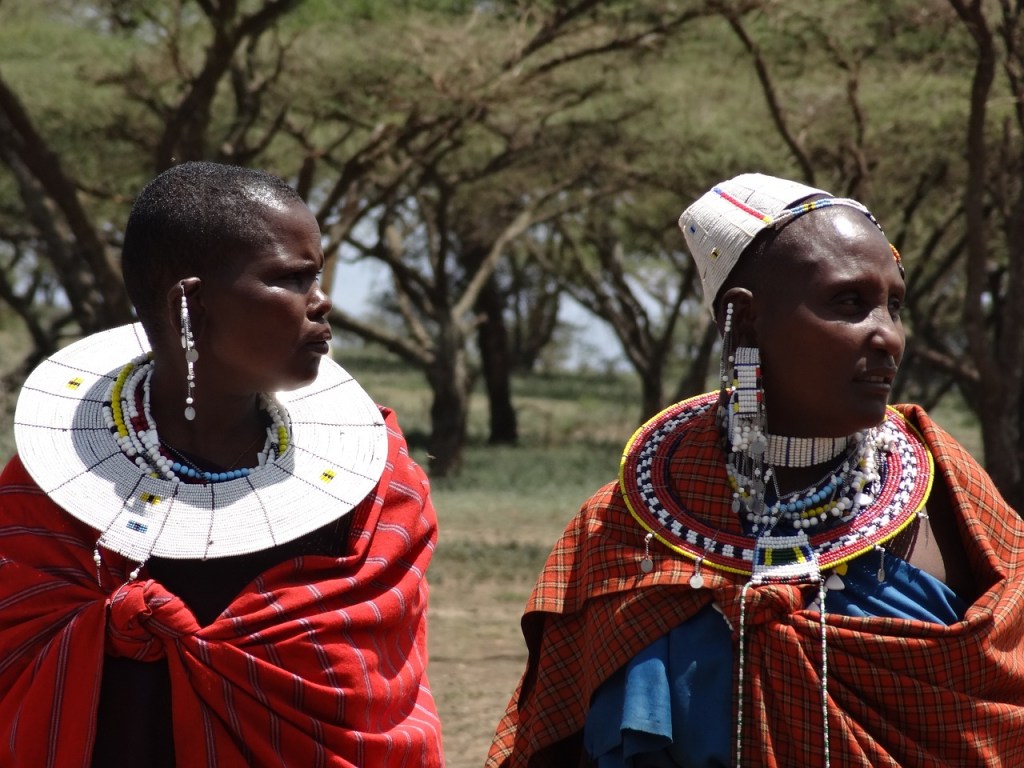
Maasai women wearing traditional jewellery
Hair styling
The Maasai hair style is unique and both men and women shave their heads to celebrate circumcision and marriage representing a fresh start to a new phase of life. The braided hair that we see is almost a permanent design done with help of needles and if they plan to change the design, it has to be shaved off.
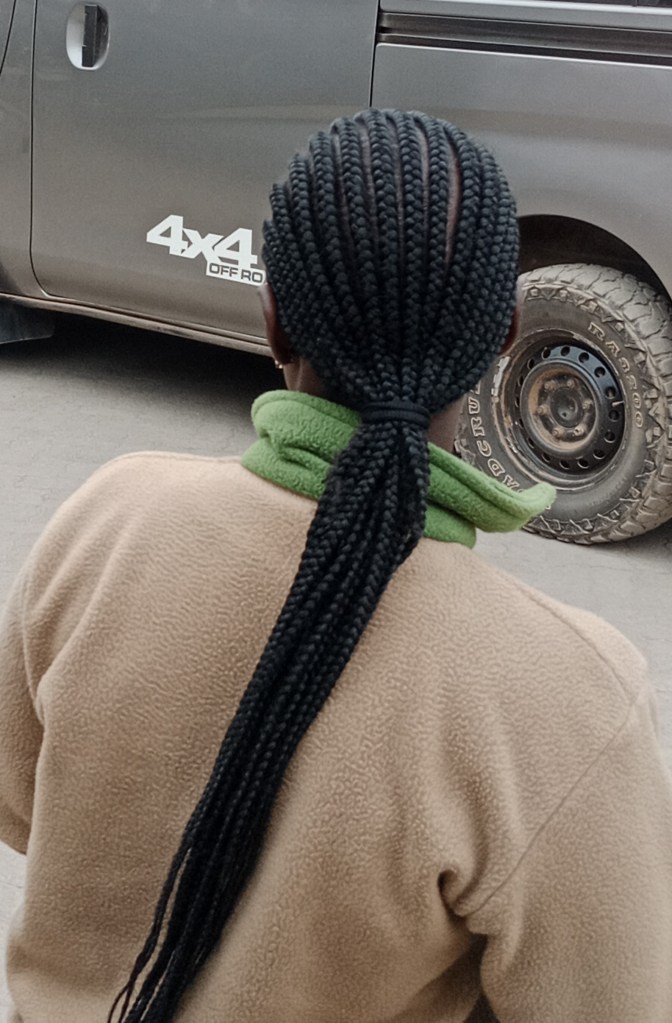
Braided hair
Music and Dance
Music and dance are an important part of their culture and they always break into a song and dance at every occasion. Their music is very rhythmic and primarily vocal with the leader singing and the others following through. Special drums made of animal hides are also used.
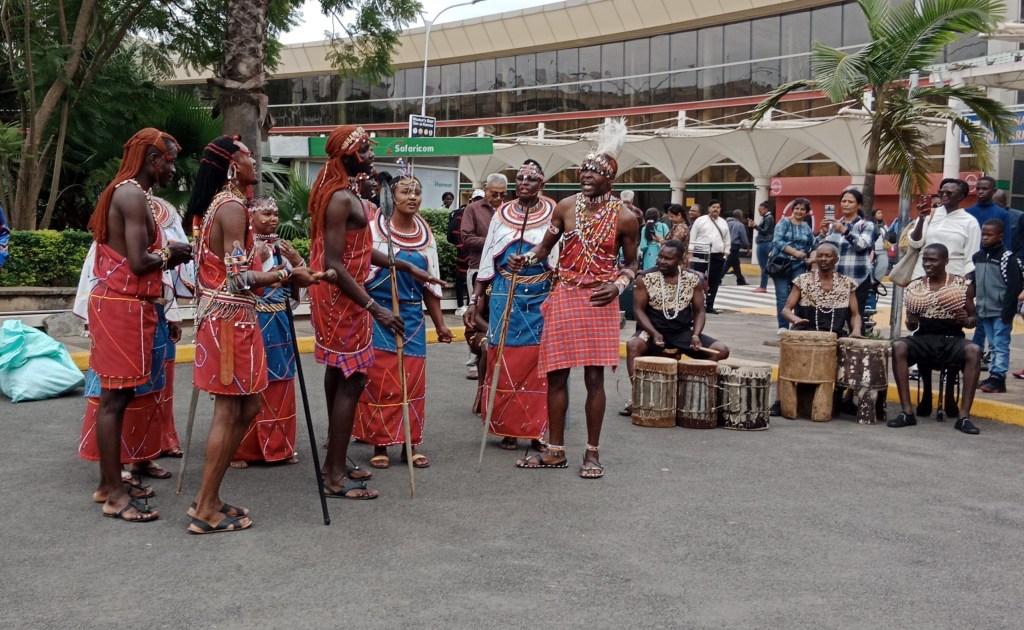
A dance performance just outside Nairobi airport
The Maasai dance is known as “Udumu” or jumping dance which is performed by young men to flaunt their abilities to attract a wife.
Udumu or jumping dance
A song and dance performance
Kudu Horn
A Kudu Horn is a trumpet like instrument made from the horn of the Kudu, a type of antelope. It is a peculiar instrument used here.
Blowing the kudu horn
Weapons
The Maasai youngsters are trained to be warriors and they often carry spears , shields , bows and arrows with them. But common Maasai carry a wooden stick , and a wooden club called the Rungu.
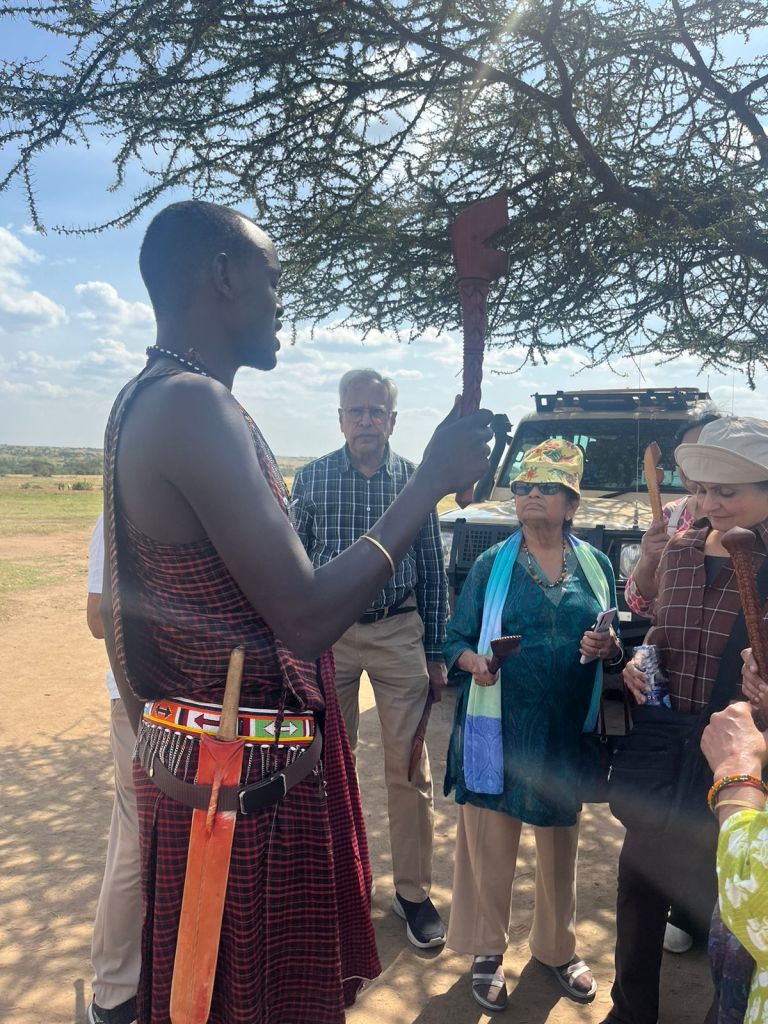
A Maasai explains use of common weapons
Art and craft
All over the region, lot of shops selling art and wood carving done by the local artisans can be seen. Mostly depicting local life and animals, they quote an exorbitant price though!!
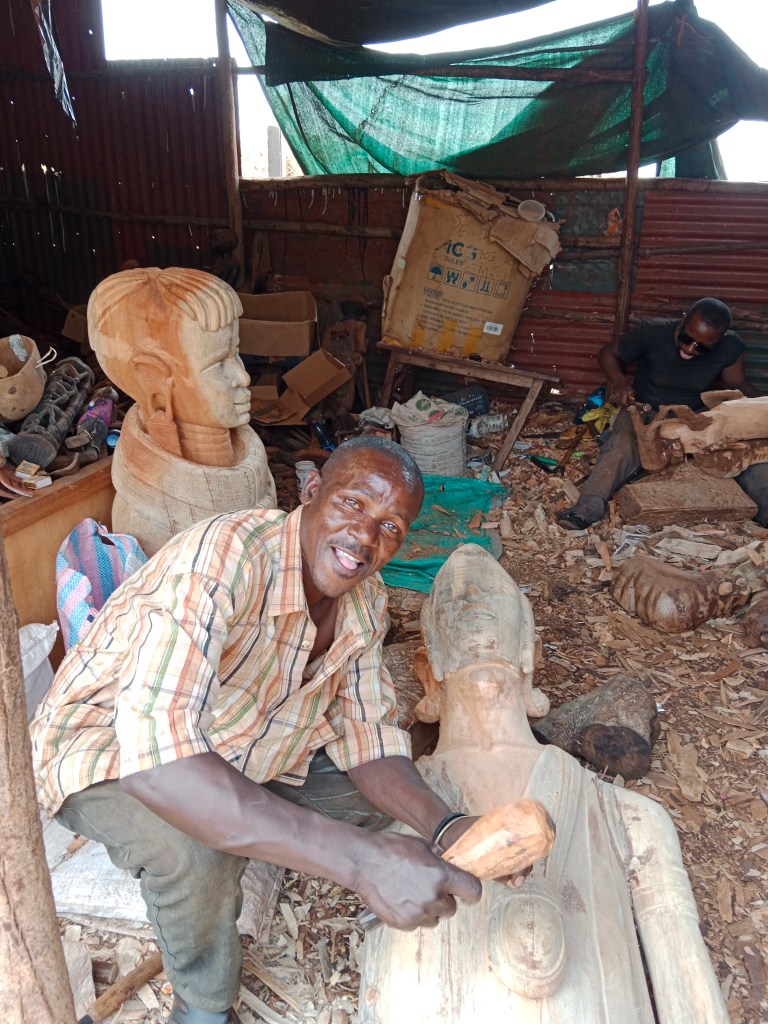
A local artisan at work
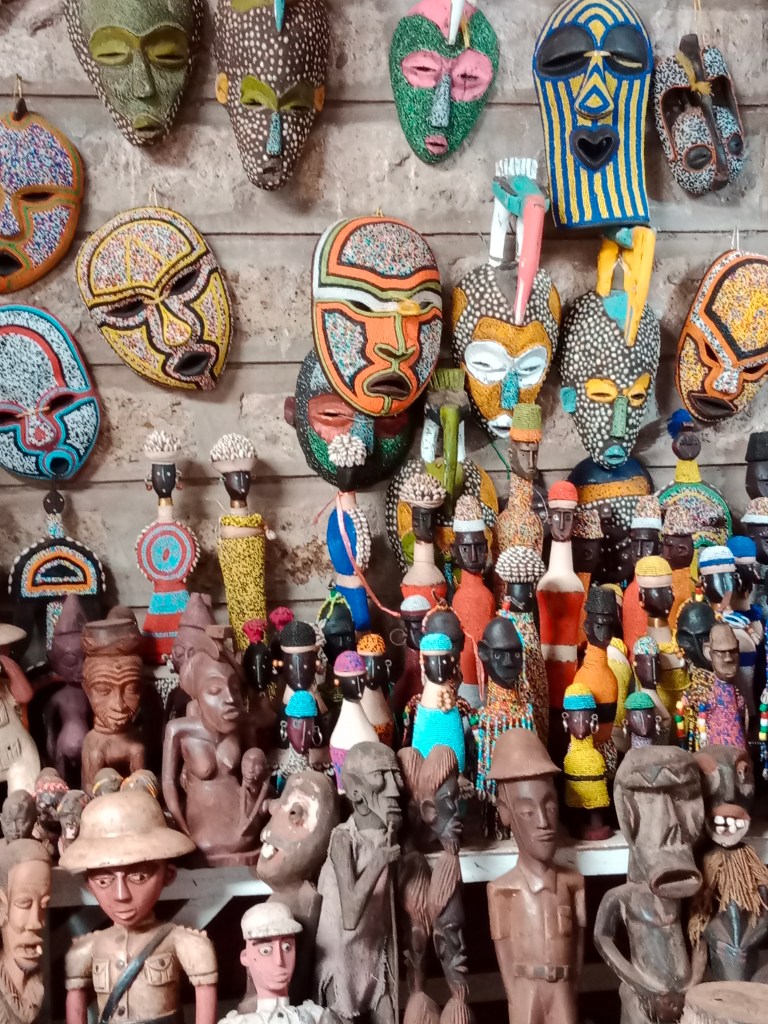
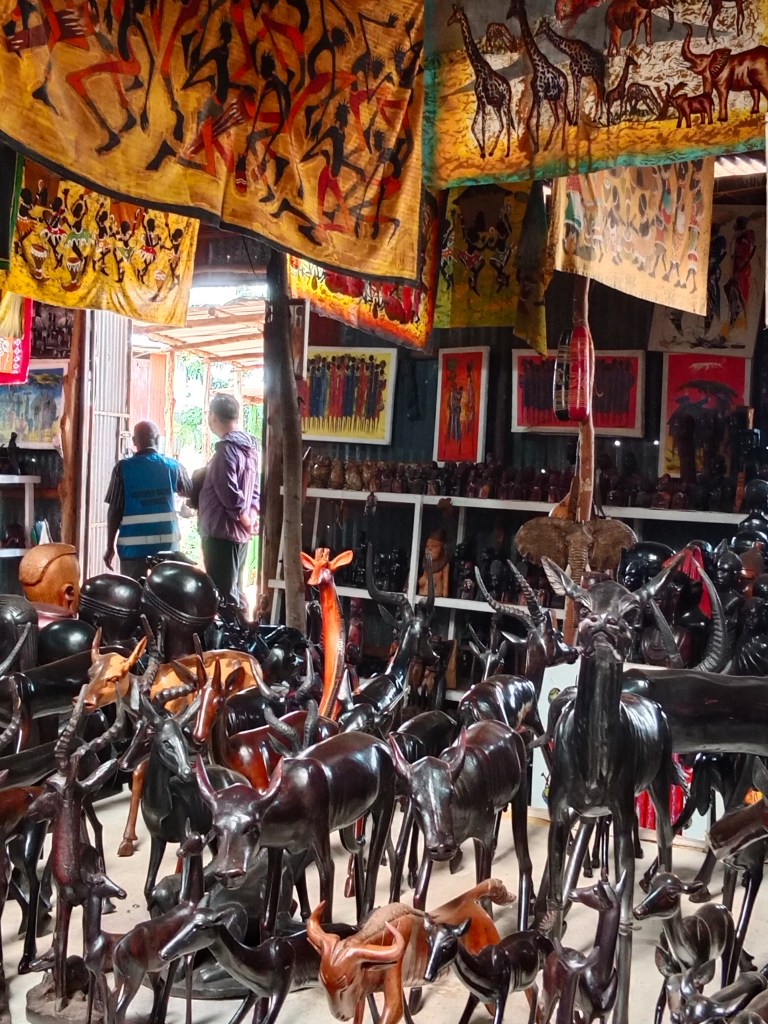
Masks and other artistic souvenirs for sale
I have attempted to bring the Maasai people and their unique traditions to you. Hope you had an insight into their lives.
See you next week. Till then, do subscribe, like and comment…
Discover more from Travel-along.in
Subscribe to get the latest posts sent to your email.
 Travel-along.in
Excellent and well researched travelogue, Leela ! Enjoyed going through it.
LikeLiked by 1 person
Great read Leela Ji!
LikeLiked by 1 person
This is absolutely fascinating.
LikeLiked by 1 person
Thanks Jyothi
LikeLike
Glad you liked it!!
LikeLiked by 1 person
nice
LikeLike