About

Volendam

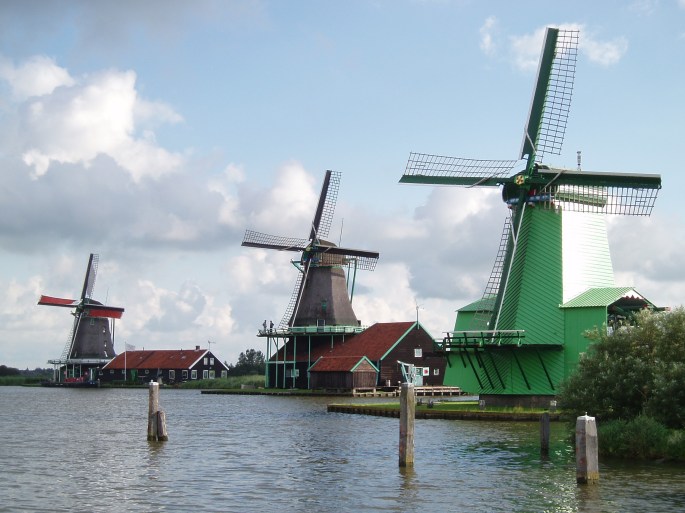
The opening shot of this blog is that of the colourful windmills of Zaanse Schans about which I shall talk later…

Continuing our tour of Netherlands, the next day we headed to Volendam…..

Volendam is a beautiful fishing village about 20 km from Amsterdam on the Markermeer lake. It has a beautiful marina and has now developed into an important tourist destination. It is known for rows of colourful wooden houses and old fishing boats in its harbour. Sea food restaurants and beer parlours add to the charm of the marina.

It once had direct access to the North sea which made it a natural choice for fishermen to settle. The locals are known to still use traditional dutch attire and have a flare for music.

The marina at Volendam with fishing boats

The beautiful houses with flower beds facing the marina

Another view of the Volendam Marina

Traditional Dutch attire is still used by some of the local residents. The high pointed bonnet of the dutch women’s attire is one of the most recognisable part of the traditional dutch clothing . It is often featured in postcards and pictures.

An important activity here is to get photographed in traditional dutch attire.

Traditional Dutch Attire

Cheese Factory

Netherlands is famous for its dairy products particularly cheese. Dairy products contribute a major chunk to their economy. We visited a cheese factory close to Volendam. Demonstrations on cheese making and tasting the various varieties of cheese was interesting indeed!
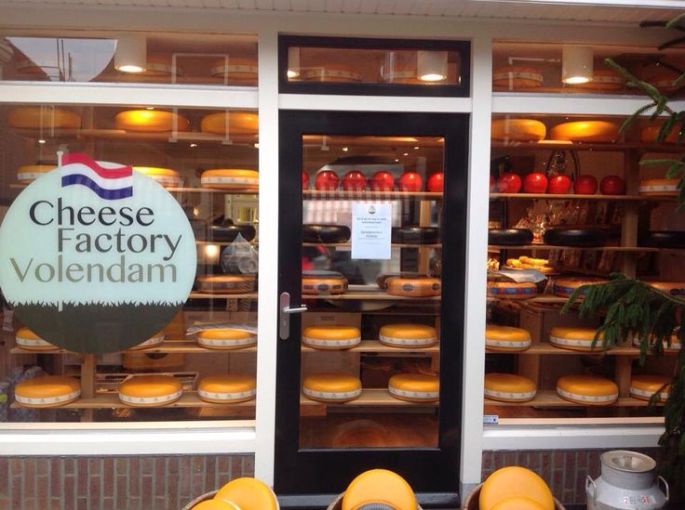
Cheese on display

Wooden shoes (Clogs):

Wooden shoes were used in Netherlands traditionally . Now it has been preserved as part of their culture. It is a very popular souvenir from Netherlands. We attended a shoe making demonstration where the worker deftly transformed a wooden piece into a shoe in about 10 mins. These shoes are very colourful and have beautiful paintings on them. In fact the coloured wooden shoes are iconic of Netherlands ….much like the windmills.

Wooden shoes

A huge clog model outside the factory

From Volendam, one can take a ferry ride to Marken when the entire extent of the beautiful houses and the marina can be enjoyed.

Our next destination was Zaanse Schans.

Zaanse Schans

As you all know, windmills are synonymous with Netherlands. At least some of you must have wondered how it did not feature in a blog on Netherlands! Well, I kept it for this place called Zaanse Schans where you can see a row of windmills by a stream.

This village of Zaanse Schans is best known for its collection of windmills and wooden houses that have been relocated here . It has developed into an important tourist destination mainly to see the windmills.

Around 600 windmills were constructed here in the 17th century, creating an industrial zone.When the blades of the windmill rotate due to wind,the equipment inside the building starts working and activities like wood sawing, powdering of grain etc take place. Once electricity was discovered and used widely, the windmills became non functional. But they were relocated and preserved. Even today, tourists can see functioning windmills here.

Zaanse schans is located close to a backwater and the windmills were used even for pumping water to and fro to maintain water levels. The actual process of reclaiming land from the backwaters can be seen here. Bunds were built and then the water inside was pumped out with the help of the wind mills. The trapped land dried up and was used for various purposes.
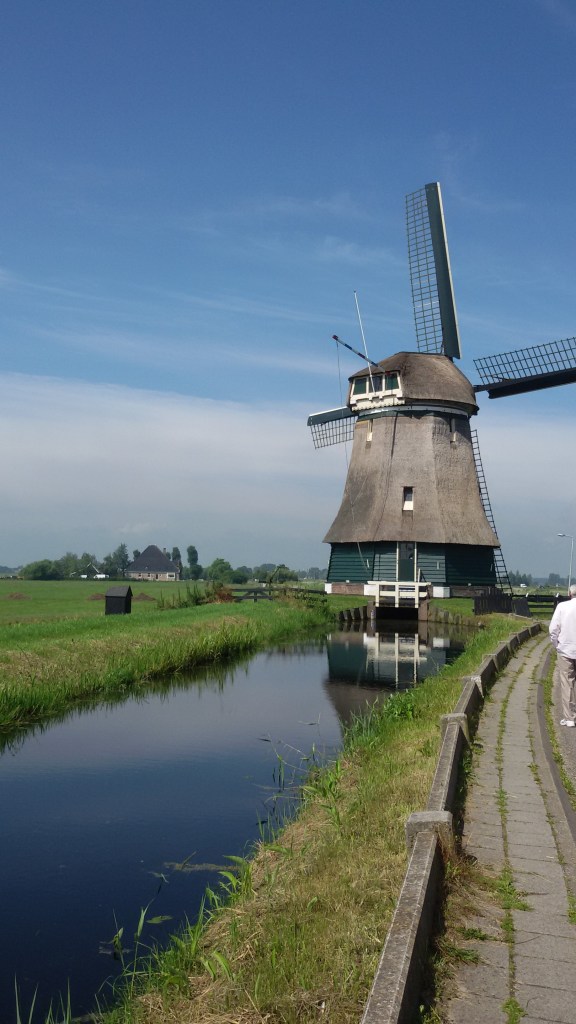
A traditional Windmill
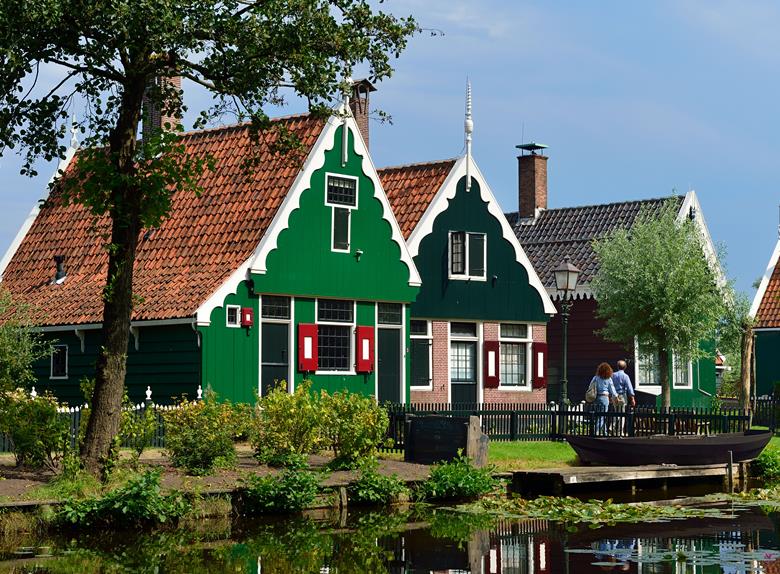
Beautiful houses in Zaanse Schans

And last but not the least…..

Keukenhof Tulip gardens

Keukenhof Tulip gardens are a must see in the Netherlands. Called the Garden of Europe, it is a sight to behold! Many of us may have seen this majestic garden in the Hindi movie “Silsila” where the melody “dekha ek khwab to ye silsile hue” was shot

Unfortunately we were not there during the Tulip season which runs April to mid May. We missed the majestic gardens.

Nearer home ,we have a beautiful Tulip garden at Srinagar in Kashmir which is not so famous and publicised. When I visited that, part of the remorse of not being able to visit Keukenhof was overcome! Though it is not as big and varied like the Dutch one, this garden is charming in its own way…

So let me share a picture of Tulips from our very own Srinagar….partly to motivate a few of you to visit this place…partly to compensate you for not featuring Keukenhof in a blog on Netherlands!!
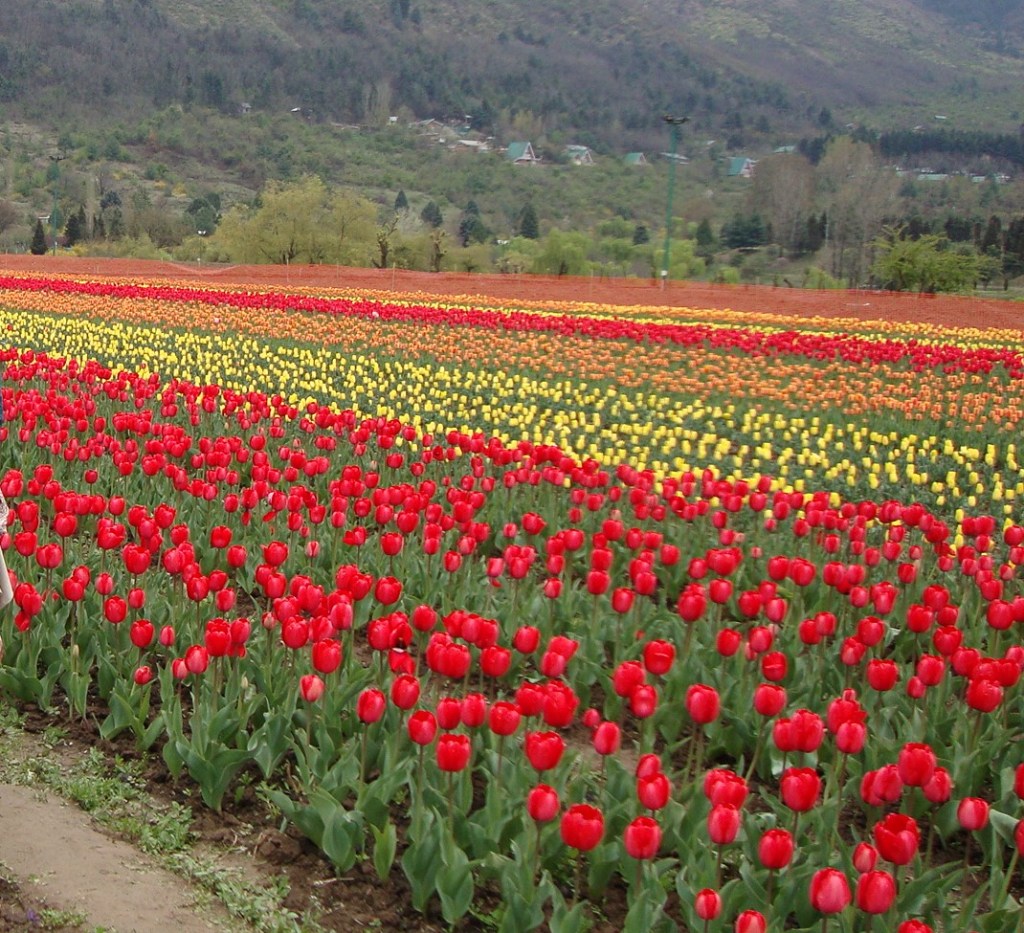
Tulip garden at Srinagar

Well, with this we bid farewell to the beautiful country of Netherlands and head to Germany. See you next week at Cologne…

Till then, do keep your comments coming and do subscribe below:

Do give your feedback!

Amsterdam

Amsterdam is the capital of Netherlands and its most populous city. It is often called the Venice of the North due to the large number of interconnected canals which form a UNESCO World Heritage site.

A little bit about The Netherlands:

The word Netherlands literally means “lower countries” in refernce to its low elevation. Only about 50% of its land area lies atleast one meter above sea level. More than 26% of its area lies below sea level and nearly 17% of its land area has been reclaimed from the sea or lakes . Since the 16th century , large areas of this country are preserved through an elaborate drainage system comprising dikes, canals and pumping stations. This brief introduction shows the vision , hard work, elaborate planning and execution that has gone into making this land what it is today. In order to understand some of the peculiarities of the places we are going to visit, this background information is essential.

Amsterdam: A short preview:

Amstel, the river in Amsterdam was dammed to control flooding and the city now derives its name from that. Originally a small fishing village in the 12th century, the inhabitants built dikes on both sides of the river to protect themselves from floods and subsequently built a dam between these dikes.

Amsterdam grew to become a port and a leading financial and trade centre in the 17th century called the Golden age. During the 19th and 20th centuries, the city expanded further and grew to what it is today.

Some peculiarities…

The canal system in Amsterdam requires special mention. It is the result of continuous city planning. In the 17th century itself, this canal system was planned in the form of four concentric half circles with radial canals forming a spiderweb pattern and connecting finally to the North Sea. The canals served for defence, water management and transport. Today the city is famous for the hundreds of houseboats that line its canals. Parts of the city lie below sea level and some on land reclaimed from the sea or marshlands.

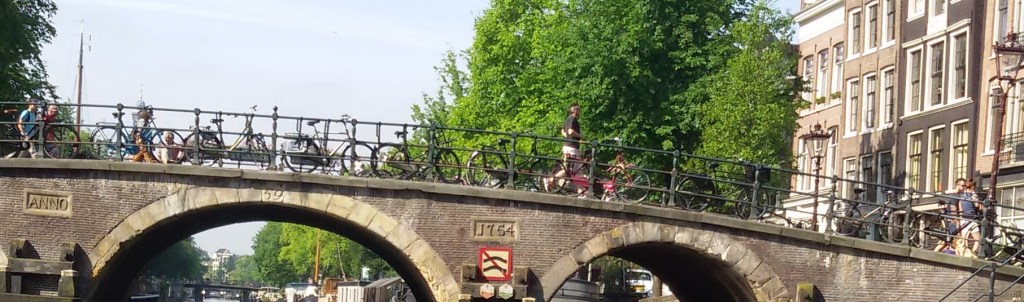
The city of cycles….Amsterdam is equipped with an elaborate network of cycle paths, so safe and comfortable that anyone can use cycles as the easiest mode of transport. As Amsterdam grew, the traffic increased and roads were laid to accommodate traffic. With increased traffic, there were many accidents. This led the local people to think that they needed safer streets and they held demonstrations and finally got clear cycle paths. This is true not only of Amsterdam , but all over the Netherlands.

Observe the large number of cycles parked on this bridge!
Though Amsterdam is the capital, it is not the seat of the government which is The Hague and the Royal family resides only occasionally at the Royal Palace in Dam square of Amsterdam. The city lacks monumental architecture , wide squares, arches or imposing statues unlike many other European cities.

Coffee shops selling drugs and the famous Red street are some of the other peculiarities of this place.

Our Trip

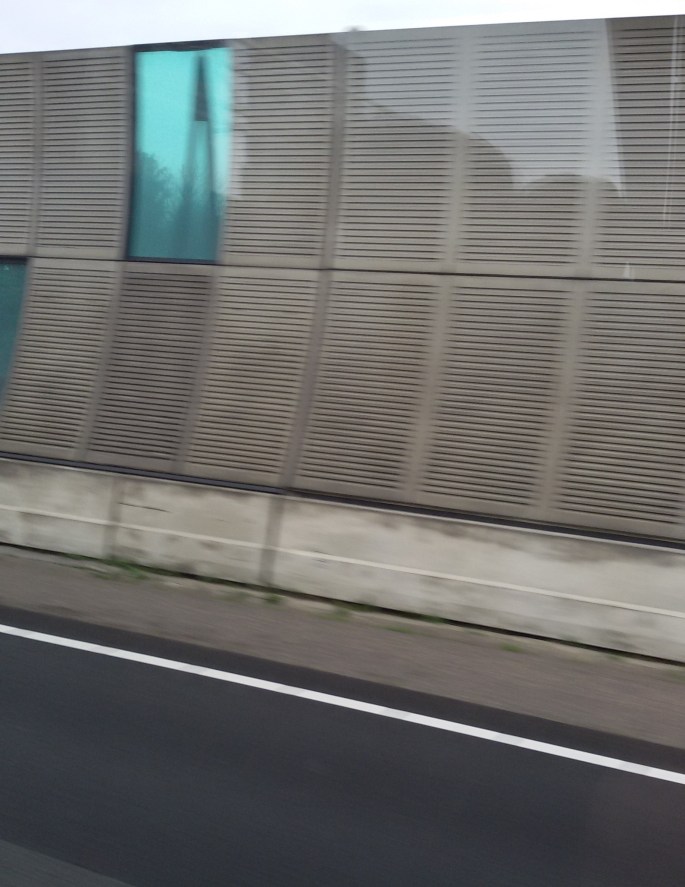
One sight which attracted me in the Netherlands was the sound barriers along the highway. These are barrier walls set up in residential areas along the highway to prevent noise pollution and disturbance to the residents. It actually reflects the care and concern for the quality of life here.

Sound barriers along the highway

Amsterdam Canal Cruise :

One of the most interesting and popular tourist activity in Amsterdam is the canal cruise.

There are many tour companies that organise these canal cruises. Usually it is a one hour cruise along the canals. In fact due to the interconnecting canal system, it is the best way to get around without missing any of the highlights of the place.

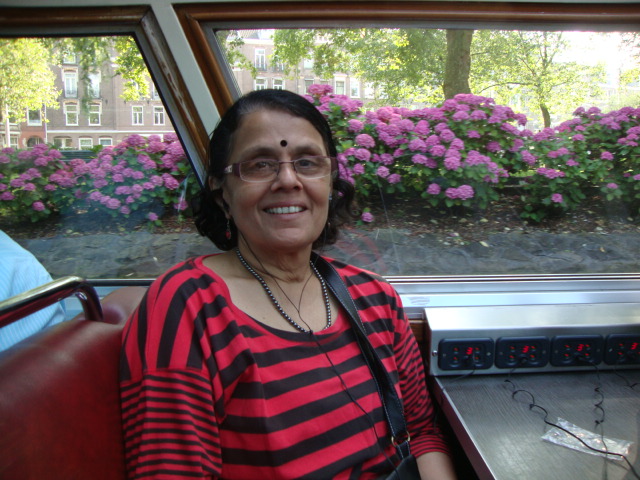
The boat piers from which these cruises start are very beautifully maintained with flower beds. The boats have glass roofs and there is an audio system at every seat from which one can hear the live commentary of the places as we sail along.

The glass ceiling boat used for the canal cruise

The flower beds at the pier and the audio system with live commentary

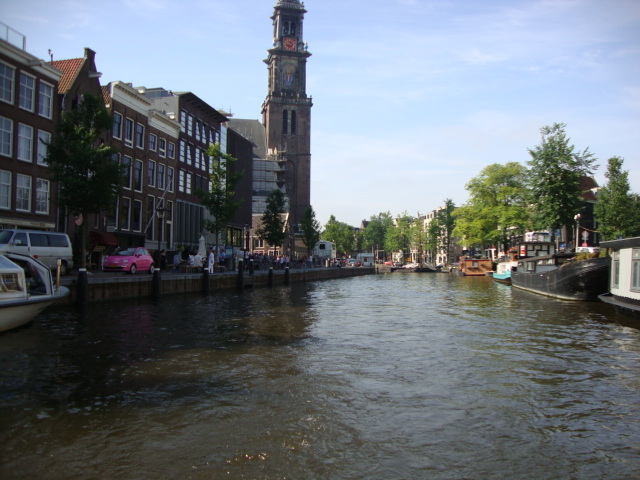
Once the cruise started, we sailed along the canals which were of varying width. The buildings along the sides of the canal looked very traditional .

Some places had traditional Dutch buildings.

Every now and then we sailed below ancient looking bridges which had people and traffic crossing the canals…

Bridges cutting across the canals.

Many of the canals have house boats anchored along the sides. Some are the residences of the locals while some are available on rent for tourists to stay and enjoy the ambience.

At places boats were anchored along the sides of the canal.

A house boat

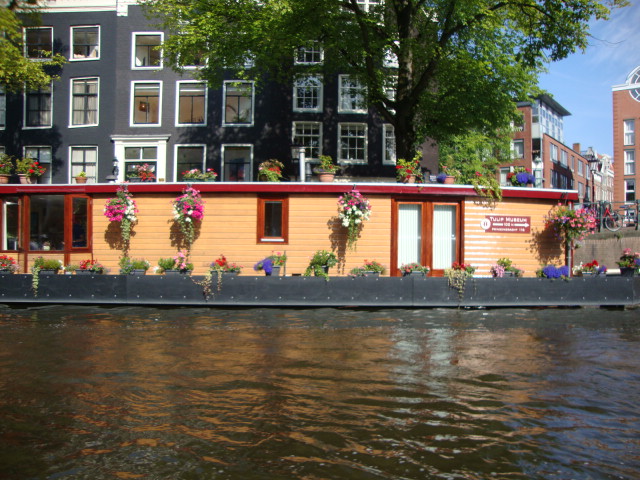
Some of these house boats are commercial establishments too….like this one which has a tulip museum!!

A houseboat converted into a museum

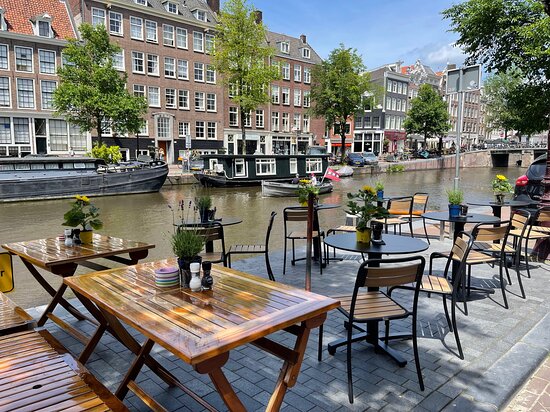
Along the canal side, there were beer parlours with seats set outside along the canal for a relaxed evening for the customers.

A canal side beer parlour

As we reached the newer parts of the city, the canals were lined with modern buildings on either side.

Modern buildings along the canals

A wider part of the canal system with modern buildings and a high end yacht

We also reached an area looking like a lake where there was an old ship anchored. This ship is now a museum displaying Dutch history.

The museum ship

How are these canals maintained?

A very well organised system keeps these canals functional during the high and low tides. Each of these canals have locks and is under the control of a lock keeper who plays a very important role by opening and closing the locks as per the tide levels. Next to each of these locks is a lock keeper house too , so that he can continuously monitor it.

The lock system in the canals

Dam Square :

This is a square at the centre of Amsterdam. The main attraction here is the Royal Palace. The palace is used by the monarch for official receptions, award ceremonies etc.

The Royal Palace

Van Gough Museum :

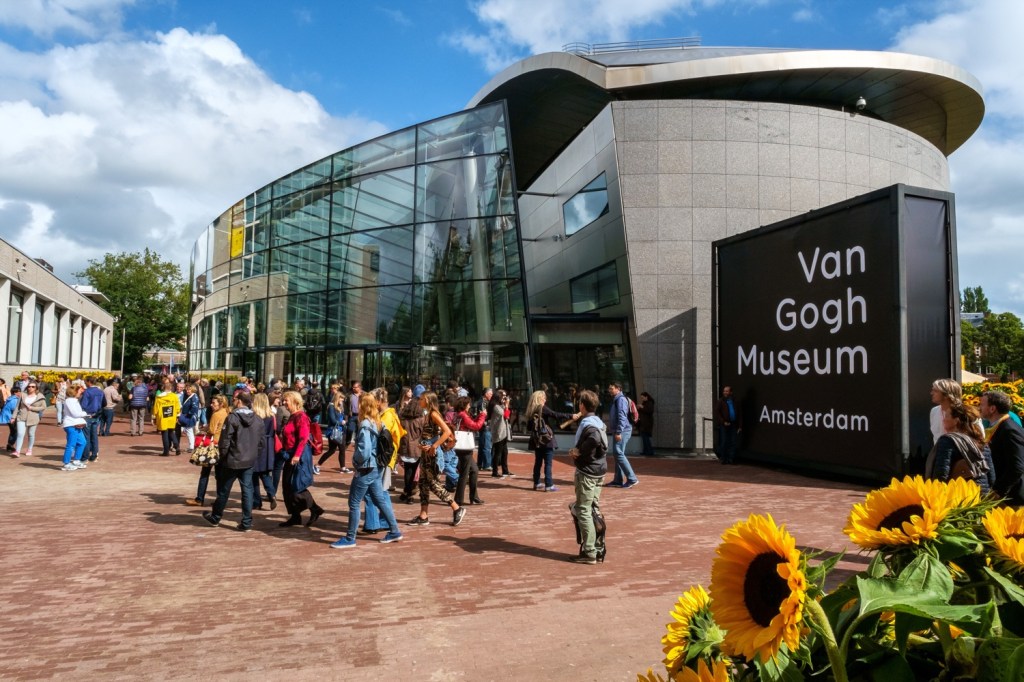
An art museum dedicated to the works of Vincent van Gough, this museum has the largest collection of Van Gough’s paintings in the world. Unfortunately we could not visit the museum but we saw it as we went along.

The Van Gough Museum

Red light district

Den Wallen, Amsterdam’s red light district is internationally known and is a major tourist attraction here. It offers legal prostitution and a lot of coffee shops selling marijuana!

The brothels here have a red light near the door which is the indication that it is a brothel. The practice started initially when the women would use red lanterns as a signal to the sailors who visited the place. This was subsequently replaced by the red bulb.

The red light district

Enroute Amsterdam, we had a halt at The Hague too from where we visited Madurodam.

Madurodam:

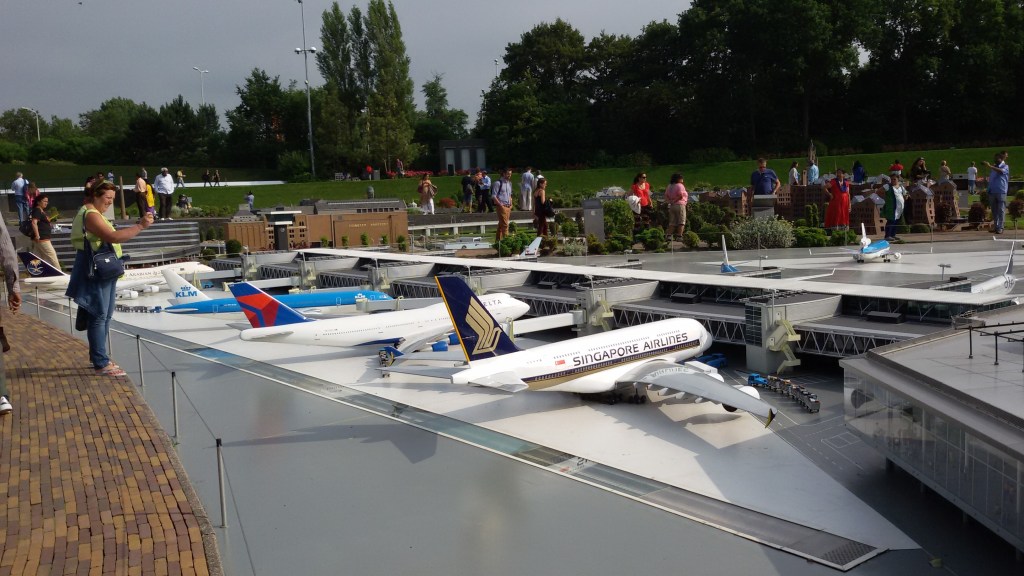
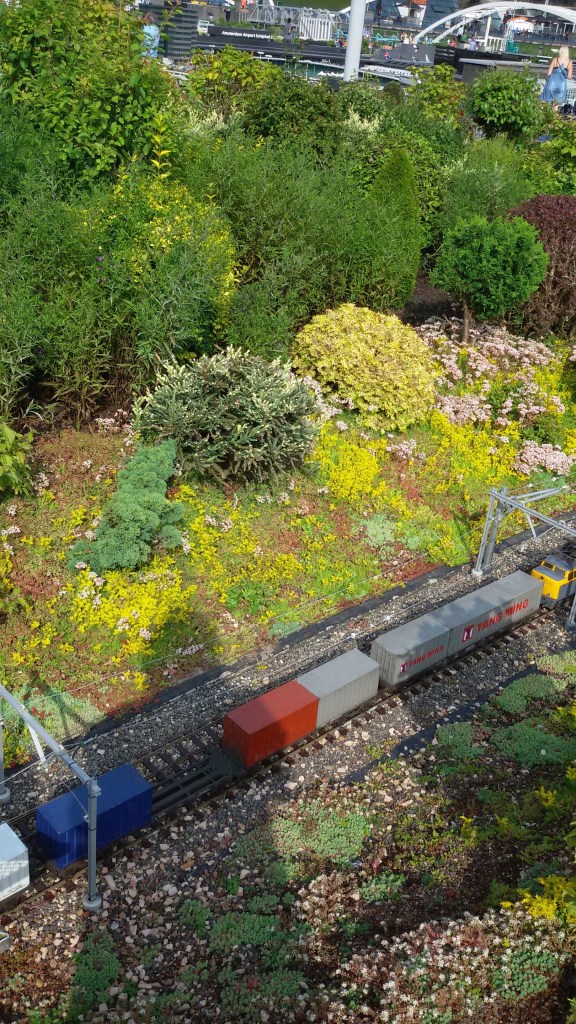
This is a miniature park close to the Hague. Every object in Madurodam has been built at a scale of 1:25. It contains working models of many of the Dutch landmarks. The park strives to show a realistic view of Netherlands in a scaled down environment. Everything including the flora and fauna is scaled down and in many places models of the Dutch people can also be seen.

Some pictures….

At the Entrance to Madurodam

A working model of Schipol airport

A working model of the canal system and its locks

A model train

A model windmill

Model Tulip garden

And finally…an over view of Madurodam

After the nice cruise and a city tour of Amsterdam, we returned to our hotel looking forward to more of The Netherlands the next day.

See you next week with more beautiful sights from The Netherlands. Till then, keep your comments coming and do subscribe below.

Your feedback will be appreciated!

Brussels

The capital of Belgium, Brussels is a fascinating place with stunning architecture, history and modernity ,mixed with some fun activities too. Belgian chocolate and Waffles add their bit of sweetness to this city.

A short overview

Brussels has grown over the years from a small rural settlement to an important city in Europe. Since the end of the second World war, it has become a major center for international politics and is home to numerous international organizations, diplomats and civil servants. It being the de facto capital of the European Union, hosts a number of EU organizations. The recent war has put it very much in the news as the headquarters of NATO is located here.

Officially, it is bilingual with Dutch and French being the official languages. English is also widely spoken.

Let me take you to some of the locations that we visited in Brussels .

The Atomium

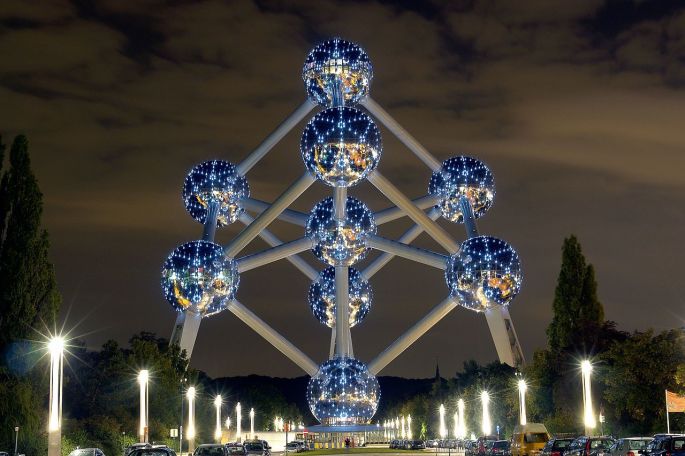
The Atomium is emblematic of Brussels much like the Eiffel tower is to Paris. Built in 1958 for the World Fair, it symbolizes an iron atom magnified 165 billion times!

It is 100 mt tall. Made of stainless steel , its 9 spheres are connected by tubes. The tubes connecting the spheres enclose stairs and escalators, that allow access to the 6 accessible spheres. The spheres contain exhibition halls and other public places. The central vertical tube has an elevator. The top sphere has a restaurant and offers panoramic views of Brussels.

Some pictures…

The Atomium

One of the spheres

The stairway in the Atomium

At the Atomium

The Grand Place

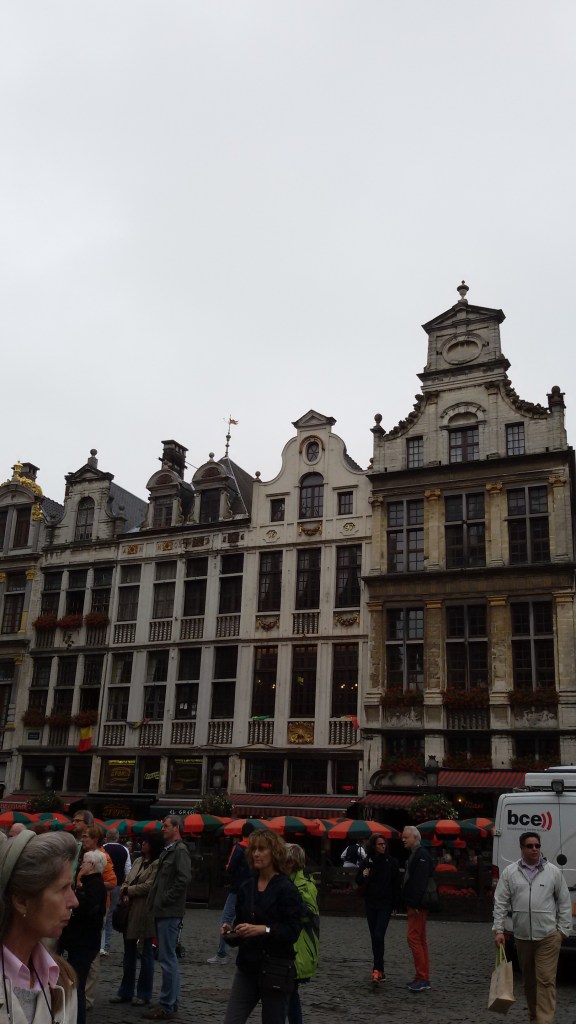
The Grand Place is the square in the center of the city which is so typical of most European cities. It is a World Heritage Site designated by UNESCO since 1998. It measures 68 mt in length and 110 mt in breadth.

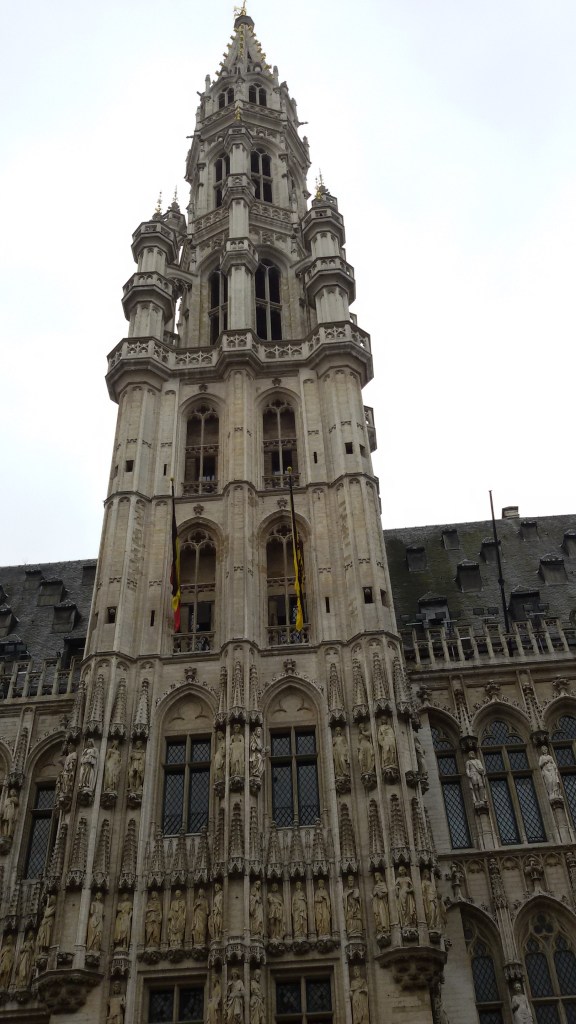
Very often it is called the World’s most beautiful square. It is located in the central part of Brussels. The square started here in the 13th century. Initially 3 markets were functioning here. In the 14th century, it was decided to have buildings around. By the end of the 14th century, the dimensions were defined and it was paved with tiles. Most of it was destroyed in 1695 in the Nine year war by the French troops. The buildings surrounding the place were rebuilt subsequently. The 96 mt high tower of the city hall survived the war.

At the center of the Grand Place is the city hall surrounded by the guild halls along the sides of the square. The Gothic and Baroque architecture of these buildings is very striking. The city hall with its impressive tower and the present Brussels city museum are the more striking of the buildings.

Like in most European cities, the square is the main meeting place and a venue for many performances. Every second year, the Grand Place gets a beautiful flower carpet in August that makes it even more beautiful! Christmas and New Year celebrations here attract a lot of locals and tourists.

Some pictures…

The Grand Place

Preparations for the evening fun!

The impressive city hall tower

The Brussels city Museum

A stage being set up for a performance

A file photo of the famous flower carpet at Grand Place

Mannekin Pis( “pissing little boy ” in dutch)

Another land mark close to the Grand Place is the Mannekin Pis; a fountain where there is a bronze figure of a naked little boy urinating into the fountain bowl.

It is supposed to depict folk humour in Belgium!

The Mannekin Pis

Chocolates

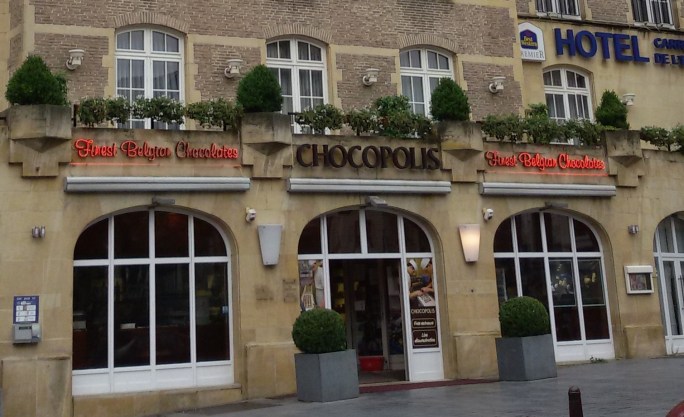
I don’t have to tell any of you how delicious Belgian chocolates are! The streets are lined with Chocolate shops of various sizes and one can taste the chocolates and purchase as per one’s wish. The smell from these gourmet shops wafts in the air!

One of the many chocolate shops that line the streets

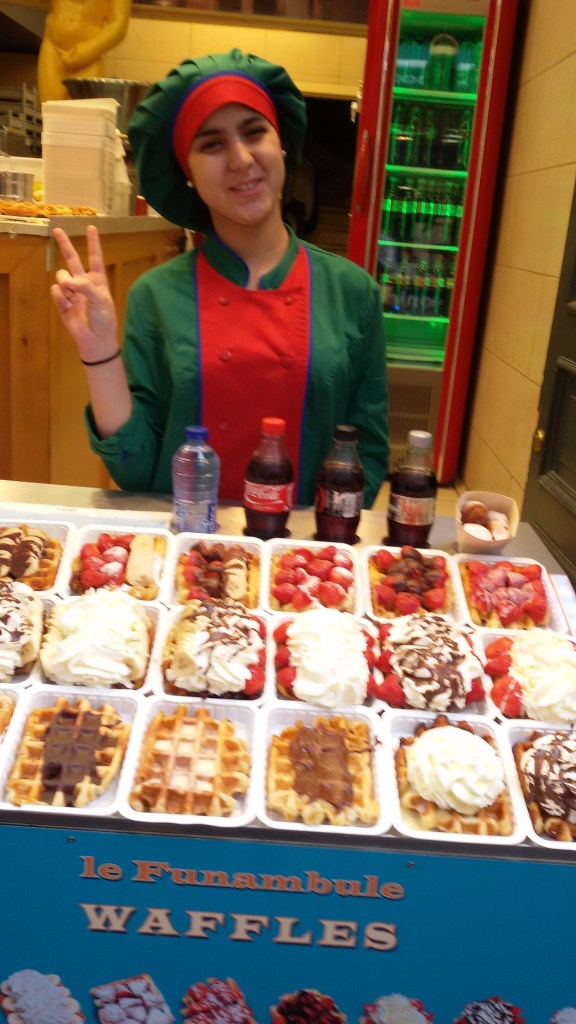
Waffles….the other delicacy that Belgium is famous for. There are lots of Waffle shops along the streets and we did try out some delicious waffles.

Mouth watering Waffles

After a rather short and crisp visit to Brussels, our tour was on its way to Netherlands.

Before I go, let me leave you with this sweet image of the colourful Waffle girl and her wares!!

The sweet waffle girl!!

See you next week in the Netherlands where we spent a couple of days. Till then, keep your comments flowing in and do subscribe below..

Feedbacks are welcome!!

Paris 2

Continuing our virtual tour of Paris, let me take you to another iconic place in Paris….The Louvre Museum….

Louvre Museum

Located in a huge palace that was once home to the kings of France, The Louvre Museum displays thousands of artworks, many of which are masterpieces. The Louvre Palace occupies a vast expanse of land on the banks of the Seine River. The museum started functioning in the palace as early as 1793. The museum does not occupy the entire palace; part of it being occupied by allied offices. The present day Louvre Palace is a complex of wings and pavilions , many of which have been subjected to various phases of modification, destruction and reconstruction.

It is impossible to cover the entire museum and so, it is better to focus on a particular gallery of one’s choice such as Classical Sculpture, Renaissance art,17th century French paintings, Egyptian antiquities and so on…

The most famous and popular exhibit is of course the Mona Lisa painted by Leonardo da Vinci between 1503 and 1505.

To get the most out of a visit to the Louvre, one can join the guided tours available where the guide who is also a historian provides commentary on the masterpieces.

Another peculiarity of this museum is that though it owns more than 6 lakh exhibits, only around 35 thousand are physically displayed and the rest can be viewed online.

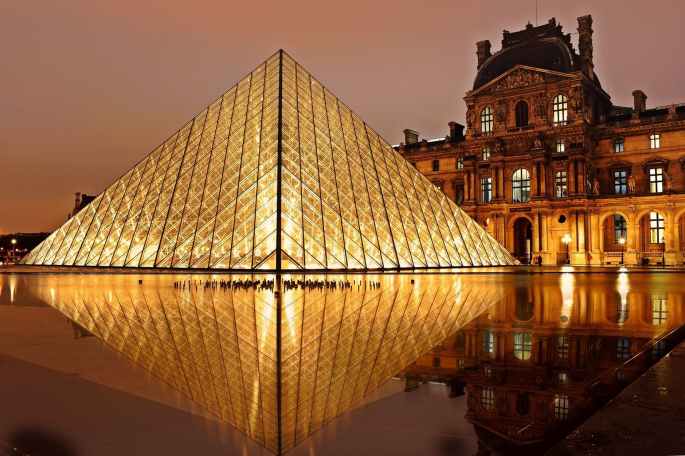
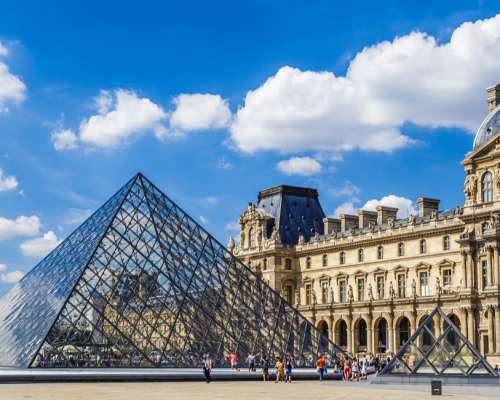
Entry to the museum in the courtyard of the palace is through the Glass Pyramid…another structure that has grown to be emblematic of Paris. This iconic structure was built in 1983 and has provided a modernist appearance.

Some pictures from Louvre….

The Louvre Museum and Pyramid

A closeup of the glass pyramid

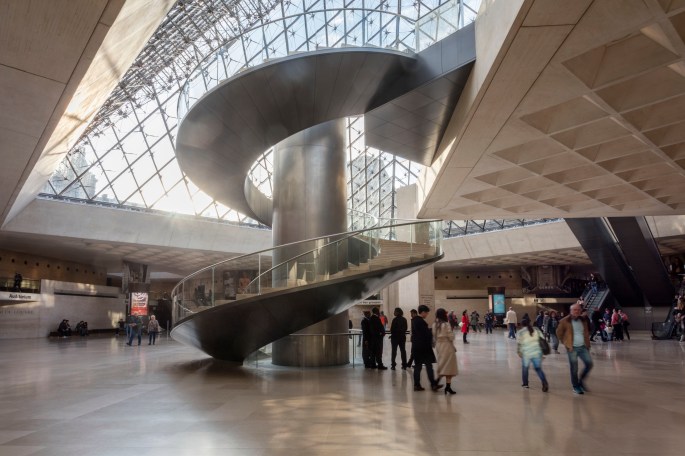
The stairway leading to the inside of the pyramid underground

Inside the Louvre Museum

One of the beautiful ceilings inside the Museum

Some of the displayed artworks

Some pictures of famous exhibits at the Louvre :

The Mona Lisa….the most famous of the lot

The Winged Victory of Samothrace (Greek Sculpture)

Venus de Milo depicting Aphrodite the Greek Goddess of Love

After this treat of artwork, we visited the Opera House…

Palais Garnier Opera House

Another important sight was the Palais Garnier Opera house commissioned by Napoleon. Built with ornate exteriors, this building in baroque style appears very impressive. It hosts variety of events like ballets, classical music concerts and other gala events. It also houses a museum dedicated to opera.

Palais Garnier Opera House

The Notre Dam Cathedral

An impressive monument of Gothic architecture, it has ornately designed exteriors. The stained-glass windows are also very beautiful. A fire in 2019 caused extensive damage to this architectural wonder.

The Notre Dam Cathedral

After a lot of history and architecture, we decided to visit Disneyland for some kiddish fun!

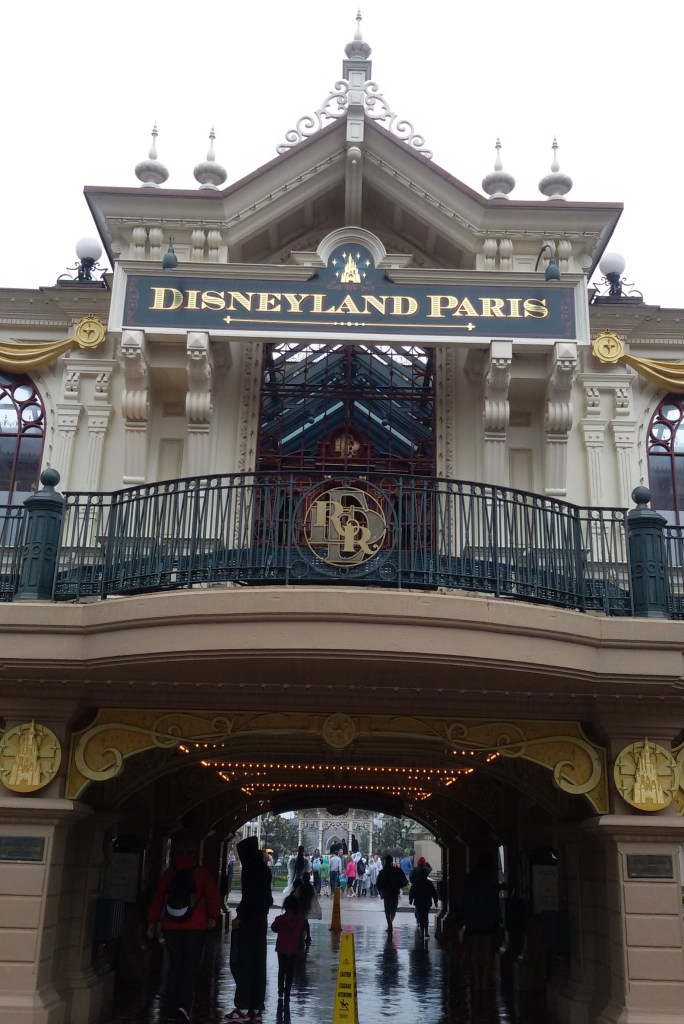
Disneyland Paris

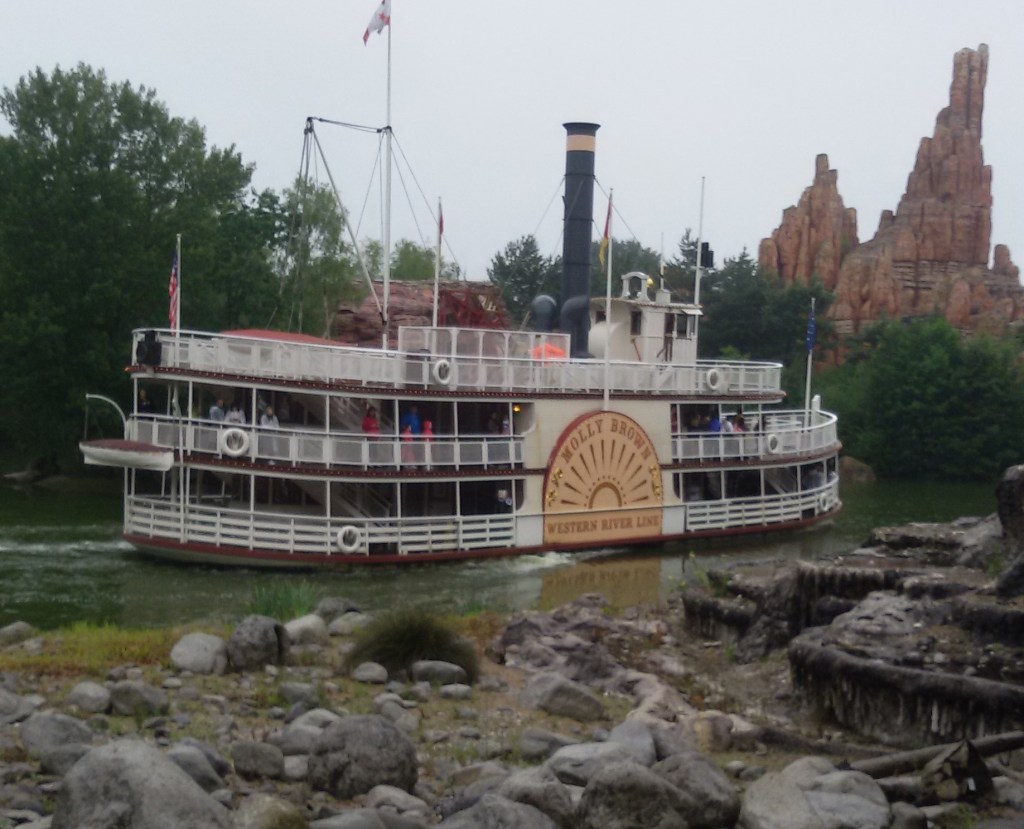
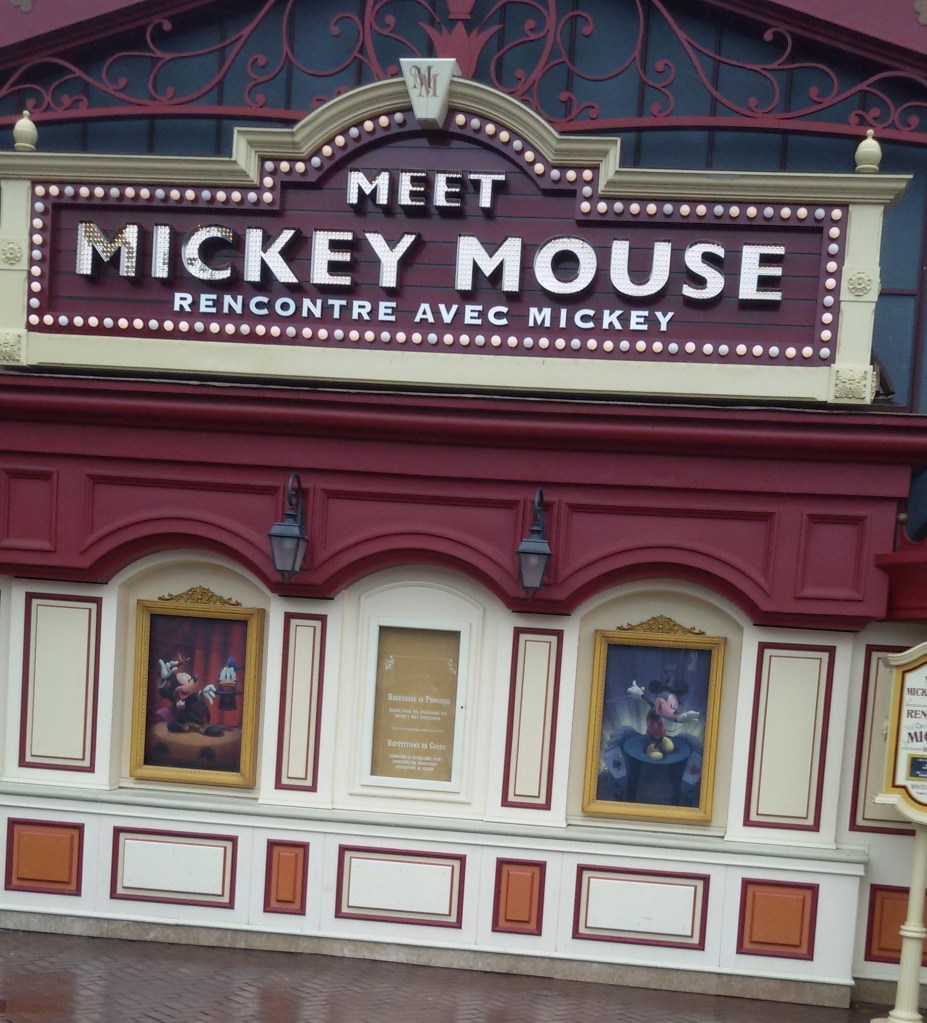
Located around 30 km away from Paris, this entertainment resort houses theme parks, resort hotels, a shopping complex, and a golf course! The layout of this park has been designed on the lines of the parks in California and Florida. It is dedicated to fairy tales and Disney characters.

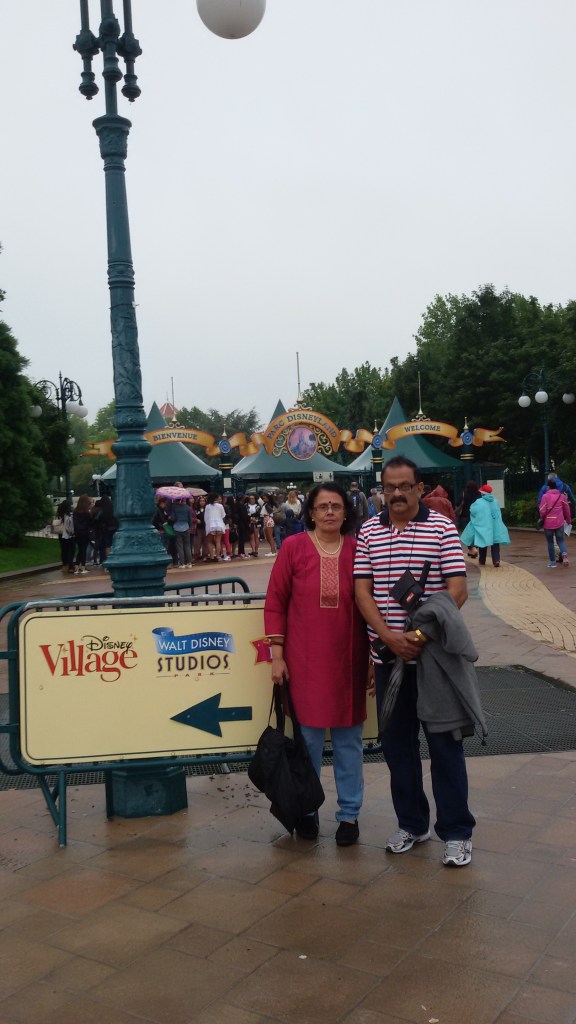
Though the rain played spoilsport that day, we did manage a pretty decent visit there…some pictures…

After a fun filled day at Disneyland(partly spoilt by the rain) we headed back to the hotel . The next city on the itinerary was Brussels….a short and sweet visit enjoying some waffles….see you next week with the pretty waffle lady….

Till then, do keep your comments coming and do subscribe below,

Feedback invited!

Paris 1

Travelling to Paris

Continuing from where we stopped off last week….Dover

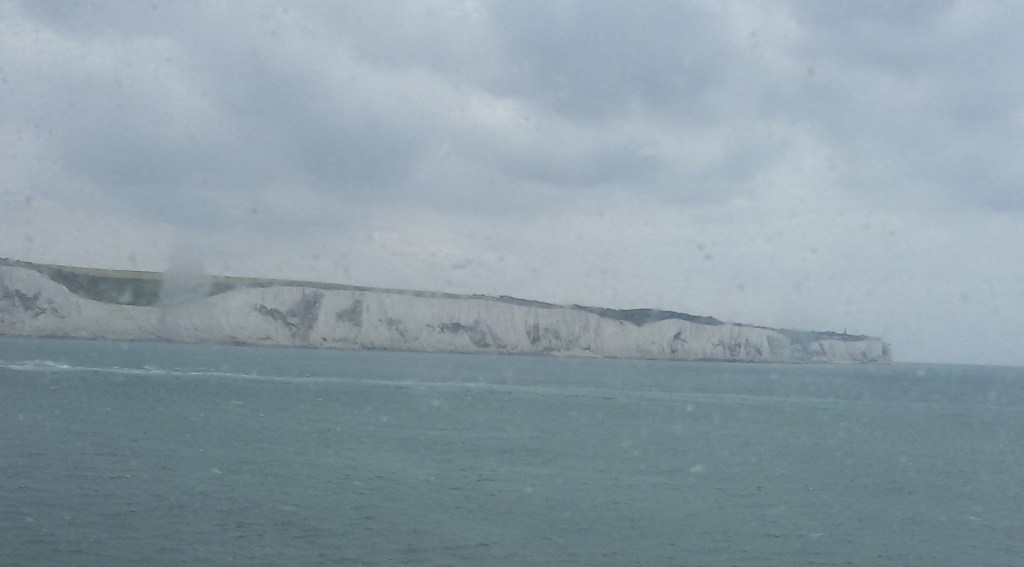
We travelled to Paris by a ferry crossing the English Channel. At Dover, our tour bus drove on to the lower deck of the P&O ferry and parked there. We alighted and climbed up to the upper deck of the ferry. As the ferry left the shores of Dover, we could see the white cliffs of Dover at a distance.

The cliffs as seen while crossing the English Channel

On board the ferry crossing English Channel

We arrived at Calais , the port on the French side of the English Channel. At Calais, we boarded the bus back and were driven to our hotel in Paris.

One of the first sights that welcomed us at France was not such a pleasant one. The dark side behind all the glamour and pomp was obvious!. Potential immigrants to UK desperately trying to get into any vehicle crossing over. I understand this is a common phenomenon and leads to even loss of life sometimes. The desperation to get across the border, lands some of these people in difficulties. We do read off and on about the calamities that befall some of them!!

After some time to check in and freshen up, we boarded our bus again for dinner at a restaurant followed by a visit to the Eiffel Tower to see the lighting up of the tower.

Lighting up of Eiffel Tower

As soon as it gets dark, the Eiffel Tower’s golden lighting switches on automatically thanks to sensors. In addition to the structural lighting, a beacon also comes on.

In addition to this the sparkles come on for 5 mins at the beginning of each hour till 1 am.

The lit up Eiffel Tower (the rain water added a reflection too!!)

The Sparkles and the beacon!!

Since we are at Eiffel Tower, let me take you through some day-time views of the tower. (We actually did this the next day as part of the city tour)

The Eiffel Tower

The Eiffel Tower is the most visited tourist attraction in the world!

It was designed by Gustave Eiffel for the Paris Expo in 1889 which marked the centenary of the French Revolution. The Eiffel Tower was created as an entrance for the expo.

There is an interesting anecdote about the survival of this tower. It was initially dismissed as a monstrosity when first unveiled ,as the artist community, felt that it would destroy the beauty of Paris. But Gustave insisted that he would build it in two years and he actually managed to do it. When the lifts were not ready, it is said that he climbed it manually and hoisted the French flag. Such was his determination.He was allowed to retain the tower for twenty years to enable him to recover his costs. The understanding was that after that time it would be brought down. Eiffel thought of a clever plan and installed radio antennae on the tower. Once the antennae were regularly sending signals, the anti tower lobby relented and the rest is history…..

Now ,this very same tower has become emblematic of Paris

The tower is made of sturdy iron rods weighing more than 10,000 tons. On arrival at the base, the sight of the four massive pillars is awe inspiring. These legs of the tower house various facilities like ticket counters and lifts and a wide road passes between the pillars. Inside one of the pillars is an old steam lift preserved for posterity!

The base of the tower with massive pillars

The Eiffel Tower

An elevator ride (or 360 steps to climb for the brave ones) leads to the first level at 57 mts height. This level has a gift shop, cafeteria, washrooms and an outdoor viewing terrace.

View from first level

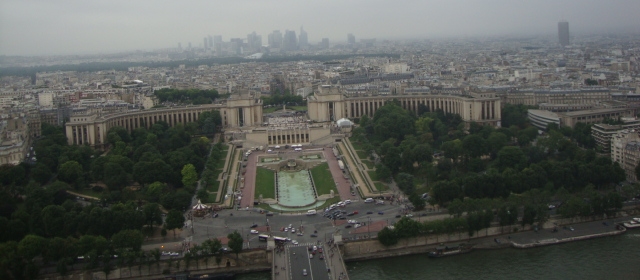
View of River Seine from the first level of Eiffel Tower

Another elevator ride takes one to the second level at 125 mt. This level has similar amenities as the first level and offers views of many important landmarks in Paris. The balcony is covered with glass to prevent suicides and accidents.

View from second level of tower

At the second level of The Eiffel Tower

The next view is from the final level of 276 m. which can again be reached by an elevator.

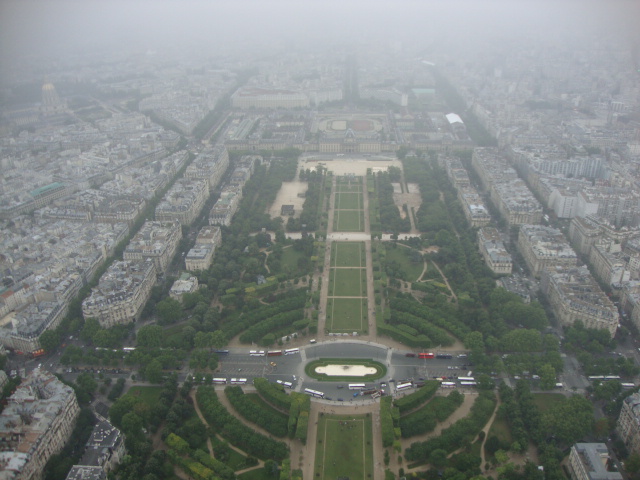
View of the Les Invalides ( shrine where Napoleon’s tomb is located) from last level

After a detailed visit to the Eiffel Tower, we were on the Champs-Elysees.

Champs Elysees

Champs-Elysees is the most monumental boulevard in Paris. 1.9 km long and 70 mts wide; it was once a desolate marshland. After the 17th century, the place was gradually developed with elegant buildings bordering the boulevard.

Broadly divided into two parts by the Rond-Point intersection; the lower part has the Place de la Concorde ( Concord square) and the Petit Palais. The upper part extends up to the Arc de Triumph and is lined by luxury shops, hotels, cafes, cinemas and theatres. It is a popular meeting point for Parisians.

Though the place has an upscale aura about it, there are more affordable stores and restaurants too.

The Champs Elysees with the Arc de Triumph at one end

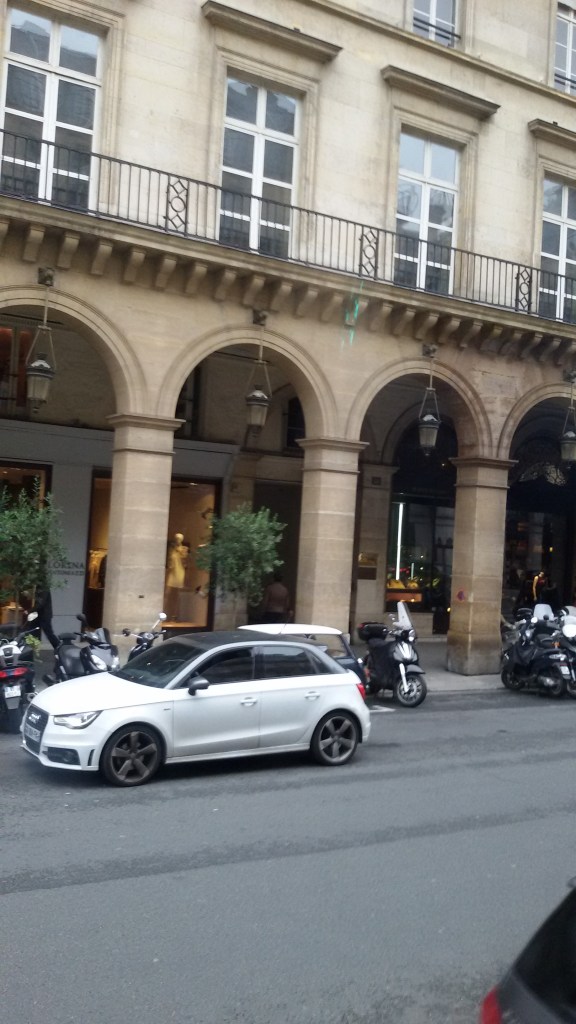
Typical buildings lining the Champs Elysees with high end shops

Arc de Triumph

This arc is dedicated to the soldiers who fought in the French armies of the Revolution. It was commissioned by Napoleon in 1806 and completed in 1836. This 50 mt high arch features bas-reliefs with larger than life size figures which depict the glorious return of the French armies.

At the foot of the arch is the tomb of the unknown soldier. The Flame of Remembrance is kindled here every evening at the tomb.

At the Arc De Triumph

The Tomb of the unknown Soldier and the Flame of Remembrance

Place de la Concorde (Concorde square)

This octagonal square was the heart of 18th century Paris. It was the scene of several historical events including the execution of Louis XVI and Mary Antoinette. It was also part of Napoleon’s triumphal route.

It is one of the most attractive squares in the city and offers great views of many Paris landmarks. The center has an Egyptian obelisk and has beautiful fountains.

It is a busy intersection too with heavy traffic.

The Concorde place with the obelisk and a fountain

A typical building surrounding the Concorde square

I must mention here that as we were driven around Paris, I was surprised to find walls defaced at many places with graffiti. We do not hear about these things and the actual sights can be an eye opener. Our guide also warned us to be careful with our bags and wallets at all points of time. So there is a dark side to this place. Perhaps our colonial mindset makes us think that the grass is all green across the oceans. But that is not true…a dark underbelly is very much a reality!!

See you next week with more pictures from various locations in Paris. Till then , keep your comments going and subscribe below

Feedbacks welcome!

London 2

Continuing my series from London , today we visit few more important locations…take a look….

Wembley Stadium

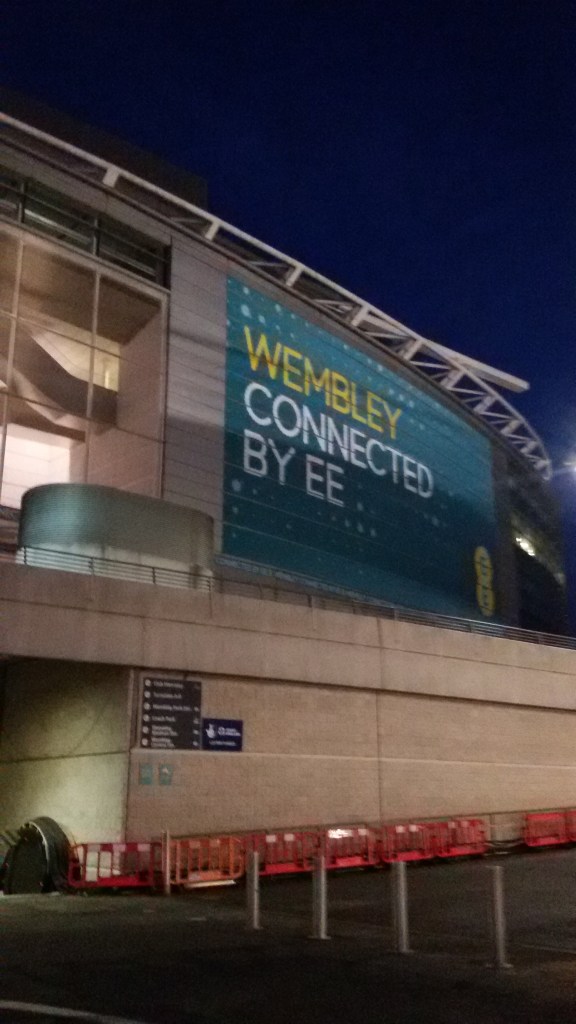
This “Home Of Football” was opened in 2007 and hosts major football matches including home matches of the England national football team. With 90,000 seats, it is the largest stadium in UK and second largest in Europe. It has a circumference of 1 km. It is owned by the English Football Association.

Its signature feature is the Wembley Arch , which , apart from adding aesthetic value also supports major part of the weight of the roof.

It played a major part in the 2012 summer olympics in London hosting many of the matches.

Wembley Stadium

Wembley Stadium by night

Tower Bridge

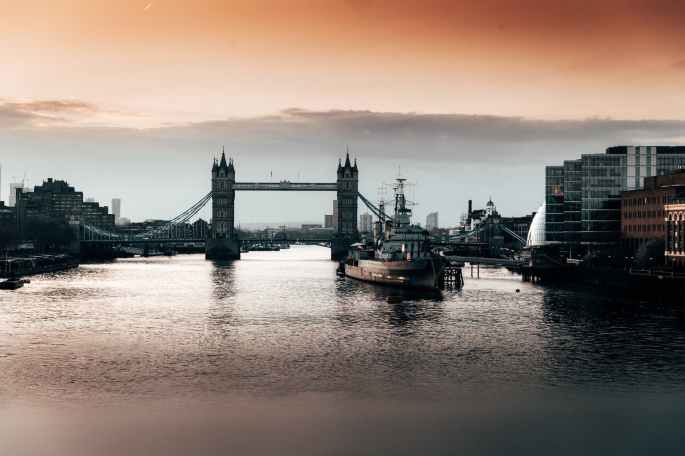
Tower Bridge is an iconic landmark of the London built across the Thames river. The Neo-Gothic architecture and the lifting central sections make it special. It was built to give better access to East end of London which had expanded its commercial potential in the 19th century. It was built between 1886 and 1894.

This 240 m long bridge has two towers , one on either end connected at the upper level by horizontal walkways. The central bascule can open to allow shipping .The bridge deck is accessible to both vehicles and pedestrians whereas the towers, upper walkways and engine rooms form part of an exhibition.

The Tower Bridge

Driving under the arches of the Tower Bridge

The lower portion opens to allow shipping

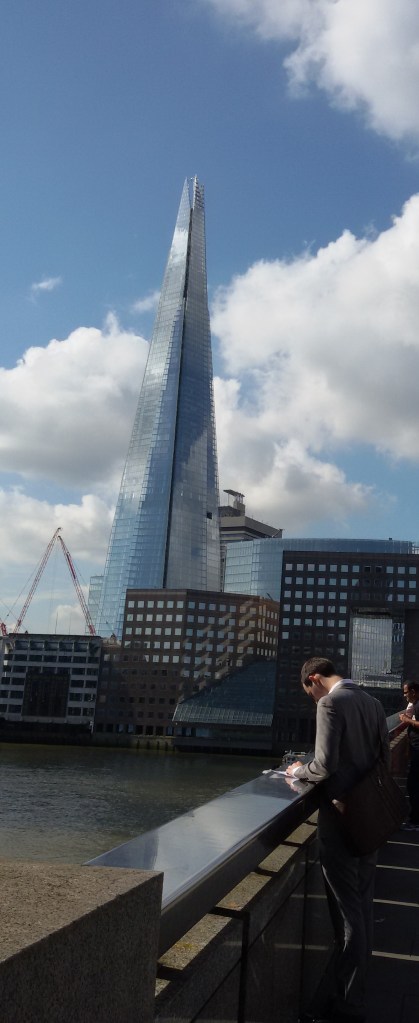
The Shard

The tallest building in UK, the Shard is a 72 floor skyscraper also referred to as the Shard of glass. It is a glass clad pyramidal structure with a viewing gallery and observation deck called The View from the Shard.

It houses a 26 floor office complex, 3 restaurants, 10 residential apartments and the viewing gallery.

The Shard

Thames River

Just like the Tower Bridge, pictures of London are incomplete without the Thames River. Flowing through most of London ,it is 346 km long and is the main source of water to London city. It is also used for navigation purposes.

Around 50 years ago , this river was highly polluted and declared biologically dead. But there has been a turn around and is now one of the cleanest rivers. The installation of oxygenators or bubblers to increase the dissolved oxygen levels has been a turning point in this river’s history.

The Thames river

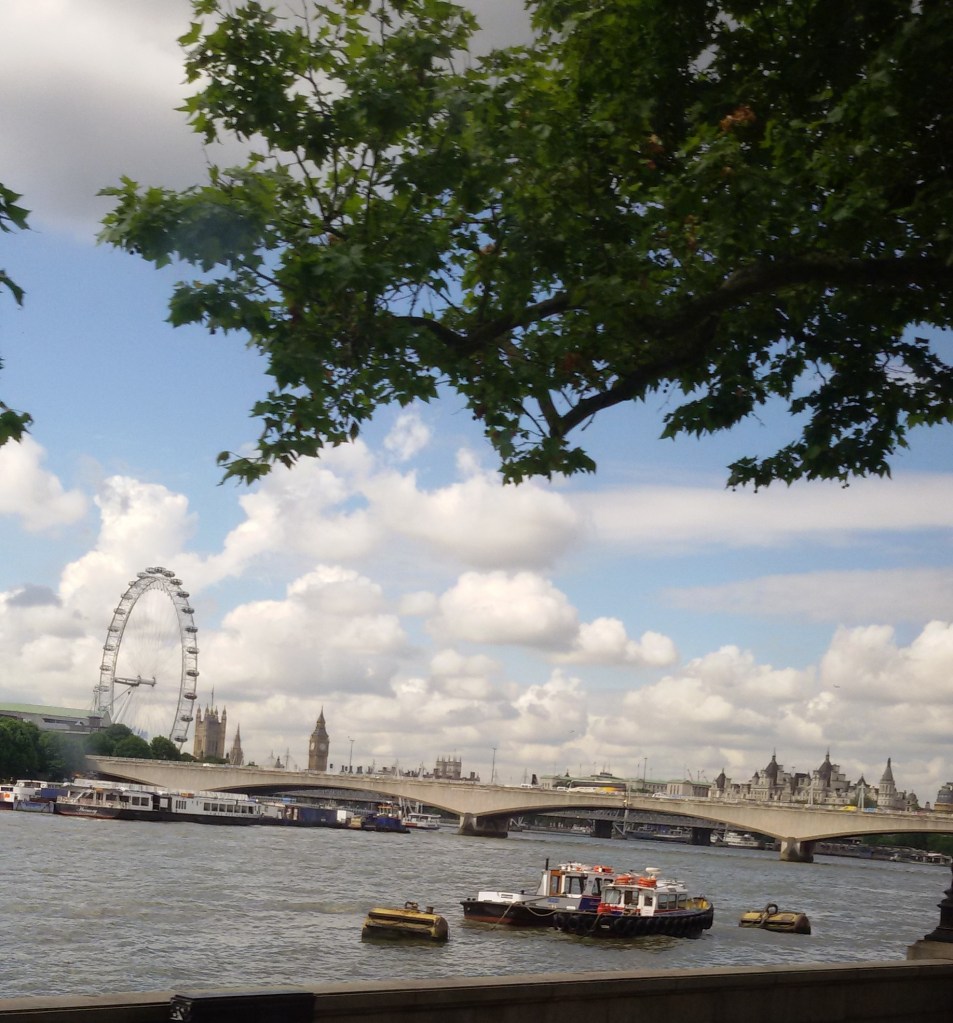
Waterloo Bridge

This is a road and foot traffic bridge across the Thames and commemorates the victory of the British in the Battle of Waterloo. Due to its strategic location, it provides great views of the London Eye, Big Ben and Westminster.

Waterloo Bridge with the London eye , Big Ben and Westminster in the background.

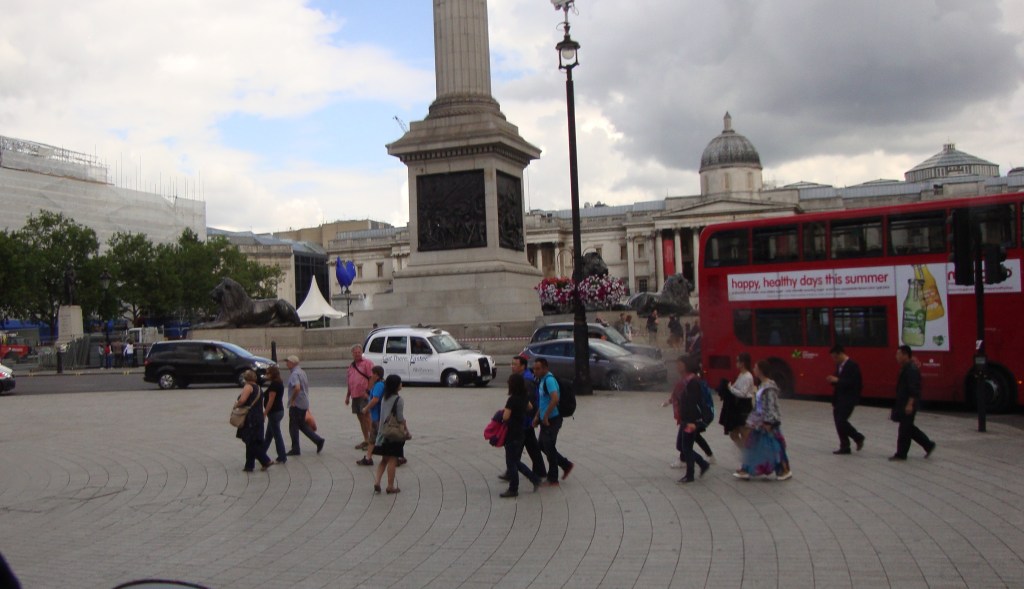
Trafalgar Square

A public square, Trafalgar square commemorates the victory of Britain in the Battle of Trafalgar. The square is lined by iconic buildings like the National Gallery and has multiple sculptures and a central high column. On top of the column is the statue of Admiral Nelson who led the battle of Trafalgar. The area is called Charing Cross.

The square is the location for many gatherings and political demonstrations. New Year’s eve celebrations are also popular here.

Trafalgar Square

The Trafalgar Square column with Admiral Nelson’s statue on top

The National Gallery at Trafalgar Square

St Paul’s Cathedral

One of the most famous and recognizable sights of London, is a working church with hourly prayer and services. Located at the highest point in the city of London, is the seat of the Bishop of London. It has a magnificent dome which is one of the biggest in the world. It has been hosting many important ceremonies of the royalty and notably was the venue of Princess Diana’s wedding.

The original cathedral was destroyed in a fire and what we see today is a rebuilt cathedral.

St Paul’s Cathedral

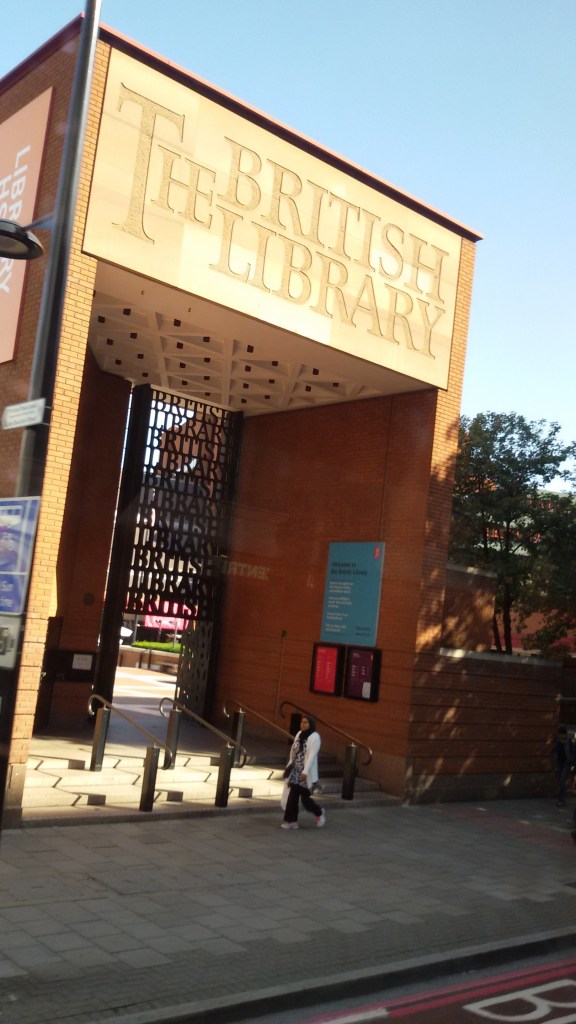
The British Library

The national library of the United Kingdom, it is one of the largest libraries in the world.

The entrance to the library

Lord’s

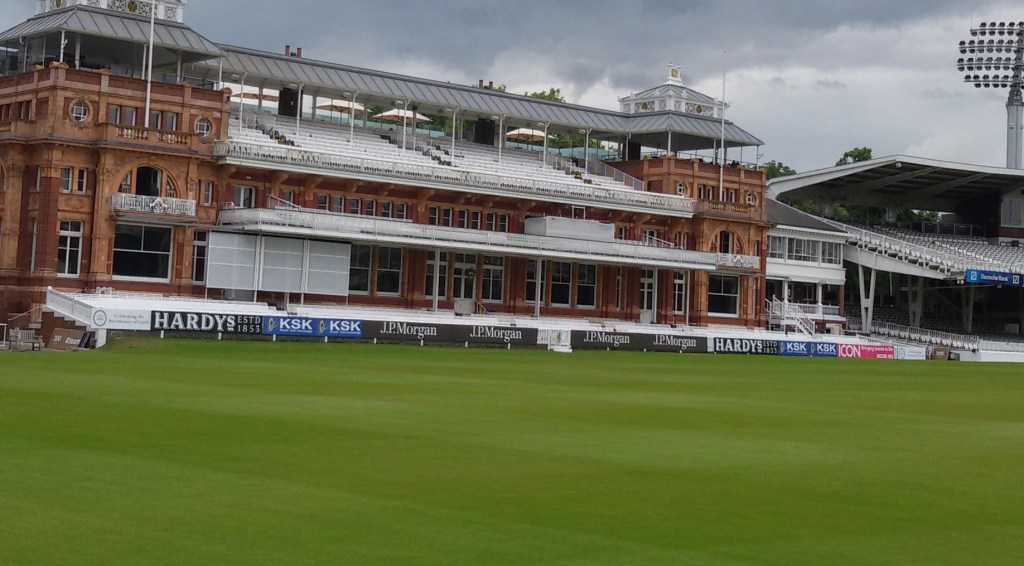
Lord’s cricket ground, called Lord’s in short is referred to as the Home of Cricket and houses the world’s oldest sporting museum. Named after its founder Thomas Lord, it hosts various cricket matches. When we visited, it was the 200 years of Lord’s . Some pictures…

200 years of Lord’s

Entrance

At Lord’s

The Lord’s Pavilion

Madame Tussauds Wax Museum

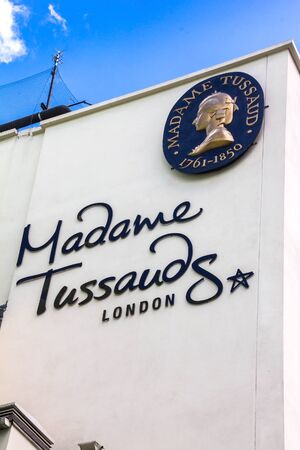
Founded by the sculptor Marie Tussaud in 1835, the wax museum in London is bigger than many others world wide. It displays wax figures of popular personalities. Some pictures…

The royal family

With Sachin

Natural History Museum

A treasure house of exhibits from various ages, a visit to this museum is a very educative experience. It has one of the largest collection of exhibits ; some of which belonged to Charles Darwin. Its exhibits are displayed in various sections like life, earth, wild life gallery etc. Fossils of dinosaurs, virtual reality shows and experiences of geothermal phenomenon are some of the unique sections. A huge blue whale skeleton takes center stage here. Some pictures..

The Natural History Museum

A blue whale skeleton…an exhibit at the museum

After a long but entertaining day of hip hopping through London, we returned to the hotel. Our next destination was Paris.

We travelled to Paris on a P&O ferry crossing the English Channel. The ferry leaves from Dover on the England side to Calais on the French side.

Our tour bus took us to Dover passing some beautiful English countryside on the way.

Typical English countryside

At Dover we also saw the famous white cliffs of Dover.

The White cliffs of Dover

Around seventy million years ago this part of Britain was submerged by a shallow sea. The chalky skeletal remains of a type of alga were deposited on the sea floor and these subsequently became the white cliffs as we see it today.

For ancient mariners, these white cliffs signalled their arrival at UK while crossing the English Channel.

The White cliffs of Dover….

At Dover, we boarded the ferry to Calais…see you next week at France…

Well friends, this is my blog number

Let me take this opportunity to thank every one of you who have been encouraging and motivating me in this journey of documenting my travels.

From this episode, I am adding a feedback form where you are free to give me your feedback

← Back

Thank you for your response. ✨

Please rate our website(required)

For those of you who feel like subscribing….here’s the button below

London 1

Starting my series on Europe from London. For this Europe tour, we were part of a tour group unlike my earlier tours.

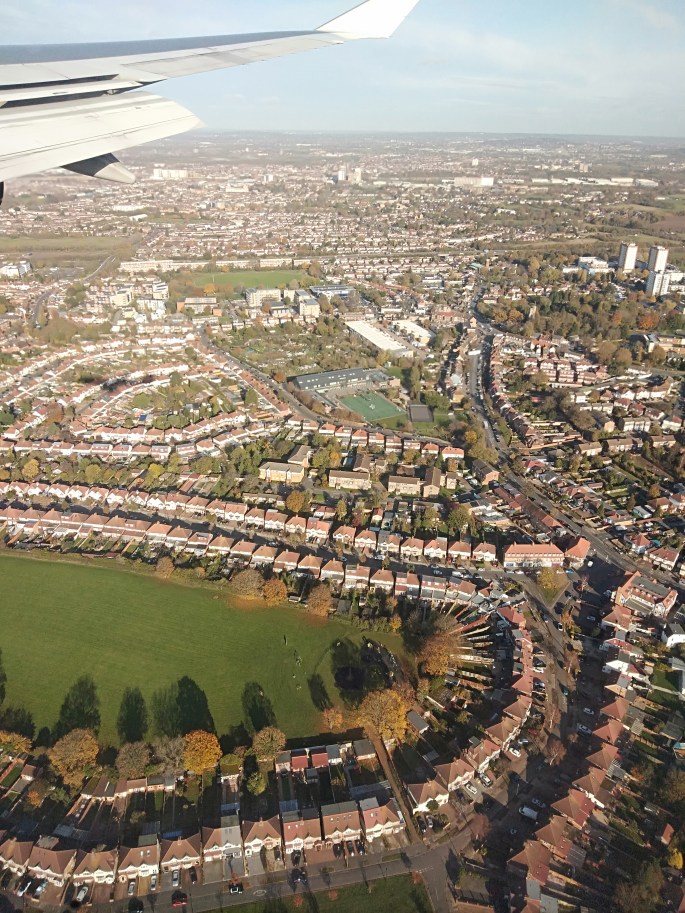
It was a bright and sunny day in London and as we were landing at London, I got a real bird’s eye view of the city. The Big Ben, Westminster Palace ,Thames River, London eye and various bridges across the Thames were clearly seen…take a look..

Bird’s eye view of London

Beauty in uniformity….beautiful rows of houses as we approach to land

After a late evening check in at the hotel at Wembley, we started our tour of the city next morning. That was not a bright and sunny day as you will realise from some of the pictures!

Some of the important locations we visited….

The Big Ben :

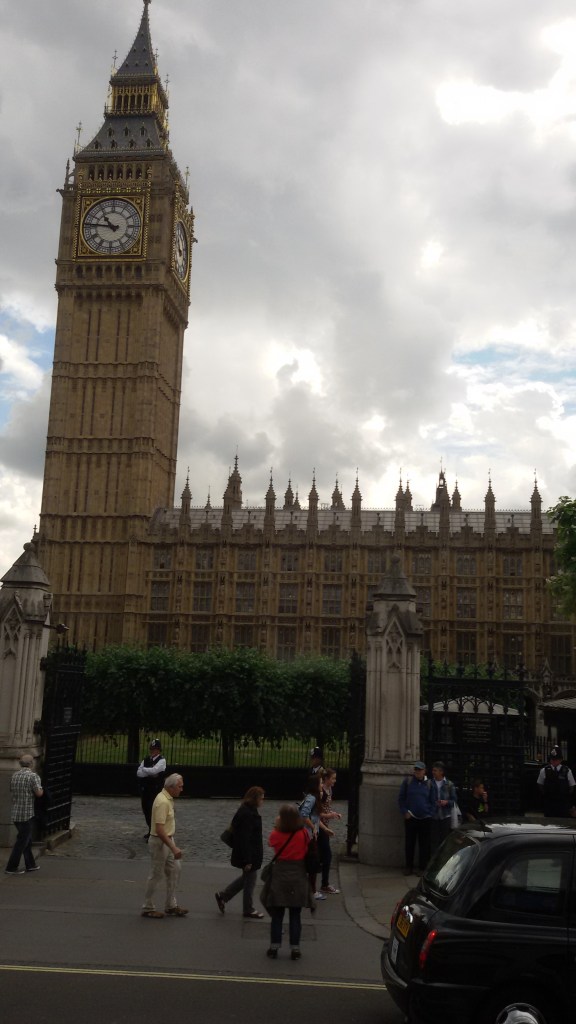
The Big Ben is the nickname of a huge bell that hangs in the clock tower at the north end of the Houses of Parliament in Westminster. By extension, the clock and clock tower are also referred to as The Big Ben. The main clock chimes every hour and the quarter bells chime every quarter hour. (The clock used to chime every hour but since 2017, this has been restricted as some restoration work is on). The clock tower in which the bell is located is called Elizabeth Tower and is an UNESCO World Heritage Site. The tower is 96 mt tall and there are 334 steps to the belfry. A special light above the clock faces is illuminated when the parliament is in session.

The tower is a British cultural icon and is often used as a symbol of UK. It boasts a Gothic Revival style of architecture. All four nations of the UK (England, Scotland, Ireland and Wales) are represented on the tower. The construction was completed in 1859.

The Big Ben

The British Houses of Parliament :(Westminster Palace)

The featured image of this blog is of the Westminster Palace.

The Palace Of Westminster serves as the meeting place for the House of Commons and House of Lords….the two houses of Parliament of the UK. The palace is located at Westminster on the banks of the Thames River in central London. It is the center of political life in the UK and is often referred to as Westminster.The clock tower and Big Ben are part of this palace.

When it was initially built in the 11th century, it served as the primary residence of the King of England but was destroyed in a fire. The construction of the present palace started in 1840 and continued for almost 30 years with delays and cost overruns. Following the second world war,( when the palace was hit by bombs on several occassions), extensive repairs have been carried out.

Casual access to the parliament is restricted and requires prior permission and tickets from an MP.

The Palace of Westminster on the banks of the Thames with the Big Ben at one end

Buckingham Palace :

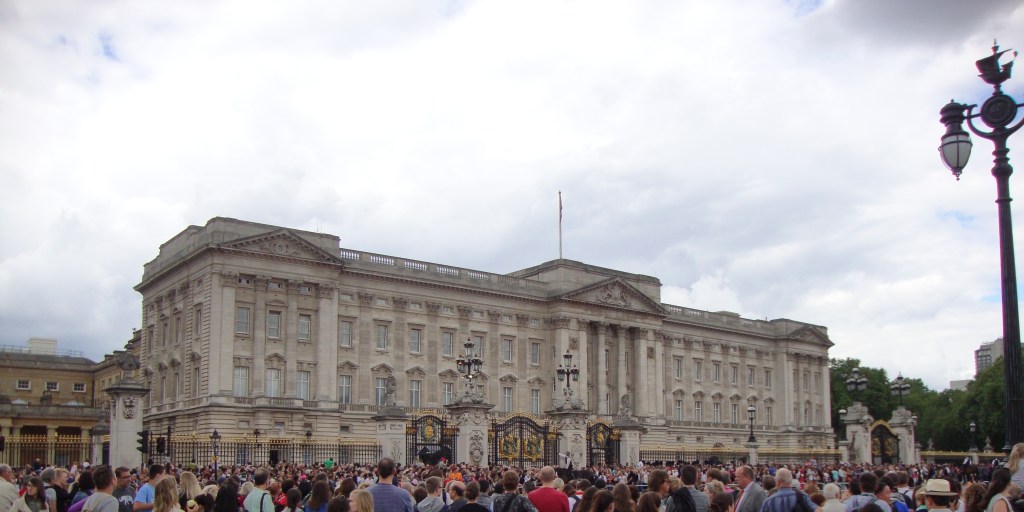
It is a Royal residence and seat of administration of the monarchs of the UK and located in the city of Westminster. It is often the center of state occasions and royal hospitality. It is the focal point of the British for occasions of rejoicing and mourning.

Originally known as Buckingham House, the building at the core of today’s palace was a large town house. It was expanded by three wings around a central courtyard in the 19th century and became the London residence of Queen Victoria in 1837 and was called Buckingham Palace. The palace has 775 rooms and a large private garden. The state rooms which are used for official entertaining are open to the public each year in August and September.

When paying state visits to Britain, foreign heads of state are often entertained by the Queen at the Buckingham Palace.

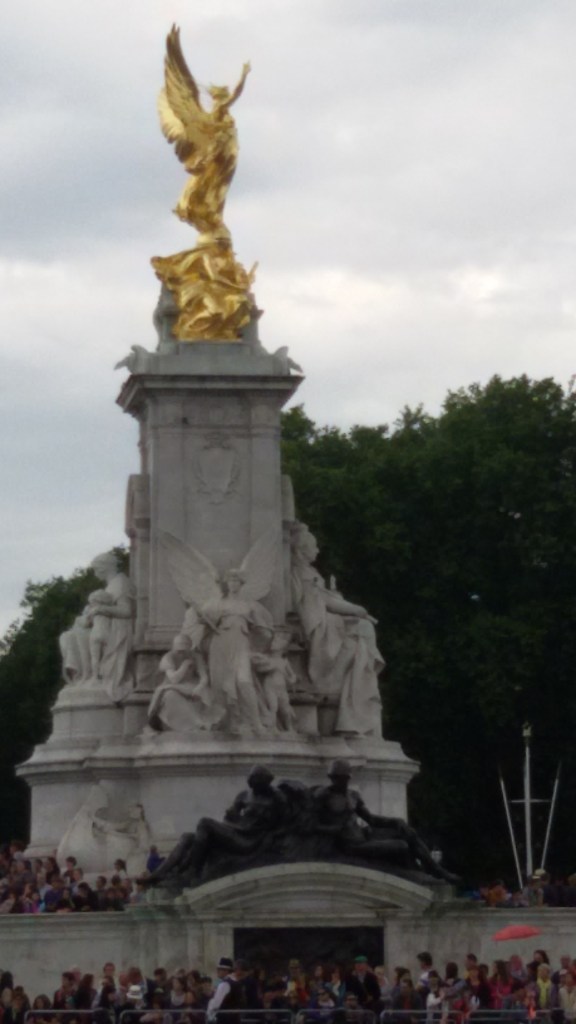
The palace has ornate gates in black and golden colour and is adorned at the entrance by the iconic Queen Victoria Memorial.

The Buckingham Palace

Queen Victoria Memorial at the Palace entrance

Change of Guards ceremony :

This is a formal ceremony in which a group of soldiers hands over the duties to another set of soldiers. This ceremonial parade of sorts spans the Buckingham Palace, the St James’s palace and the Wellington Barracks.

During the ceremony, the Royal guards come from outside and enter the palace. An exchange of flags takes place. There is an accompanying band and mounted soldiers too.

The public can line up along the roads here and watch the soldiers march by and also see the hand over and take over ceremonies. Some pictures from the change of guards ceremony

The Change Of Guards ceremony

Westminster Abbey :

It is one of the United Kingdom’s most remarkable religious centers and the traditional place of coronation and burial for the British monarchs. Situated just next to Westminster palace, it has been the venue for some of the royal weddings too.

The Westminster Abbey

The London Eye :

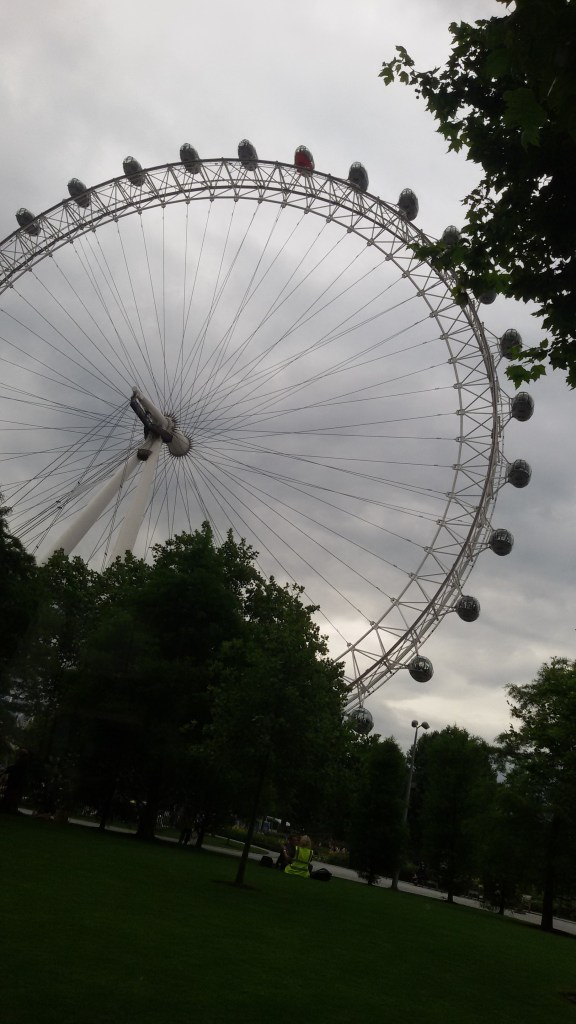
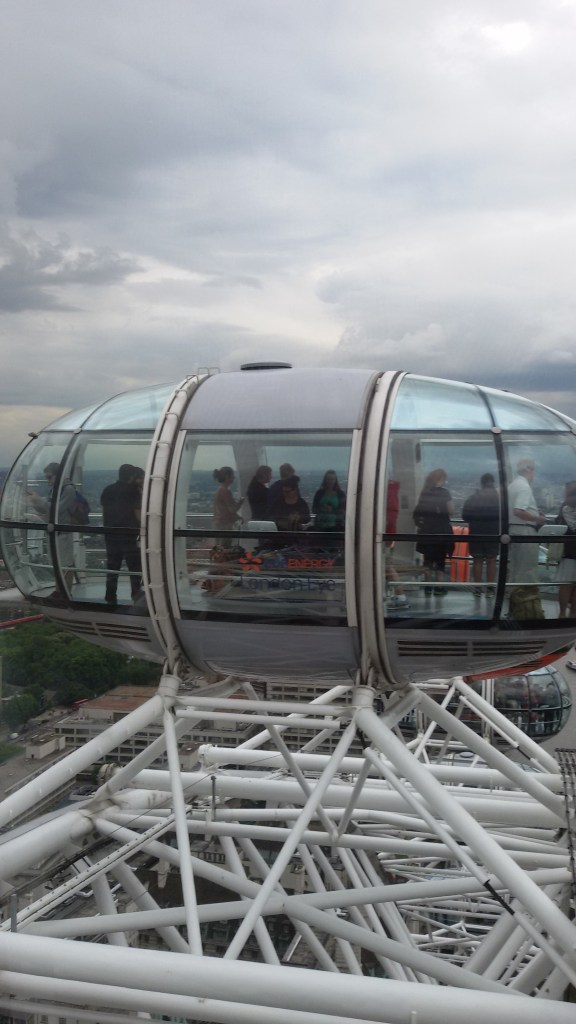
Also called the Millennium Wheel, this observation wheel is located on the banks of the Thames river. When it opened in the year 2000, it was the world’s tallest Ferris wheel. Subsequently it was over taken by many others. It has 32 ovoid and airconditioned passenger capsules. It does not normally stop for passengers to alight or board. The speed is slow enough for passengers to walk on and off it. The slow speed also helps easy photography.

It provides breathtaking views of the city. Some pictures…

The London Eye

One of the capsules

Entrance to the capsule

Inside the capsule with the Palace of Westminster in the backdrop

View of London city with the Thames and its bridges from the capsule

This is my first episode on London city. Next week we continue with more sights from the city tour. Till then, do comment and subscribe below

Wai-O-Tapu

Wai-O-Tapu is an active geothermal area in New Zealand’s Taupo Volcanic zone located just 27 km south of Rotorua. Chemical reactions due to various gases and chemicals create very dynamic and colourful sights for the tourists to enjoy.

Due to dramatic geothermal conditions beneath the earth, the area has many hot springs noted for their colourful appearance, the Lady Knox geyser, the Champagne Pool, Artist’s Pallette and boiling mud pools. It covers an area of 18 square kilometres and is protected as a geothermal scenic reserve. Wai-o-Tapu in Maori means “sacred waters”.

A part of the scenic reserve now operates as Wai-O-Tapu Thermal Wonderland which is where the tourists can see these geothermal wonders. It is a volcanic zone but the eruptions do not spew molten lava but are gaseous expulsions from vents and colourful geothermal pools. The distinct smell of sulphur similar to rotting eggs is all pervading here.

Highlights of Wai-O-Tapu:

The Champagne Pool:

A pool in a 65m diameter crater is one of the most iconic photo spots here. The abundance of carbon dioxide much like in a bubbling champagne glass is what has inspired this name. The high sulphur content combining with ferrous salts in water cause the distinct orange sulphur deposit along the border of this pool.

The water in the pool keeps an average temperature of 73 deg C and is at 260 deg C when it enters the pool. So it can be dangerous to get too close or touch these waters!

The Champagne Pool

The Devil’s Bath :

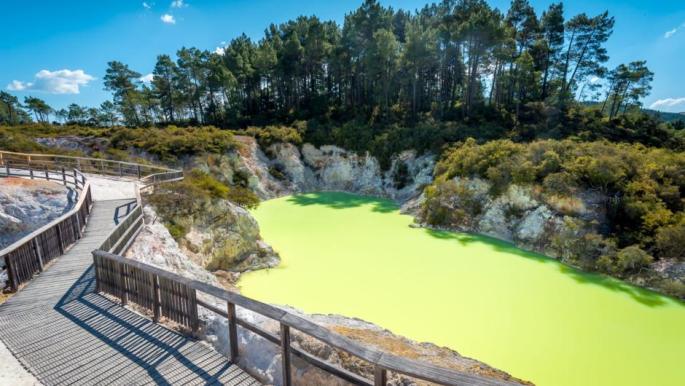
A large ruggedly edged crater created by an eruption deep underground is filled with water of amazing iridescent lime colour. The colour is the result of excess water from the Champagne pool mixing with sulphur and ferrous salts. Changes in colour through yellow to green are associated with the amount of reflected light and cloud cover.

The Devil’s Bath

Lady Knox Geyser :

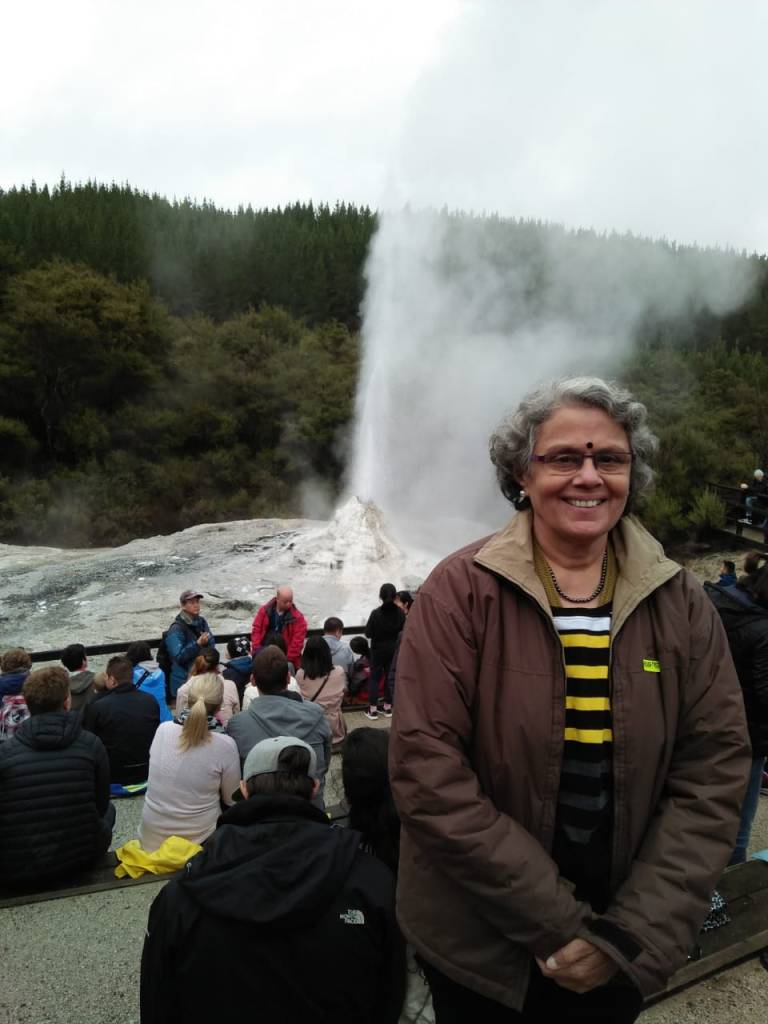
Wai-0-Tapu has several active geysers but the most famous one is the Lady Knox geyser. It can erupt for over 20 mts high. This geyser is forced to erupt daily at a specific time by a park ranger. If this is not done, it will naturally erupt every 24 to 48 hours at sporadic time intervals. Spectators can view this geyser erupting and is definetly one of the highlights of this park.

At Lady Knox Geyser

Video of the Geyser eruption….click on video

The Mud Pools :

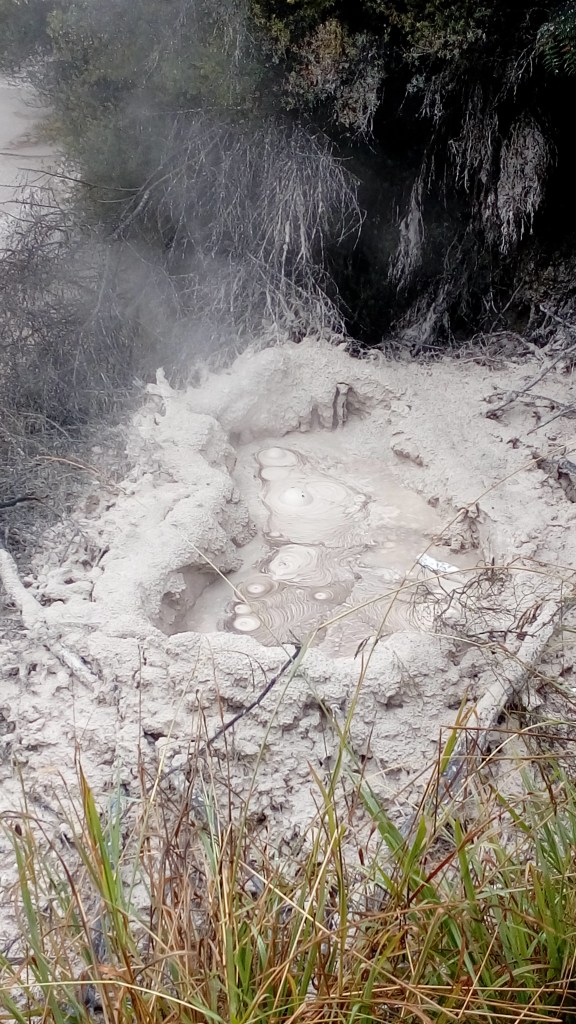
The word pool should not mislead you….you certainly can’t swim in it. The coughing bubbling spitting mud pools are fun to watch. Here you find thick muddy water spewing out of the earth much like the boiling water splashing up from the pan.

The Boiling Mud Pools

Video of boiling mud pools…click on video

Artist’s Palette :

Overflowing water from the Champagne pool draws minerals from below the surface. As the water cools, the minerals settle down and are exposed to the atmosphere and show up in a variety of colours….much like an artist’s palette!

It looks like a huge palette splashed with various colours…

Artist’s Palette

Opal Pool :

The greenish yellow pool next to Artist’s Palette

The Opal Pool

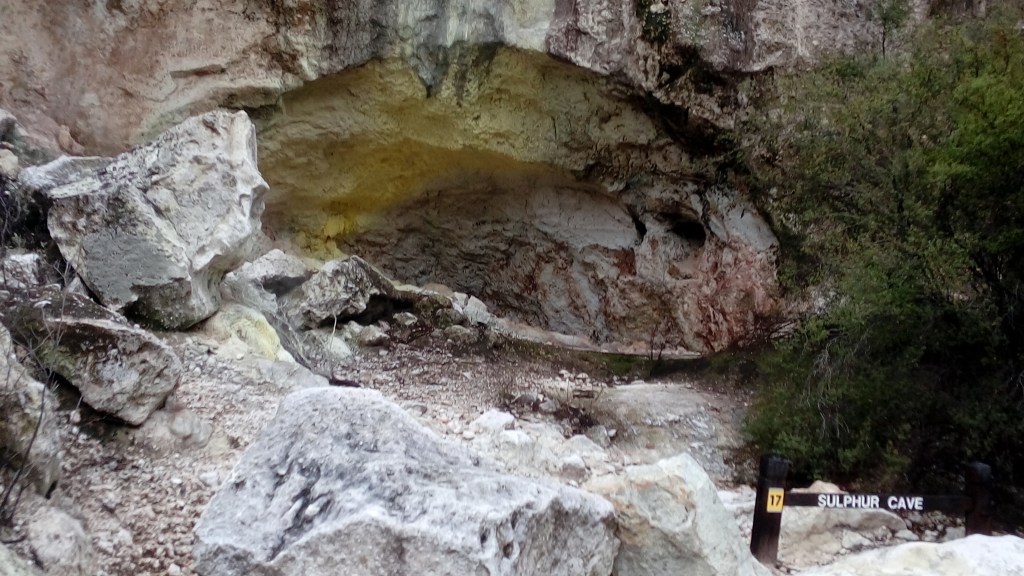
Sulphur Cave :

Here sulphur has crystallized on the over hanging shelf from the cooling of hot sulphur gases. There are also some chlorine pools here which may have been suitable for cooking.It is believed that the ancient people used these pools for cooking and other purposes. They used to revere these pools highly.

The Sulphur Cave

The chlorine pool useful for cooking.

Inferno Crater :

This crater has a bottom of violently boiling mud.

The Inferno Crater

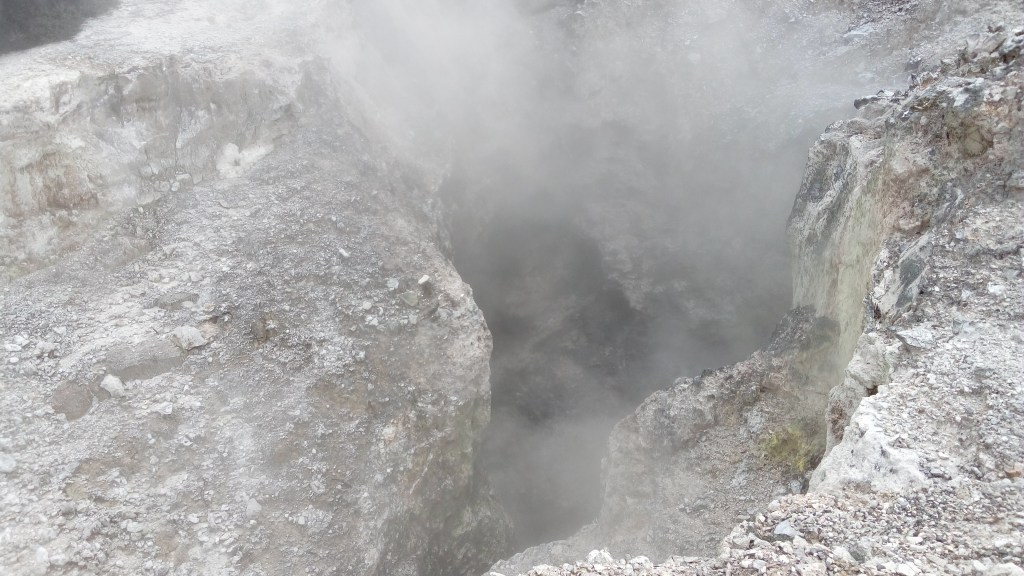
Thunder Crater :

A collapsed crater; it graphically illustrates how unstable the land can be.Due to constant geothermal activity, the bottom of some of the craters give way and result in large gaping holes.

Thunder Crater

Thunder crater…note the steaming hot water at the bottom responsible for the erosion

Bird’s Nest Crater :

As the name suggests, the walls of this crater have holes in which starlings, mynahs and swallows nest. The warmth in the crater helps to incubate their eggs.

Bird’s Nest Crater

Last, but not the least….

A tribute to the original inhabitants of the place….an inscription in the reserve explaining the reverence that the locals had for the river Waikato and the Wai O Tapu region.

After a very exciting visit to this geothermal area, we returned home to our hotel with great memories..

With this episode, we bid farewell to New Zealand.

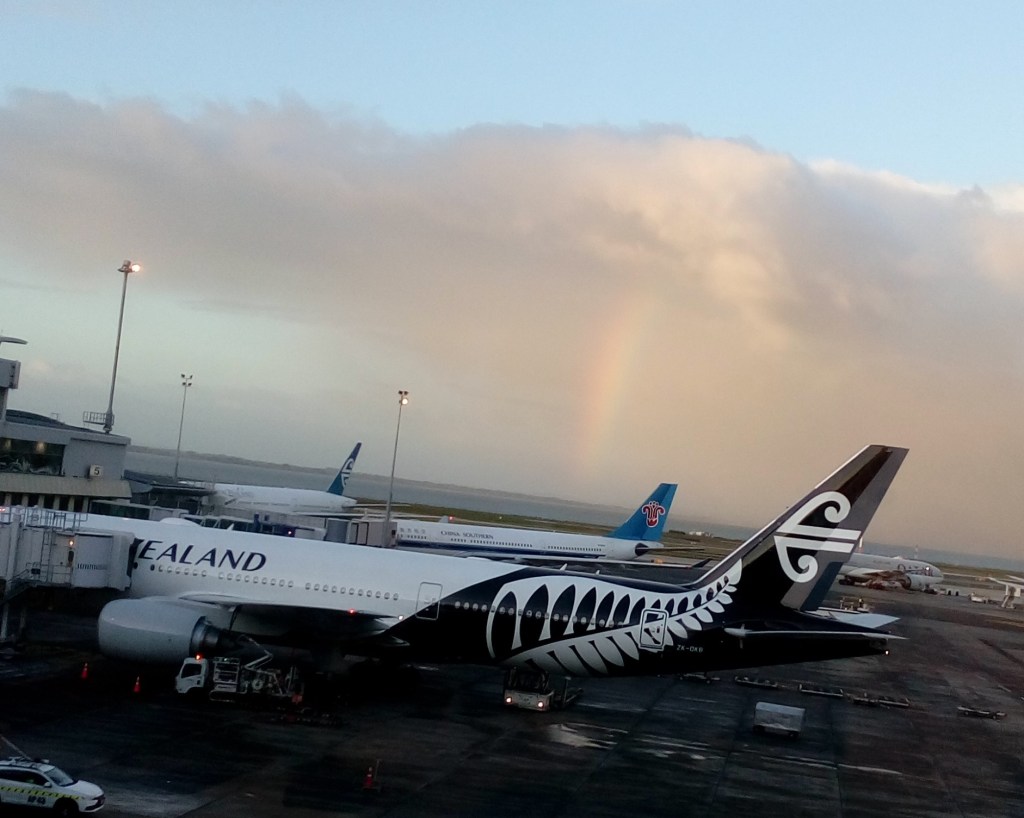
As we departed New Zealand, there appeared a colourful rainbow in the horizon….as if to say….do not forget the colourful memories from this land….

The rainbow

Starting our Europe tour from next week…memories of a trip undertaken long ago…refreshing my memories as I take you along..

See you next week at London

Till then, do comment and subscribe below:

Rotorua

A city in the North island of New Zealand, Rotorua is located on the banks of Lake Rotorua. Rotorua is famous for geothermal activity and as we reached the city, the smell of Sulphur was overwhelming. Once we reached the city, we got used to it and soon did not realize the smell. Rotorua is also home to a living Maori village and tourists are treated to a Maori Cultural experience. A crafts school teaching traditional Maori woodcarving and weaving is an added attraction.

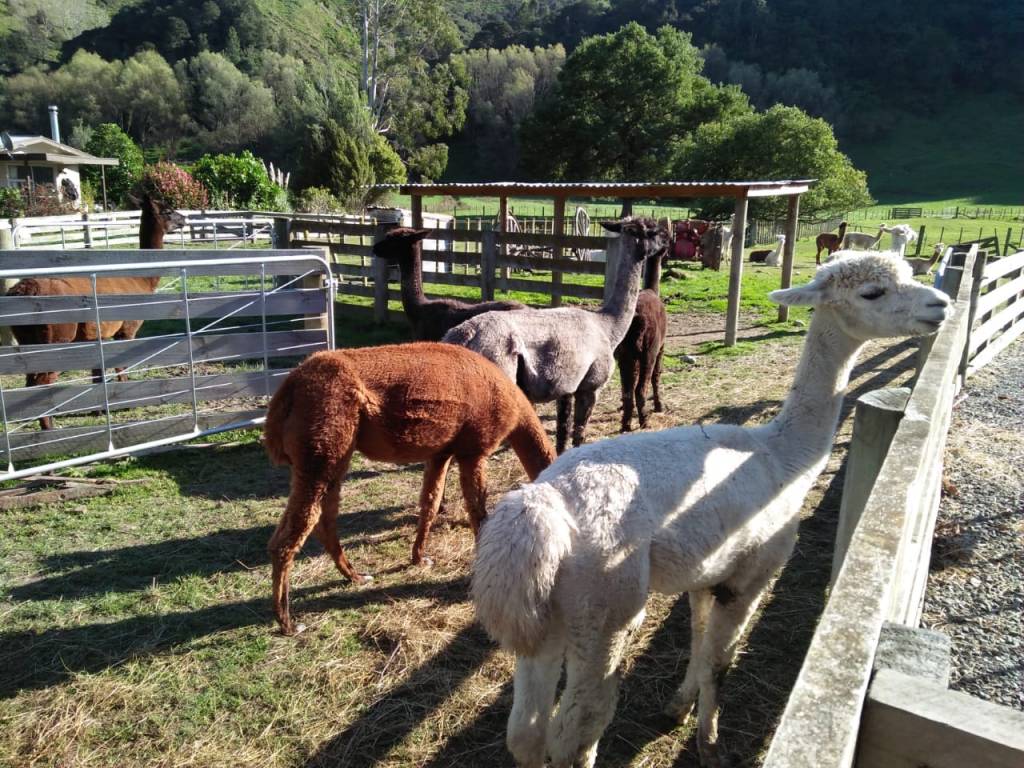
Enroute Rotorua, we visited an alpaca farm. Alpacas are reared widely in New Zealand and alpaca wool is very popular.

The Alpaca Farm

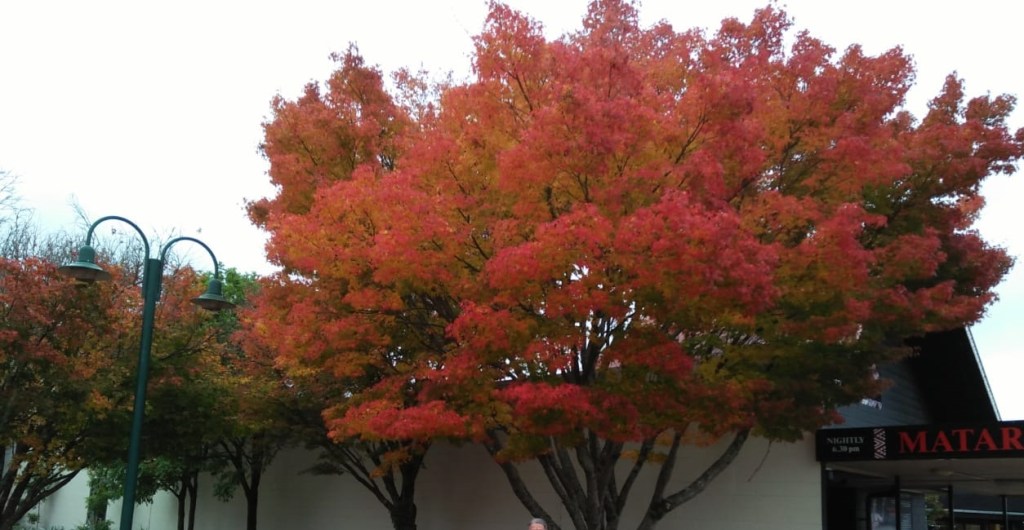
When we visited Rotorua, it was fall and we enjoyed the visual treat of the fall foliage.

Fall foliage

Lake Rotorua

Geothermal activity

Located in the Volcanic plateau in geothermal belt of North Island, Rotorua has hot springs, boiling mud pools and spouting geysers. Waimangu and Wai-O-Tapu are two areas known for these geothermal activities.

Geothermal activity is visible everywhere in Rotorua. We were surprised to see steam spewing out from the streets and from the compounds of houses.

Steam spewing out from the footpath along the compound wall of a house

There is a park in Rotorua called Kuirou park. Extensive geothermal phenomenon can be visualized there.

Kuirou park

Steam arising from inside Kuirou park

Boiling mud pool

Steaming pool in Kuiro

Steam arising from one of the pools in the park( click on the video)

Boiling Mud pools(click on video)

Maori Culture

Rotorua is one of the principal bases of Maori culture and tradition and Maori constitute a reasonable part of the local population. The Ohinemutu area, on the shore of Lake Rotorua, has several historic buildings, including a traditional Maori meetinghouse.

The Maori Village at Ohenimutu

Meetinghouse at Ohenimutu

Traditional Maori wood carving

Geothermal activity at Ohenimutu

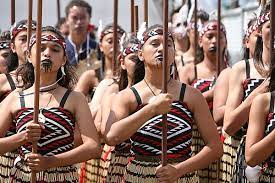
The Maori people and their cultural show

The village of Whakarewarewa, situated in a geothermal area, offers demonstrations to visitors of how the Maori traditionally used the thermal waters in everyday life. 

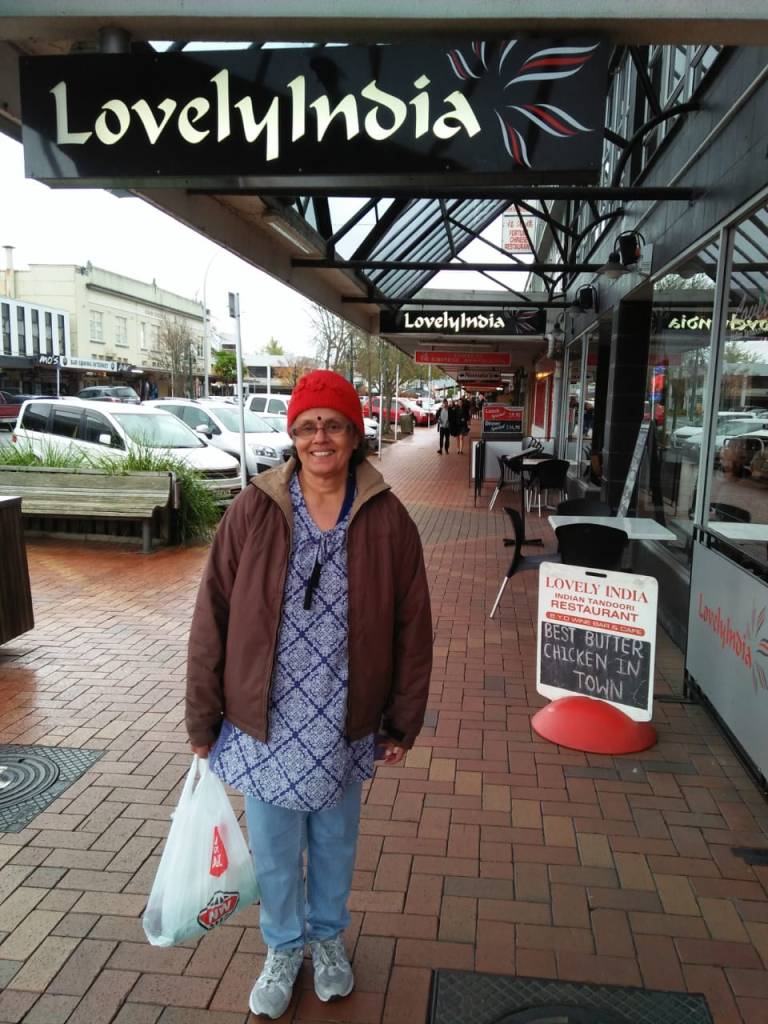
Rotorua is also home to a sizeable Indian population and many Indian shops and restaurants can be seen.

Indian restaurant in Rotorua

Amphibious duck tours

With so much geothermal activity, tourism is one of the main activities at Rotorua. A special vehicle called the amphibious duck takes tourists to various geothermal centres. This vehicle can move on land and water…as the name suggests. I found this vehicle unique to this place…

The Duck Tour Vehicle

After experiencing all these geothermal wonders in Rotorua, we visited the Geo thermal Park at Wai-O-Tapu. That was another great experience and I shall meet you next week at Wai-O-Tapu and take you to the Lady Knox Geyser…

Till then, good bye…

Do not forget to comment and subscribe below

The Interisland Ferry

After a very gratifying tour of the South island of New Zealand, we were headed to the North island. If fjords, adventure sport and scenic drives are the hallmark of the South island, amazing variety of geothermal activity is what is in store in the North island. This is not to be interpreted as these activities being mutually exclusive of each other. Their preponderance in these locations is what I am trying to convey here.

The fastest way to cross over between the islands is of course to board one of the innumerable flights . But an exhilarating experience of sailing the Cook Strait on an Interisland ferry ,is so much more than getting from one island to the other.

The Interislander is a ferry service between the North and South islands in New Zealand operated by KiwiRail. It runs between Picton in the South island and Wellington in the North island across the Cook Strait covering a distance of around 95 km in 3 hours.

It forms a part of the tourism brand Great Journeys Of New Zealand created by Kiwi Rail to connect their Scenic transports and The Interislander and Tranz Alpine (which we did recently) are part of it.

We traveled from Christchurch to Picton by road. The road embraces the coast for considerable distance and awards great views! One of the main tourist destinations in New Zealand is Kaikoura….a coastal town known for whale watching.

Kaikoura is an important stop on this route. This place is also home to fur seal colonies and travelers get to see them if they are lucky.

Some seals relaxing on the rocks at Kaikoura

Our Trip

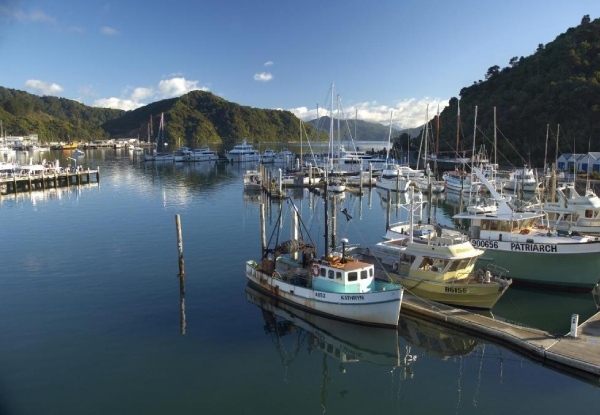
We had booked our trip on the Interislander from Picton to Wellington. Arriving Picton the previous evening, we relaxed at a hotel in Picton . Picton is a natural harbour with plenty of cafes, restaurants, and shops. Picton’s marina is home to many of the local’s yachts and boats. Picton is also a base to explore the Marlborough Sounds. There were beautiful views of Picton harbor and Yacht club from our hotel.

Picton Yacht club

Next morning, we headed to the boarding point of the ferry and collected our boarding passes and waited with anticipation for the journey.

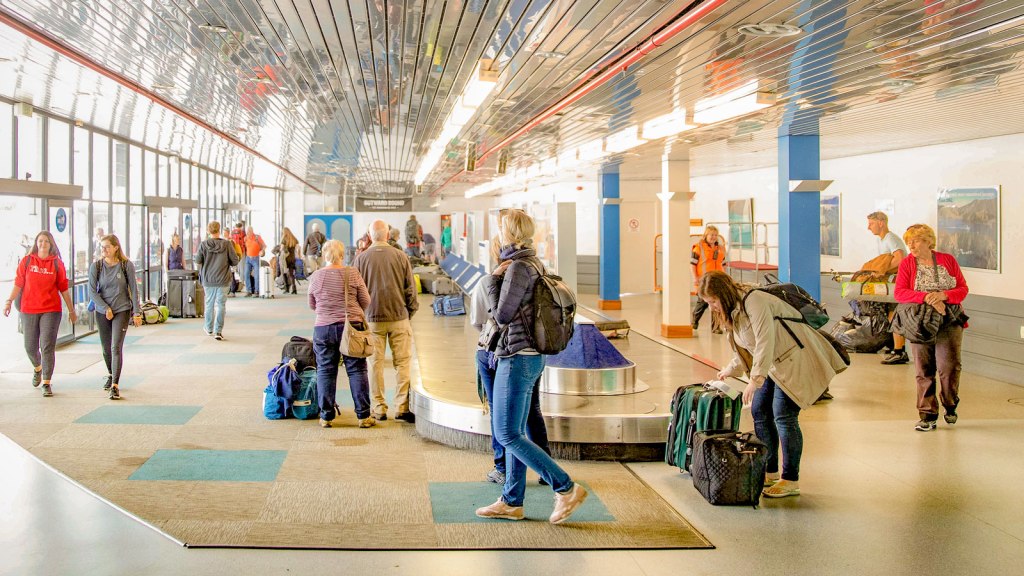
The waiting lounge at Picton terminal

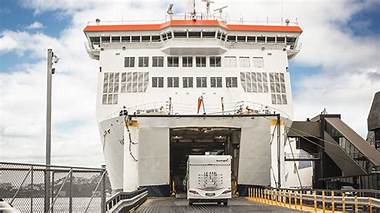
As we waited to board the ferry, the cars were being loaded on to the lower deck and we watched the cars being driven on to the ferry. Soon we boarded the ferry .

Some images of the ferry and its interiors:

The passenger deck of the ferry

Vehicles driving onto the lower deck of the ferry

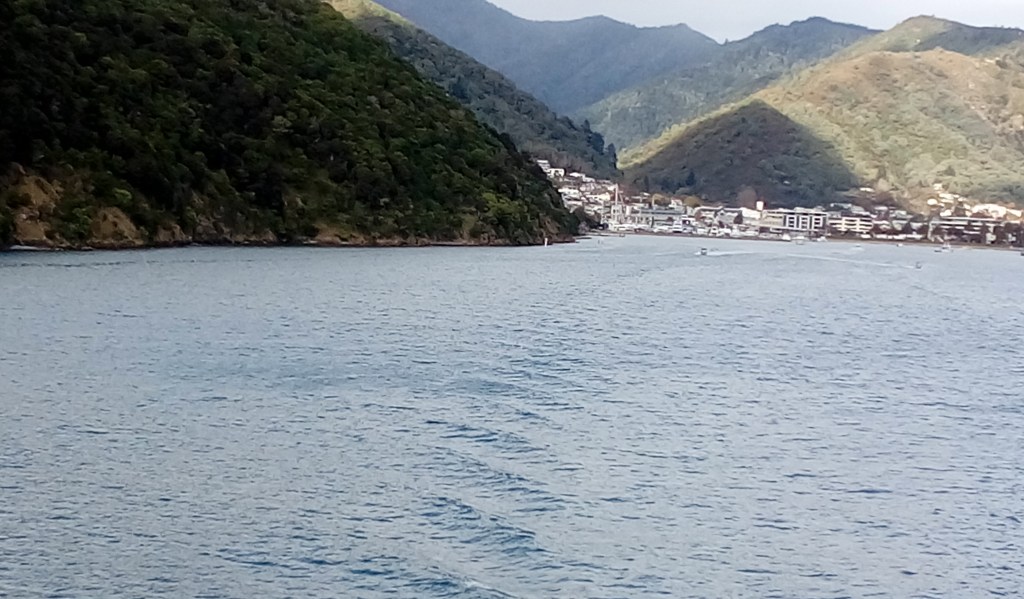
Soon we set sail from Picton and the views of the port and town as we left it, looked beautiful..

Leaving Picton behind

Just after we left Picton, the ferry sailed along some dramatic fjord-like valleys, passing secluded coves and bays. This is the Queen Charlotte Sound, which is part of the Marlborough Sounds. Some pictures….

Queen Charlotte Sound

Soon after that, the hills of Marlborough surrounded us and we were sailing into an extensive labyrinth of waterways with lush greenery of the forest-clad hills soaring into the sky. This is the Marlborough Sounds. Taking up a considerable amount of the New Zealand coastline, the Marlborough sound provides an ideal location for sailing, watersports, fishing and mountain biking. Some pictures as we sailed the Marlborough Sounds….

The hills of Marlborough gradually appear

The Marlborough Sound

After some beautiful views of the Marlborough Sounds, the ship entered the Tory Channel which is the entrance to Cook Strait. At one point it almost looked like a dead end but the ship took a sharp turn and entered the Tory Channel

The sharp turn at Tory Channel

Once we crossed the Tory Channel, we were in the Cook Strait. Dolphins, penguins and seals are very often spotted here and we did see some dolphins!!

Leaving Tory Channel into the Cook Strait.

Dolphins playing around

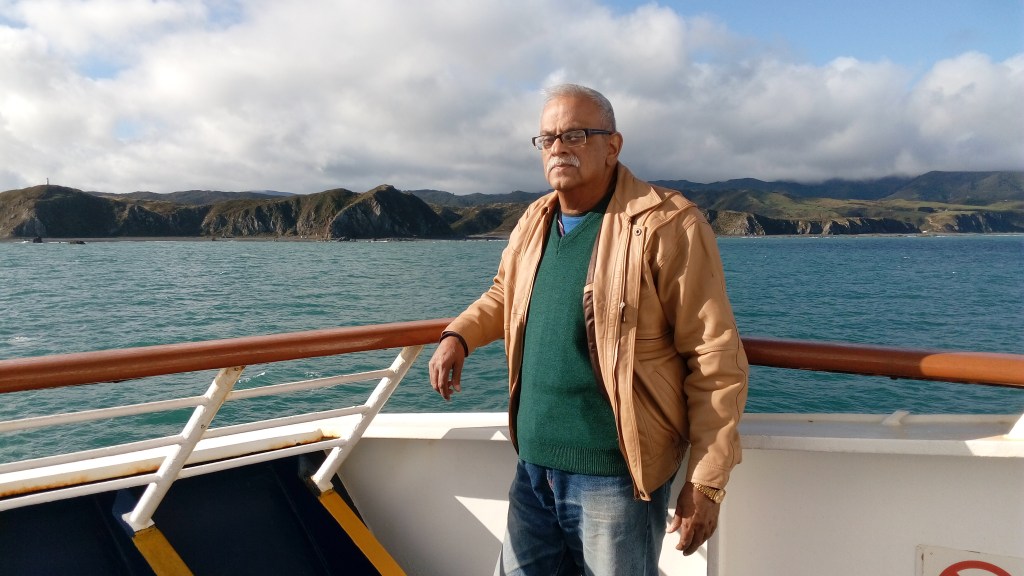
Once in the Cook Strait, it was water water everywhere….surrounded by water on all sides.

After some more sailing , we were at the entrance to Wellington Harbour.

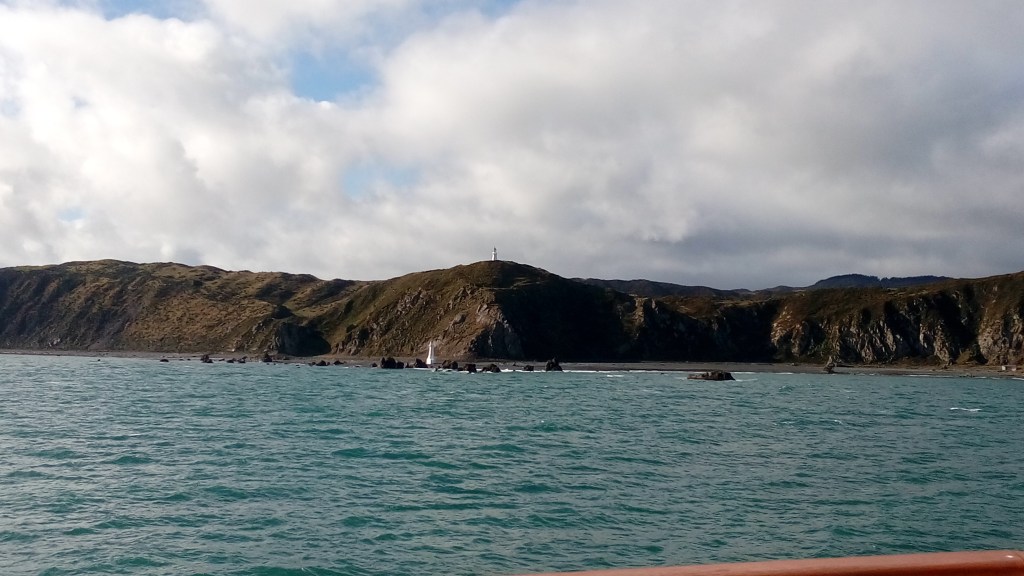
Two lighthouses mark the entrance to Wellington Harbour. Wellington Harbour is quite big and it takes almost an hour to sail from the entrance to the harbour.

The lighthouses at the entrance to Wellington Harbour

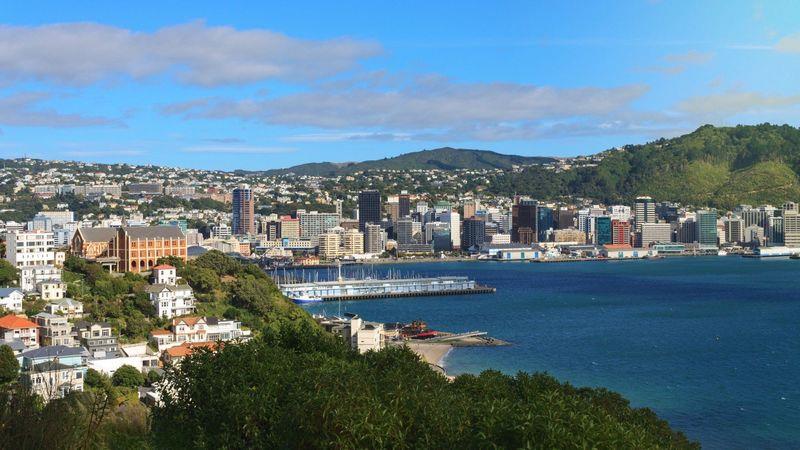
Reaching Wellington

Wellington Harbour

After we left the ferry, we collected our luggage and headed to our hotel in Wellington.

After a rather short stay at Wellington, we went on to explore the town of Rotorua….a hotbed of geothermal activity.

See you next week at Rotorua….till then, do comment and subscribe below