Nubra Valley: Unique Attractions and Scenic Beauty

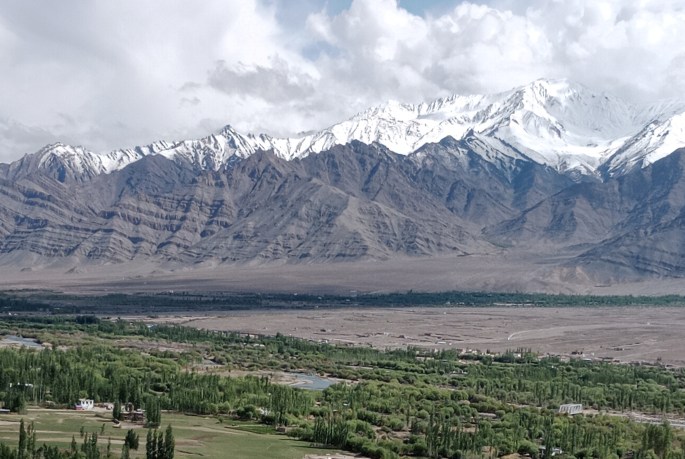
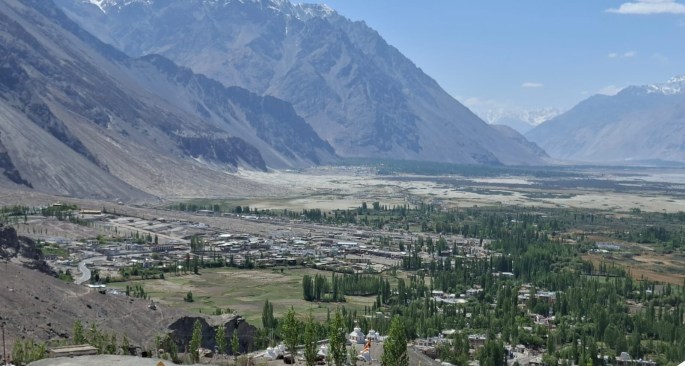
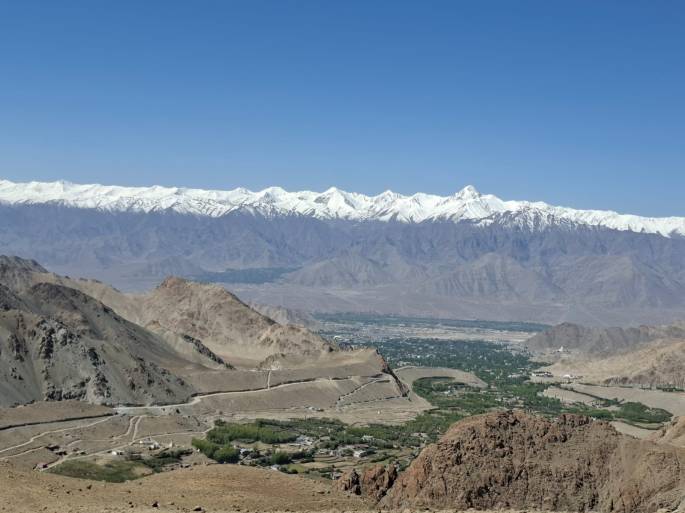
The Nubra valley lies to the north of Leh between the Ladakh and Zanskar ranges of the Himalayas. In contrast to the rest of Ladakh ; it is more green with lots of wild flowers and shrubs .The word Nubra is derived from the Ladakhi word Ldumra meaning an orchard or garden.

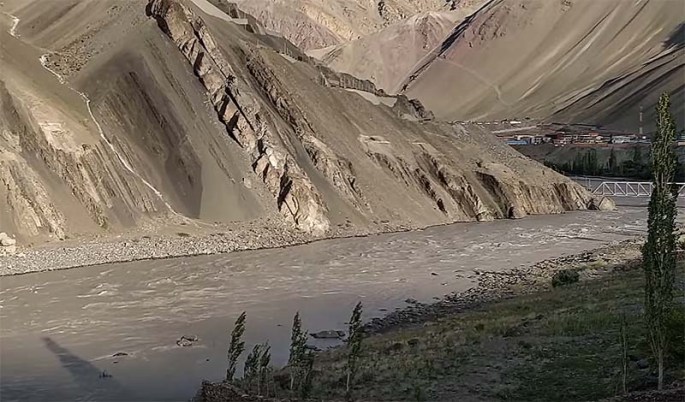
The villages that make up Nubra lie on the banks of the Shyok river that originates in the Karakoram ranges and merges into the Indus. The other important river is the Nubra river (Siachen). These rivers make the valley a fertile region where wheat, barley, peas, mustard, apples, walnuts and apricots are grown. This makes the general ecosystem of Nubra more green unlike the rest of Ladakh which is primarily a cold desert

The Shyok river

Apart from the natural beauty of the lush green valley against the backdrop of the snow clad Himalayas, Nubra has a lot to offer the tourists.

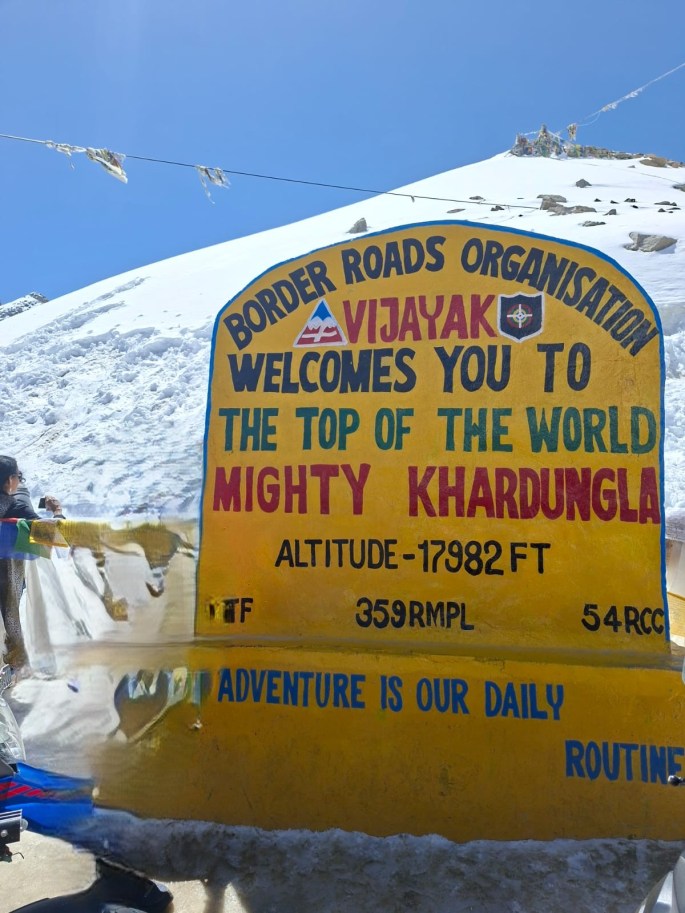
While driving from Leh to Nubra, one crosses the Khardungla Pass at a height of 5359 mts and is the second highest motorable road in the world. Khardungla has already been covered in detail earlier in an episode on the Himalayan passes.

The road to Khardungla Pass

Khardungla Pass

The Diskit Monastery (often called Diksit)

Diskit village is the most important village of the valley and it hosts the Diskit monastery that sits on top of a hill providing magnificent views of the valley and the Shyok river.

A giant Maitreya Buddha ( Buddha of compassion) statue standing 32 mts high looking towards Turtuk, the last village on the Indian side close to Baltistan in Pakistan. This statue was consecrated by the Dalai Lama and it is believed to bring lasting peace to the region which has seen turbulent times.

Diskit Monastery

The giant Maitreya Buddha

The Hunder sand dunes

The sand dunes located at Hunder village stretching over a few kilometers were formed after a historical flood in 1927. They provide a desert landscape with the snow capped mountains in the backdrop and highlights the diverse ecology of Ladakh.

The sand dunes

A small stream was flowing along and we relaxed by soaking our legs in the icy waters…

Relaxing in the icy stream

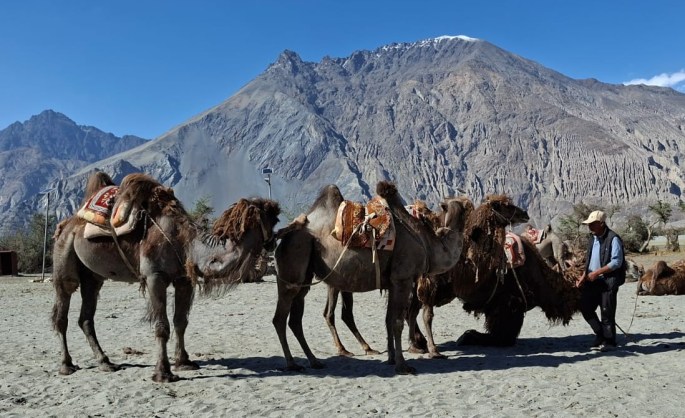
Double humped Camels( Bactrian Camels)

These camels are a tell tale sign of the trade that took place hundreds of years ago on the Silk Route. The caravans travelling between central Asia and Kashmir used to stay in the villages at Nubra . After the closure of the silk route, these hapless animals found themselves left behind here. Their descendants entertain tourists in the Nubra valley with camel rides which sustain them.

The double humped camels

Camel rides at Nubra

Nubra valley also has ATV rides and zip lining as entertainment activities for tourists.

ATV Rides

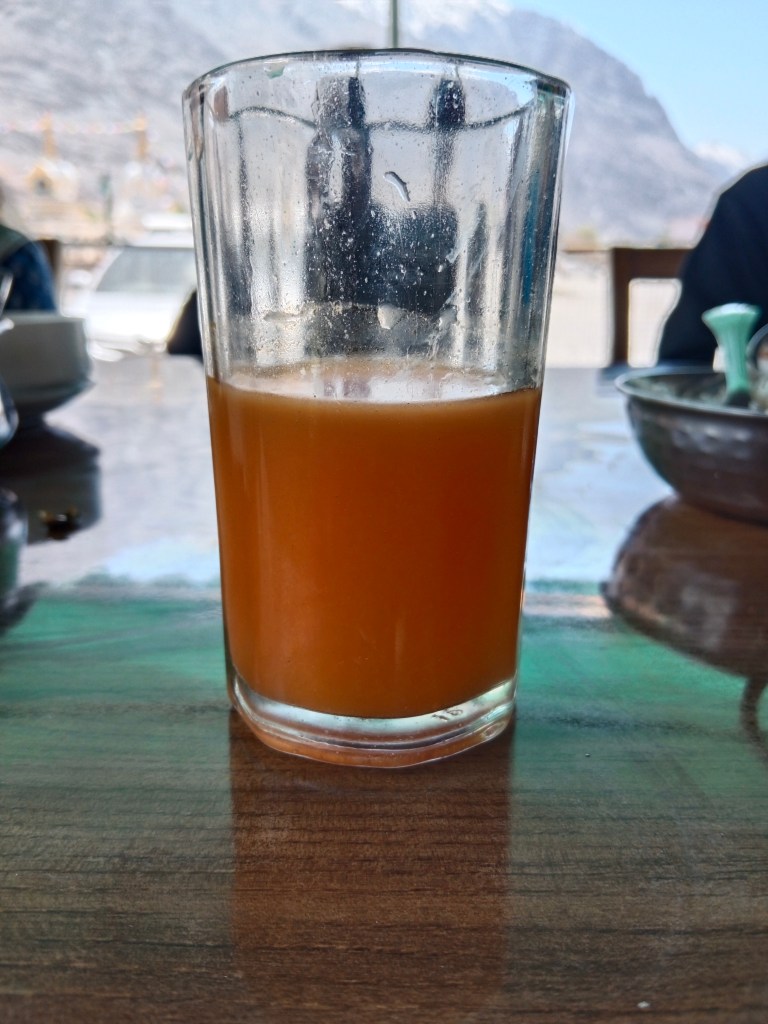
Enroute, we had lunch at a local restaurant where we were served the local Seabuckthorn juice. The unique Seabuckthorn berry also called the Leh berry is widely found here all along the way among the shrubs.

Seabuckthorn berries and the juice.

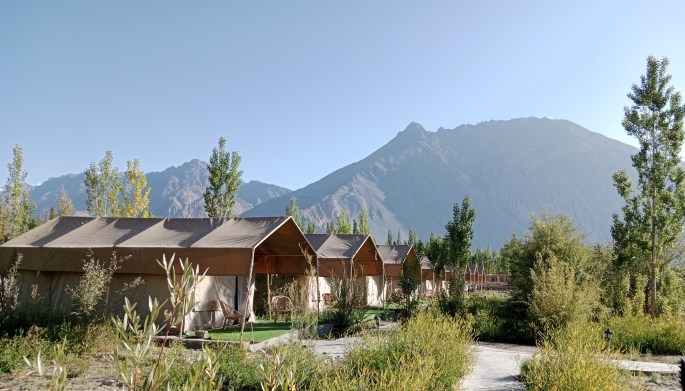
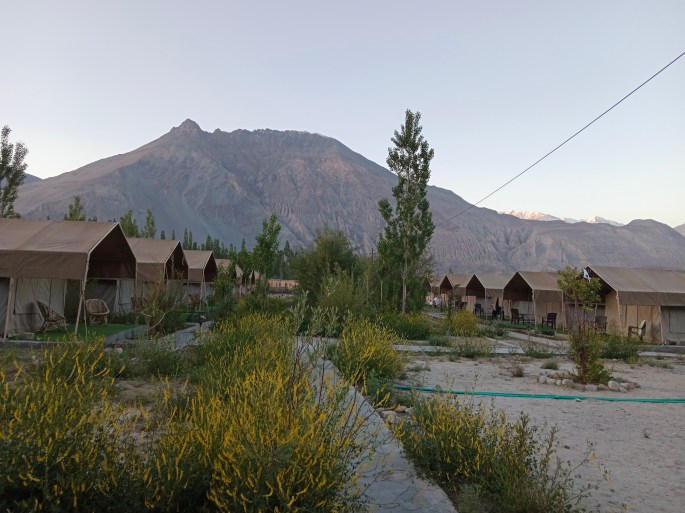
After a long day on the road we reached our resort at Nubra where we were put up in Swiss tents. Some pictures from the resort.

Our resort at Nubra and a typical Swiss tent

That night we had a bonfire and cultural show with local ladies entertaining us with graceful dances. Some pictures and videos..

Bonfire

The dancers in vibrant costumes

Click on the video to enjoy the dance

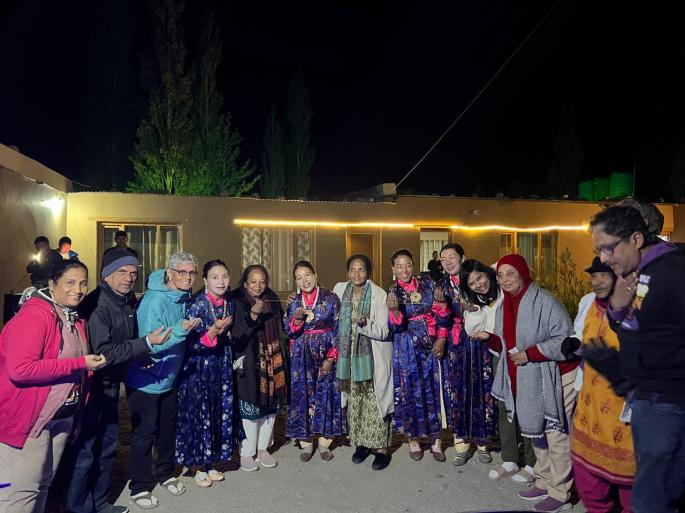
And finally we posed with the dancers…

The night of rejoicing came to an end after sometime as temperatures dropped and we hastily retreated to our tents to catch some sleep.

Next morning we bid goodbye to Nubra and started our journey towards Pangong .

Hope you enjoyed this journey through the Nubra valley. See you next week with more from Ladakh.

Till then, do subscribe, like and comment.

Adventures in Ladakh ; Rafting, ziplining and more

Ladakh with its unique ecosystem provides ample opportunities for adventure sport which are highlighted here.

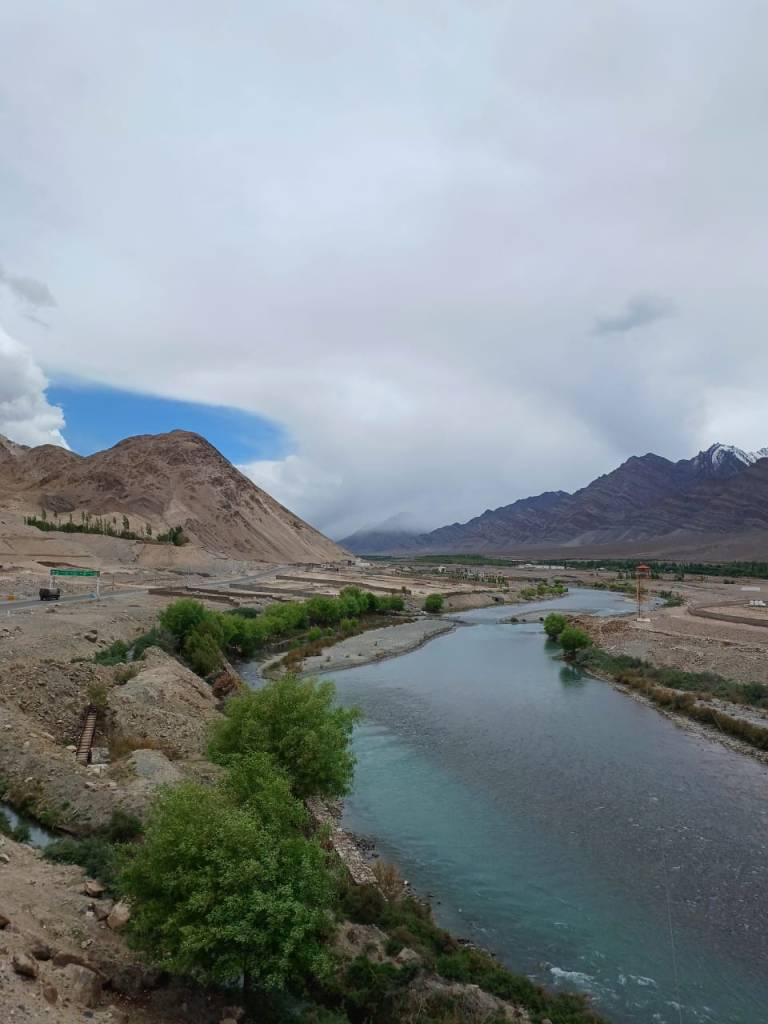
The Indus River (Sindhu)

The Indus river literally flowed in and out of our lives during our stay at Ladakh. Our visit to Ladakh was just a month after the deadly terror attacks at Pahalgam. The military, political and diplomatic developments following this had caused the Indus river to come into focus and there was a certain connect that we felt with this mighty river that is the lifeline of Ladakh.

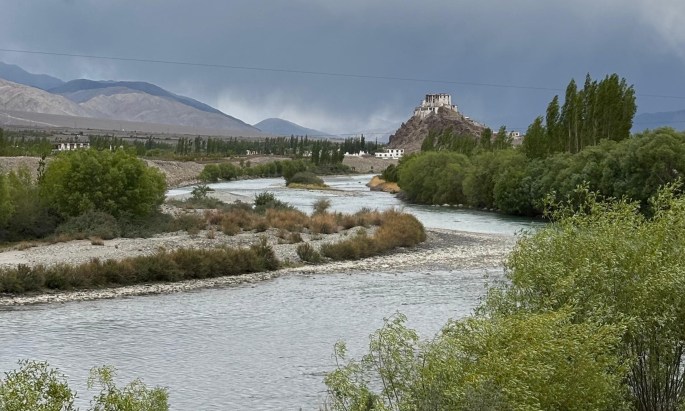
We first saw the river on our way from the Hemis monastery and we did have a photo session .

The Indus river with a monastery perched on a hill in the backdrop

Close to this point we had an opportunity to zipline across the Indus river. Some pictures from that wonderful experience…

Geared up to zipline…

Ziplining across the Indus river (click on video)

Sangam Point

This is the point of confluence of the Indus (Sindhu) and Zanskar rivers at Nimmu ; 35 kms from Leh on the Srinagar Leh highway. It is visible from a height from the road and after a short walk down some steps, we can reach the Sangam point.

The confluence looks stunning with the two rivers of different colors merging together. Both these rivers hold religious significance to the locals and a dip here is believed to rid one of his sins!!

The muddy Zanskar meets the clear Indus at the Sangam point (view from top)

At close quarters also, the two colors can be seen

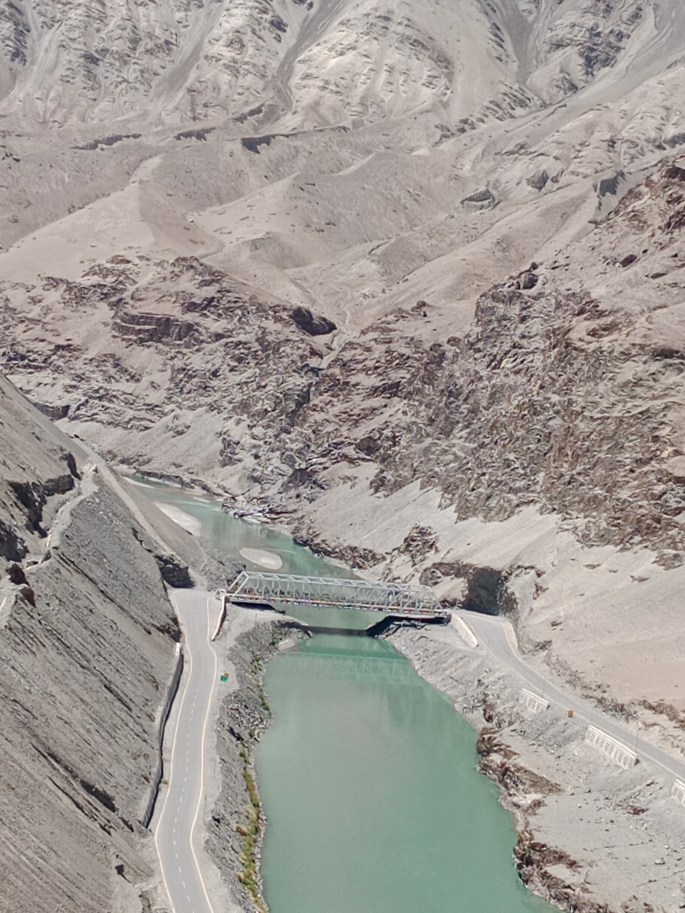
A bridge across the river is seen from Sangam point…


The bridge across the Indus and the roads going parallel to it on either side

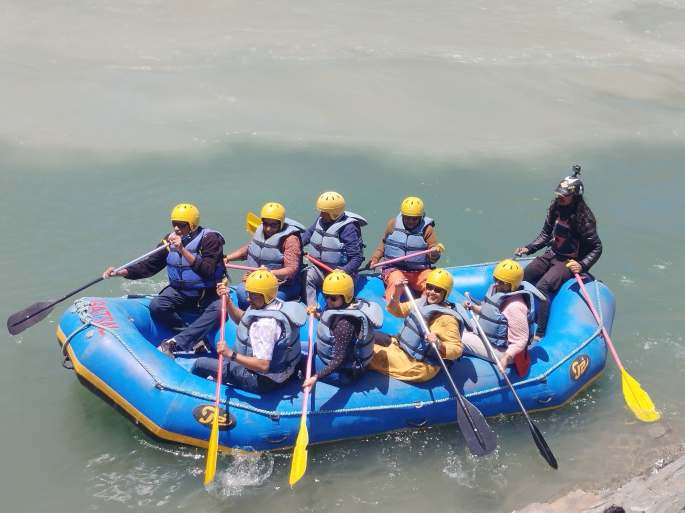
At the Sangam, we did river rafting on the Zanskar river. We were eight people in a raft with a guide . He instructed us initially and then guided us as we tried to manoeuvre the raft.

Few pictures from the rafting experience…

All set to go

The rafting expeience on the Zanskar

After the rafting experience, we had lunch where we got to savour some local Ladakhi dishes.

Ladakhi restaurant and our group at lunch

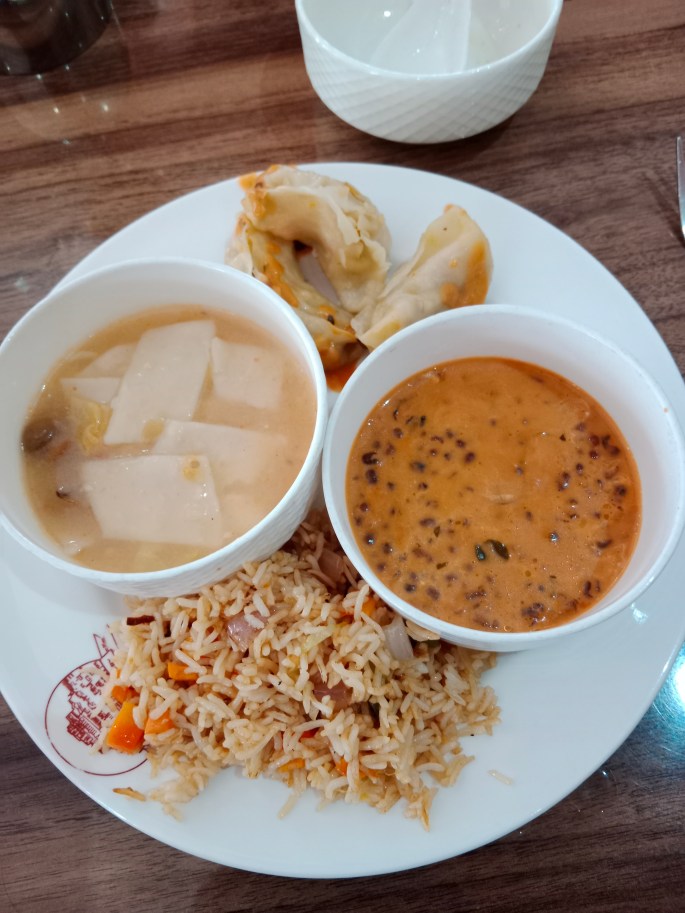
Thenthuk is a noodle soup where the noodles are flat and made of wheat flour . Mixed with vegetables or meat, it is a thick soup that is often a complete meal for the locals.

Thenthuk with momos, rice and dal

Post lunch we set off to the moon….yes ; our next destination was Lamayuru, where the landscape resembles the surface of the moon.

Lamayuru and the moonland

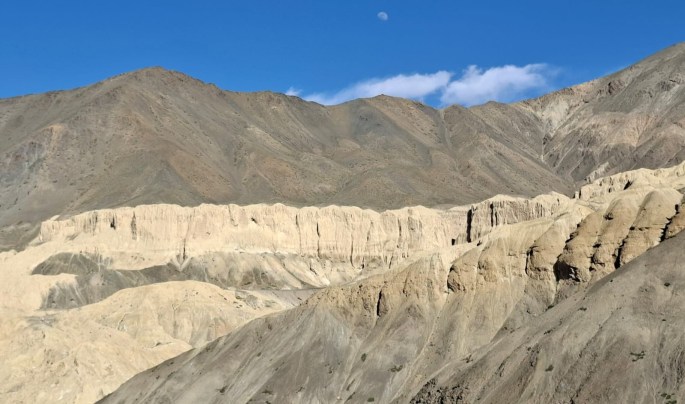
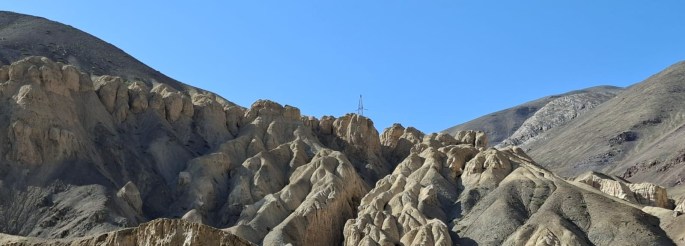
Known as the moonland of Ladakh, the rugged landscape and unique geographical formations make it an interesting spot. The views here reminded me of Bryce Canyon national park in the US but to a much smaller scale . The views during sunrise and sunset must be quiet captivating with changing angles of light.

How moonland was formed

This area was a lake some forty thousand years ago caused by damming of the Lamayuru river by a tectonic shift causing a landslide. Over the years the lake dried up leaving the sedimentary deposits which have been eroded by wind and water resulting in these gullies , ridges and hoodoos. This has given it the appearance of the moon surface.

The drive to Lamayuru itself was beautiful with cliffs overhanging the road on one side and the Indus river flowing down below on the other side.

The drive to Lamayuru ( click on video)

The general landscape at Lamayuru

The rugged landscape and unique geographical formations

Lamayuru is also home to a famous monastery.

By now we were quite tired and headed back to our hotel with memories of an adventurous day…

Do subscribe, like and comment till I come back with the next episode.

Ladakh’s Stunning Buddhist Monasteries

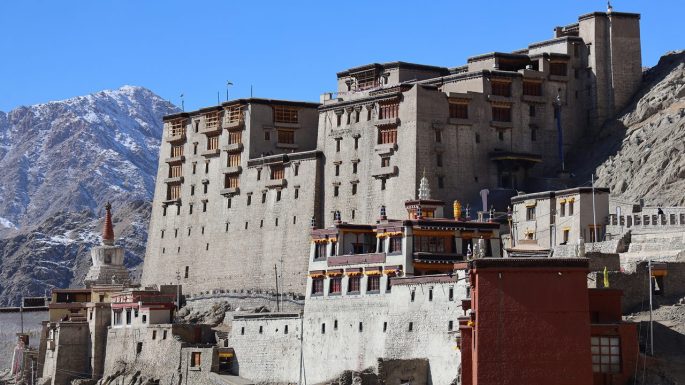
Think Ladakh and the picture that arises in your mind is of a landscape of snowclad Himalayan peaks dotted by those quaint architectural buildings ; many of them on hills with winding roads and steps leading to them. Well , these are the Buddhist monasteries of Ladakh which add unique charm to the Himalayan landscape.

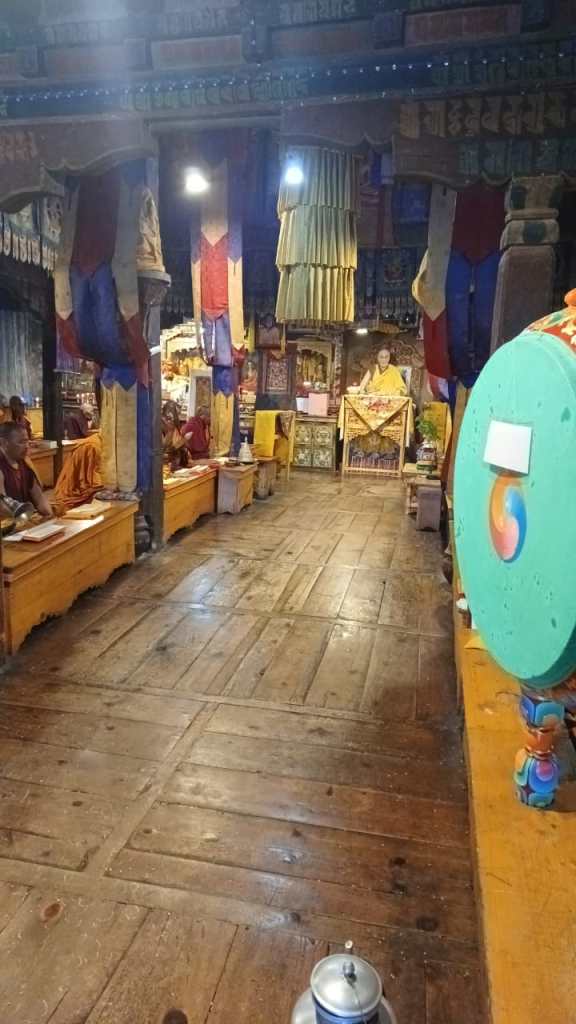
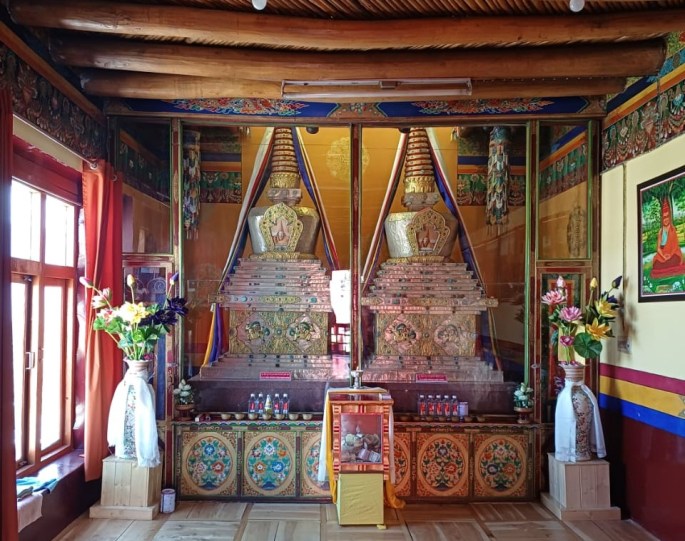
These monasteries of Ladakh have an old world charm about them and are remnants of Tibetan culture that has been retained here. Most monasteries are complexes that comprise of prayer halls, temples, courtyards, stupas and the living quarters of the monks.

They have typical architectural features with white exteriors , windows lined by delicately carved woodwork and painted in red, black and yellow colours , stupas in the courtyard, and multi colour prayer flags fluttering all over. Prayer wheels of different sizes adorn both the exterior and interior and the soothing chants of Buddhist hymns calms our minds as we explore them. Monasteries are store houses of ancient manuscripts, thangka paintings and house beautiful statues.

In most monasteries , bowls filled with water are seen offered at the altars in addition food, flowers and incense.

Let us walk through some of these monasteries…

Hemis Monastery

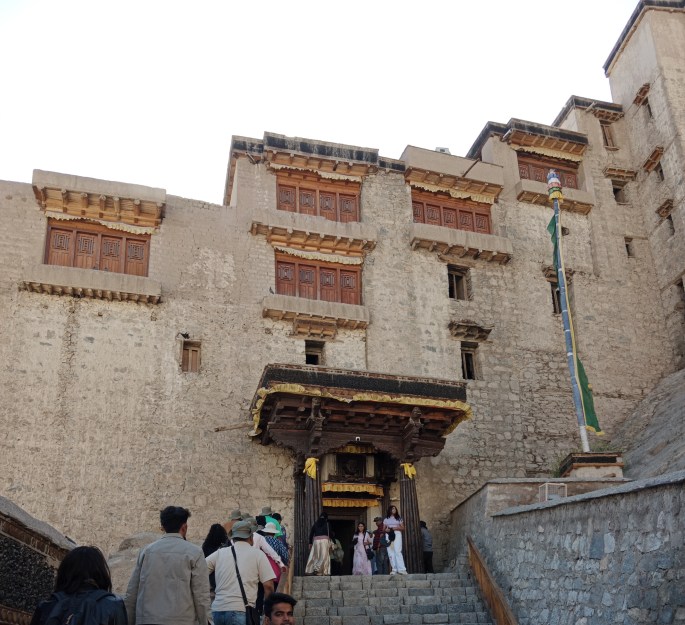
Hemis monastery is one of the largest and wealthiest of the monasteries and is located about 40 kms from Leh. One needs to climb a flight of stairs to reach the monastery and there are beautiful arches and prayer wheels along the passage.

The stairs with decorated arches leading to the monastery.

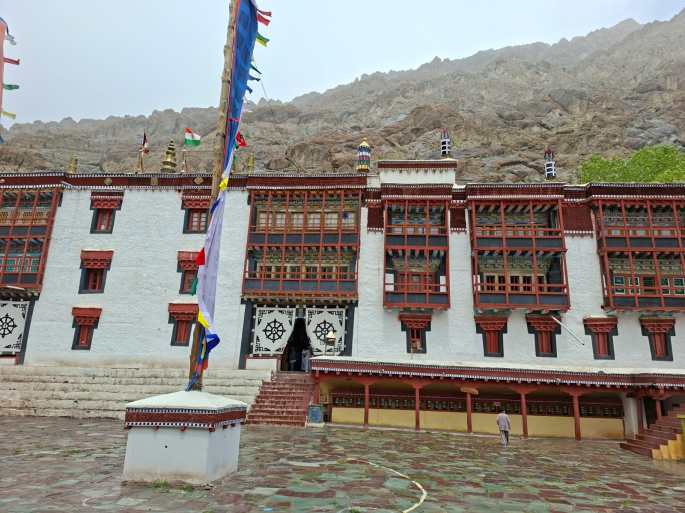
The stairs lead us to an open courtyard with the monastery building right ahead. The balconies and windows have delicate wooden carvings on them painted in attractive colours.

The courtyard and monastery building

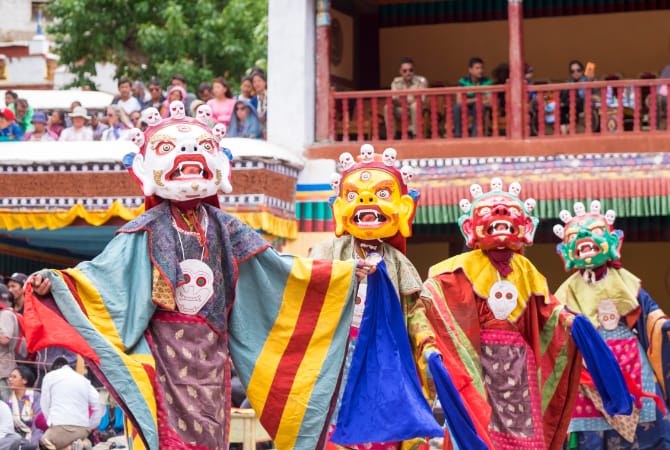
The Hemis monastery is most famous for the Hemis festival held in this courtyard in the month of July. The famous Cham dances are enacted here with the dancers wearing colourful masks.

File picture of Hemis festival

We had a wonderful experience when we reached the monastery. It suddenly started snowing and we enjoyed the experience along with views of the monastery.

This also acquainted us with how fickle the weather in Ladakh can be as it had been bright and sunny earlier on

Snowing at Hemis….click on video to enjoy the experience!!

Thiksey Monastery

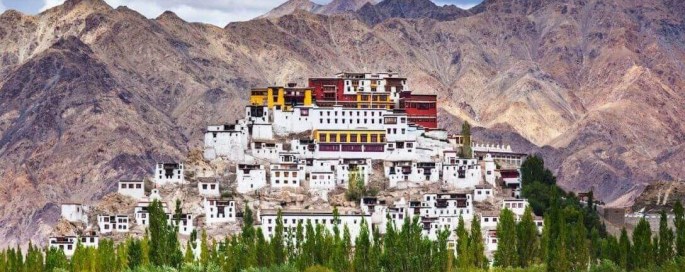
This largest monastery of Ladakh is built identical to the Potala Palace in Lhasa in the 15th century overlooking the Indus Valley and is often called mini Potala.

This monastery has 12 floors and houses 10 temples with precious and rare statues and stupas .

Thiksey Monastery

Thiksey Monastery

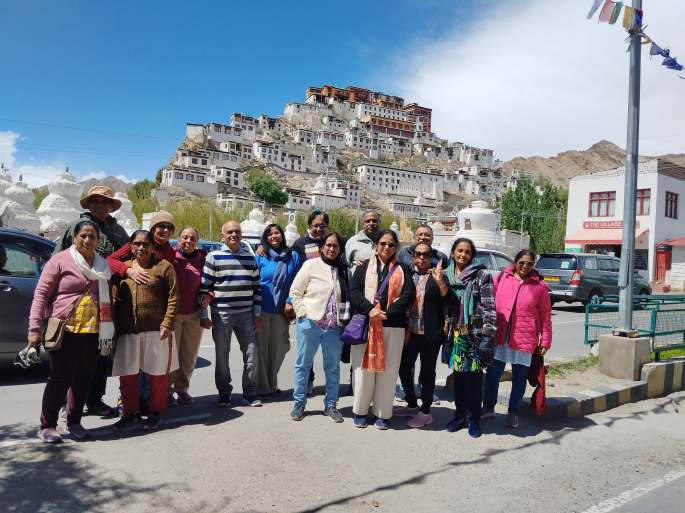
Our group in front of Thiksey monastery

Here too, there stairs adorned with colourful arches that lead to the main monastery building.

A huge prayer wheel

The main monastery building

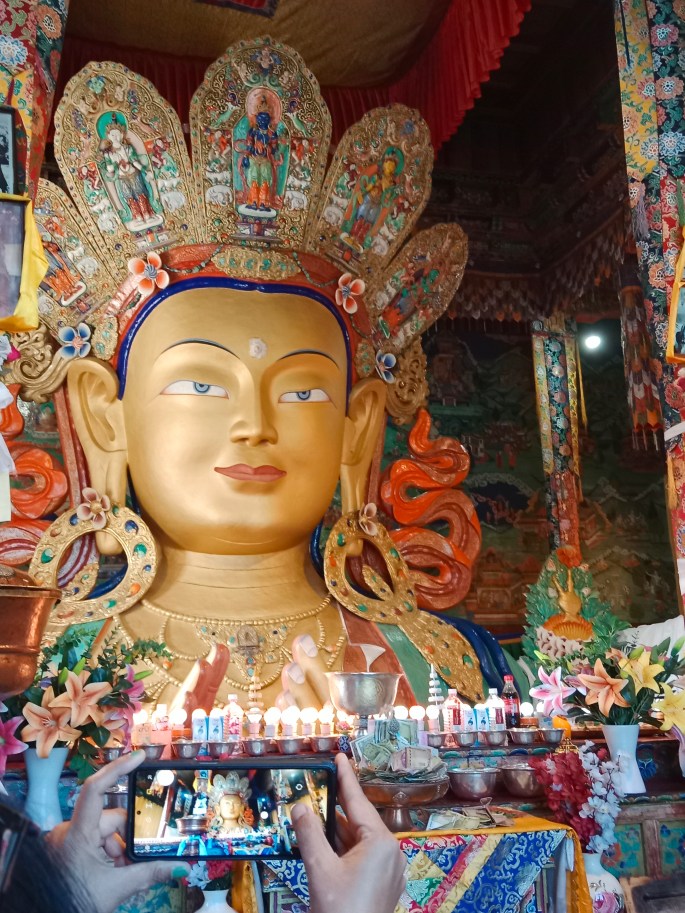
One of the main attractions here is the beautifully decorated and adorned Maithreya Buddha statue that is 40 feet tall. He is known as the future Buddha or Buddha of Compassion and was consecrated by the Dalai Lama.

Maitreya Buddha statue

Photography restrictions were minimal here and hence here are some pictures from inside the monastery…..

Some pictures from inside the monastery.

Tara devi who is believed to be the mother of Buddhas has a temple dedicated to her here.

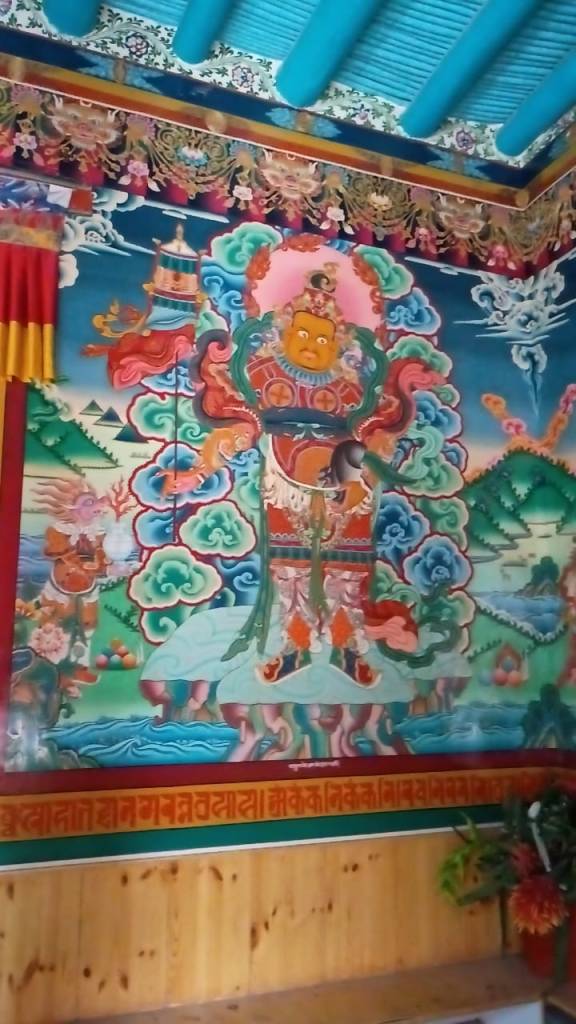
There are beautiful murals on the walls of the monastery

Beautiful murals

Views of the Indus River and valley and the Himalayan peaks from the top of the monastery are beautiful…

Beautiful view of the Himalayas, Indus river and valley from Thiksey

This monastery is home to about 80 monks.

Some of the monks in traditional attire

Alchi Monastery or Alchi Choskor

Alchi monastery is one of the oldest monasteries in Ladakh built in the 11th century by Lama Rinchen Zangpo on the banks of the Indus river. He is believed to have travelled from Kashmir across the Zojila pass and translated many texts from Sanskrit to the Bodhi language. Due to this, this monastery has a mix of Indian and Tibetan cultures.

Built on level ground and surrounded by brick walls, this simple structure, escaped attention of invaders and survives till date.

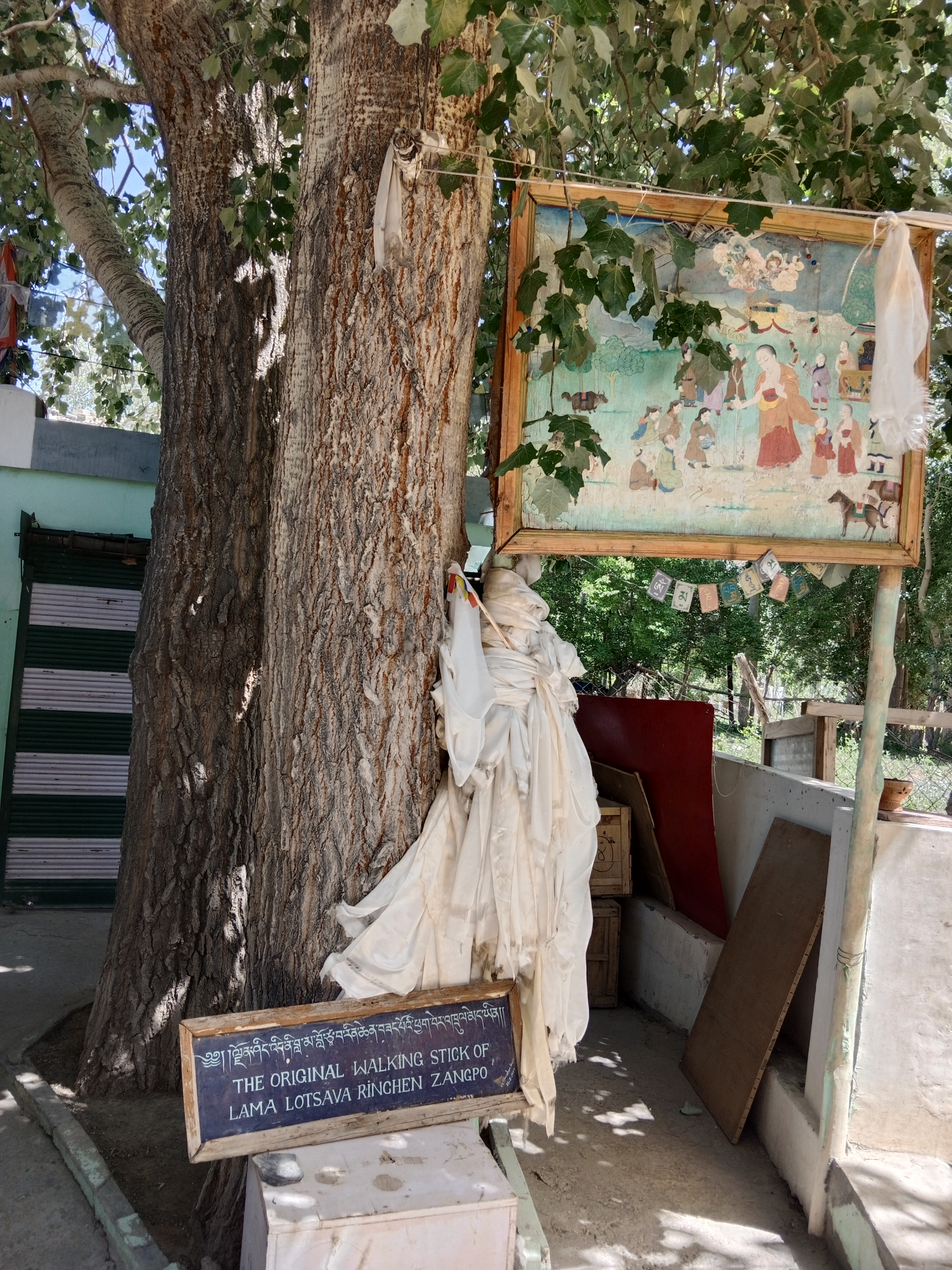
A walking stick belonging to the lama from which a tree has grown is preserved at the complex. It is decorated with the traditional Ladakhi white scarf .

This monastery is unique in that it is a conglomerate of small buildings and wooden structures . There are three main buildings here : the Assembly hall, the Sum-tsek and the Manjushri temple. The Sum-tsek is a three storey structure with the statues of Bodhisattva, Avalokiteshwara and Manjushri.

It is well known for the beautiful paintings and frescoes that adorn its walls. They depict Buddhist teachings, celestial beings and Mandala art in great detail. Many of the murals have faded and restoration work is on at the monastery. The beautiful murals and vivid Mandala art in the monastery cannot be brought to you as photography is prohibited in those areas.

Here are some pictures from the exteriors which will clearly show the difference between Alchi and the pomp and splendor of the other monasteries. Take a look…

The walking stick of Rinchen Zangpo from which a tree has grown

The exterior of the buildings at Alchi monastery

The prayer wheels

The Indus river which flows right behind the monastery

Dikshit Monastery

This monastery is located in the Nubra Valley on a hill and houses the giant Maithreya Buddha statue. The views of Nubra valley from atop the monastery are beautiful.

Dikshit Monastery

The giant Maithreya Buddha statue is placed facing the direction of Baltistan in Pakistan and it is believed that the Buddha will bring peace to the region.

The giant Maithreya Buddha statue

View of Nubra valley from Dikshit monastery

These are some of the monasteries that we visited in Ladakh. There are many more and each one has a legend of it’s own.

I hope you enjoyed the ambience and culture of these monasteries.

See you with more from Ladakh.

Till then, do subscribe, like and comment…

Khardung La & Chang La: A Guide to Ladakh’s High Passes

The Himalayas form a continuous mountain chain to the north of India and have several passes spanning the states of Jammu and Kashmir, Ladakh ,Himachal Pradesh, Uttarakhand and several North Eastern states. A pass is a path that passes through or across a mountain range and provides access to areas surrounding the mountain. Typically they are formed by glaciers, rivers and melting snow that erodes the mountain range.

The major mountain passes located in Ladakh are, Khardung La, Chang La, Zoji La ,Umling La, Tanglang La, Imis La and Bara Lacha La. The word La means pass.

We visited Khardung La and Chang La passes during our trip to Ladakh and those will be our focus in this episode.

Khardung La Pass

Khardung La lies in the Ladakh range, 39 kms. north of Leh connecting the Indus and Shyok river valleys. At a height of 5359 mts ( 17,982 ft ) Khardung La serves as a gateway to the Nubra Valley and is a crucial point in transporting supplies to Siachen glacier.

Historically, Khardung La lies on the silk route to Central Asia and was used by caravans of horses and camels

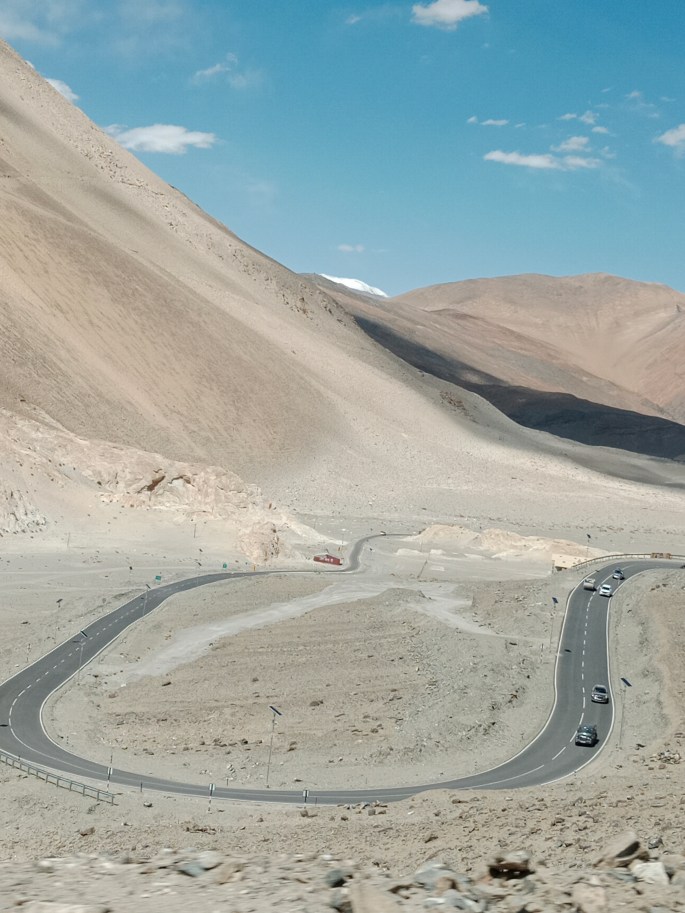
Today, there is a road that takes one to this pass. The construction of this road was started in 1972 and completed by 1976. This road was open to the public in 1988. The BRO (Border Roads Organisation) maintains this road today and it is the second highest motorable road in the world. The initial part of the road is paved but there are areas along the road that is mainly loose rock and dirt , partly caused by the extreme weather conditions of the area. All along the route we can see road construction work going on with heavy duty equipment maneuvering the difficult terrain.

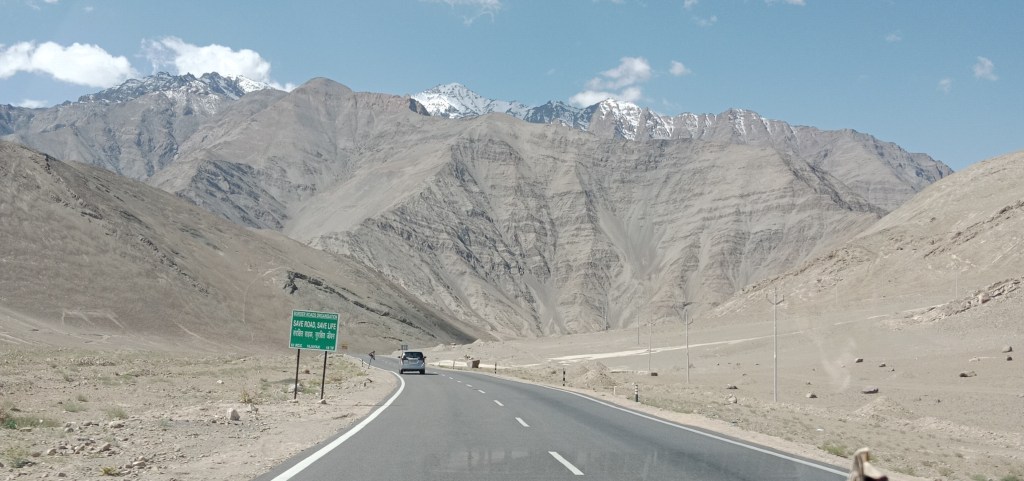
Road to Khardung La-the second highest motorable road in the world

The difficult mountain road to Khardung La

As we drive along, we find a lot of adventurous bikers from all over the world on their way to Khardung La . Many of them have the national flag on their bikes giving a lot of patriotic feel.

A group of bikers on their way

One can see snow round the year at Khardung La but during the winter months and after sunset, the drive may be very risky due to frost leading to slippery roads.

Reaching Khardung La

At Khardungla Top , the snow, the summit markers and colored Buddhist flags welcome us. The view from there is simply breathtaking with snow covered mountains all around.

The milestone on the top

At Khardung La top

The amazing views from the top

And not to miss this cryptic message from the BRO…

A cryptic and meaningful message from BRO

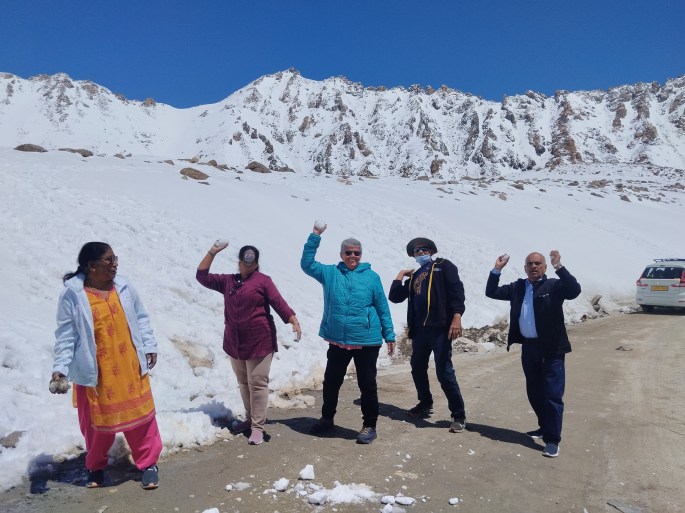
The high altitude is a deterrent to spending more time here and after the photos and enjoying the views for some time, we came down to a less crowded spot to enjoy ourselves by playing in the snow.

Playing with the snow

After some exciting time at Khardung La, we drove down to Nubra valley . More on Nubra valley later.

The other Himalayan pass that we traversed during the Ladakh trip was the Chang La.

Chang La

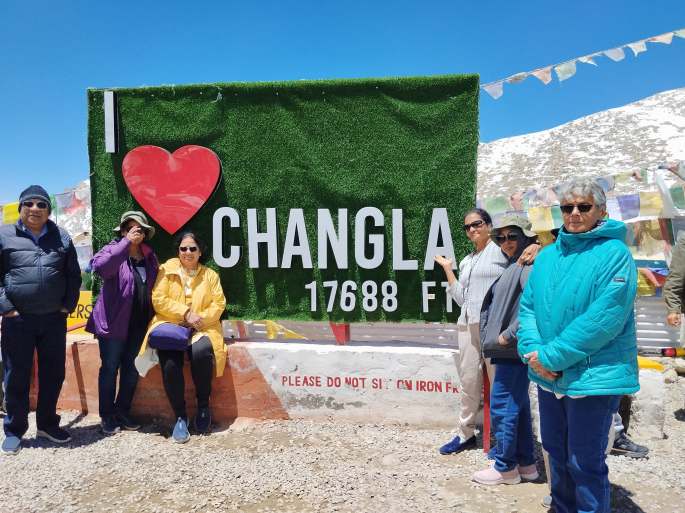
Located on the route to Pangong lake, Chang La has an elevation of 5391 mts (17,688 ft) and offers beautiful views of the Himalayan ranges. Chang La which means “Pass towards the South” is the third highest motorable pass in the world.

The drive to Chang La is equally challenging with steep , winding roads which have been damaged at places due to landslides and extreme weather conditions. Most of the road is asphalted but at places it is loose soil and stones.

The steep winding roads to Chang La

Interspersed with snow fields and azure lakes in the distance, the drive is heavenly indeed!!

The snow fields and azure lakes enroute

Click on the video for an experience of the drive…

After this breathtaking drive we arrived at Chang La where the prayer flags and summit markers greeted us to wonderful views.

Some pictures from Chang La…

At Chang La

Our group at the Chang La summit marker

Right at the summit is a temple dedicated to a sadhu known as Chang La Baba.

Temple dedicated to Chang La Baba

The Indian Army has significant presence at Khardung La and Chang La. The most obvious reason of course is security. The passes are particularly vulnerable areas close to our borders and the security forces are on constant vigil and they also oversee the safety of the tourists arriving there.

There are many sign boards depicting the work of the Indian Army at the summits.

Another Message from The Indian Army

Problems of altitude

Due to the low oxygen saturation of the air in these high altitudes, breathing difficulties may be encountered and hence, we stayed there only for a few minutes. People with heart conditions and breathing problems must take proper medical advice and carry necessary medical supplies while traveling to these destinations.

Our vehicles were equipped with oxygen cylinders and necessary supplies during this trip.

Take a Bow

When we visit these areas where life can be a challenge at every point, we really feel indebted to the defence personnel manning these places. All along the difficult route small camps of the services can be seen. The personnel who work here stay away from their families and live through the extreme and unpredictable weather conditions with constant danger of the enemy. They do a lot of sacrifices so that we can live a peaceful life.

Apart from the main Defence forces, The Border Roads Organization (BRO) does a great job of building the roads and maintaining them. We are able to travel to these places only because of the great work they constantly do.

There is also a DRDO research station close to Chang La.

I hope the trip through the mountain passes was thrilling. See you next week from other destinations in enchanting Ladakh.

I close this episode with a sense of gratitude to the Indian Army and the allied services and with a sense of pride to be an Indian. Jai Hind.

Till then, do subscribe, like and comment.

Exploring the Beauty of Pangong Lake in Ladakh

This week we start the Ladakh series. With each destination in Ladakh competing with the other in the uniqueness of the experiences they provided; it was a difficult choice to make. Well ; finally I settled for Pangong to start the series with a bang!!

Welcome to Pangong...

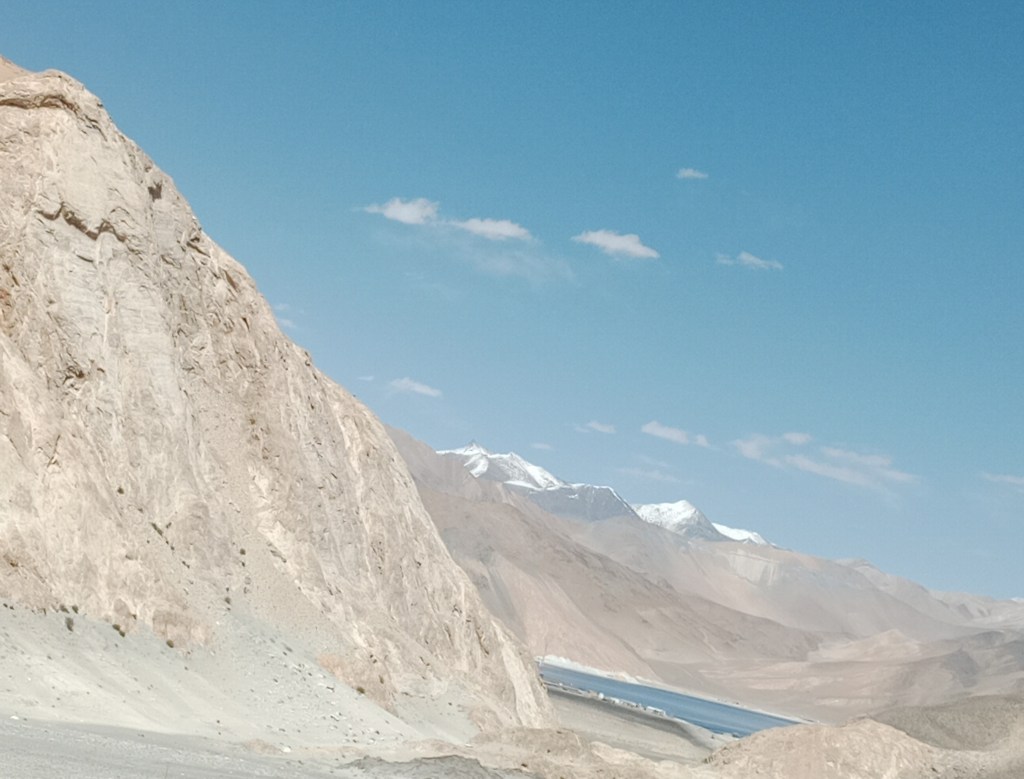
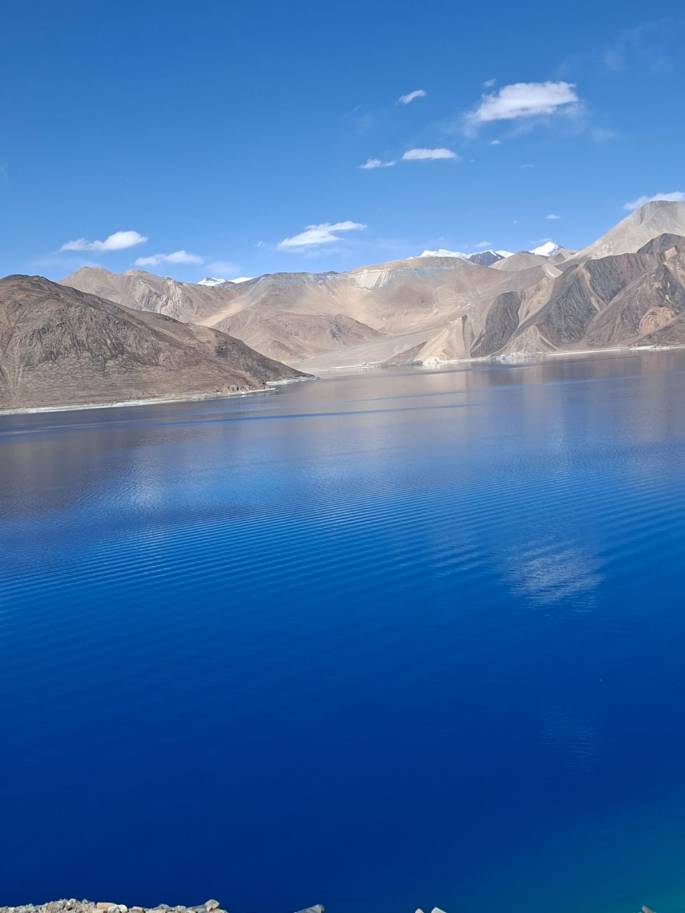
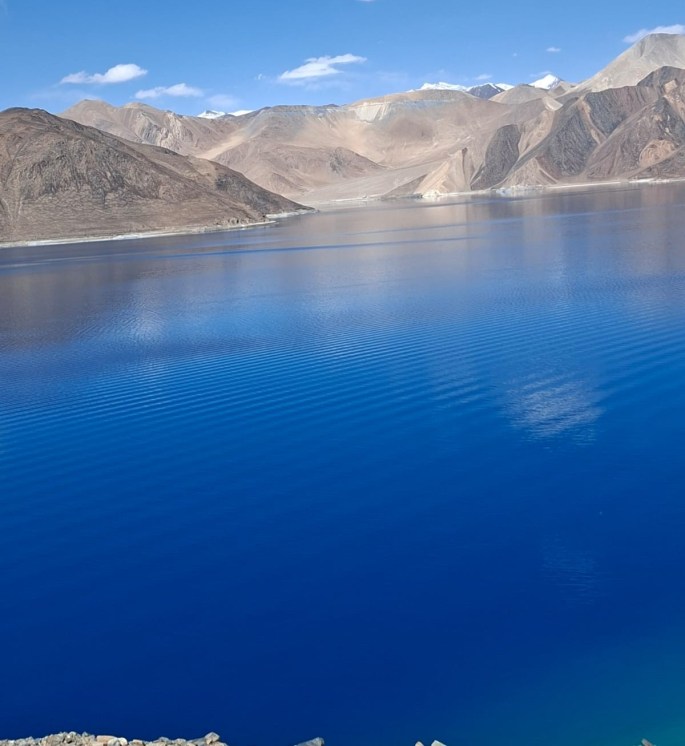
Hidden in the lap of snow clad mountains and high altitude plateaus, Pangong Tso with its deep blue and green colors provides a contrast to the barrenness of the hilly landscape around.

A visit to the Pangong lake located at an altitude of almost 14000 ft. is one of the highlights of a visit to Ladakh. Stretching over a distance of 134 kms, only 30% of the lake lies in India; the rest being located in Tibet. At its broadest point, the lake is 5 kms wide and is separated from the Indus river basin by a small ridge.

It is the largest brackish lake in Asia and is an endorheic lake meaning it is a basin that retains water and does not allow outflow to other external water bodies. Movement of tectonic plates many years ago is believed to have created this lake.

The lake is divided into 5 sub lakes connected through narrow water channels and the western most of these is Pangong Lake which in Tibetan means high grassland lake. The grasslands along the edges of the lake feed the pashmina goats , yaks and other livestock found here. The whole group of lakes is referred to as Tsomo Nganglha Ringpo.

The deep blue and green color of the lake against the backdrop of the barren mountains is indeed a sight to behold!! The lake is open to tourists between May and September.

The lake is a Himalayan wetland reserve and an important breeding ground for a variety of migratory birds. Spangmik is a small village near the lake where pashmina goats are reared.

The best time to visit the lake is of course in summer between May and September. During the winter months the lake is completely frozen and if you are adventurous enough, you can walk on the lake!!

My Trip

The drive to Pangong Lake itself was very picturesque. The winding snow capped mountain roads with clear glacier water streams gurgling along is beautiful. The varying features of Ladakhi landscape with mountain slopes showing streaks of varying colors resembles a painting.

The rugged mountains with the glacial streams flowing along

The mountain roads with snow capped mountains as a back drop

The mountain slopes showing streaks of various hues like a painting

The Changla pass lies on the route from Leh to Pangong Tso. This high mountain pass at a height of more than 17500 ft, is covered with snow and appears pristine white.

The snow closer to Changla Pass

Driving down those lovely vistas, we were in for a surprise when we encountered a herd of pashmina goats being herded by a mother and daughter across a bridge. It took us some time to cross them but we enjoyed the sight nevertheless. Take a look at the video below..

When the goats decided to slow us down!!!

After the goats decided to give us way, we headed further on awaiting the first views of Pangong Lake and finally Dorje, our driver announced that we were there. Eagerly we turned our eyes to watch the first glimpses and here was what we saw…

The lake slowly comes into view from behind the mountains

The mesmerizing colors of the lake as we drove along…

Driving further down we met up with the others of the group on the banks of the lake.

The ladies pose by the Pangong Tso

A group picture by the lake was followed by some free time for us to explore the area.

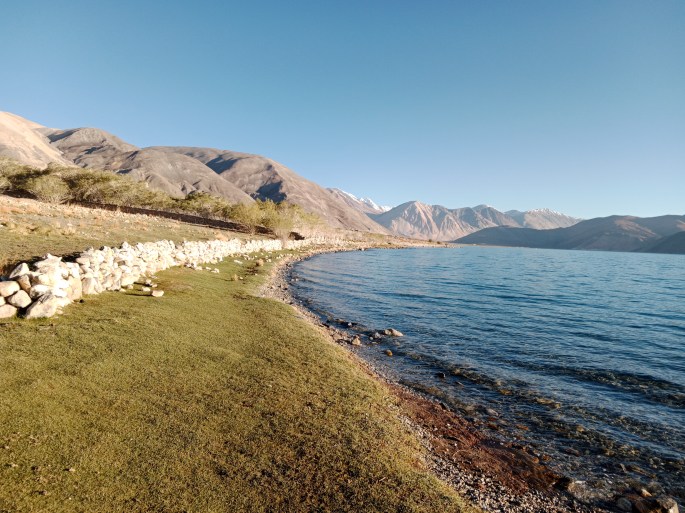
As we walked along the shores of the lake this is what we saw….

Take a look…

The beautiful colors of the lake

The clarity of the water was simply unbelievable.

Yak rides were available on the banks of the lake …

Yak rides on the banks of the Pangong Tso

We were totally mesmerized by the colors of the lake from different angles. Take a look at this video…

The different hues of Pangong (click on video to enjoy)

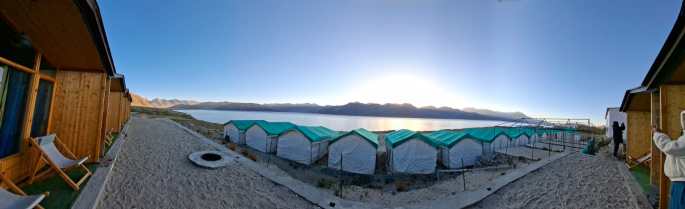
We lost track of time as we stood admiring the beauty of the lake and soon had to go to our resort. Our rooms were overlooking the lake and the views from the resort were also awesome.

Our Hotel overlooking the lake and views from our room

After tea and some snacks we sat outside our rooms taking in the beauty of the place.

There was a skylight in our room and at night the stars were visible from our beds. That was another unique experience!

The skylight that helped us stargaze from bed….

Hold your breathe for the next surprise…

We saw the milky way in all its glory that night on the banks of the Pangong. In the pitch dark sky, that amazing cloudy mass was a sight to behold!!. Standing there we kept looking at it as it slowly seemed to change its outlines. Unfortunately, we could not capture it for you. But I must tell you, it was a once in a lifetime moment…

A picture from Pexels just to illustrate what we saw…

A host of satellites were also visible crisscrossing the sky.

Next morning, we woke up to see the sunrise…take a look..

Sunrise views…

And the grass that feeds the pashmina goats and gives the lake its name…

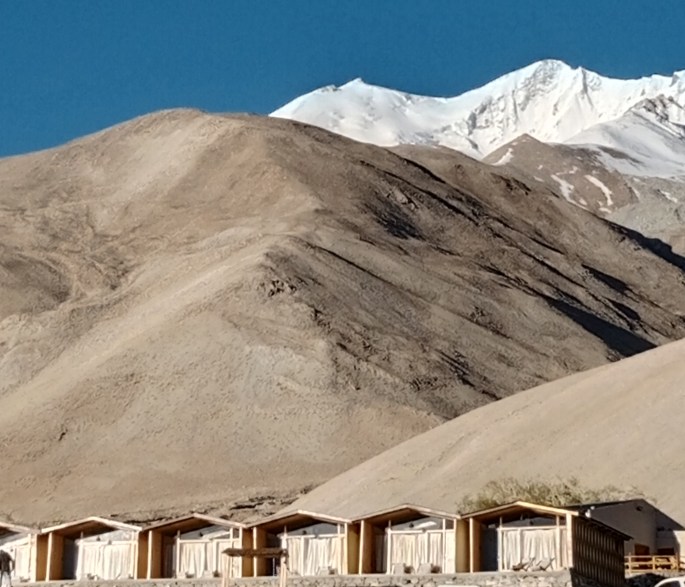
As the golden rays illumined the snow capped peaks behind our resort..

The sunlit snow capped peaks behind our resort

After sumptuous breakfast at the resort, we bid farewell to this highlight of our tour to Ladakh thinking of the truly diverse destinations our country has.

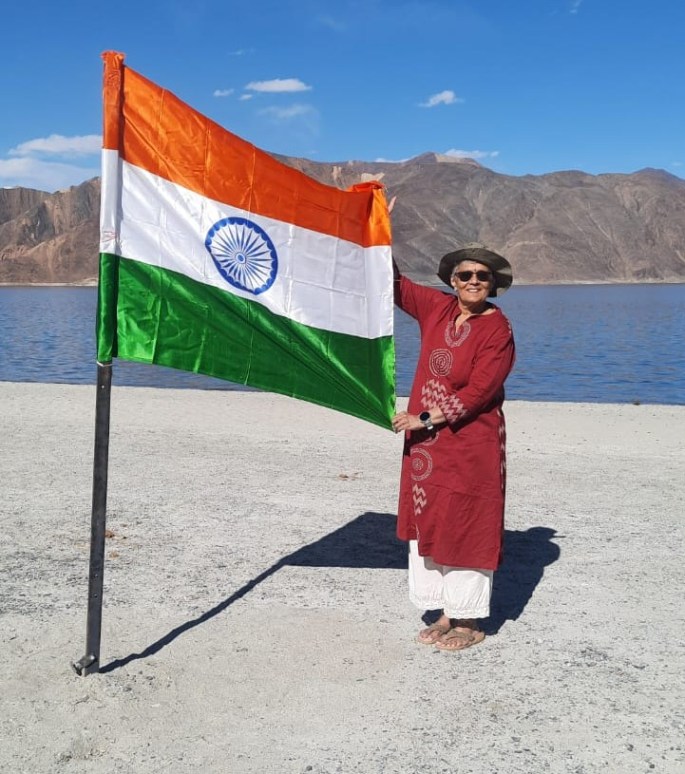
But not before a shot on the banks with our national flag….

Jai Hind

This trip was undertaken soon after the Pahalgam terror attack giving rise to fears and uncertainty and has to be viewed with that backdrop.

I end this episode with a respectful bow to the armed forces guarding our borders and the allied services like BRO that made this amazing trip possible.

See you next week at another amazing destination. Meanwhile do subscribe, like and comment…

A Journey Through NE India’s Diverse Traditions

North Eastern India has unique culture and traditions. During our trip to Meghalaya, we experienced some of this and this episode covers that.

From Shillong, we visited the Sacred Forest of Mawphlong which is a revered place for the locals

Mawphlong Sacred Forest

A forest revered by the local Khasis, this place resembles the meadow mounds at Munnar in Kerala. But at the other end of these mounds is a thick canopy of trees which comprise these sacred forests.

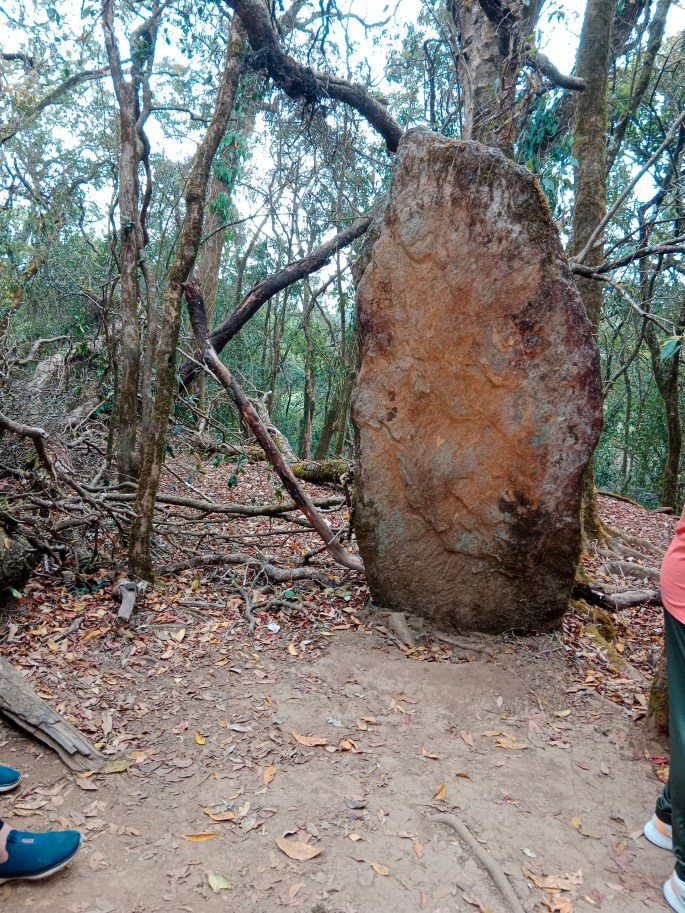
A wooden board invites us to the sacred forest which has a monolith just outside its main entrance.

Such monoliths are found all over Meghalaya much like the white flags in Bhutan. They are commemorative and put up by families in memory of their dear ones.

The board and the monoliths in front with the sacred forest behind

Just before we entered the sacred grove, our local guide briefed us about the significance of the forest. The locals consider this a very sacred place and hence we are not allowed to carry anything out of the grove. He said he has personally seen people who did not adhere to the rules being cursed and punished.

After the briefing we slowly started walking through the grove.

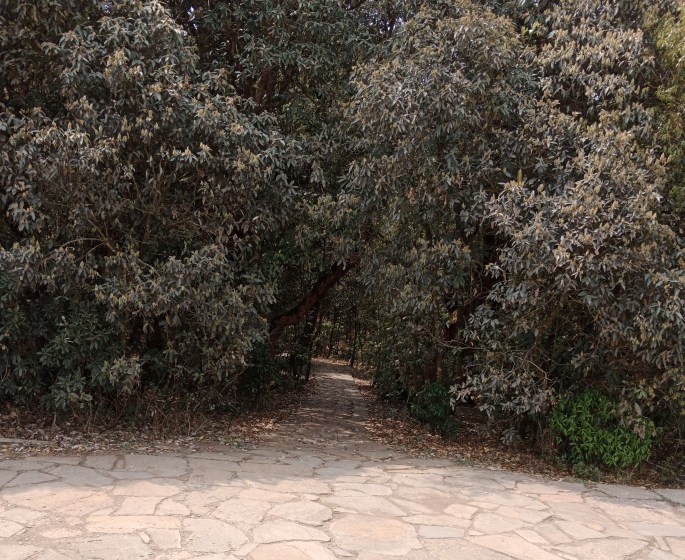
The entrance to the sacred grove

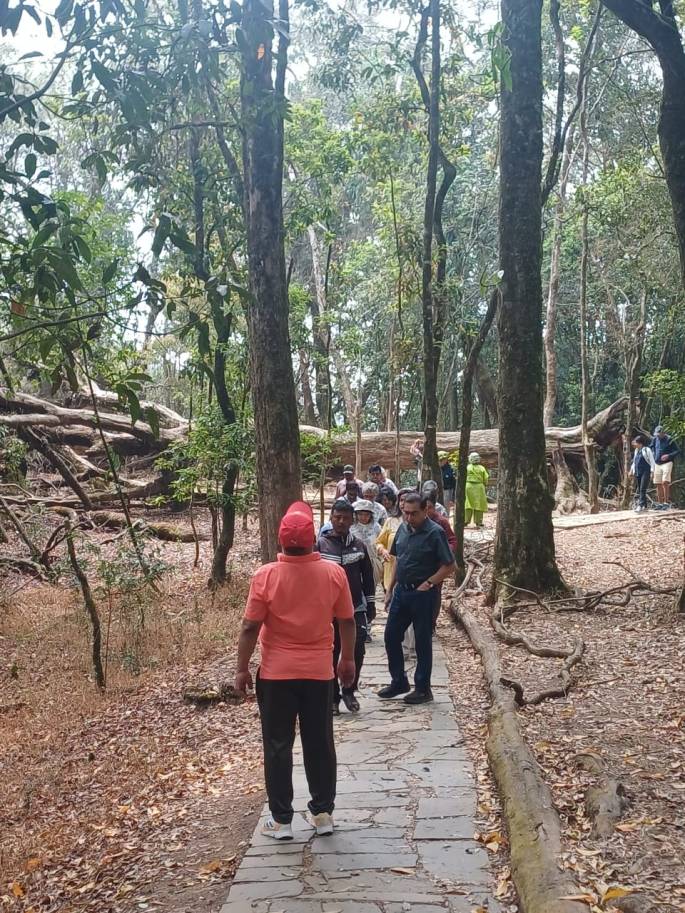
There is a paved passage in between tall trees on either side and our guide explained the significance of some of the plants and trees.

Inside the sacred forest

One of the first things was a fern with brown tender shoots. These brown shoots are processed and used as earrings by the local women. He also explained how the Rhododendron flowers were used for color and also in tea.

The fern that is used as earrings and the Rhododendron tree

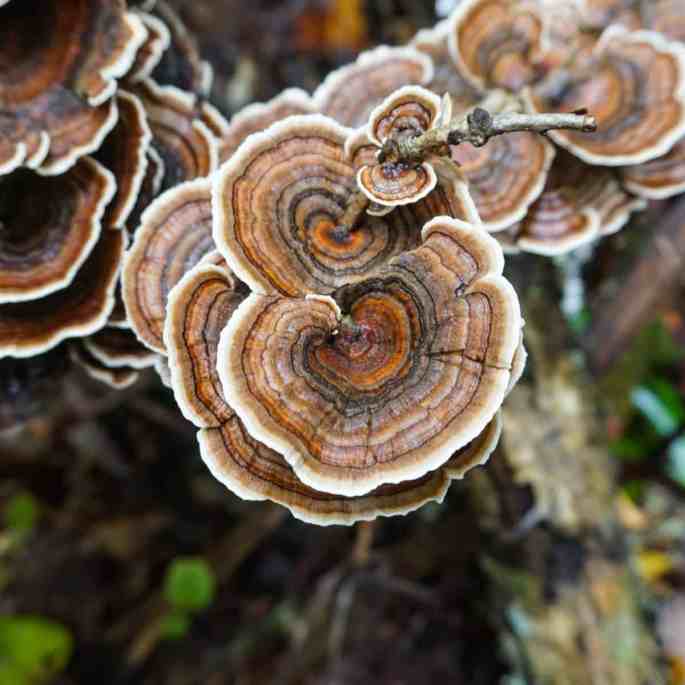
Many of the trees had mushrooms and orchids growing on them

Mushrooms growing on trees

Various kinds of lichen and moss were seen growing on the tree trunks and some of them are believed to change color when wet. A cute blue flower called cat flower that glows in the dark was seen all along the forest floor.

Lichen and moss and the cat flower that glows in the dark

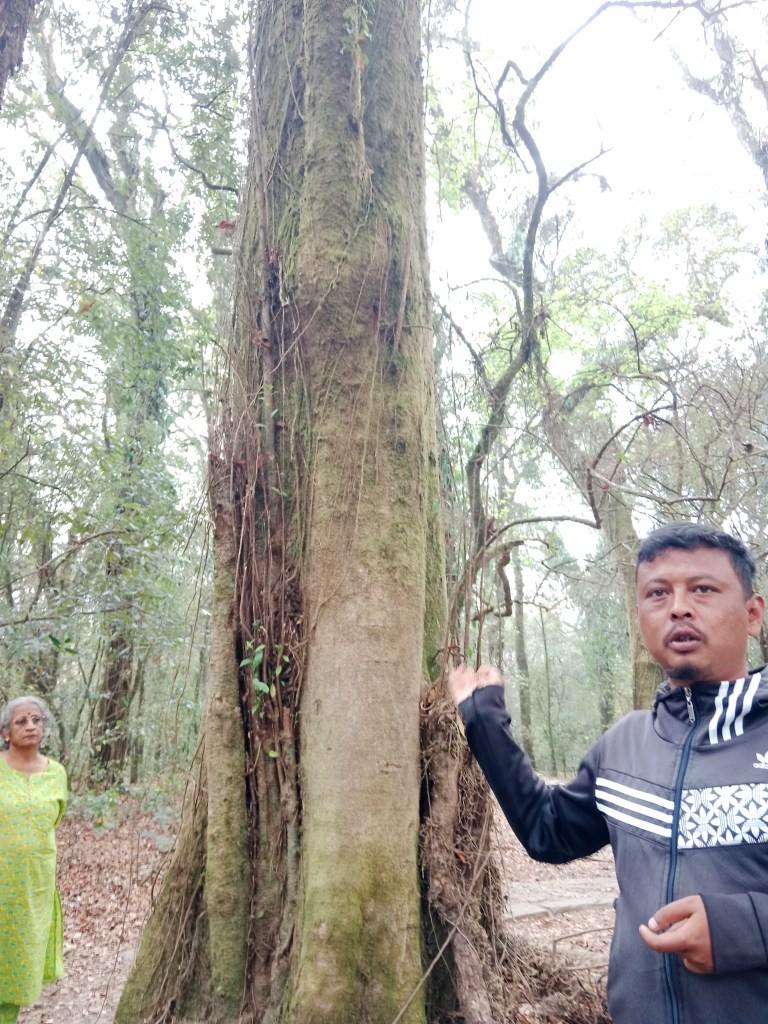
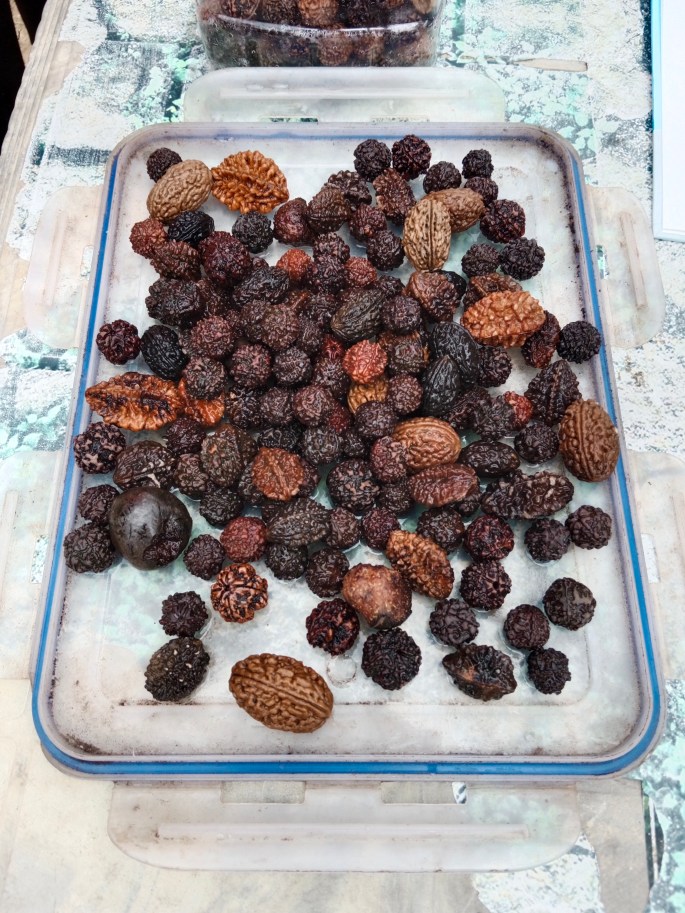
An important tree we saw was the Rudraksh tree. It is sacred for the Hindus who wear the rudraksh on the body for various positive effects. We also saw multi faced rudraksh seeds.

Outside the grove, various kinds of Rudraksh seeds were on sale.

The Rudraksh tree and a three faced rudraksh seed

Rudraksh seeds for sale

The religious importance of this forest for the locals was visible in the form of monoliths at several locations. Some of them were places where rituals were held.

Monoliths where rituals were held

Before we left the sacred grove our group posed for a picture…

Our group in the sacred forest

Another destination that revealed the cultural diversity of NE India was Cherrapunji

Our resort at Cherrapunji was very beautifully located and here are some pictures from there…

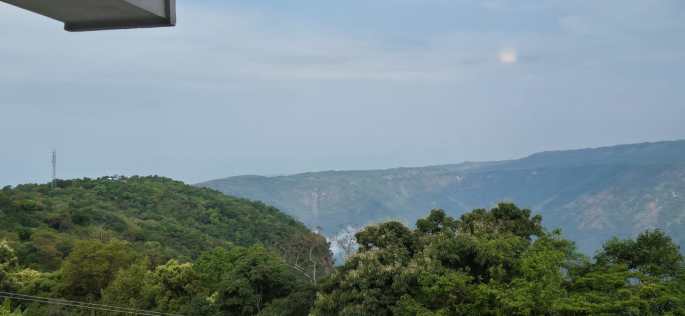
Views from our resort with densely forested hill slopes across a deep valley

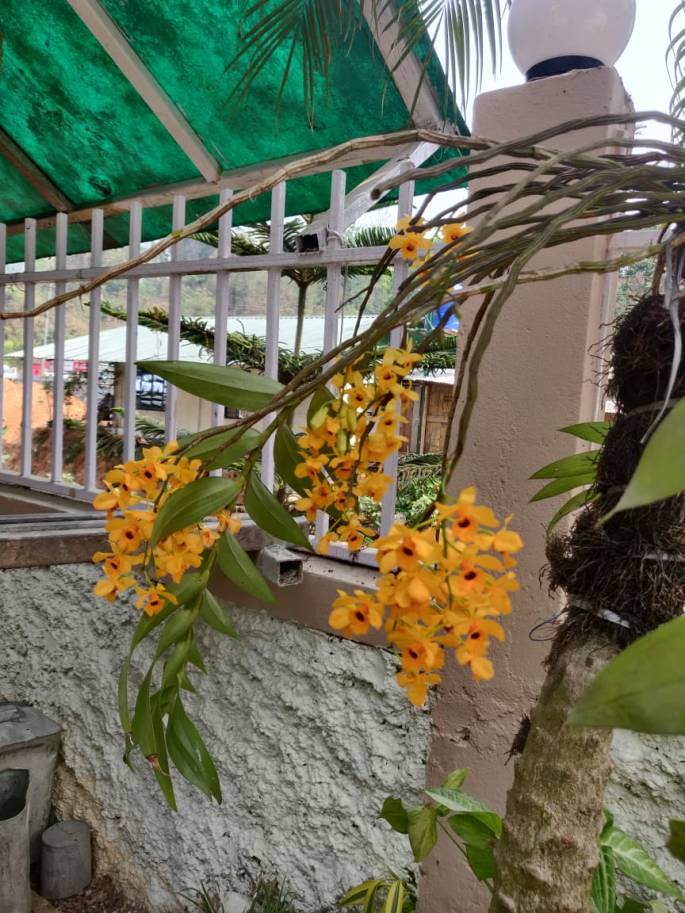
At most places in Meghalaya, beautiful flowers, particularly orchids had bloomed in plenty; adding colour and beauty to the place…

The flower beds that added to the beauty of the place.

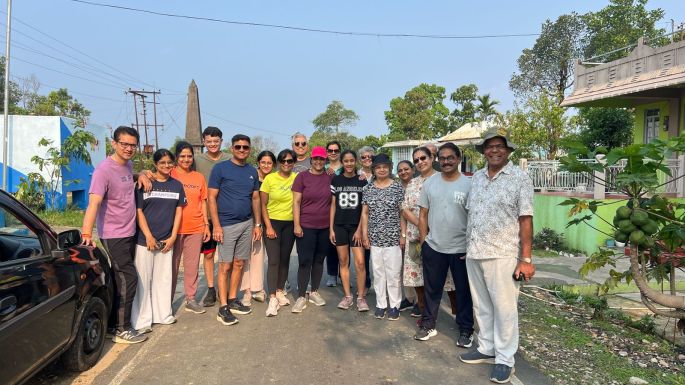
One of the activities at the Cherrapunji resort was a heritage walk from the resort to a small village nearby . The early morning fresh air with the chirping of the birds and the typical smell of burning firewood from the homes was a welcome change for us.

During the heritage walk to the village…

A traditional village home

Evenings at the resort were fun filled with lot of singing and dancing by the hotel staff..

The girls danced to a local song (click on the video to watch)

Another dance with swords…

They also had traditional attire for the guests to try on and some of us ladies tried it too..!!!

Ladies from our group in traditional attire..

The staff also encouraged us to perform their local dances. Here is a video for you to enjoy…

Our group members perform a traditional dance( click on video)

A picture with the performers in the end…

During our visit to Kaziranga National park also, there was a cultural show where traditional dances were performed..

Some pictures from the cultural show…

Traditional instrumental music ( click on video)

Click on the video to enjoy the traditional dance

Traditional dances

Click on video to watch a dance performance

The Tantric Temple at Guwahati where feminity is worshipped was another cultural and religious attraction.

Kamakhya Temple

A tantric temple dedicated to Goddess Kamakhya, this temple also reflects the cultural diversity of the North East.

Built initially in between the 8th and 9th centuries, the temple has seen many modern additions and modifications. Female sexuality is worshipped here and the annual festival symbolises celebration of menstruation of the Goddess.

Offerings to the Goddess are usually flowers but may include animal sacrifices.

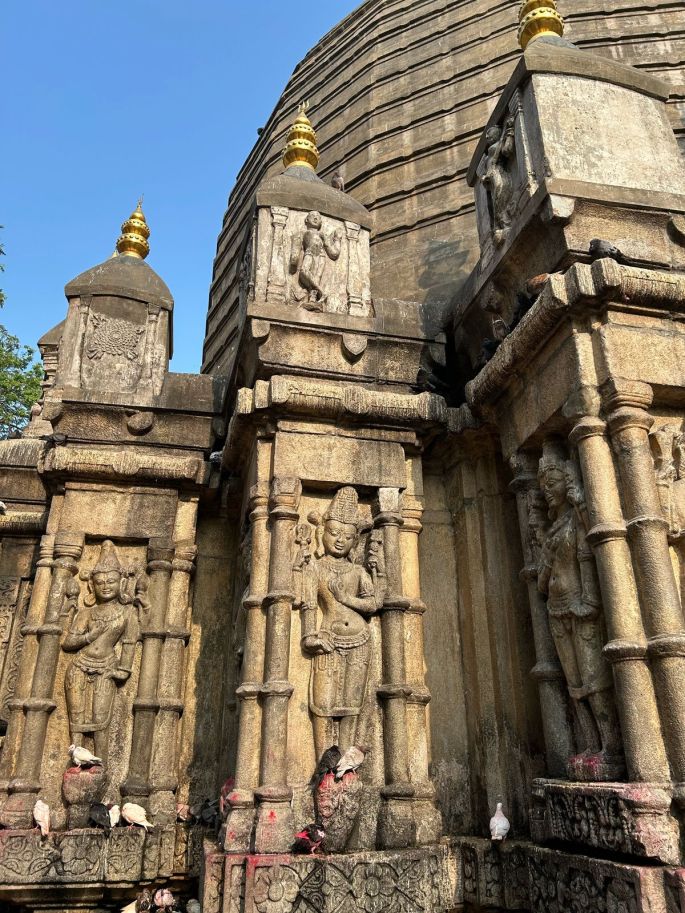
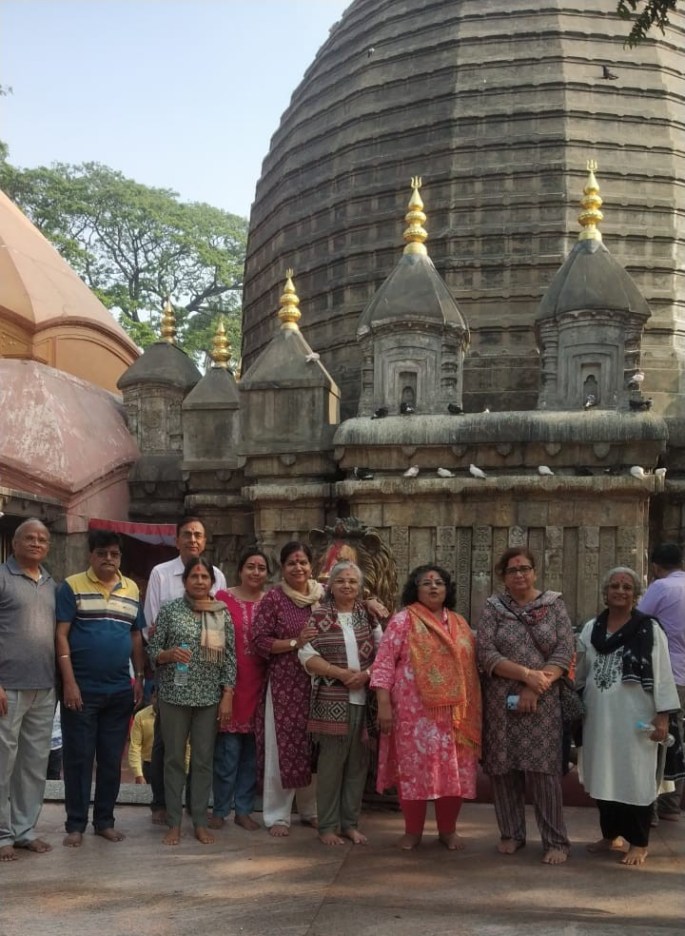
Some pictures from this unique temple…

The exterior of the temple with beautiful carvings

When we visited the Goddess…

Well, this is just a sample of the unique culture and artistic forms seen in this part of India. Rich in culture and tradition, this part stands out for its diversity and beauty.

With this, I conclude the series on Meghalaya. We now go on to Ladakh; another amazing part of India that will leave you spell bound.

Till then, do subscribe, like and comment..

Kaziranga National Park: Home of the One Horned Rhino

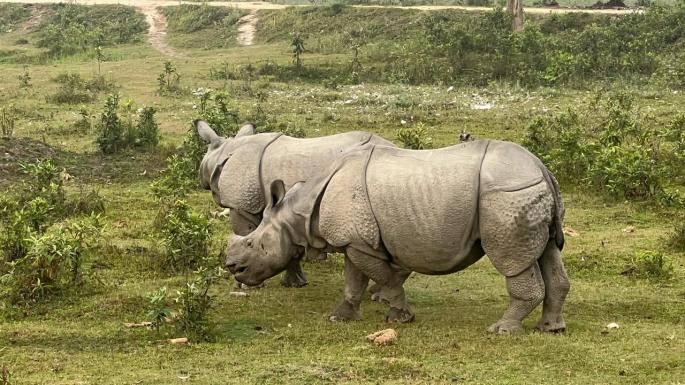
Kaziranga National Park located in the state of Assam in Northeast India ; covers an area of 430 square kilometers and is home to the unique one horned rhinoceros. Although the name Kaziranga is almost synonymous with the rhino, this park is home to a variety of wildlife including elephants, swamp deer, sambar , wild boar ,water buffalo and tigers. It is also an important birding location and is congruous to the Eastern Himalayan Biodiversity hotspot. Outside of Africa, it is one of the few wild breeding ground of tigers and leopards. The Indian python, one of the largest snakes in the world inhabits this park.

The park was established as a reserve forest in 1905 and became a national park in 1974. The establishment of this park is attributed to Mary Curzon, wife of Lord Curzon ; the then Viceroy of India. During her visit, she was unable to spot any rhino and this alerted the Viceroy to have a protected zone. This beginning was followed by several changes to the area covered and the status of this park changed over several years from reserve forest to game sanctuary to wildlife sanctuary to national park and became a UNESCO world heritage site in 1985.

It is a vast expanse of tall grass, marshland, several water bodies and moist broad leaf forests. Kaziranga has also faced natural calamities like floods as the Brahmaputra and other rivers crisscross this park. Several animals have drowned in unprecedented floods.

The monsoon season is between May and August and the park is closed to visitors at that time.

Rhino poaching was a big challenge faced during the early years and the strict enforcement of the anti poaching act has led to increase in rhino population over the years.

Safari Zones

Kaziranga is split into four safari zones : Central at Kohora, Western at Bhagori, Eastern a Agaratoli and Burhapahar at Ghorakati

The main attraction here of course are the safaris that take you into the park for wildlife viewing. Jeep safaris and Elephant safaris are available. Jeep safaris are hired per family and not shared. They take you through the regular tracks in the forest for about two hours . Rhinos are easily spotted in addition to elephants and deer. These safaris are available both in the morning and evening. Elephant safaris are more unique and are available only early morning. Four people sit on a seat fitted on the elephant’s back and the mahout will take you up close to wildlife; mainly rhinos. Elephant safaris need to be booked well in advance as the number is limited.

Our Trip

We undertook a trip to Kaziranga from Guwahati on our return from Meghalaya. There was another couple from the Meghalaya tour with whom we did this tour. More as we look at the pictures….

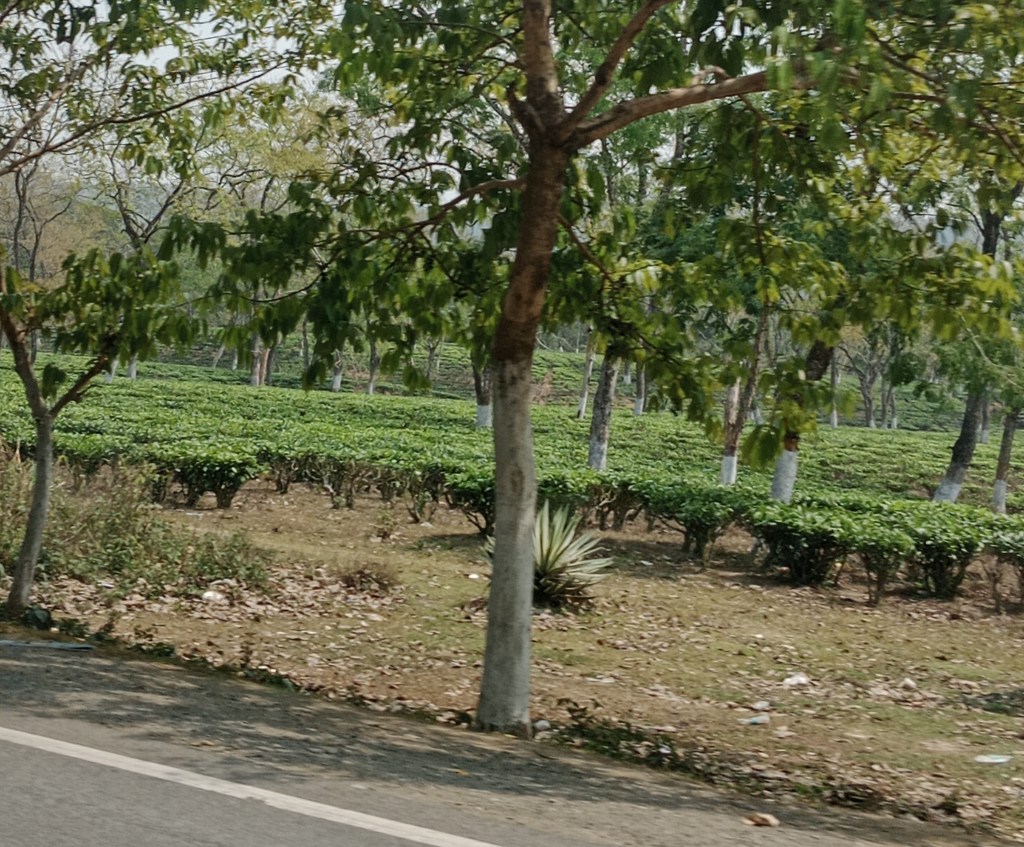
The drive to Kaziranga took about four hours and after the initial part of the drive through the city, we were on winding roads, partly in Assam and partly in Meghalaya. As we reached Kaziranga, there were lush green paddy fields at places and tea gardens elsewhere.

Paddy fields and tea gardens as we neared Kaziranga

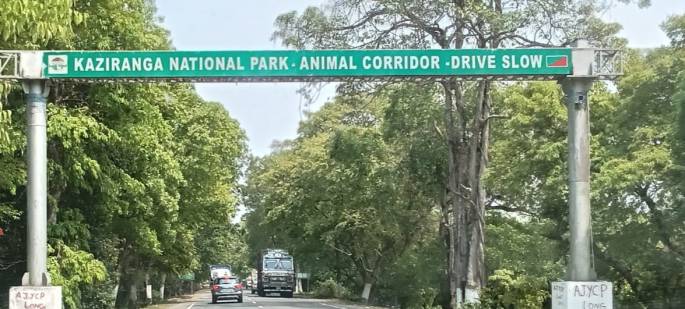
There are strict speed restrictions as we near the park and so it takes a long time even though the distance is around 200 kms only.

The welcome board with speed alerts

Soon we were at Kaziranga town and we checked into our hotel for a quick lunch before heading for the safari.

The jeep safari started at 2 pm and we saw plenty of rhinos right from the entrance.

All set for the jeep safari.

The Ecoshop just as you enter the park

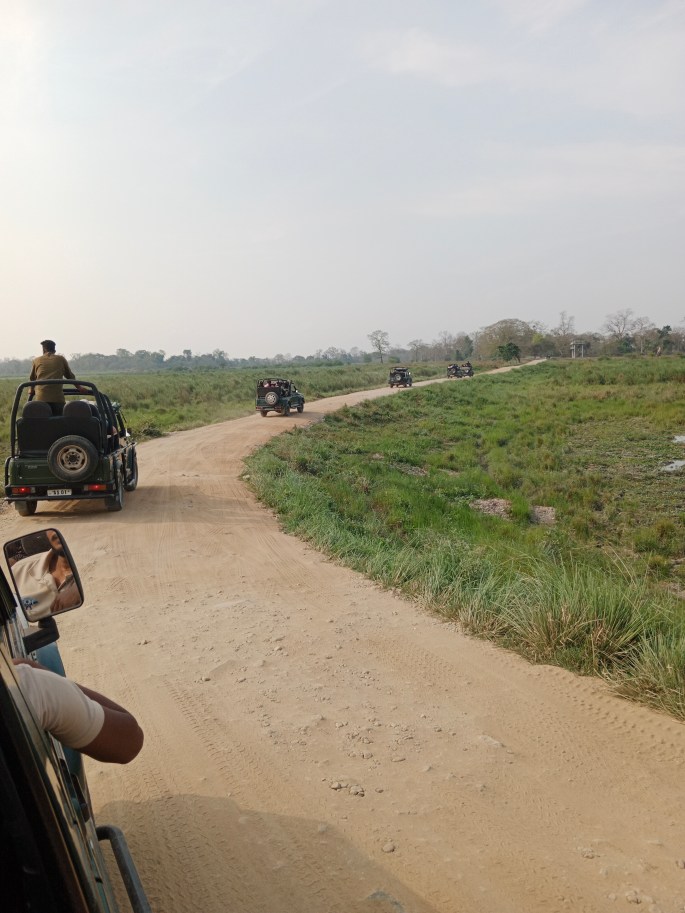
The jeeps going along the tracks

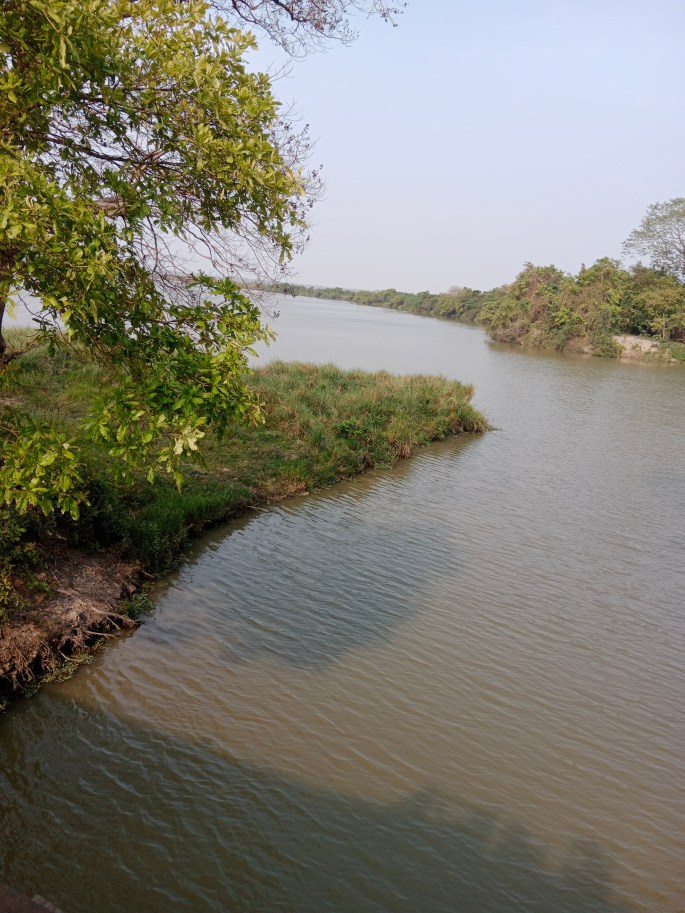
The general landscape is of tall grass interspersed with trees and plenty of water bodies.

The general landscape

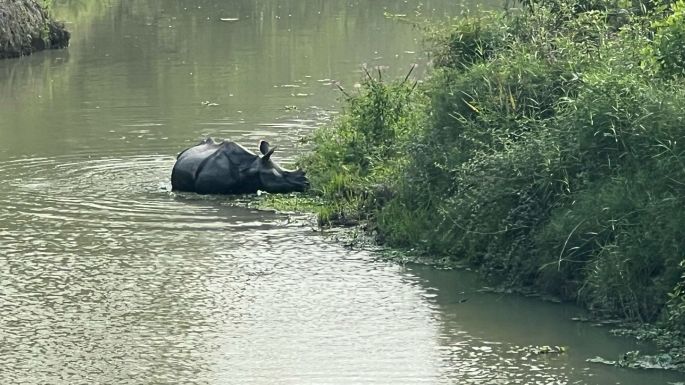
One rhino grazes while another lazes!!!

Almost posing….

A rhino and cub with some deer in the backdrop

The elephants

It was our safari jeep driver Sameer who pointed out an interesting sight…a python resting inside a hole in the tree…take a look..

A python having his siesta!!!

Deer

Water birds

A chestnut headed Bee eater

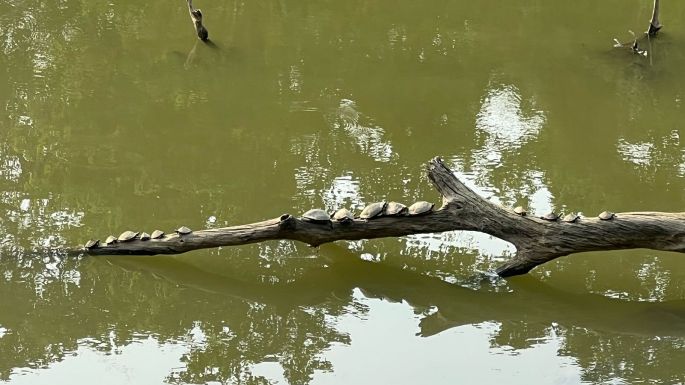
And this was probably the cutest of all….a group of turtles on a log…

Turtles on a log….

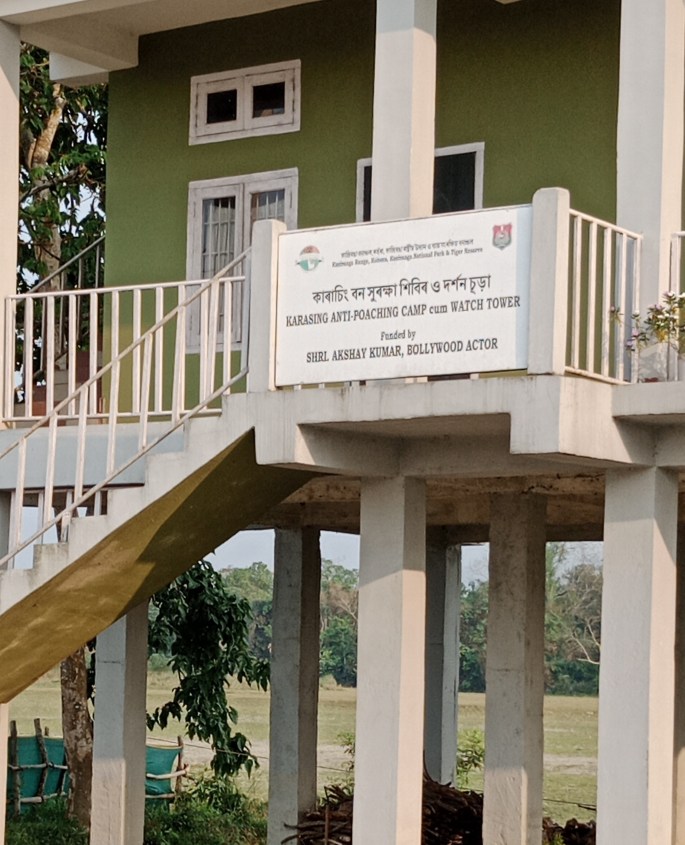
A very positive sight were these watch towers scattered all over for preventing poaching…

An anti poaching watch tower

Elephant safari

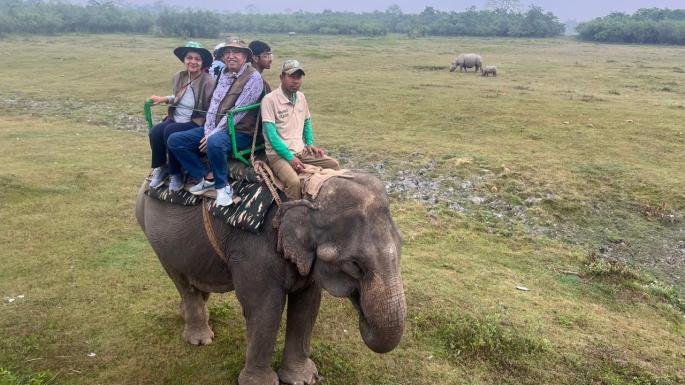
The morning elephant safari takes one close up to wildlife and here are some pictures….

The elephant safari

As close as one can get!!!

I hope you enjoyed this virtual Kaziranga safari. Let me leave you with a video of a rhino as he walks away into the bushes…

The giant slowly retreats ….

Hope you enjoyed the tour of Kaziranga.

See you next week at another interesting destination in Meghalaya. Till then, do subscribe, like and comment.

Unveiling Meghalaya: A colonial past and the cleanest village

Driving down from Guwahati to Shillong, we visited Umiam lake that lies almost midway between Shillong and Guwahati.

Umiam Lake

Situated on the Guwahati Shillong highway, about 20 km from Shillong is this man made lake known also as Bara Pani. The lake is actually a reservoir created by damming the Umiam river.

The reservoir was built in 1960 as part of a hydro electric project and has since seen expansions. The valley where the lake now lies was home to around 200 families who were displaced by this project.

Apart from providing electricity and irrigation facilities, this lake is an important tourist destination in Meghalaya today.

After a long walk along the side of the lake, we reached the main recreational area where there are boating facilities and water sport activities.

Some pictures…

Different views of the lake

A boat ride on Umiam lake

Driving down further, we reached Shillong by noon and proceeded for lunch…

Lunch at Shillong

Shillong was originally the capital of the erstwhile state of Assam and later became the capital of Meghalaya when the new state was formed.

Khasi, Jaintia and Garo are the three main tribes of Meghalaya and Shillong is named after the Khasi God “U Blei Shyllong “.

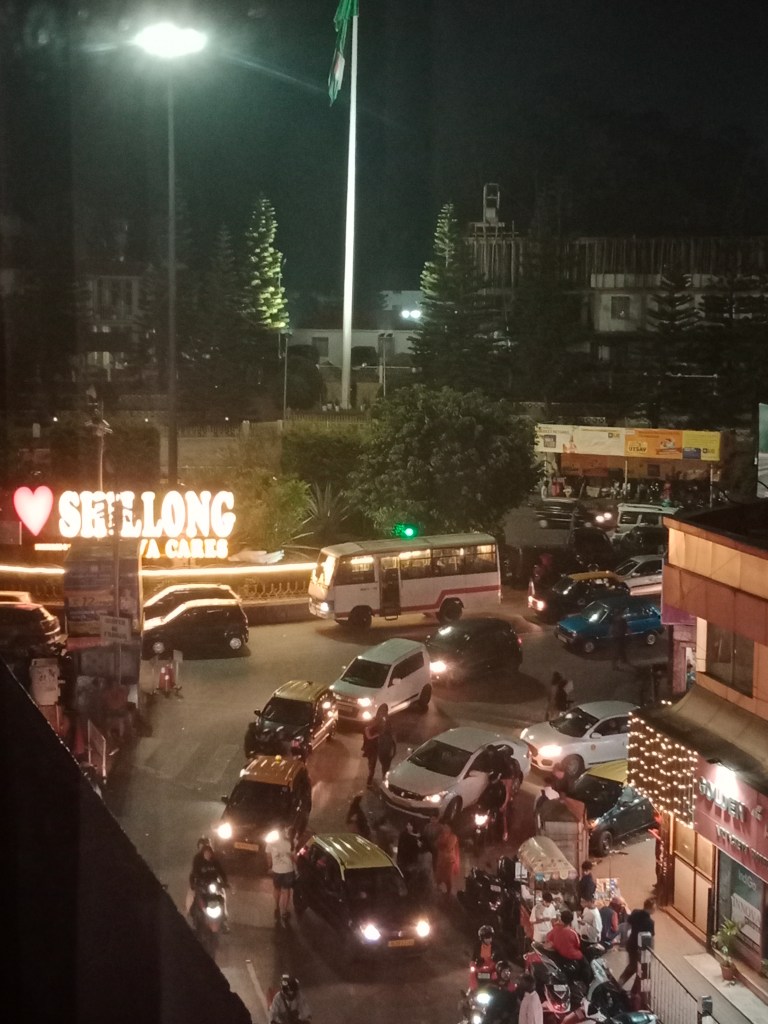
The salubrious climate of Shillong attracted the British who consolidated their interests here. The remnants of a colonial past are visible all over Shillong. The views of the city lying on the slopes of the Khasi and Jaintia hills looks beautiful . However, with unplanned growth, the old world charm seems to have been replaced with modern buildings and crowded streets.

Remnants of a colonial past

Replaced by modern buildings and traffic choked streets

Post lunch ,we visited the Don Bosco Museum

Don Bosco Museum

Situated in Shillong city, this museum is a storehouse of indigenous culture and tradition of all the Northeastern states of India.

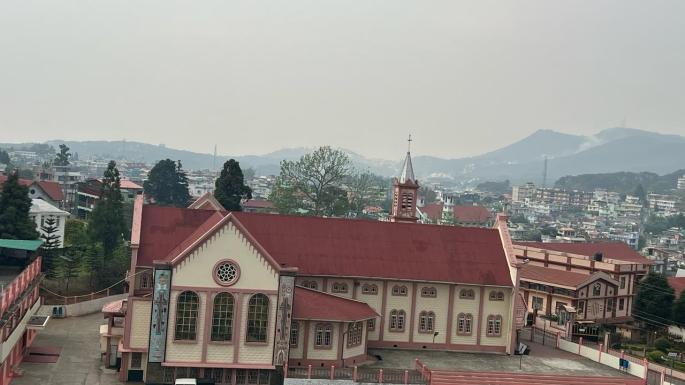
The museum is located within the premises of the Sacred Heart church and has seven floors with a sky walk on top from where a great view of Shillong can be enjoyed.

The collection in the museum is divided into 17 galleries over the seven floors with each gallery representing a different theme. Many of the figures of tribal life are life size and create a feeling of reality. Tribal artifacts like clothing, jewellery, tools, musical instruments, sculptures and paintings adorn the various galleries. Tribal books and manuscripts are also on display.

Some pictures…

The Don Bosco Museum

The commemorative monolith and plaque at the entrance

Life size statues of various tribes

Different kinds of jewellery

Musical instruments

From Shillong we also visited Asia’s cleanest village….Mawlynnong .

Mawlynnong Village

Located in the east Khasi hills 90 kms from Shillong, this village close to the Indo Bangladesh border looked definitely like an ideal village.

It was green all over with cute houses on either side of a well maintained road. Most of the houses were home stays and had atleast a small garden in front of it. The village has around 120 households; most of them belonging to the Khasi tribe.

The Khasis are a matrilineal society taking the mother’s surname and youngest daughter inheriting the property of the parents. Women are thus held in high esteem and they are well educated too.

Betelnut and fruit cultivation is the main occupation here .

Waste is collected in bamboo baskets and put in a pit and converted into manure in a community initiative involving all the villagers. Smoking and use of plastics is prohibited here.

Some pictures..

The Entrance to the village

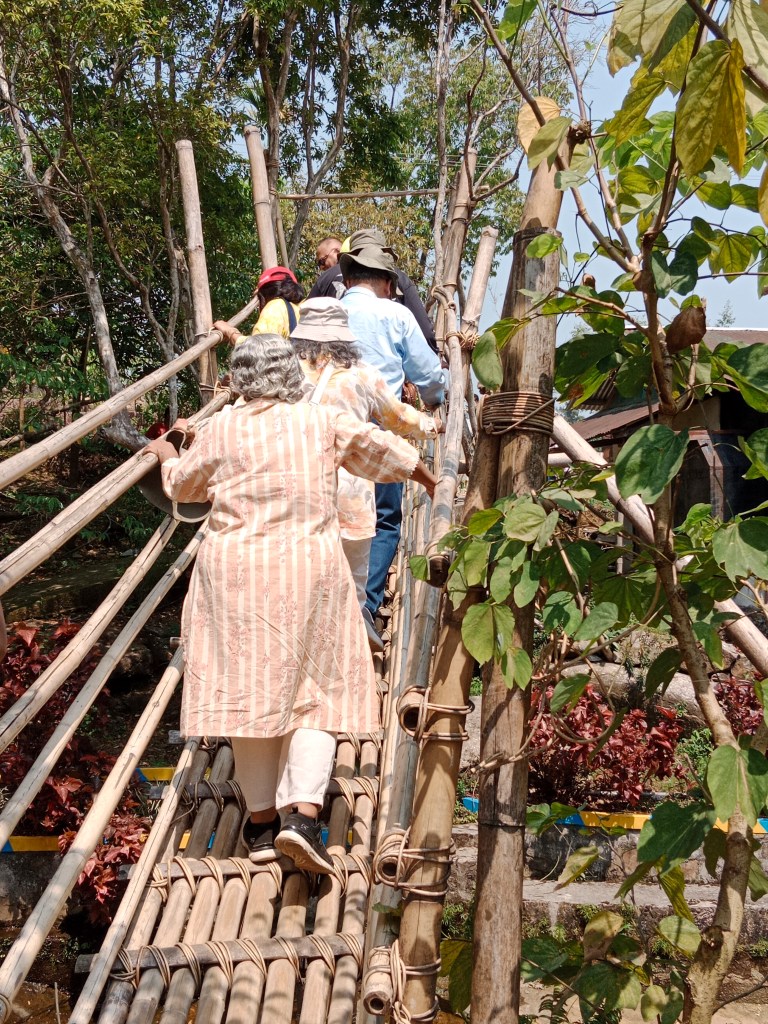
A short walk on a bamboo bridge

The clean road…our tour manager poses and ecofriendly resting spots

The enterprising Khasi women go about their daily work

A typical house with its own garden

We had lunch at a restaurant within the village run entirely by a family of enterprising women…

The restaurant where we had local food

The village offers an example of how local cooperation can help to keep our environment clean and garbage free and create a self sustaining environment .

Hope you enjoyed this episode. See you next week with more from Meghalaya.

Till then, do subscribe, like and comment…
Some disappointments at Meghalaya

Today is a rather unusual episode as will be evident from the title. Occasional disappointments are an inevitable reality of travel and today’s episode is testimony to that.

Meghalaya , as the name suggests means Abode of the Clouds. True to its name, it gets lot of rainfall and hence is endowed with beautiful waterfalls. So I had this mental picture when I embarked on this trip.

But I must tell you right in the beginning of this episode that my expectations were high and the place did not live up to my expectations. Perhaps the wrong season of travel, perhaps unrealistic expectations, perhaps the hyped marketing …whatever be the reason, it definitely did not hold me in awe as many other places have done.

Be that as it may, let me give you a realistic picture of what I experienced.

Seven Sisters Waterfall

True to its name, it is a seven segmented waterfall close to Mawsmai village in the Khasi hills of Meghalaya. It is one of the tallest waterfalls in India falling from a height of 1033 ft.

The falls plunges abruptly over limestone cliffs from a table top mountain into a pool at the bottom and to enjoy the falls, we have to visit during the immediate post monsoon season.

Unfortunately, we visited in the month of April and it was dry. Of course the cliff itself was a sight but there was just a small thin stream of water we could see…

The seven sisters falls…the red mark shows the single streak of water

Noikhalikai Falls

This is the tallest plunge waterfall in India falling from a height of 1115 ft. Below the falls is a pool with unusual green color of water.

This waterfall is associated with a sad legend of a lady called Likai who jumped off the cliff in sorrow after her daughter was killed by her second husband. The legend is explained in a plaque at the site.

Noikhalikai falls

Elephant falls

A three layered waterfall ; this had more water than the other two ,though the height of the falls was not much. A flight of stairs takes one to the bottom where the water forms a pool.

Elephant Falls

From the pictures above, most of you would agree with my opening remarks. The other disappointment was at Dawki. I have seen several pictures of crystal clear water of the Dawki river with boats floating on it. Read on to see what I encountered…

Umngot River

Umngot river is also known as Dawki river and is a river that flows through Dawki town in the foot of the Jaintia Hills on the Indo Bangladesh border. As we drove to Dawki, the fence at the border was very clear and well maintained at many places but quite the opposite elsewhere.

It is one of the cleanest rivers and an important fishing destination for the locals. A suspension bridge spans the river.This river is famed for its crystal clear water allowing us to get a clear vision of the river bed. Unfortunately, we were unable to get that clarity on the day of our visit as it had rained the previous day as per to our local guide.

After a short walk from the parking lot we reached a boat jetty which was really crowded and just behind that was the board showing Indo Bangla border. At this place, the border seemed absolutely porous….

The place where we boarded our boats seemed more like a crowded bathing ghat to me…

The crowded area from where tourists board the boats

The porous Indo Bangladesh border at Dawki

The boat ride on the Dawki river

The suspension bridge

Steep rock formations along the sides and the water gushing down at one end

While along one side were rounded stones

What we saw vs what was expected!!!

So it was with a bit of disappointment that we left from Dawki.

I am sorry that this post has been a disappointing one…but I have to tell you the truth. Hopefully when you travel, you will be able to see these places in the best of times…

See you next week with more encouraging destinations.

Till then, do subscribe, like and comment…
Cruising the Brahmaputra; some highlights

We started our Meghalaya tour from Guwahati where we undertook a cruise on the Brahmaputra river . We reached the cruise jetty by bus and boarded the cruise. Let me take you straight to the cruise through my pictures…

The booking counter

The Cruise Ship was ready and we boarded it …
Boarding the cruise

Inside the cruise ship

After the boarding was complete, the cruise started leaving the shores and we could see the ship cutting through muddy waters of the Brahmaputra.

Cruising the mighty Brahmaputra

As we were sailing along we saw the cable cars of the Brahmaputra Ropeway crossing us. This is a ropeway across the river connecting Guwahati to North Guwahati.

The Brahmaputra Ropeway

We were served tea and snacks on board…

Tea and snacks

We also crossed a huge bridge being built across the Brahmaputra…

A bridge under construction ( click on video )

We also passed some other cruise boats…

Click on video above..

Soon, the entertainment on board started and we enjoyed the songs and dance. Initially there were Hindi film songs and then it went on to traditional Assamese songs to which most of the guests danced . It was a real enjoyable experience…

Entertainment on board. ( click on video to enjoy the Assamese song)

By now, the ship had reached back the starting point and we disembarked but not before a group picture on board…

Bidding goodbye to an evening of fun on board the Brahmaputra cruise

As we left the jetty

Taking our buses back to the hotel we rested for the night in anticipation of a great tour of Meghalaya.

Hope you have enjoyed the cruise and some of the episodes on Meghalaya that have already been covered.

Do subscribe, like and comment…