Araku Valley

Araku valley is a hill station in the eastern ghats located about 110 kms from Visakhapatnam. Araku valley is famous for its coffee plantations and is home to various tribes. Having heard a lot about this place, we decided to visit Araku valley from Vizag.

Araku Valley

A popular tourist destination in Andhra Pradesh, Araku ia at an elevation of about 3200 ft and is known for its greenery, coffee plantations, spices specially pepper, waterfalls and streams and a rich tribal culture.

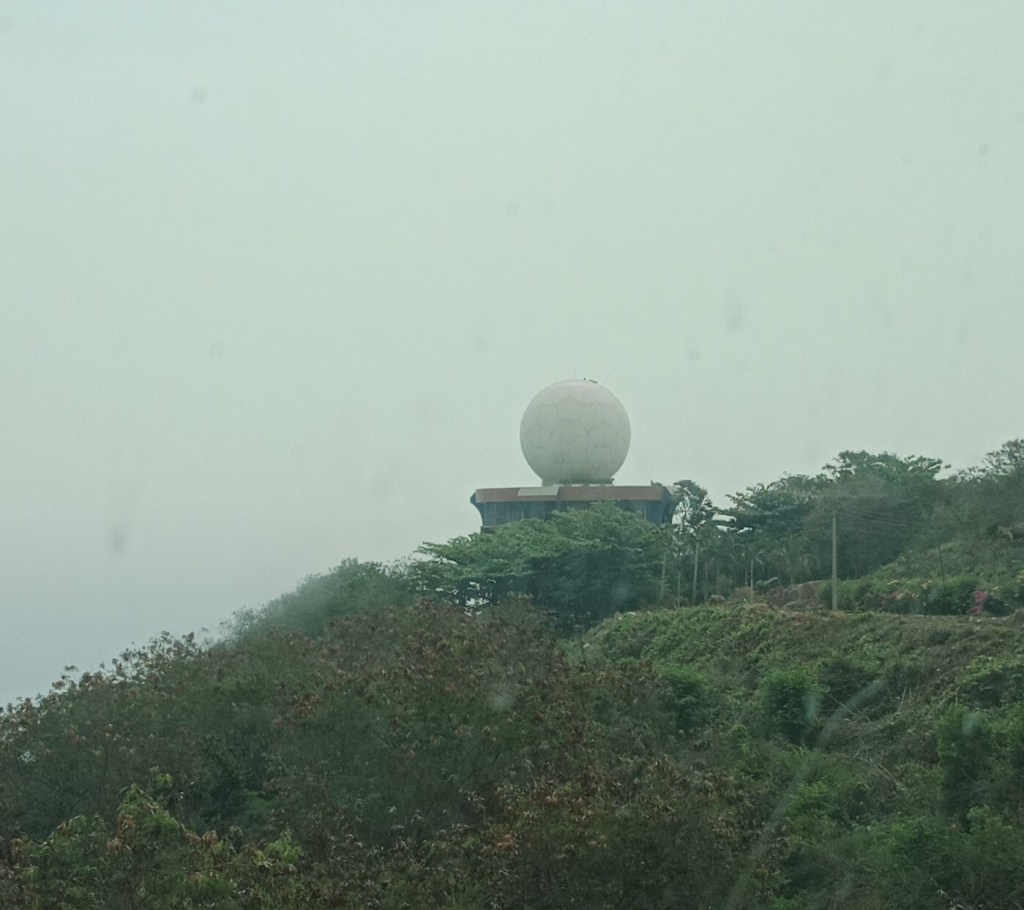
Ananthagiri and Sunkrimetta reserve forests are a part of the Araku valley. Galikonda at an elevation of 5000 ft is the highest point and there is a viewpoint there from where you can see the plains below. Trekking is a popular adventure activity here and lot of camping sites are available.

Bee keeping is a popular occupation here among the tribals.

Our Trip

Driving down from Vizag we headed to Araku valley. The road to Araku valley was not particularly good and the drive was not very comfortable. Farmlands with paddy cultivation formed the landscape for a considerable time. After that we hit some winding roads with bamboo forests on either side.
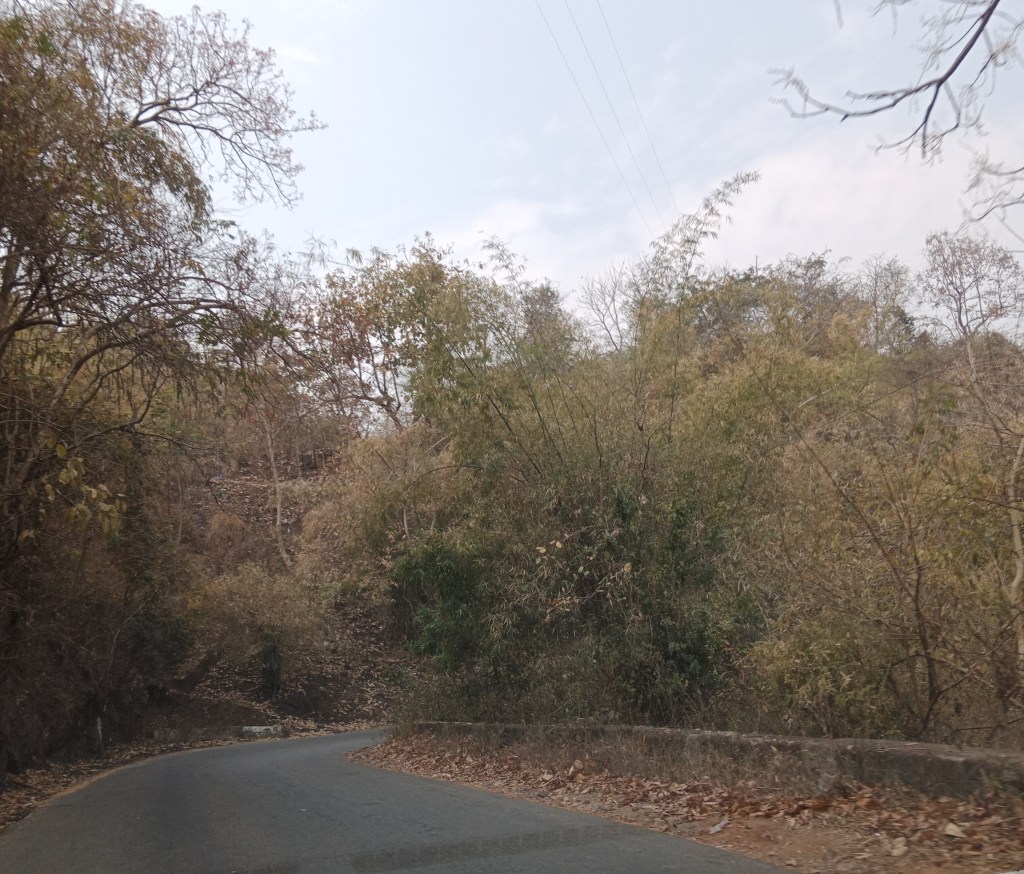
Bamboo forests enroute Araku

Soon we were among some coffee plantations
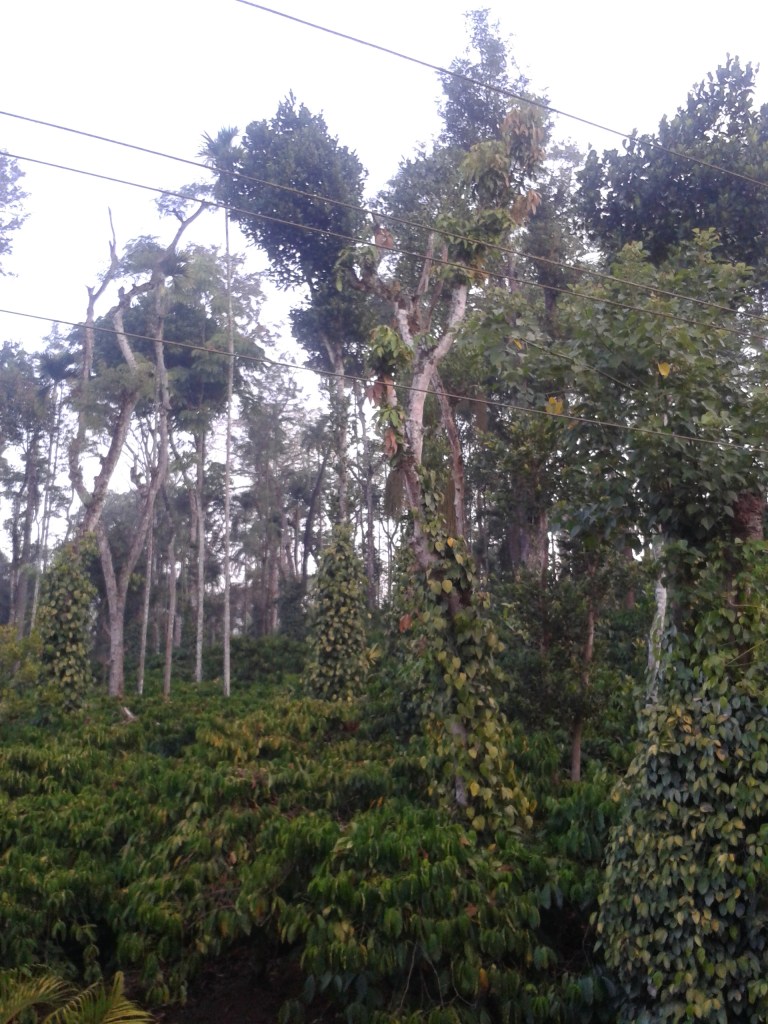
Coffee plantations and pepper vines

Pepper and coffee pods

Soon we were at Galikonda view point from where we could see the plains below
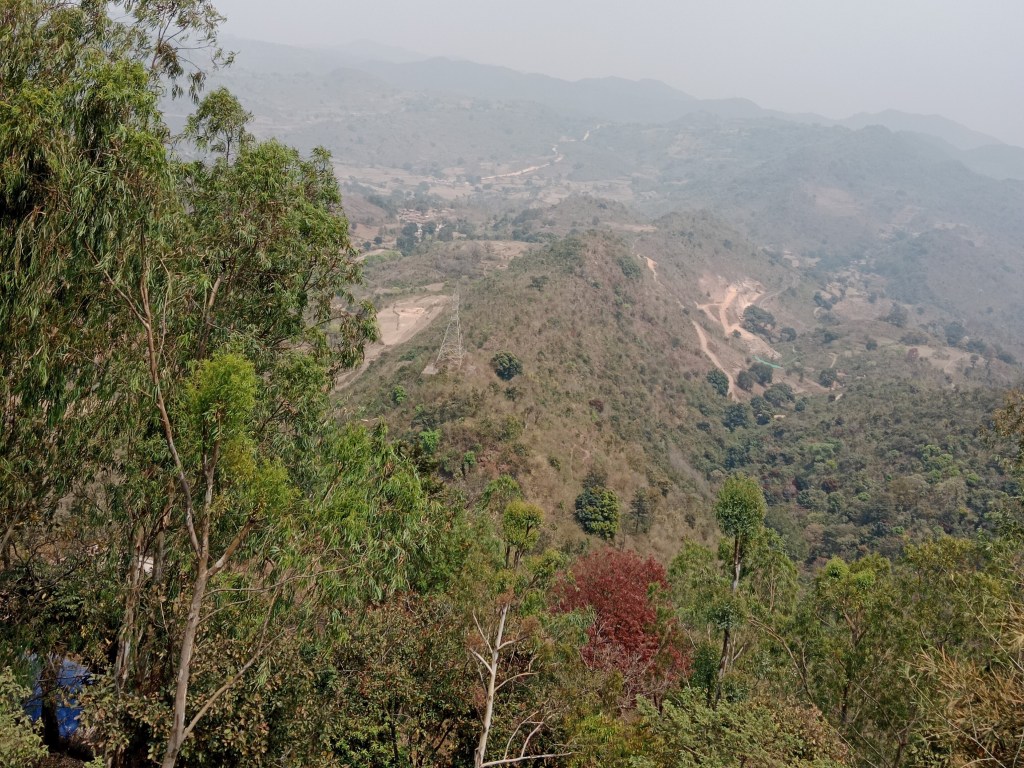
View of the plains from Galikonda

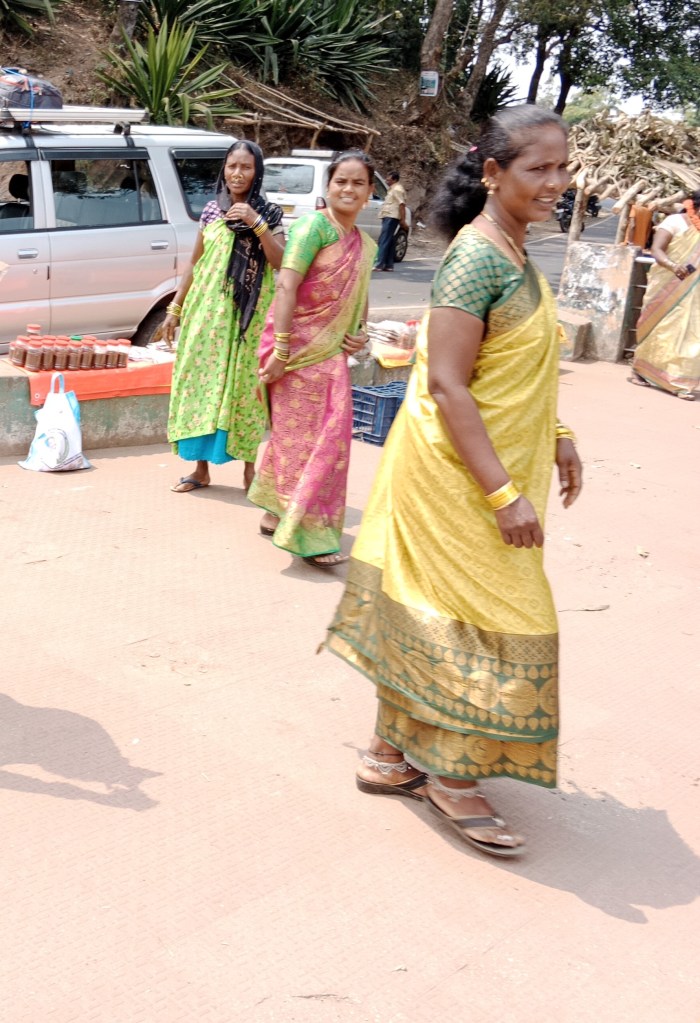
At Galikonda, we happened to see some tribals in their traditional attire.
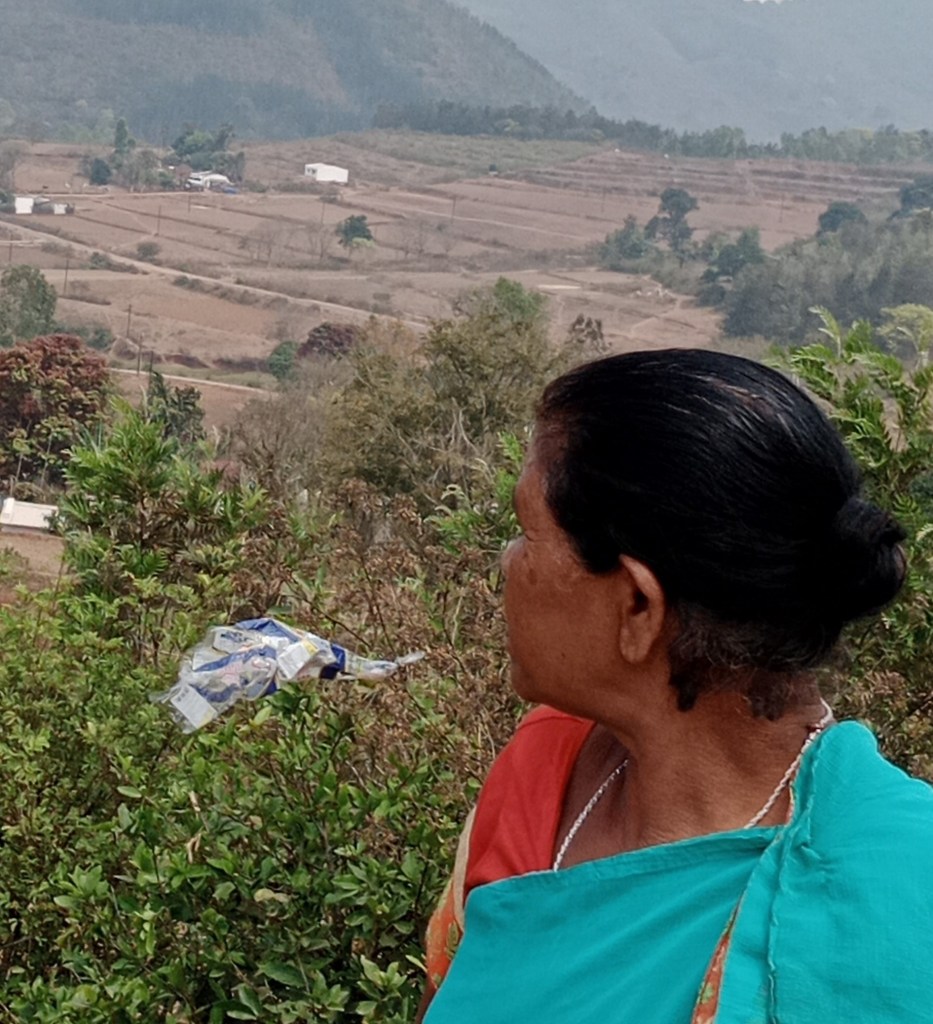
A shy tribal and others in traditional attire

Camping sites with tents were seen at many places as we drove along.
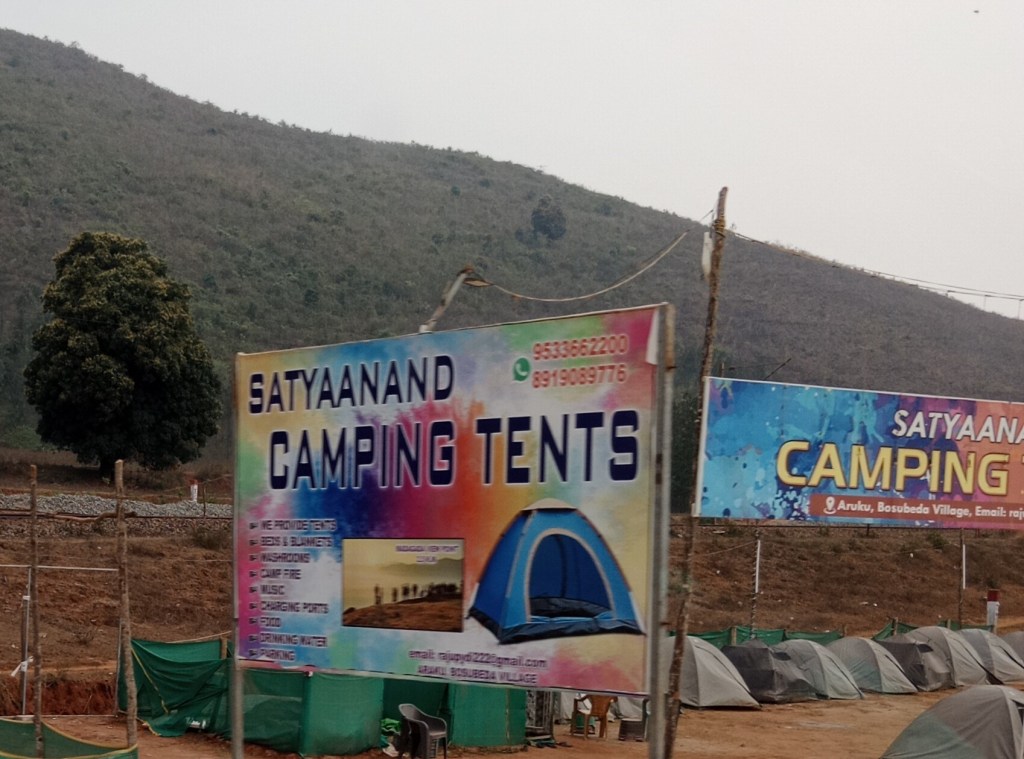
Camping sites

Many of the tribals engage in bee keeping and the honey is sold along the roadside.

Bee farming and local honey for sale

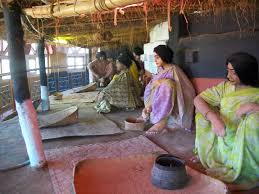
Another interesting place to visit is the tribal museum.

Tribal Museum

This museum houses various items used by the tribals and showcases their way of life.

Some pictures…

Tribal Museum

Tribal jewellery and art
Some exhibits

After visiting the museum, we savored some fresh Araku coffee before heading back.
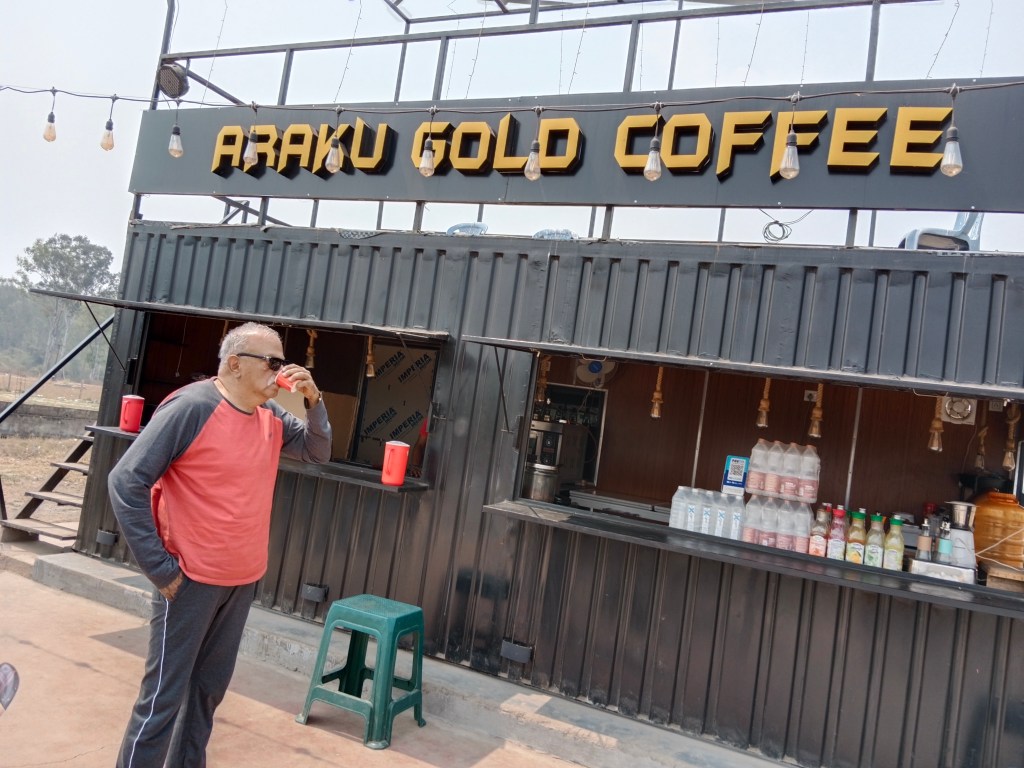
Authentic Araku coffee

Returning back, we visited the famous Borra caves.

Borra Caves

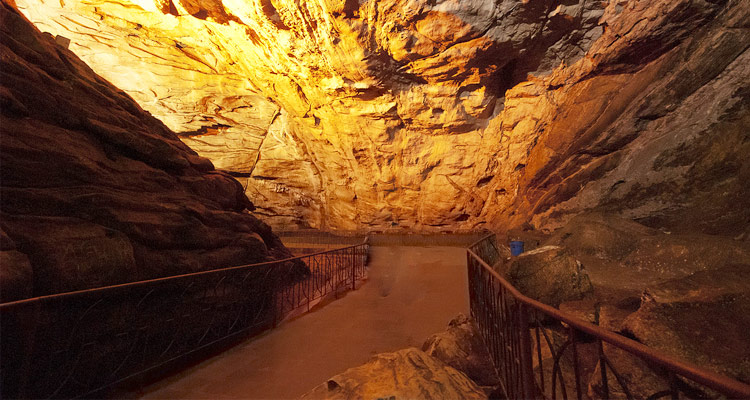
Located in the Ananthagiri hills, these interesting stalactite and stalagmite formations are formed by the flow of the Gosthani river over limestoine deposits. It was discovered during a geological survey by William King and are believed to be over a million years old.

There are several legends attached to these caves. The most popular one is of a cowherd accidentally discovering it when he went looking out for his lost cow. He discovered a Shiva ling in these caves and soon a small temple for Lord Shiva was built here.

These caves are a major tourist attraction today . The constant flow of water has sculpted these rock formations into various shapes like Shiva Parvathi, Rishi’s beard, Brain, Mushroom etc.

Some pictures…

Entrance and the shrine

Inside Borra Caves

After visiting the caves we drove back to Vizag ending our day long trip to Araku Valley.

Honestly, it did not live up to my expectations. Probably I had been influenced by rave reviews on social media which led me to have high expectations !!!

So all in all, do go if you feel like it but you will not miss much if you don’t….

Next week, I start a new series on Kashmir. So meet you there….

Till then, do subscribe, like and comment…
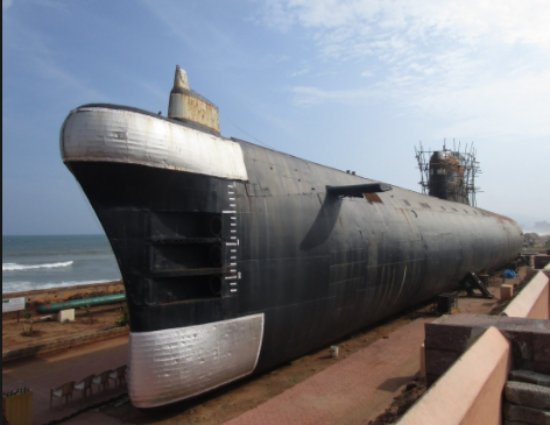
The Submarine Museum

All of you would have visited museums some time or the other. But have you visited a museum in a submarine? Well ,may be few of you have….

As was mentioned in the last episode, Visakhapatnam is the headquarters of the Eastern Naval command of the Indian Navy. So the Navy has several establishments here and one of them is the submarine museum.

Let me take you today to this novel museum which is inside an actual submarine!

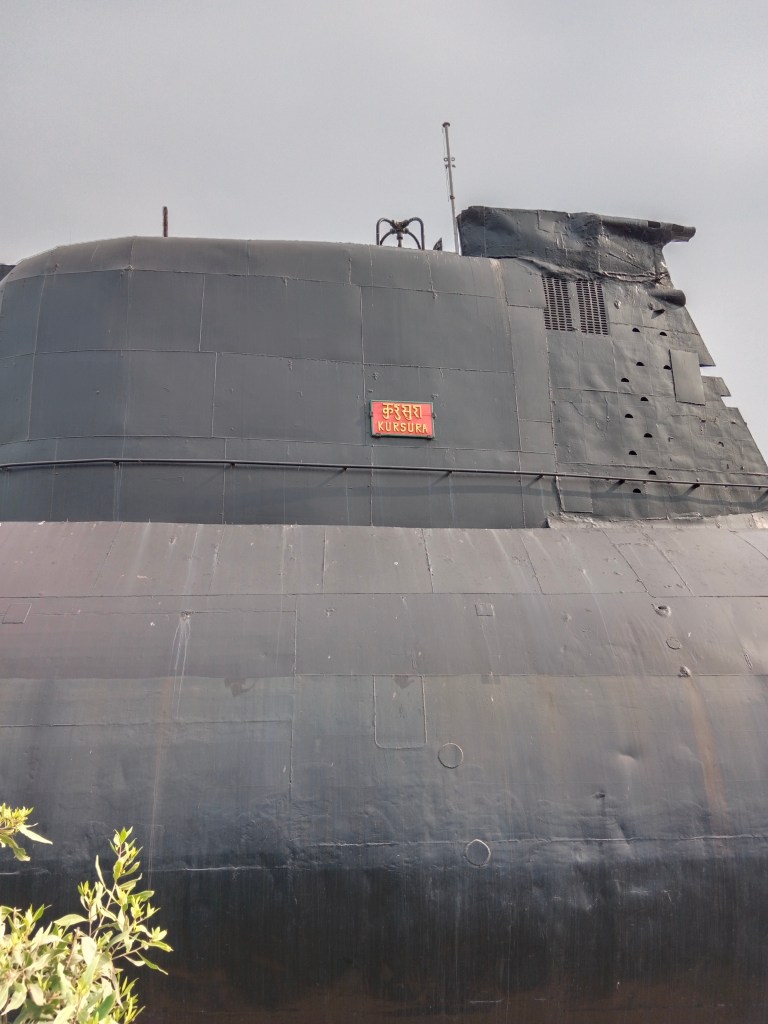
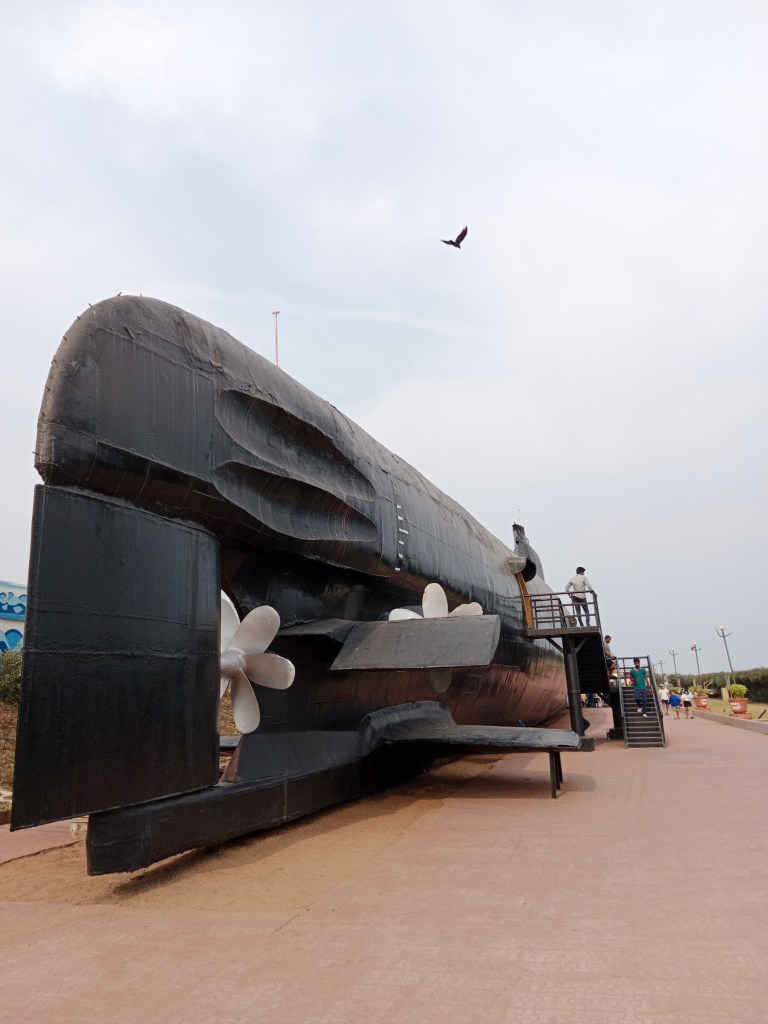
This museum , located at Visakhapatnam is a decommissioned submarine INS Kursura which was in active service for 31 years. After decommission, it was dedicated to the nation and is preserved as a museum for the public.

A brief history of INS Kursura

INS Kursura was India’s fourth submarine built in the Soviet Union and commissioned in 1969. She was attached to the Western Naval Command and operated in the Arabian Sea during the Indo-Pak war of 1971. After participating in several anti submarine warfare exercises and various other operations, she was decommissioned in 2001.

Once decommissioned, the entire submarine with it’s weapon package was hauled up from the sea to a concrete platform at R.K Beach at Visakhapatnam and established as the first submarine Museum in South Asia in 2002. This was a joint operation of the Eastern Naval command and the Naval Ship Design and Research Centre. It is recognized as a War Memorial.

The Museum

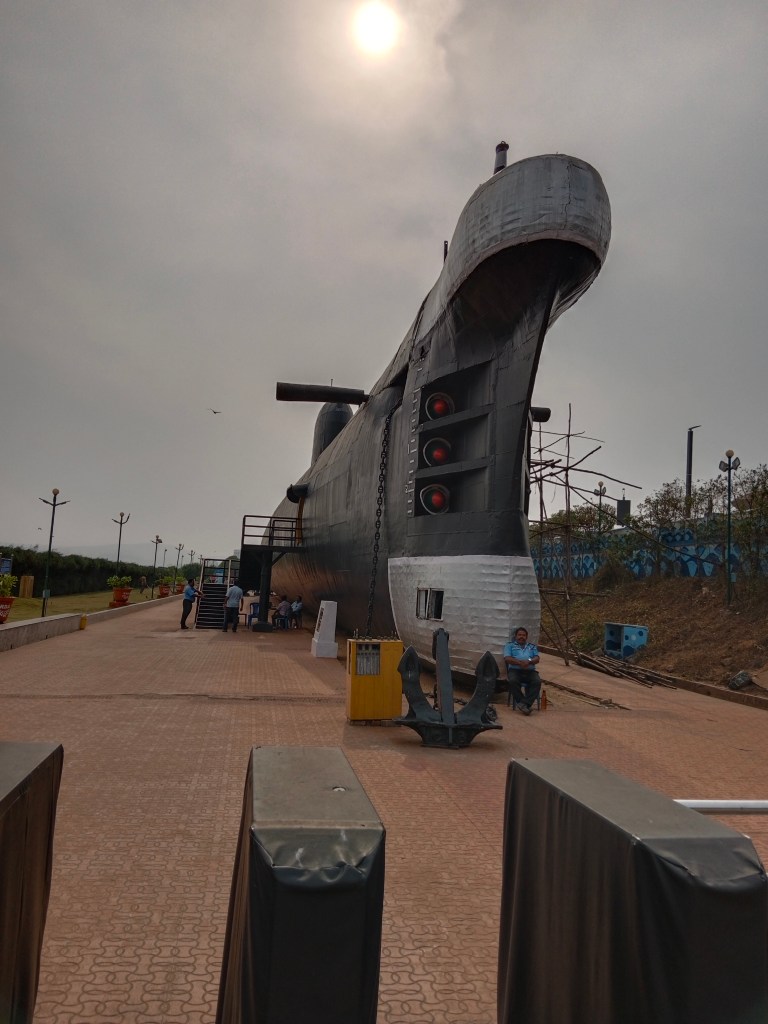
The submarine is placed close to the beach and one can see it from the road as one drives past. Surrounded by well manicured lawns, it is a sight to behold.

The submarine museum as seen from the road

The Submarine

As one steps foot on the submarine, a sense of pride and patriotism flows in naturally to us. We can climb up a fleet of stairs to enter the museum.

The stairway to the submarine museum

Once inside, we can see a number of artifacts, pictures and articles used during wars. We can also see gadgets and weapons that are on display. This gives an idea of the evolution of submarines, showcases the might of the submarine arm of the Navy, and reveals the hardship and toils of life on a submarine. The interior has been suitably modified for this but at the same time retaining it’s original form.

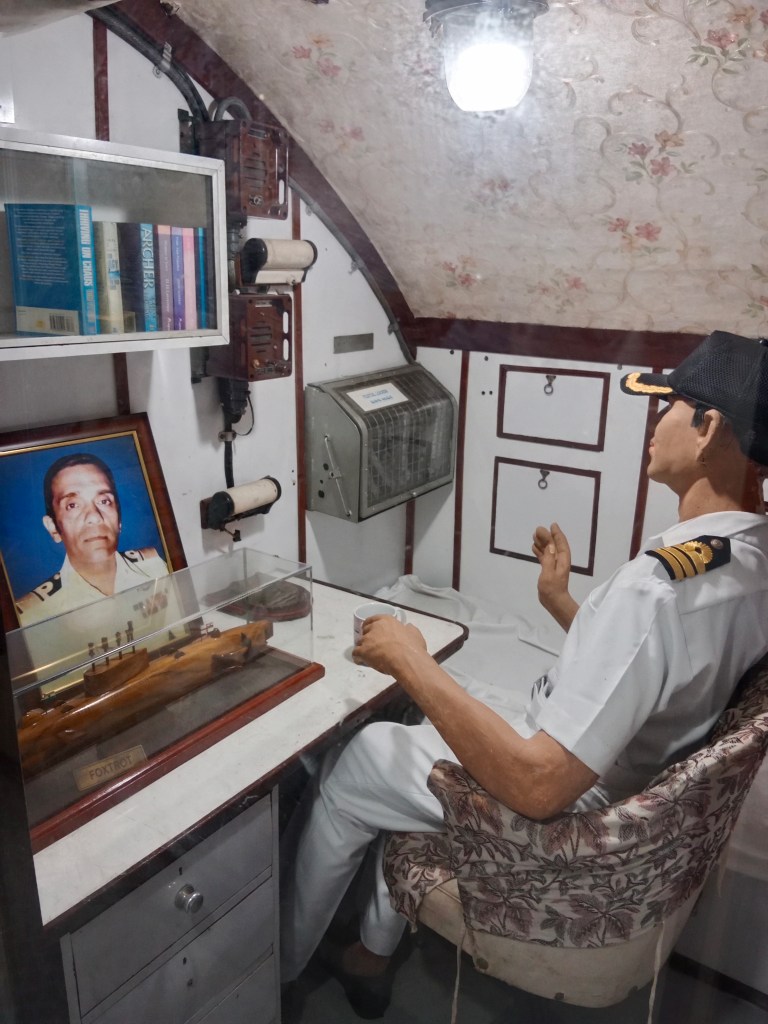
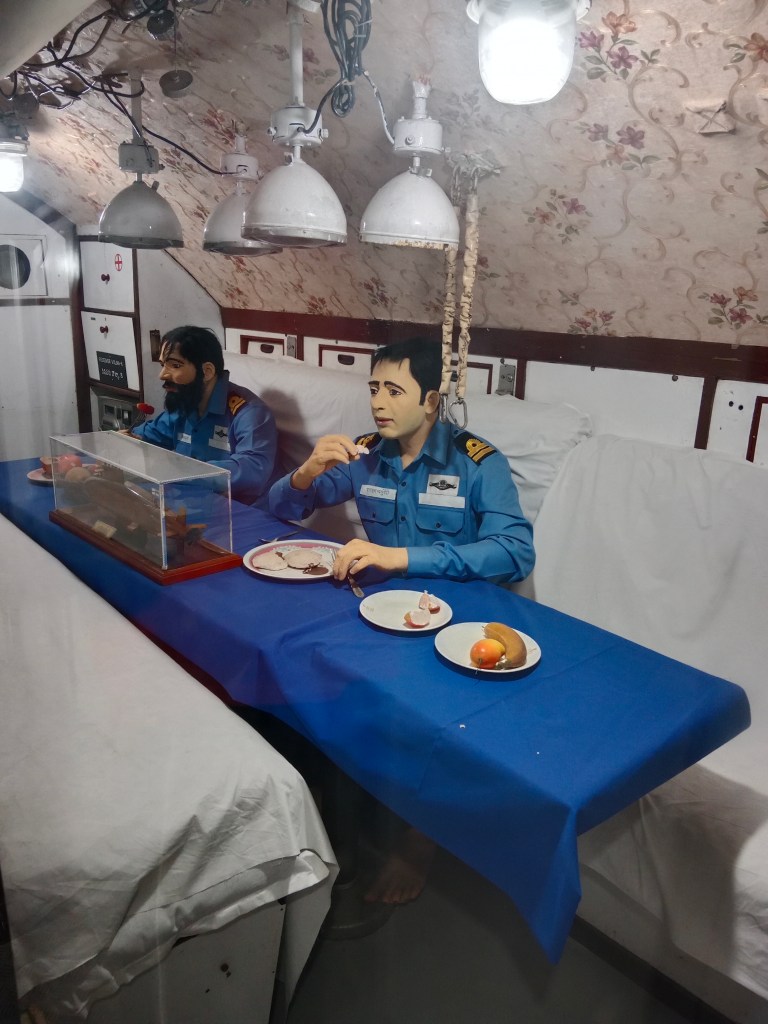
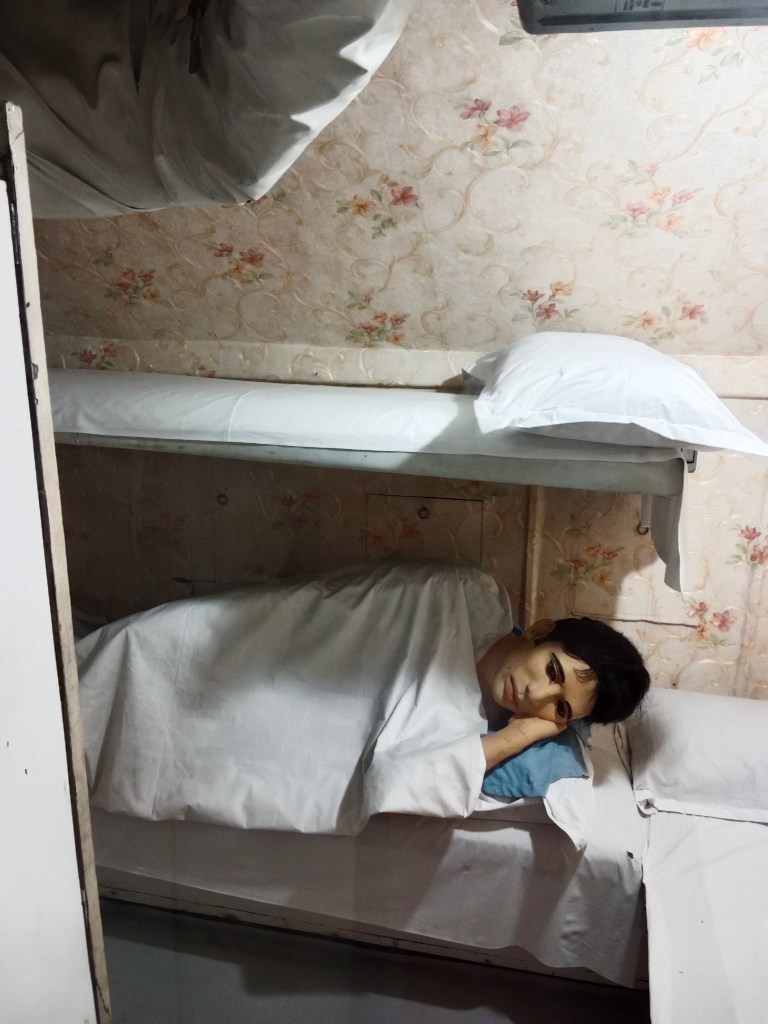
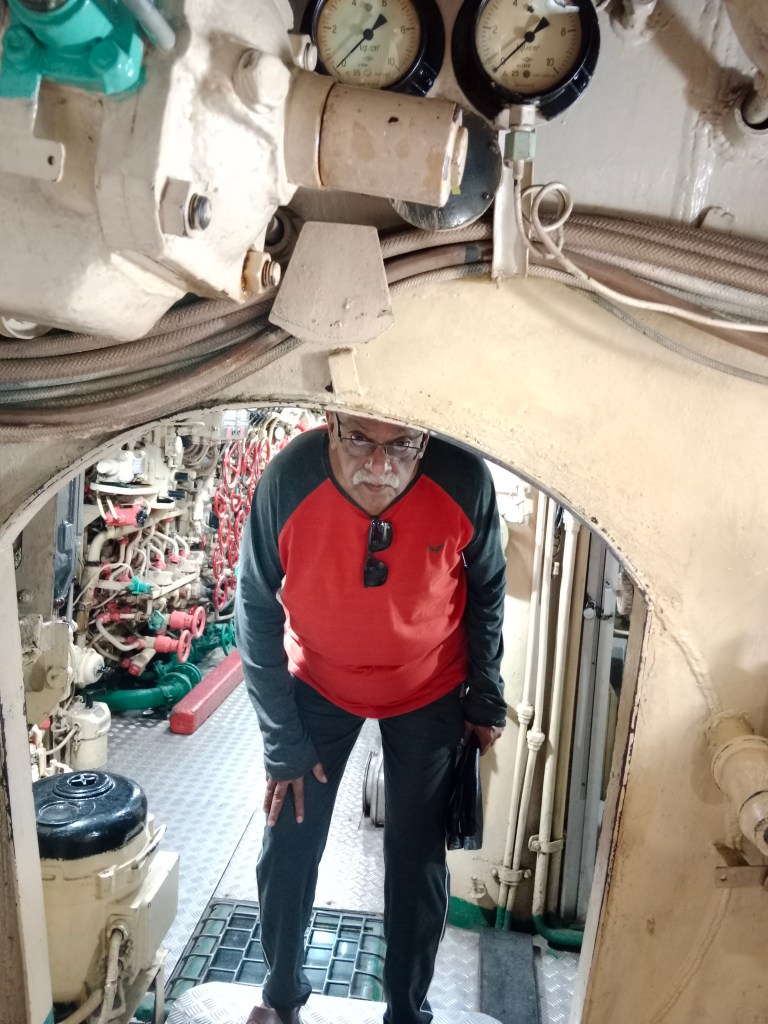
It gives you the feeling of actually being inside a submarine. Once we stay inside for some time, a feeling of claustrophobia engulfs us. It is then that we realize how difficult it is to actually live inside a submarine for days together. That is what our Naval personnel do in times of war, and they have to be continuously on high alert too!!

Have a look at some of the pictures and that may perhaps throw light on their difficult lives….

A room with the model of an officer and the small place they have to operate from

The pantry and bunker beds for sleeping. ( the low roof makes the place claustrophobic)

The narrow passages with equipments and low head clearance forcing us to bend

Various levels inside the submarine

These pictures would have given you a fair idea of the difficulties when the personnel live inside for months together

Immense regard and respect for our armed forces just comes in automatically when we see all this.

There are a couple of Naval personnel there who explain the details to us also. Though there are many technical details which we may not understand but the overall experience of actually entering a submarine is something entirely different.

Outside also we can see the parts which are otherwise under water….

The propeller and rudder ( at the back of the submarine)

The front of the submarine with torpedo tubes and the anchor resting on the floor.

Glimpses of life on a submarine: (something I learnt during this visit)

 Submarine personnel undergo rigorous training including damage control, drills and emergencies, battle tactics and escape training through a tower. 

 Space is limited in a submarine and equipments and life saving gadgets get priority over daily comforts.

Sleeping in bunkers to save space is a rule and many times they take turns to use the bunker.

Maintenance of equipment, drills and safety exercises are a daily routine.
The kitchen has limited space and hence no elaborate meals can be expected.   

Around 70 personnel share two toilets at sea. 


 We left the museum with mixed feelings. Patriotism, regard and respect for our armed forces and a thought for the families of these personnel who also sacrifice a lot so that we all can live safely in our homes….JAI HIND…

For completion sake, let me attach a file picture of Kursura at sea…

INS Kursura sails by….

After visiting the submarine museum, we continued on to the other interesting sights in Visakhapatnam. Next week, we visit some of Araku valley and Borra caves. Till then, do comment and give your feedback.

Visakhapatnam: city of (Visakha)

Once upon a time, there was a fisherman’s village named Vizagapatnam on the east coast of India abutting the Bay of Bengal. Today, it’s geographical location has made it a busy port city and the headquarters of the Eastern command of the Indian Navy. Vishakapatnam is also a major industrial hub on the Indian coast . Lying between the Eastern ghats and the Bay of Bengal, it is home to some beautiful beaches, and hills.

How did it get it’s name?

You must have noticed the word Visakha within brackets in the title. That is because there are various explanations.

A temple dedicated to Visakeshwara, the Hindu God of valour built by the Chola Kings is belived to be submerged just off the coast of the city giving it it’s name.

Some attribute Visakha to be a Buddhist princess and others to a Buddhist monk named Vaisakhi .

Yet another explanation is that the word “isakha” in Telugu (local language) means sand and the vast sand expanses along it’s beaches contributed to the name.

A brief history

It was part of the Kalinga empire and conquered by Emperor Ashoka. During this period, Buddhism flourished here with construction of significant monuments which can be seen even today.

It has also seen the reigns of the Pallavas, Cholas and Gangas over time. European colonisation started in 1630 with the Dutch, French and British all taking control at various points in time. They have all left their marks on this city.

After Indian Independence, it was under the Madras presidency and finally became a part of the state of Andhra Pradesh.

Our Trip

Landing in Vizag was a beautiful sight though it was a little hazy. The port and Dolphin’s nose were visible from the aircraft inspite of the haziness.

Landing at Vizag..the port and Dolphin’s nose are clearly seen.

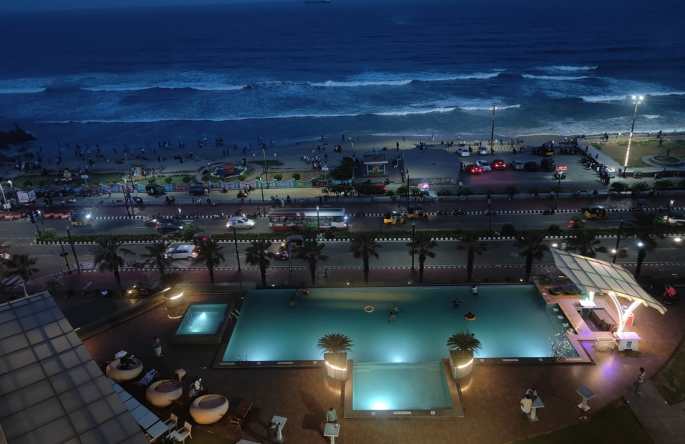
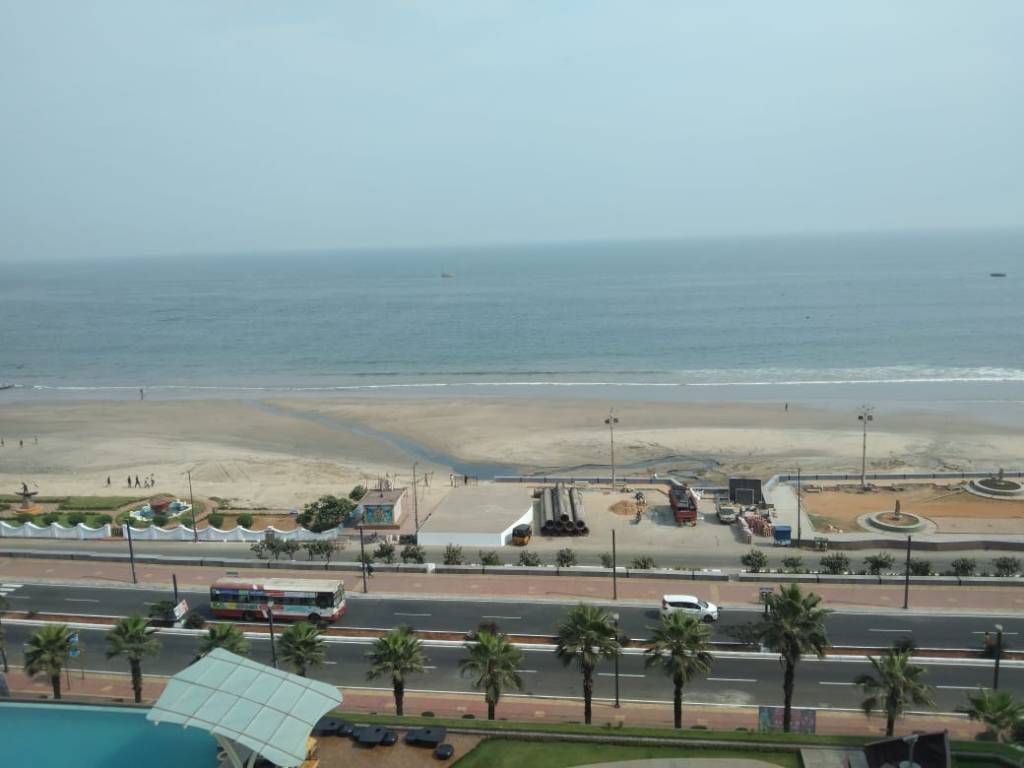
We were put up at Hotel Novotel which overlooks Varun Beach, one of the famous beaches at Vizag . Great views of the ocean were the highlight besides an infinity pool which visually merged with the sea. The port being close by, lot of shipping activity was also visible.

Varun Beach view from hotel

The infinity pool visually merges with the ocean

Ships await berthing at the port.

A ship being guided by tug boats into the harbour

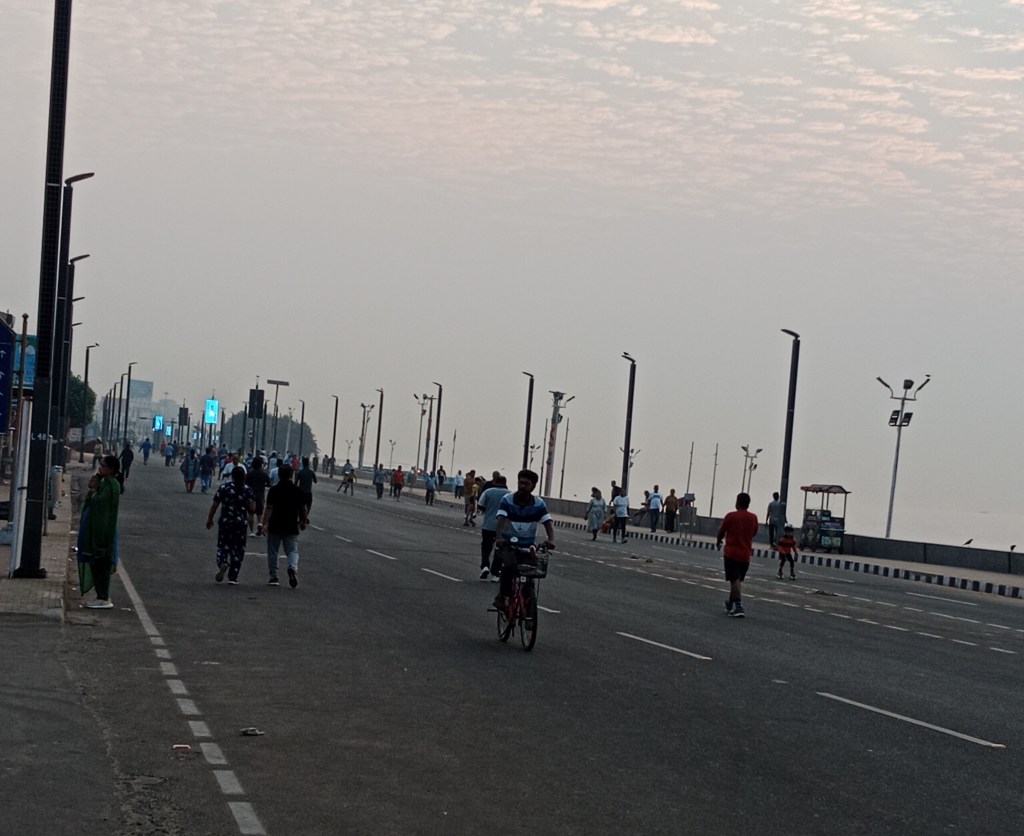
The beach road becomes a pedestrians only road till 7 am in the mornings and the locals use the road for walking and such other activities.

Beach road in the morning

And at night…..

Beaches of Vizag

The Ramakrishna beach, Varun beach, Rushikonda beach , Bheemili beach and the Dolphin’s nose are the popular beaches in Vizag.

Ramakrishna beach is so called due to the Ramakrishna Ashram close by. It is a popular destination for locals and tourists alike.

Enjoying a dip at R K Beach

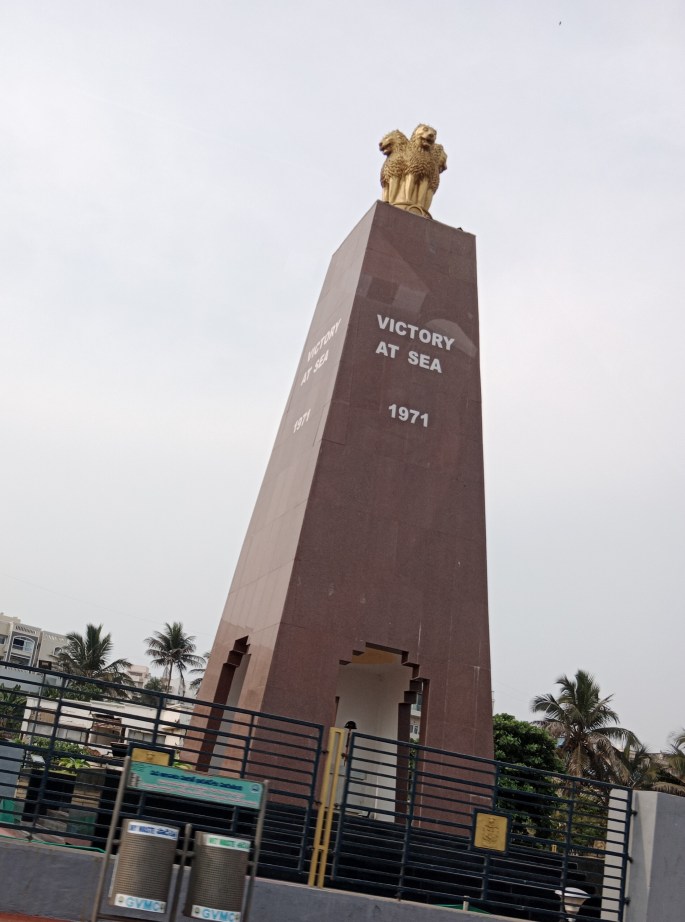
Opposite the beach are several monuments and museums.

The aircraft museum and memorial opposite RK beach

Submarine Museum

INS Kursura, a submarine of the Indian Navy is preserved here and converted into a museum. More on this in another episode.

The submarine museum

Rushikonda Beach

This beach is around 8 km from Vizag but has an interesting name meaning Hill of the sages. Seven learned sages are believed to have meditated on the adjoining hill. Water sports are an added attraction here.

Rushikonda Beach

Bheemili beach

Located around 24 kms from Vizag, this beach lies near the Gosthani river and has British and dutch settlements nearby. It is more of a rocky beach.

The rocky Bheemili beach

Dolphin’s Nose

A rocky head shaped like a dolphin’s nose is a conspicuous landmark in Vizag and can be seen even from the flight and has a light house.

Dolphin’s Nose

Kailasagiri

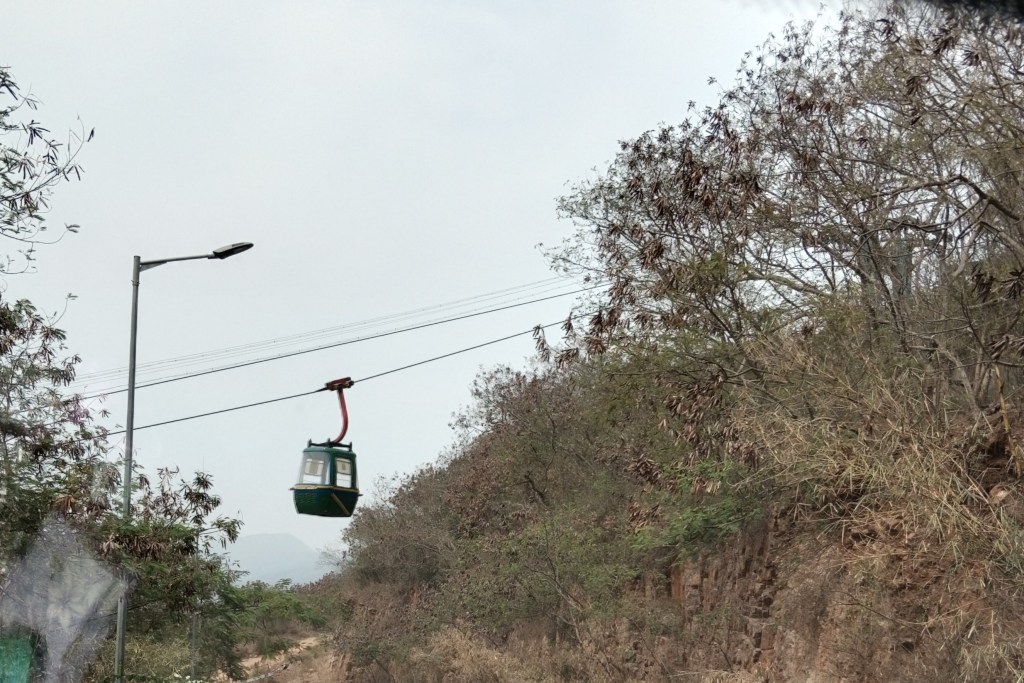
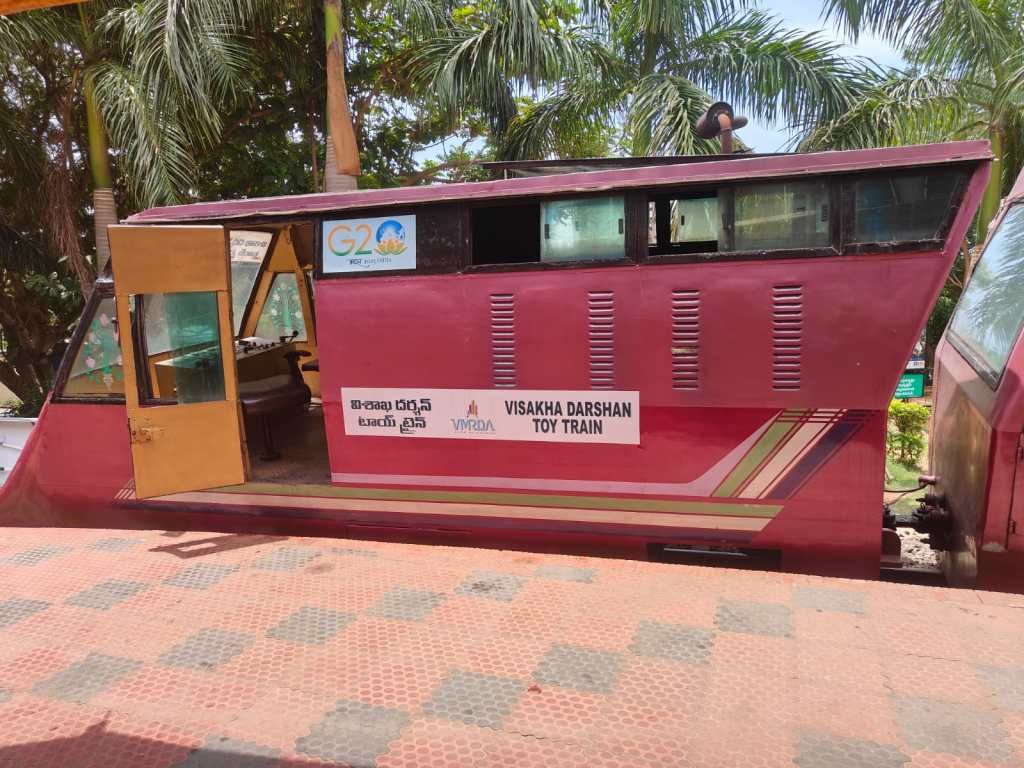
Another interesting location is Kailasagiri, a hill from where you get great views of the city and the ocean. A 40 ft tall statue of Shiva and Parvati in a garden adorn the hilltop and gives it it’s name. A toy train ride on the top takes one around giving 360 degree views. A ropeway service is available here. One can also drive up to the hilltop.

Some pictures

View of Vizag and beaches from Kailasagiri

The ropeway to the top and the toytrain on top

The park and the weather dome

The Shiva Parvati statue

Thotlakonda Buddhist Complex

Situated 15 kms from Visakhapatnam on a hill overlooking the sea is this Buddhist complex. A stupa and various other monuments stand as a reminder of the Buddhist influences in the history of Visakhapatnam. Archaeological excavations at the site have only reinforced it.

Some pictures…

Thotlakonda Buddhist Complex

That sums up the interesting locations in Visakhapatnam. Araku Valley and Borra caves are interesting destinations near Vizag that will covered later.

Next week we visit INS Kursura, the submarine which is now a museum.

Till then, do give your comments and feedback…