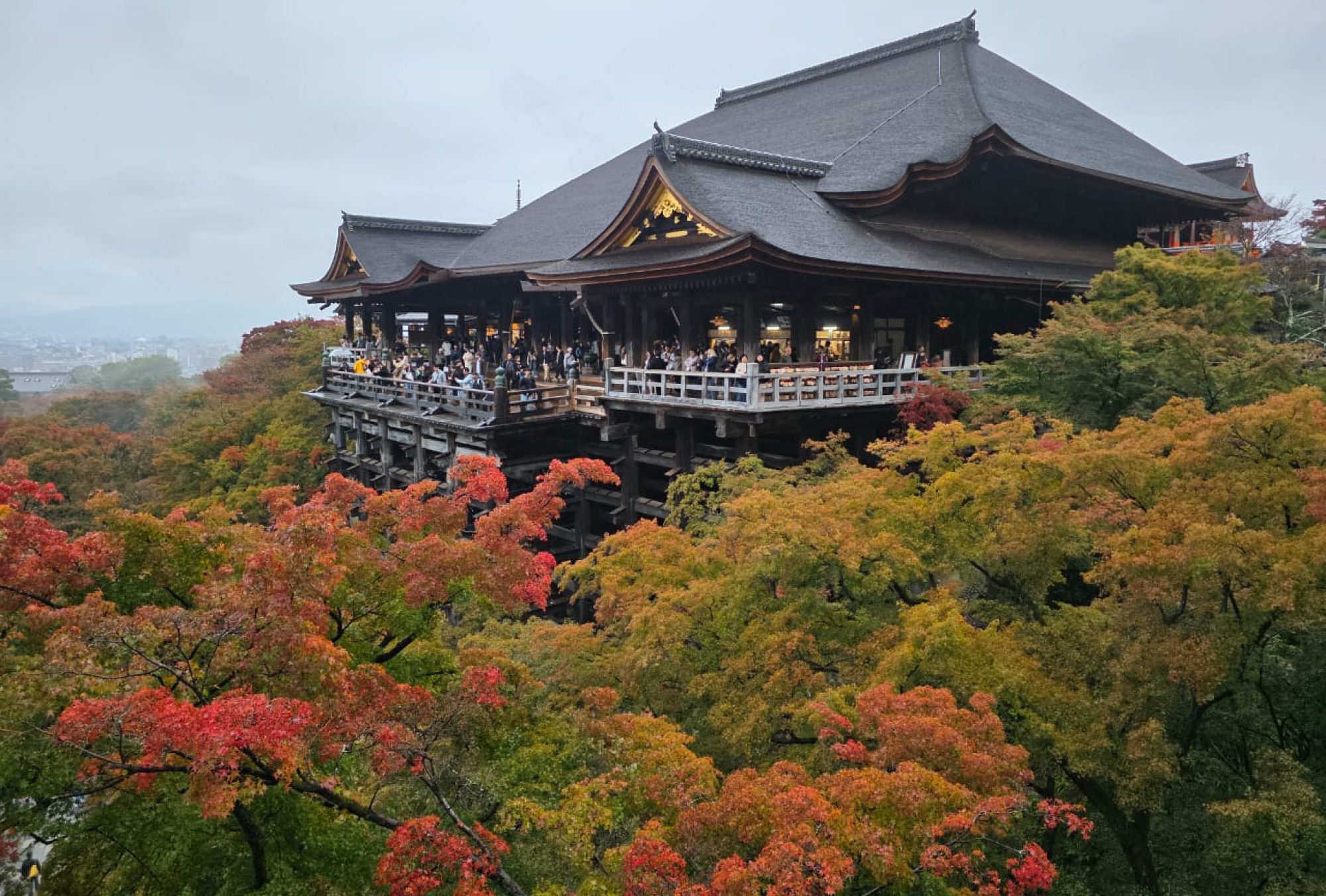
Kodagu; Beyond Koffee

Tasting Coorg coffee, let us continue our journey through Kodagu visiting some of it’s highlights. The Nagarhole Tiger reserve is perhaps it’s main highlight and let us start from there. Come along….

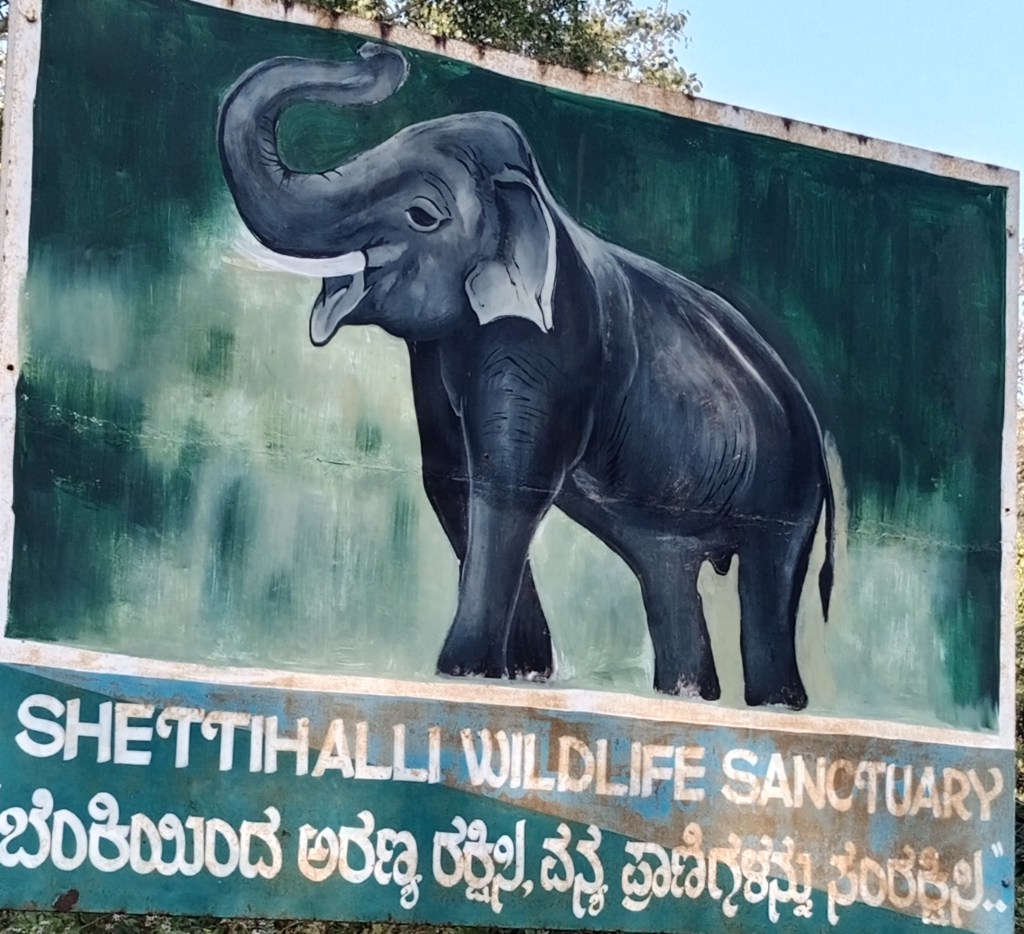
Nagarhole National Park

The Nagarhole National Park and Tiger Reserve is part of the Nilgiri Biosphere Reserve and lies along the Brahmagiri hills in Coorg. Sandalwood and teak trees abound in this park which is home to the Bengal Tiger, gaur, Chital, Sambar and elephants and a variety of birds. The Nagarhole River winds through jungle landscapes of this park giving it the name Nagarhole meaning serpent river and joins the Kabini River near Bandipur. This park is contiguous with Wayanad and Bandipur sanctuaries.

A jungle safari through this park can give one an opportunity to see it’s inhabitants. Some pictures….
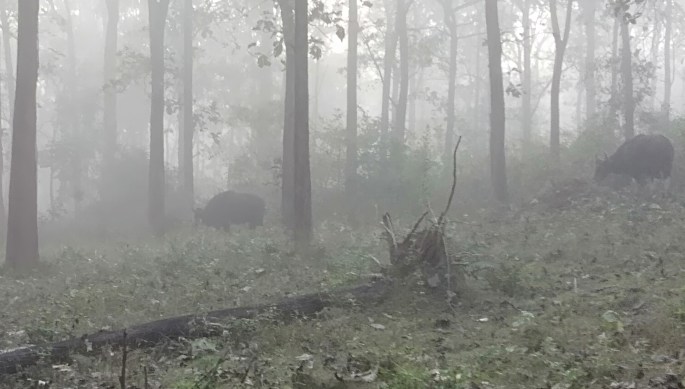
A misty morning at Nagarhole

On a brighter day…

Elephant walk….

Langur time….

Enroute Nagarhole is a famous waterfall called Iruppu falls.

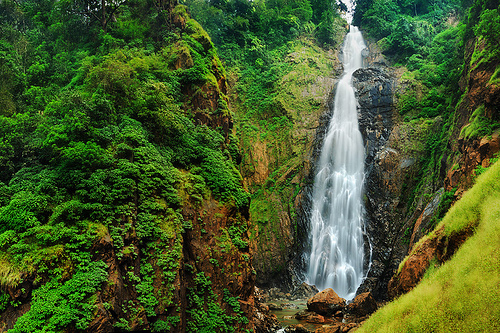
Iruppu Falls

Located on the highway to Nagarhole, this waterfall is also called Lakshman Tirtha falls. A trek from the falls takes one through the forest to Brahmagiri peak. The Lakshman Tirtha river starts from here and there is a famous Shiva temple on it’s banks.

Iruppu Falls

Moving away from Nagarhole , let us visit some important sights near Madikeri

Abbey Falls

One of the most picturesque sights in Coorg is the Abbey falls where the Kaveri river cascades on a rockface in between coffee plantations. It is located about 8 kms from Madikeri and one has to climb down a flight of stairs to reach this waterfall.
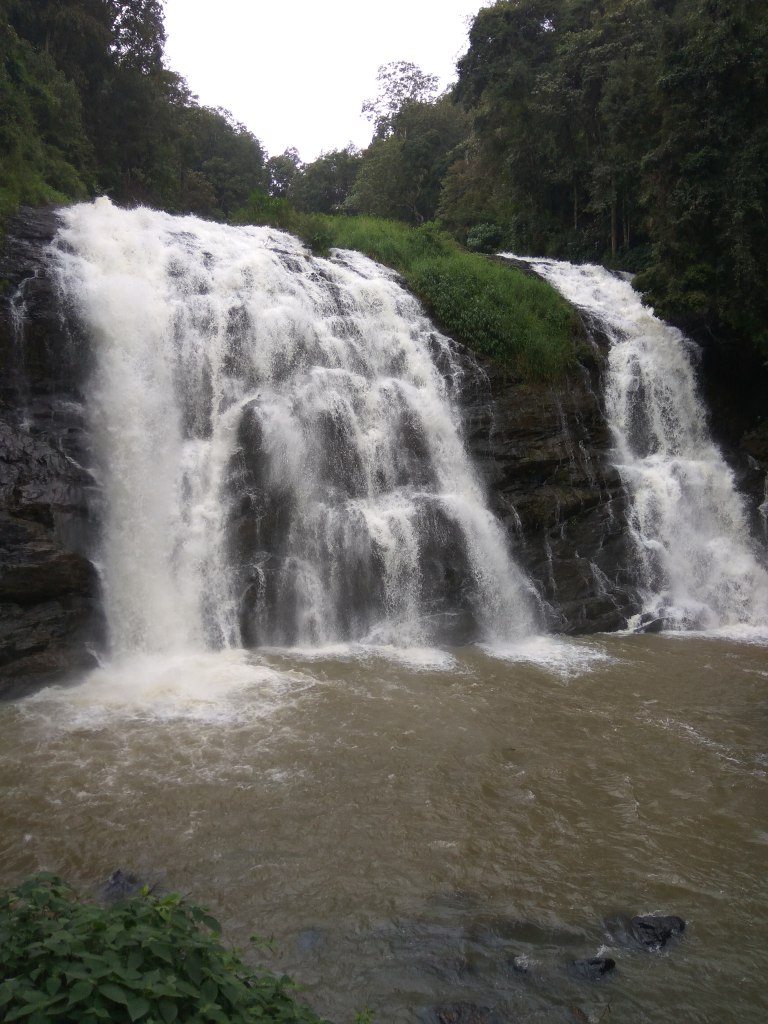
Abbey Falls

The steps leading to the falls

Nisargadhama

Located about 30 kms from Madikeri and close to Kushalnagar is this bamboo forest and deer park on the banks of the Kaveri. Boating facilities are available here. A hanging bridge over the river is another attraction. Some images..

Kaveri at Nisargadhama
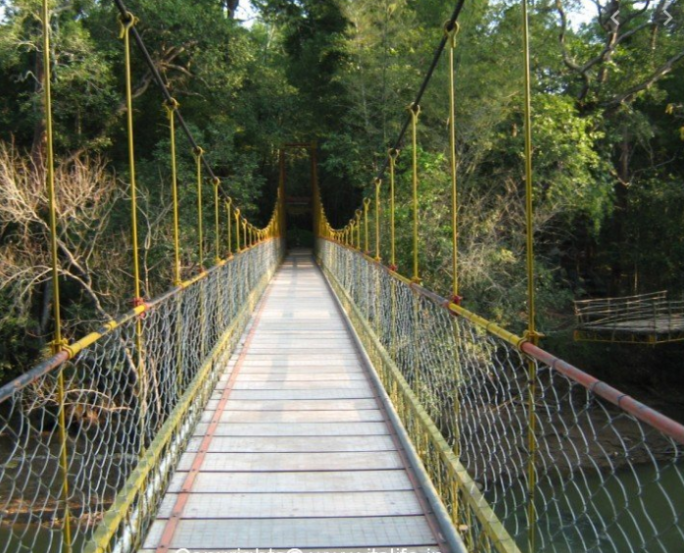
Hanging Bridge
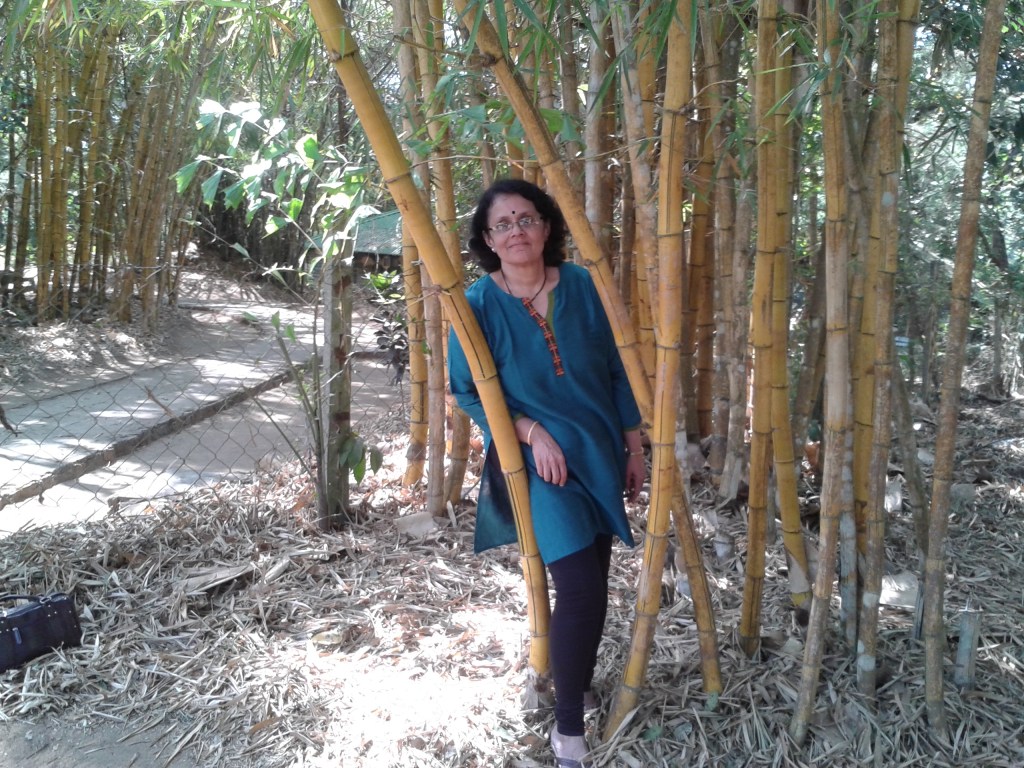
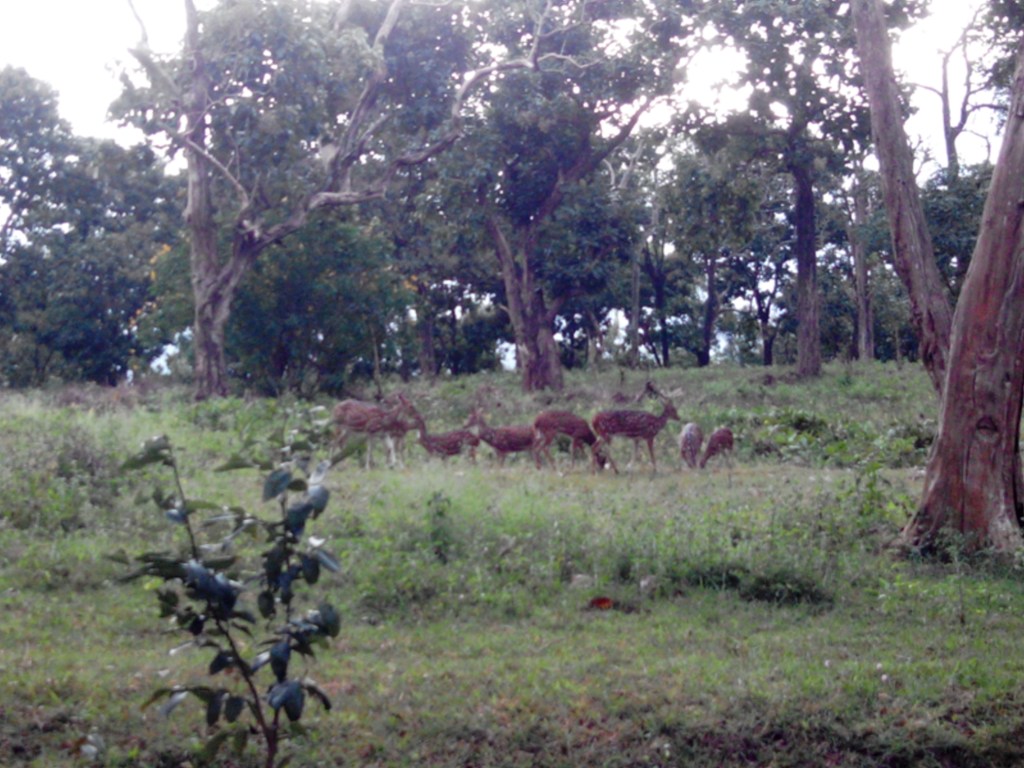
The bamboo forest and deer park

Harangi Dam

A dam built on the Harangi river, a tributary of the Kaveri also lies close to Kushalnagar town. The dam and the gardens offer a nice picnic spot . A small hydro electric project and an elephant camp also functions here.

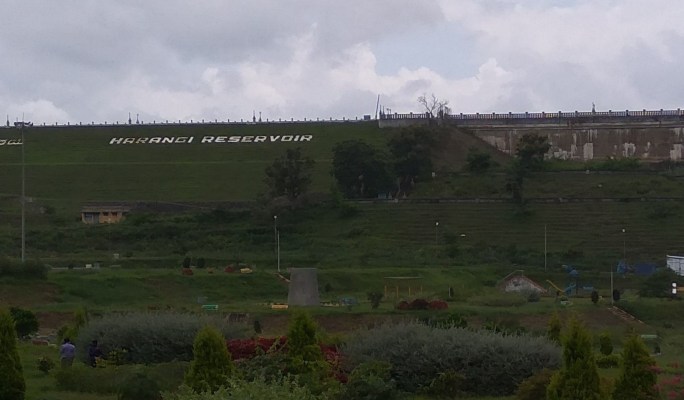
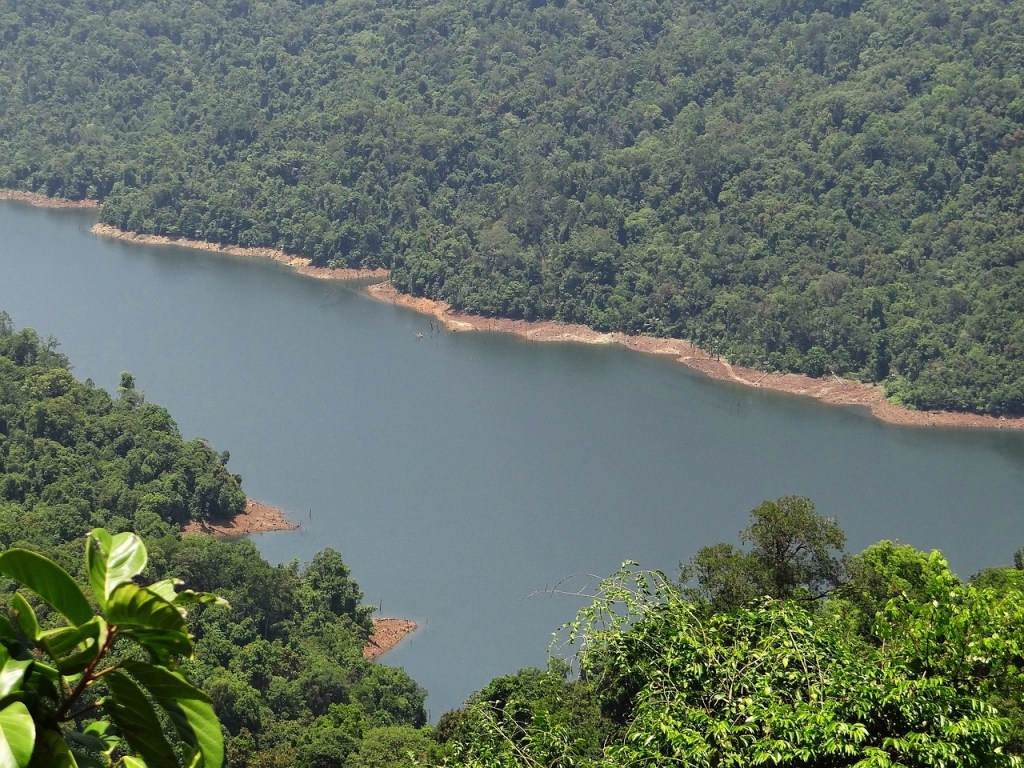
The dam and reservoir
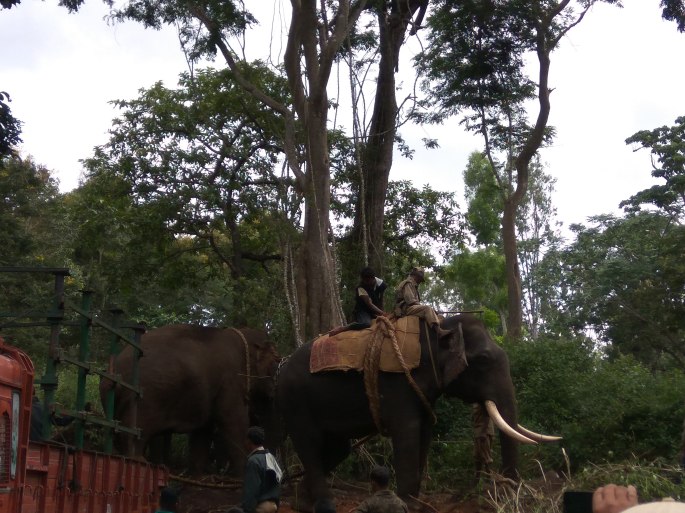
The elephant camp

The Namdroling Monastery

Kushalnagar is a Buddhist hub and there are many Buddhist institutions in the area. The more popular one is called the Golden Temple or Namdroling Monastery.
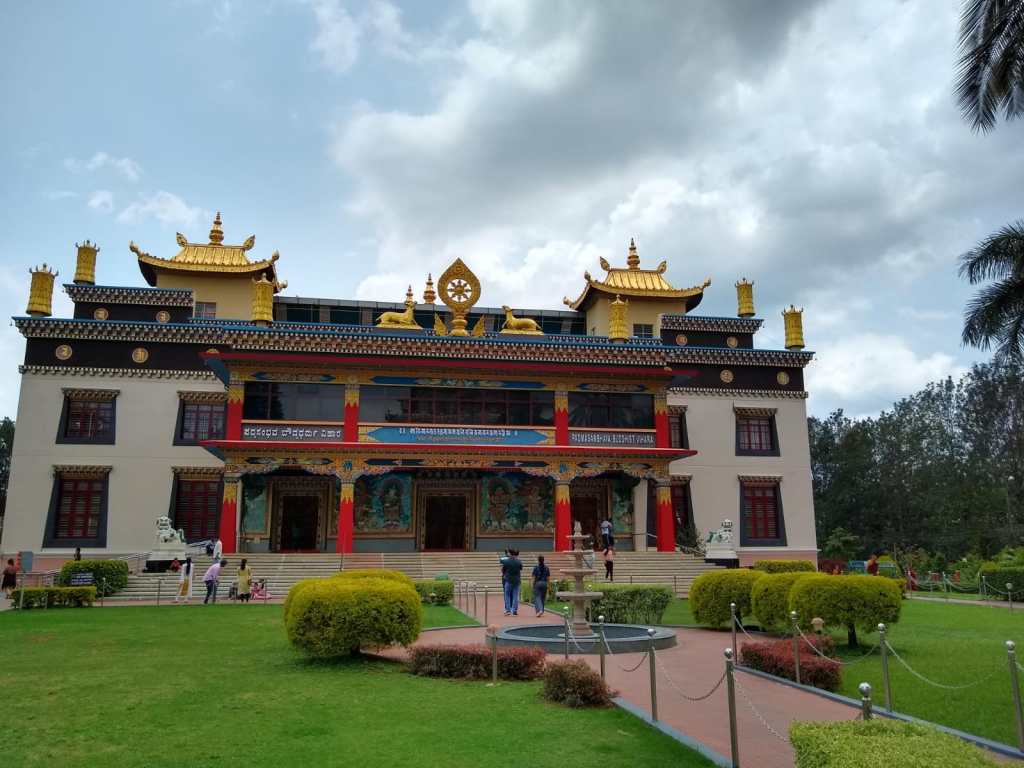
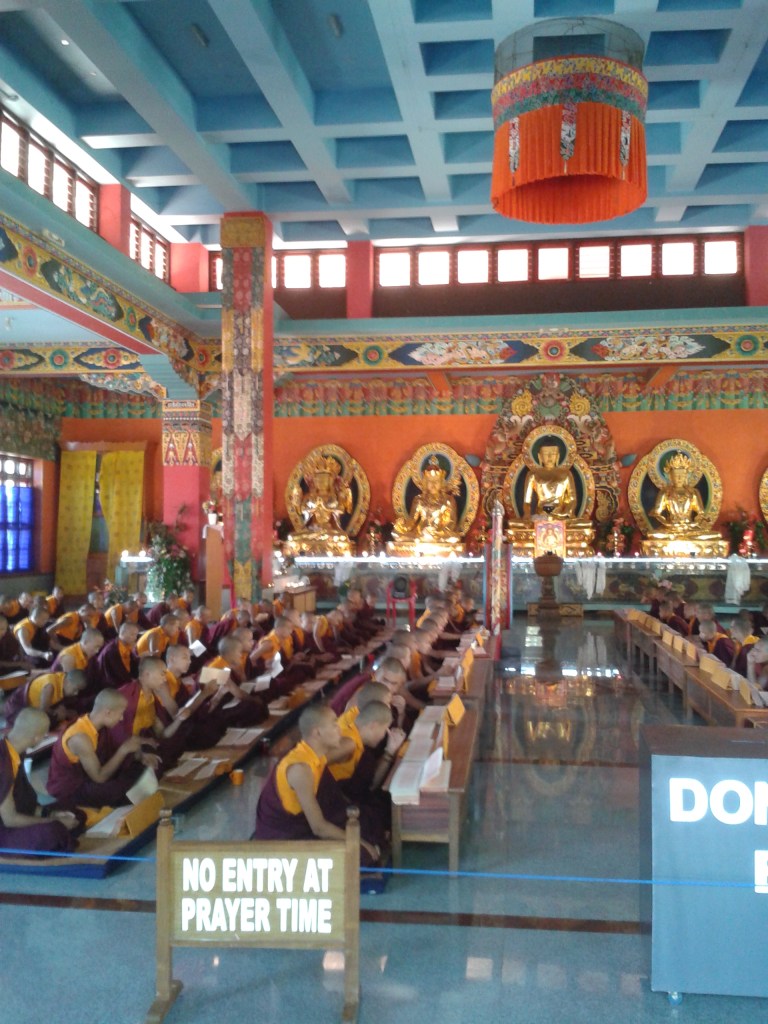
The Namdroling Monastery

More pictures from inside the monastery…

Inside Namdroling monastery

Dubare Elephant camp

Visitor interaction with elephants is facilitated in this camp located on the banks of the Kaveri river. Bathing and feeding them with sugarcane and jaggery are popular activities offered here. Elephant rides into the forest and information on elephant biology by trained naturalists are added attractions here.
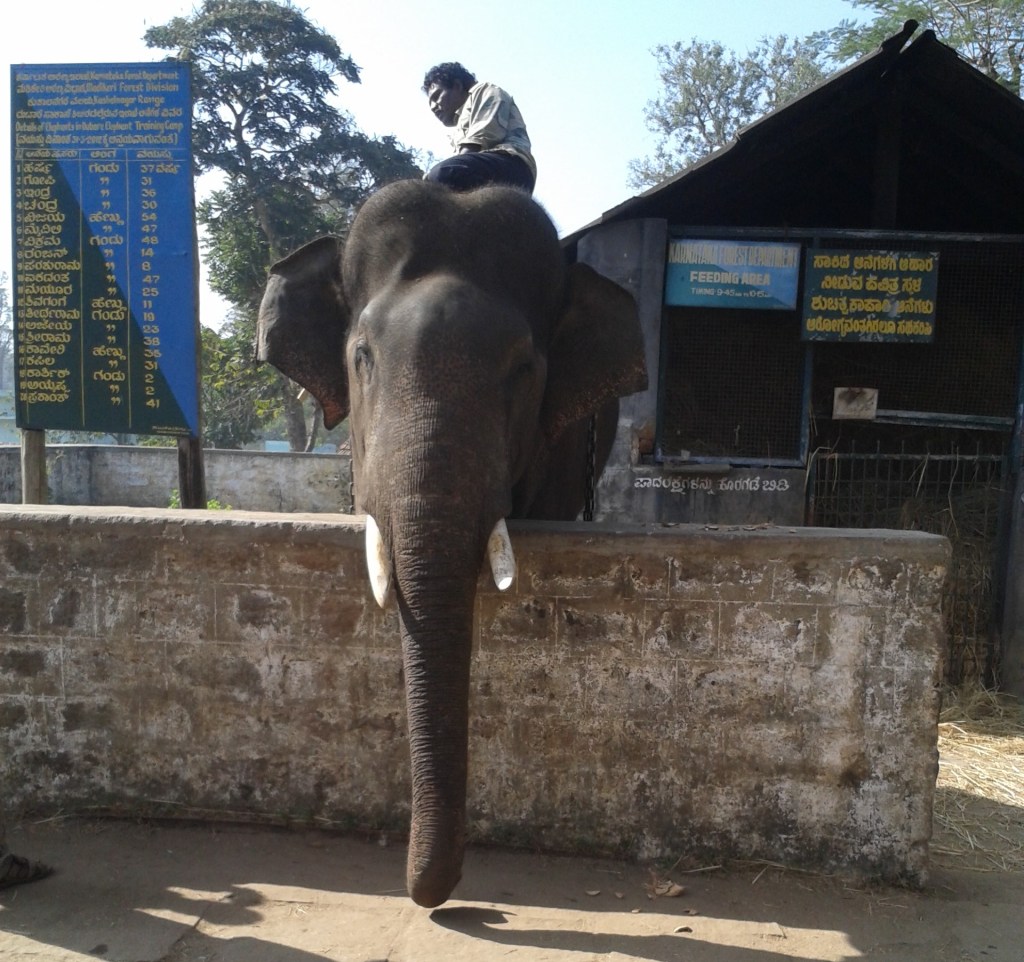
Feeding area at Dubare

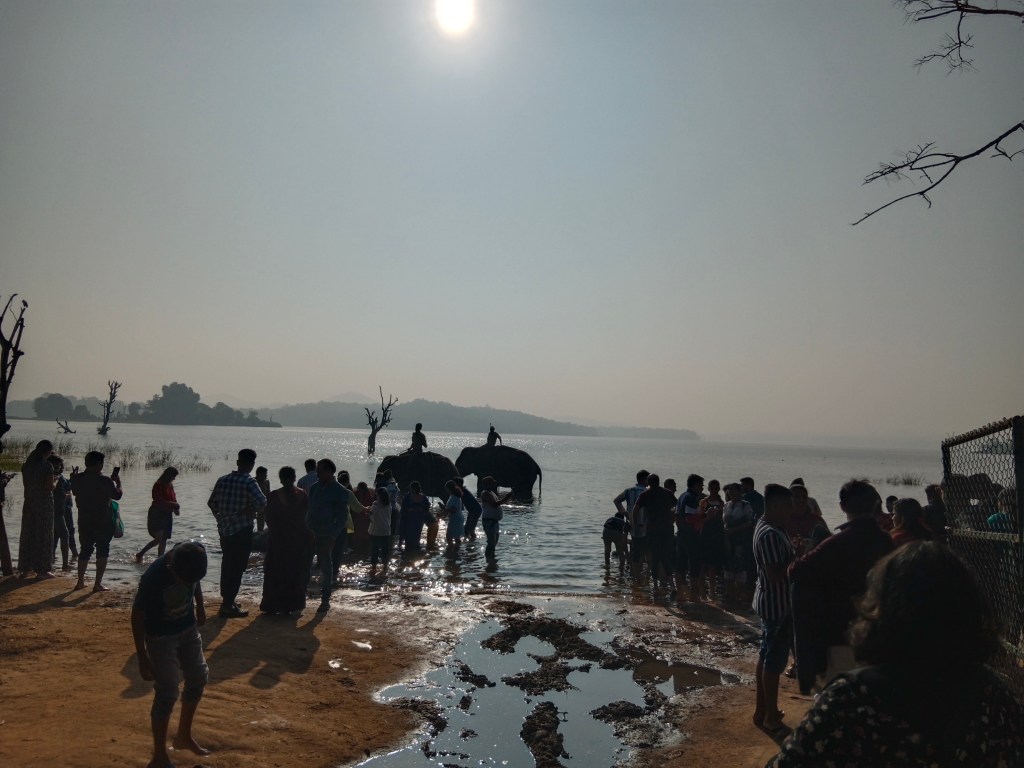
Bathing elephants in the Kaveri at Dubare

Talakaveri

Talakaveri is considered the origin of the river Kaveri and hence a sacred place for the Hindus. There is a tank here which is fed by a spring that is considered to be the source of the river. A temple dedicated to Kaveramma who is worshipped by the Kodavas is located here.

Forests surround Talakaveri

The tank and temple at Talakaveri

Bhagamandala

This is a place of confluence of three rivers and is a sacred place. The Kaveri joins two smaller rivers here; the Kannike and Sujyothi. A Shiva temple next to the confluence also attracts pilgrims. Many devout perform rituals for their departed ancestors here before proceeding to worship at Talakaveri.
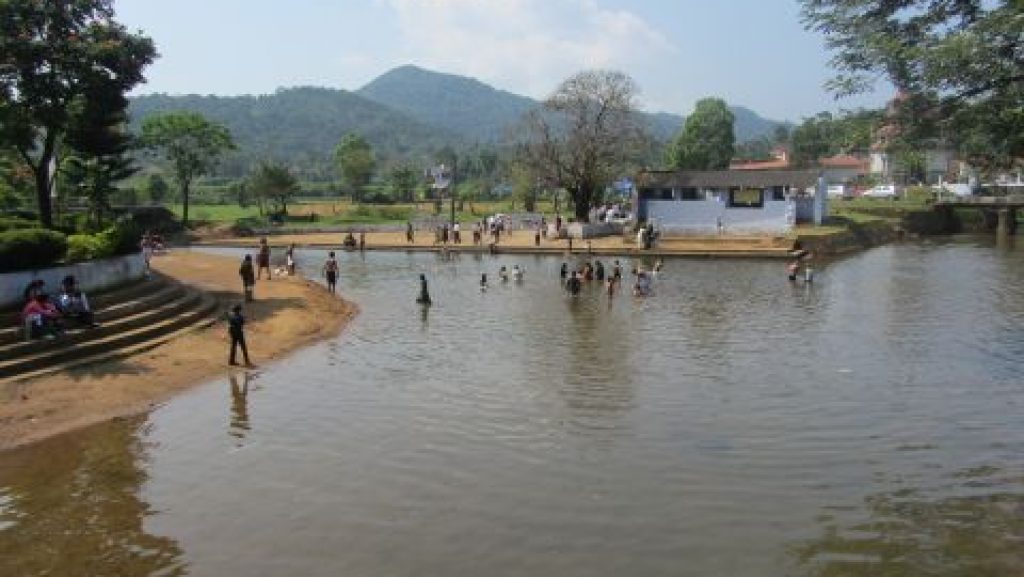
The confluence of the three rivers at Bhagamandala
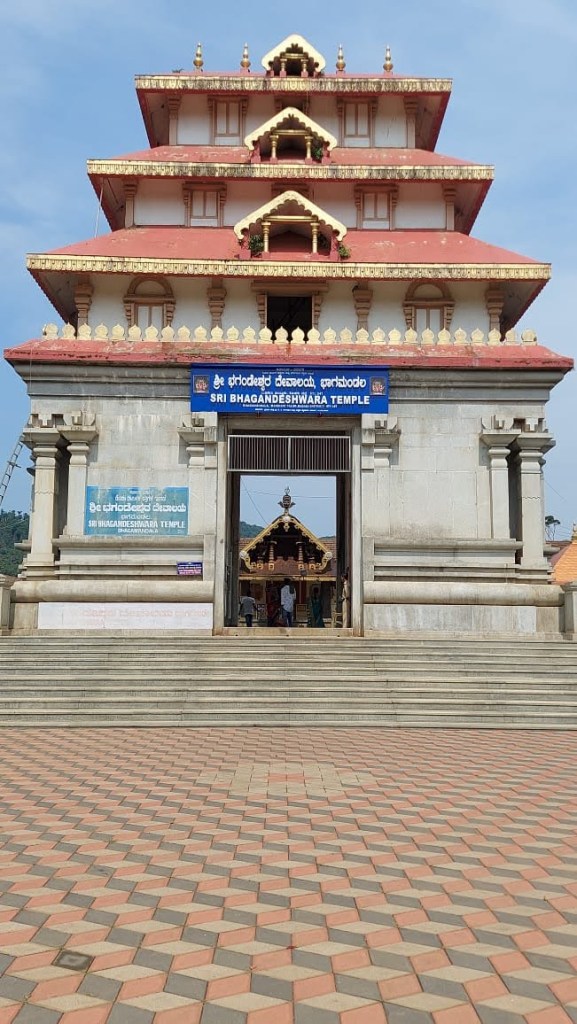
Shiva temple at Bhagamandala

It must be obvious by now that there is no dearth of interesting sights near Kodagu. I have tried to cover most of them. Hope you have enjoyed your visit to Kodagu.

Next week we move away from Karnataka to Sikkim . Till then, do comment and give your feedback.

Kodagu, the coffee cup of India

Who would not fancy a hot cup of freshly brewed coffee?

Whether you like it black , with milk or with cream ; a cup of coffee makes every morning special.

Well, today let us visit Kodagu/Coorg , nicknamed the coffee cup of India.

Kodagu lies on the eastern slopes of the Western ghats and enjoys salubrious climate almost all round the year. Kodagu is actually the name of the district and when we talk loosely about going to Coorg what we mean is go to Madikeri and the surrounding areas.

A brief on Coorg and the local inhabitants before we indulge in more coffee talk….

The original inhabitants of Kodagu were the Kodavas who were a warrior community. The British annexed Coorg and deposed the local Kodava rulers. They did help improve the infrastructure, introduced scientific initiatives in coffee farming and contibuted to the overall development but there was a lot of exploitation of the resources and man power from here. It subsequently became part of Mysore state ( now Karnataka).

The Kodavas, the original inhabitants have largely retained their cultural identity and this can be seen in their attire and customs. The sari, the traditional dress of Indian women is worn in a different style here. The men wear a knee lenth black wrap around coat called Kupya, a silk sash around the waist and typical head gear. A dagger tucked into the sash completes the attire.

The traditional attire of the Kodavas

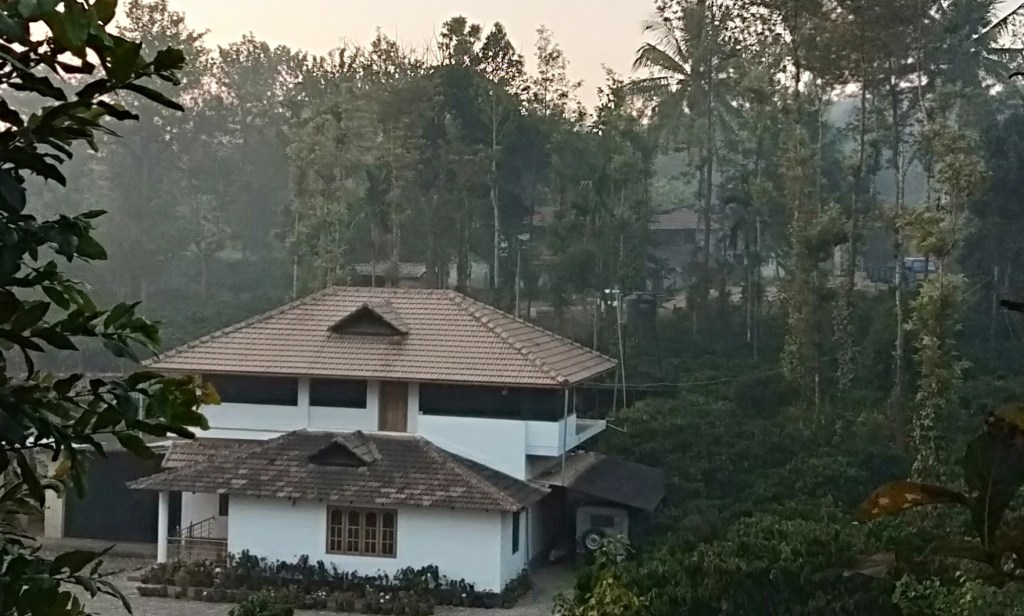
Since most Coorgi households are coffee planters, the house is inside or adjacent to a coffee estate and the harvesting and processing of coffee beans is an integral part of their lives.

A kodava house in a coffee estate

Kodavas are fond of non vegetarian food and meat ; particularly pork (pandi curry) and alcohol are served at weddings and even religious ceremonies and pujas. Traditional Coorgi food is Kadambottu or steamed rice balls served with spicy meat gravies.

Traditional Coorgi food

Coffee Talk…

Coffee was first introduced in India in the 17 th century by a saint Baba Budan who smuggled a few coffee beans during his Mecca trip and planted them at Chikmagalur in Karnataka. Both Chikmagalur and Kodagu produce most of Indian coffee today. Let us talk about Kodagu coffee…

Largely an agricultural district, Kodagu is the largest producer of coffee and pepper in India today . Cardamom, rubber, and oranges are the other important produce.

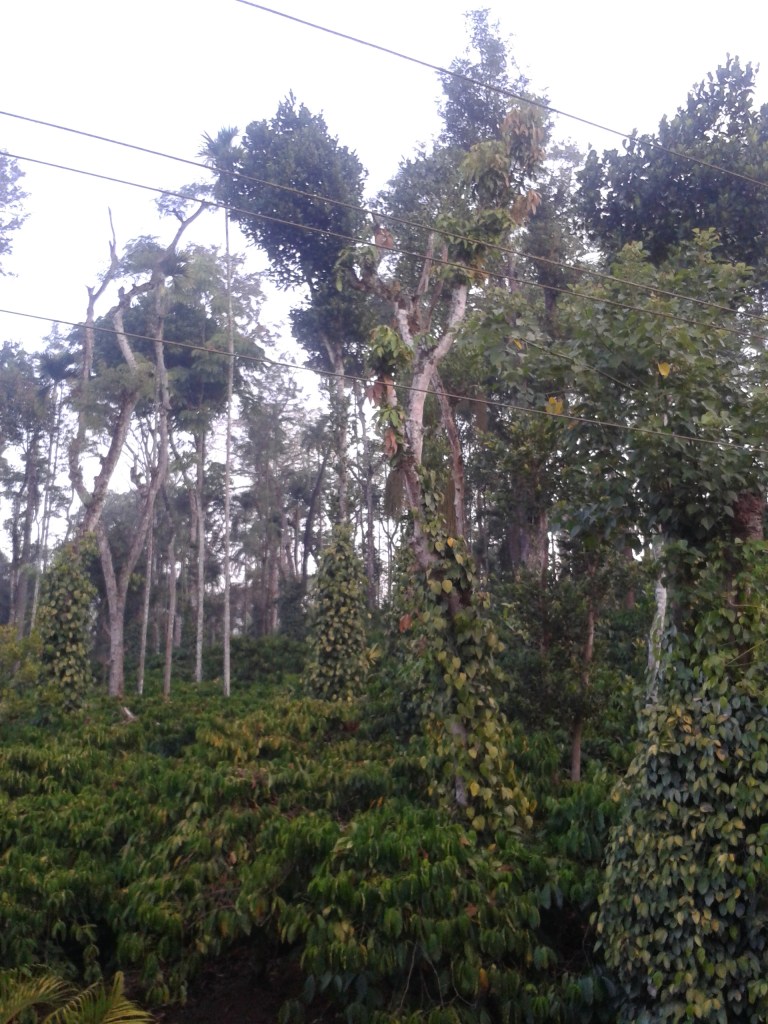
As one drives in Coorg, coffee plantations on either side of the road welcome you. Misty mornings in a breathtaking landscape of lush green hills ; Kodagu has climatic conditions ideal for coffee cultivation and that explains the vast coffee estates here. Mainly two varieties of coffee are cultivated here, Robusta and Arabica.

The coffee estates

Coffee shrubs and pepper vines

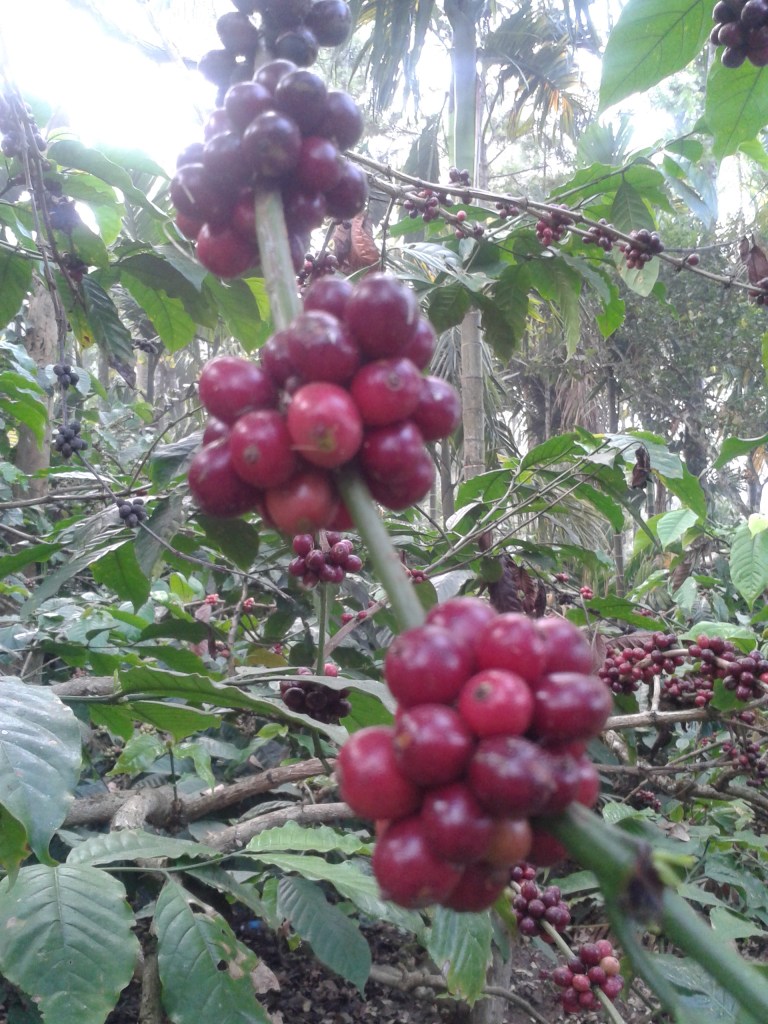
Coffee and Pepper ready to harvest

Spice shops line the road at every few metres…

Most of the homestays and hotels in Kodagu arrange for a plantation visit. That can be a different experience for the urban bred.

A coffee estate walk

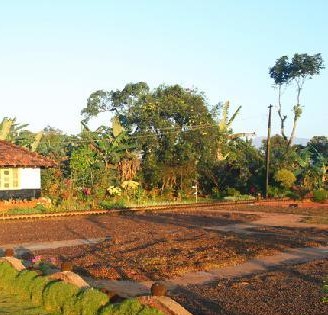
Coffee berries are handpicked as they have to be at the right stage; neither too ripe nor raw. These berries are then dried out in the sun for a couple of weeks. Then the seeds of the berries are separated by removing the skin and dried pulp.

Drying of Coffee berries and extracted beans

The seeds are then stored after grading. Before use, the seeds are roasted and powdered to get you the filter coffee powder available in the market.

Many of these stages are automated by the large coffee cultivators while the smaller farmers use traditional methods. Fermenting the coffee bean and roasting are the two stages which can alter the aroma and flavour of your next cup. So these are carefully monitored.

Cuppers….

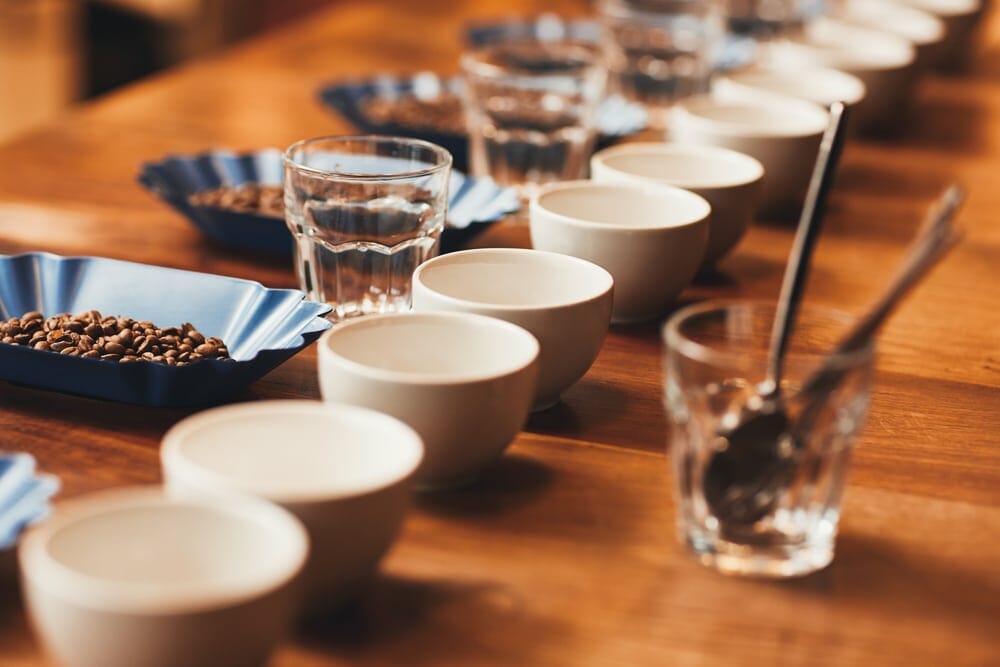
Coffee tasters also called cuppers play a role in determining the taste and flavour of your next cup. The cupper assesses the quality of beans, then “noses” the brew for the aroma. The actual step of tasting begins with the cupper slurping a spoonful of coffee spraying it all over his tastebuds before spitting it out. Difficult to accept , but expert cuppers taste hundreds of coffee varieties a day and still tell the subtle differences!! After all this, I really wonder if the cupper can enjoy his actual cuppa like you and me??

A cupper’s work table

To brew the coffee we buy from the market, in traditional south Indian style, we use a coffee filter. The coffee powder is placed in the filter and hot water is passed through it to extract the flavour. The decoction is then had diluted as black coffee or added to boiled milk to get a cup of freshly brewed filter coffee . Automatic coffee brewing machines are now available of course!

Instant coffee powders are made industrially using various steps.

A traditional coffee filter used at home and an automated filter

And that explains the journey of the coffee bean from birth till it comes to you in a cup as coffee…

Well, I hope you enjoyed the journey of the coffee bean just as you do your morning cuppa!!!

Delving more deep into Kodagu, next week we visit some of the interesting sights around Madikeri. Till then, enjoy your coffee… but don’t forget to give your comments and feedback…

Sakrebyle , Elephant rendezvous

Elephants; the gentle giants , are dear to all of us ; more so to children. So when we saw our granddaughter’s excitement on seeing elephants on the screen, we decided to give her a hands on encounter with these lovable beings. That’s what led us to Sakrabyle, the elephant camp near Shimoga in Karnataka.

A 310 km drive from Bangalore and we were at Shimoga.

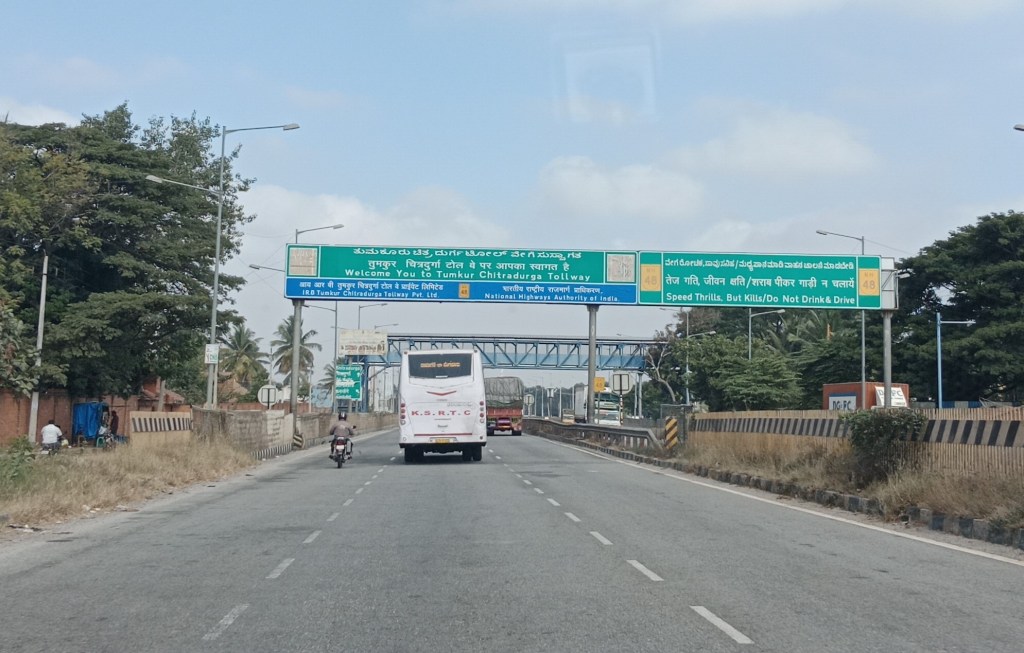
The drive to Shimoga

The best time to visit the camp is early morning before the crowds and the heat and so we halted overnight at Shimoga.

A preview of the elephant camp and facilities available before I get into our experiences…

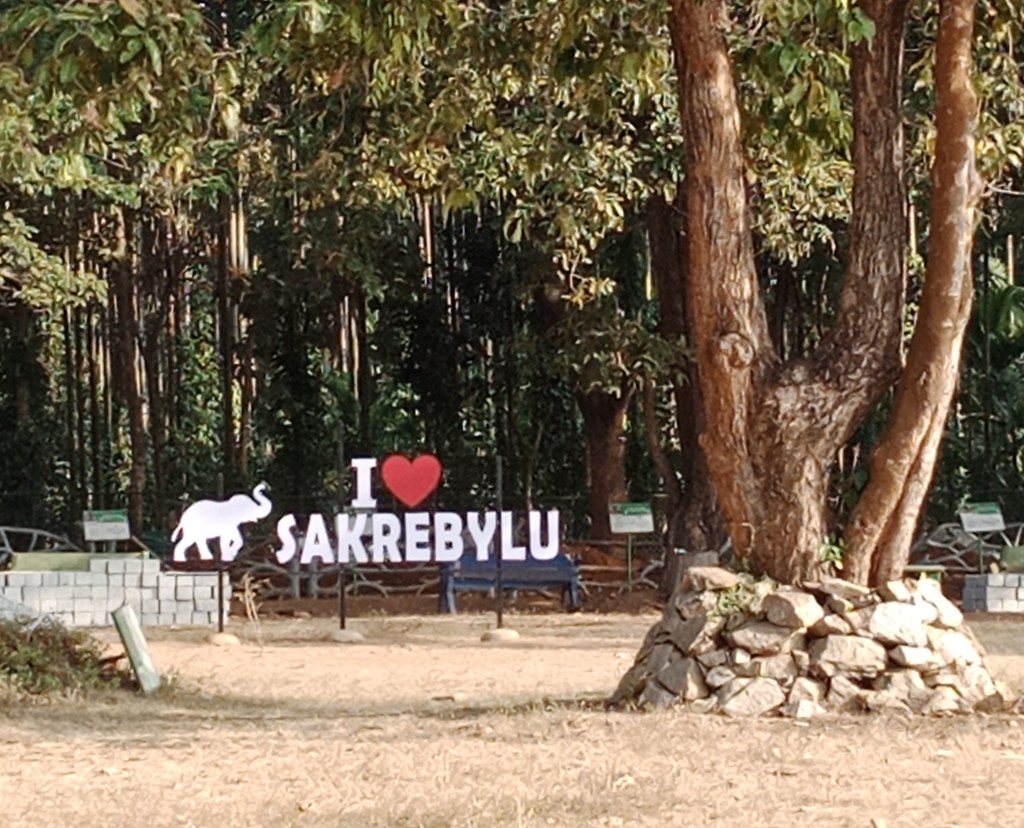
Sakrebyle Elephant Camp

Maintained by the Karnataka Forest department, this camp is a forest camp for captive elephants brought here for training and rehabilitation from many places. Elephants that may have had illnesses , nutritional issues, behavioural issues like rogue elephants or those that were orphaned or abandoned are housed here in the forest camp. A dedicated team of specially trained mahouts train and rehabilitate these gentle giants.

The Forest Camp

They live inside the forest camp opposite the area where tourists interact with them. This forest area also has accomodation for tourists run by Jungle lodges and resorts. The accomodation in the Jungle lodges is very good and safari facilities are there. (Unfortunately, we could not get accomodation at this jungle lodge which would have been ideal). If you book with Jungle lodges, they take care of everything and also they bring you to the interaction area in a buggy saving you the trouble of getting the tickets etc.

The Jungle Lodge and tourists being brought to the interaction area

Every morning, the elephants are brought from the forest to the interaction area.

The elephants coming out of the forest camp

The interacion area is a large open ground with multiple activities. This area lies on the banks of the Tunga river where the giants have their bath. The most popular activity here is an opportunity to bathe the elephants under the supervision of the mahout.

Our trip

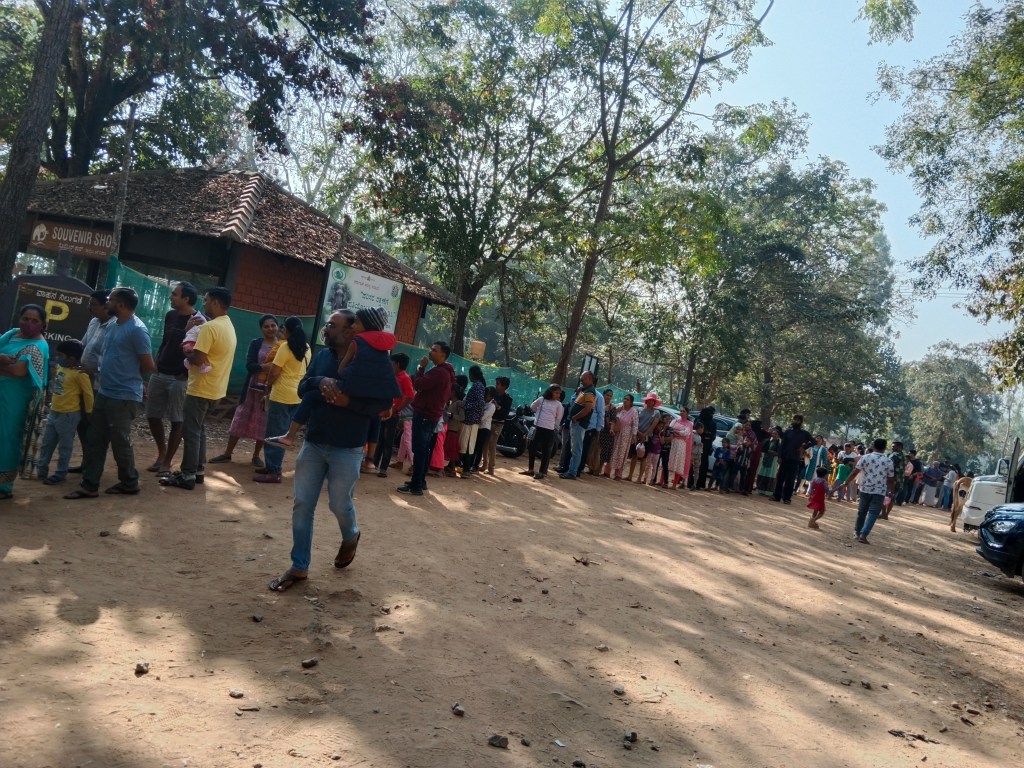
Driving down from Shimoga early morning, we reached the camp well on time to join the front of the long queue for tickets.

The counter and the long queue

As we were waiting at the ticket counter, the elephants were being brought in for their daily rituals under supervision of mahouts.

The entrance for the elephants and one of the elephants walking in

A short walk lead us to an open area overlooking the Tunga river

The open interaction area

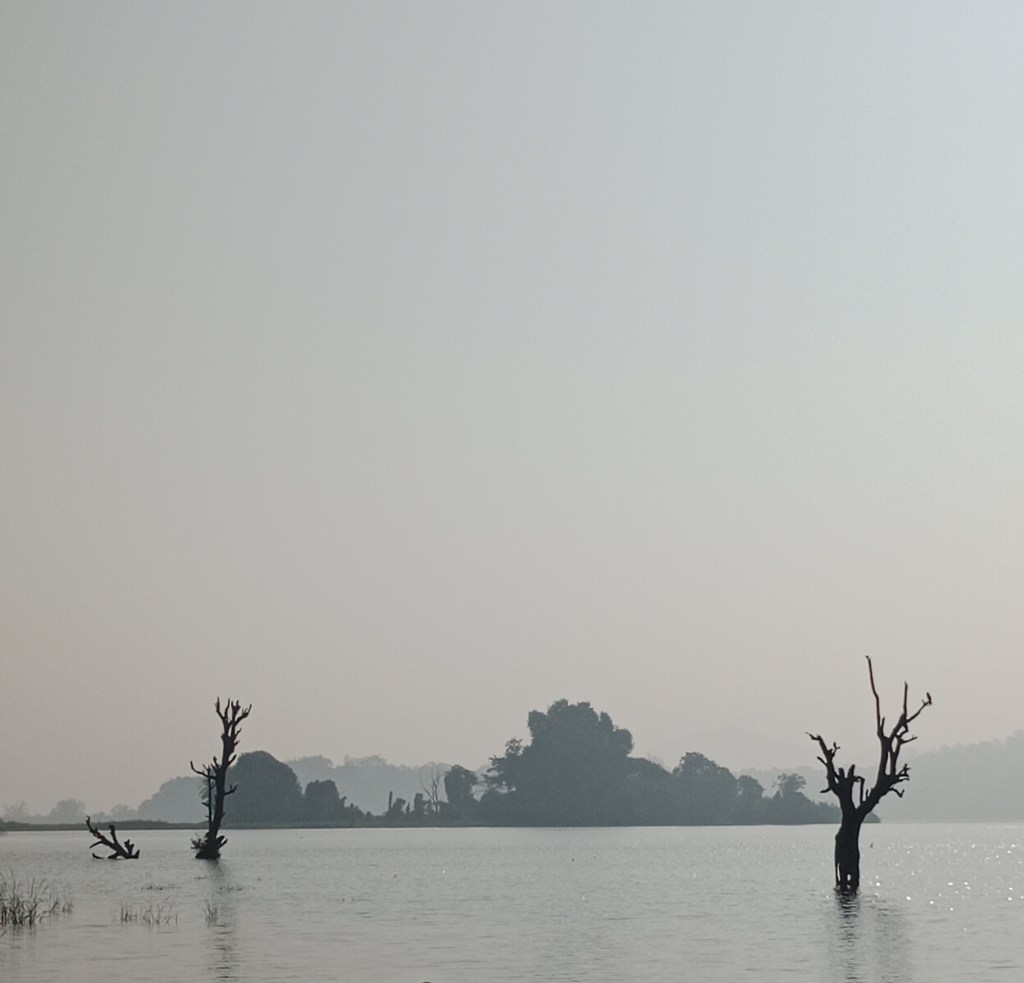
The beautiful Tunga river

The elephant family walks to the Tunga

Ready for a bath in the Tunga river

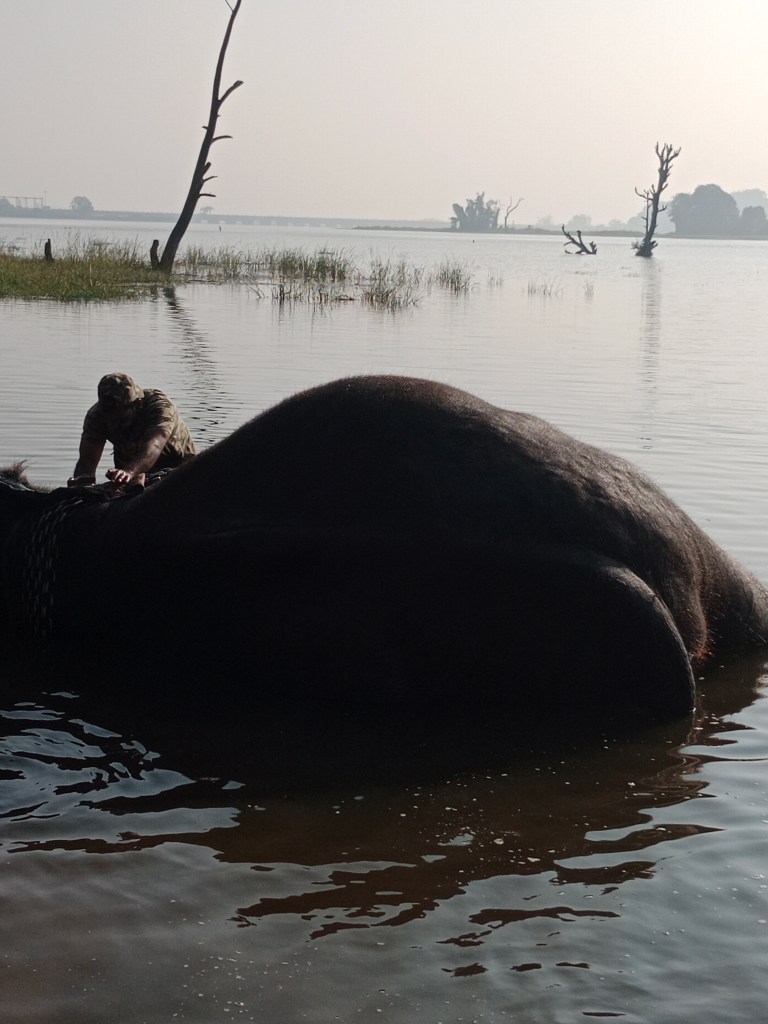
The mahout starts the bathing process…

And we joined in….

After helping with the bathing ritual, we stood around and watched as more elephants came and went through their daily routines

Visitors watch the elephants ….

After the bath, the elephants are fed at an enclosure and visitors can also participate in the feeding of the elephants. Since we were to leave to our next destination, we did not wait for that. Elephant rides are also available from there.

Returning to our hotel in Shimoga we proceeded to Kollur for our annual pilgrimage there and then on to a fun destination near Koteshwar. The little one was all excited about her encounter with the giants and her stories continued for a few days.

Let me stop here for now .

Next week we are at coffee land. Till then, do keep your comments and feedback coming….

Jog Falls

The Sharavati river in Karnataka plunges down a vertical cliff to form the famous Jog Falls or Gersoppa Falls . A beautiful waterfall specially in the monsoons, this SHOULD be in your bucket list!!

Come on…let me take you there virtually….

The Jog Falls ( just after the monsoons)

Legend of Sharavati

The Sharavati River originates at a place called Ambutheertha in Karnataka. Legend has it that Lord Ram shot at the ground with his arrow (Ambu) to quench his wife Sita’s thirst. Out poured the water (Theertha) from the earth. Since this event marked the beginning of the river , it got it’s name Sharavati where “Shara “means arrow.

The Sharavati River near Honavar where it joins the Arabian Sea

At Jog, the water drops 253 mt ; making it the third highest waterfall in India after the Nonkhalikai (Meghalaya) and Dudhsagar falls.

The fall comes down a deep chasm in four parts called Raja, Rani, Roarer and Rocket falls. This waterfall changes itself seasonally depending on the rainfall. Its true might is displayed during or just after the monsoons. The presence of the Linganamakki dam also affects the volume of water in the falls.

The falls during the dry season with much reduced waterflow

There is a viewpoint located right across the falls from where we can actually watch the falls and there is a series of steps to go down to the bottom of the falls.

The viewpoint

Enjoy the video of the falls in monsoon

The other interesting activities that can be combined with Jog falls:

Sharavati Wildlife sanctuary ,Dabbe Falls and Linganamakki Dam visits.

Sharavati Wildlife sanctuary

The Sharavati river basin is rich in biodiversity and also has the Sharavati Wildlife sanctuary.

The Sharavati Wildlife sanctuary in the Western ghats is covered with evergreen forests and grassy hilltops. It harbours rich wildlife like bison, deer, boar, jackals,leopards and the malabar giant squirrel. A visit to this wildlife sanctuary can be combined with a Jog falls visit.

Deer at Sharavati Sanctuary

Bison

Dabbe Falls :

It is about 35 kms from Sagara town. Guides are available at Muppane nature camp which is 10 kms away.

Dabbe Falls

Linganamakki Dam:

10kms from Jog falls is the Linganamakki dam. One can view the dam from a distance.

Linganamakki Dam

Travelling to Jog Falls:

The nearest airport is at Mangalore 219 kms away.

The nearest Railway station is Talaguppa 20 kms away.

Driving from Bangalore, it is 411 kms away.

Sagara and Shimoga are the nearest towns with plenty of hotels. But the best places to stay are The Mayura Gersoppa hotel run by Karnataka Tourism (bang opposite the falls with views from the rooms ) and Sharavati Adventure camp run by Jungle Lodges and resorts.

Sharavati Adventure camp

This is by far the best accomodation near Jog falls. As the name suggests, it has various adventure activities like hiking, trekking, bird watching. Besides, the views from here are beautiful with the backwaters of the Talakalale dam .Water sports activities are also available.

The Sharavati Adventure Camp

Well, that brings us to the end of this episode.

Next week, we meet up with some gentle giants; the elephants. Till then, let me say goodbye but not before reminding you to subscribe, comment or give your feedbacks.

Murudeshwar

Yet another temple and beach destination in Karnataka is Murudeshwar. Situated around 100 kms north of Udupi, Murudeshwar is also easily accessible by various means of transport and has grown in popularity over the years.

Murudeshwar Temple and beach

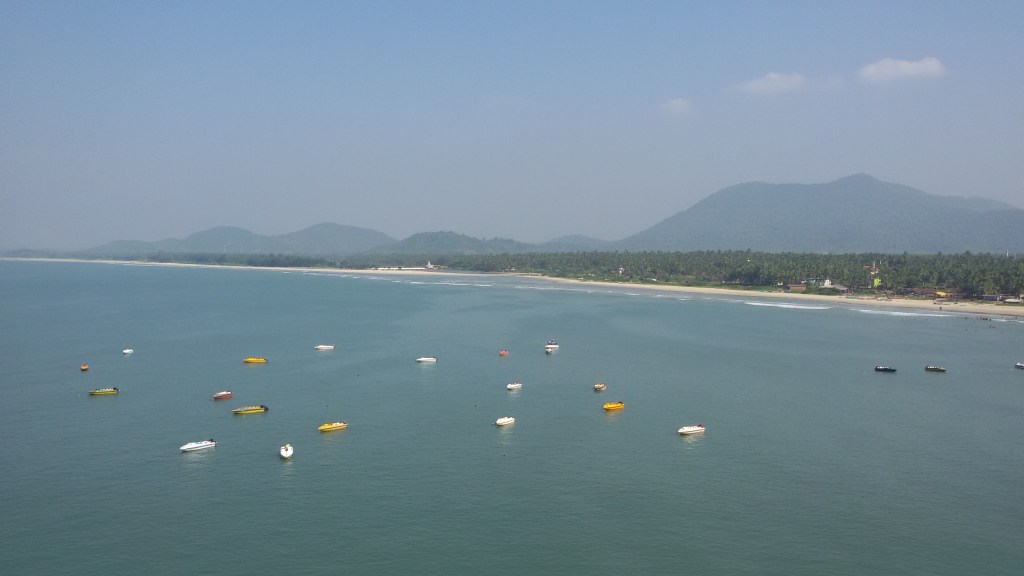
Murudeshwar lies on a projection of land into the Arabian Sea on the Karnataka coast. Due to this unique geography, it has sea on three sides and hence offers great views to visitors.

The place is surrounded by hilly terrain and the hills in the distance add to the beauty.

The peculiar location of Murudeshwar

Mangalore is the nearest airport.

Murudeshwar has a train station on the Konkan railway.

By road it lies just off the Mangalore Mumbai highway.

Murudeshwar Temple

As one leaves the highway and takes the road to the temple, there is an arch across the road. Driving further on the road, it gets crowded as one nears the temple. Shops selling trinkets, curios, religious pictures, pooja articles and food dot the road.

The temple dedicated to Lord Shiva is built on the Kanduka hill surrounded by water on three sides. The temple has a twenty storey Gopuram . A lift takes one to the top of the Gopuram .The main deity is Mridesa Linga or Murdeshwar.

A 123 ft high statue of Shiva is also part of the temple complex. This is the third tallest Shiva statue in the world and is visible from far away.

The temple complex is huge with smaller shrines dedicated to various Hindu Gods. Several shops selling puja articles and other necessities skirt the temple complex.

The Raja gopuram looks particularly attractive at night with lights at all the floors.

Some pictures…

The arch at the entrance

The Raja Gopuram

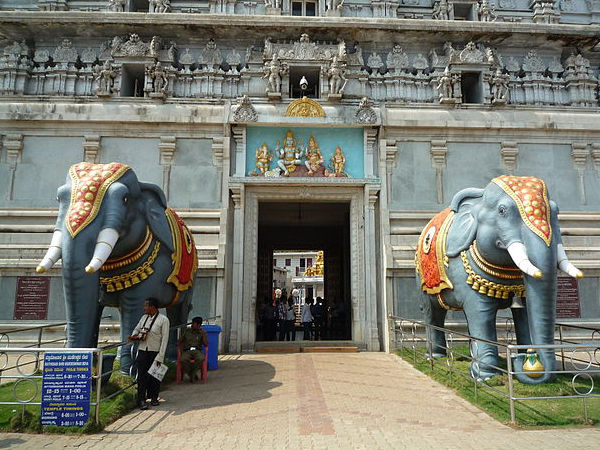
Two decorated elephant statues at the entrance

The Shiva Statue

Some of the other statues at the complex

The illuminated Gopuram and lights along the seafront

Murudeshwar Beach

The beach is located next to the temple and the activities spill over both ways making it difficult to separate the two.

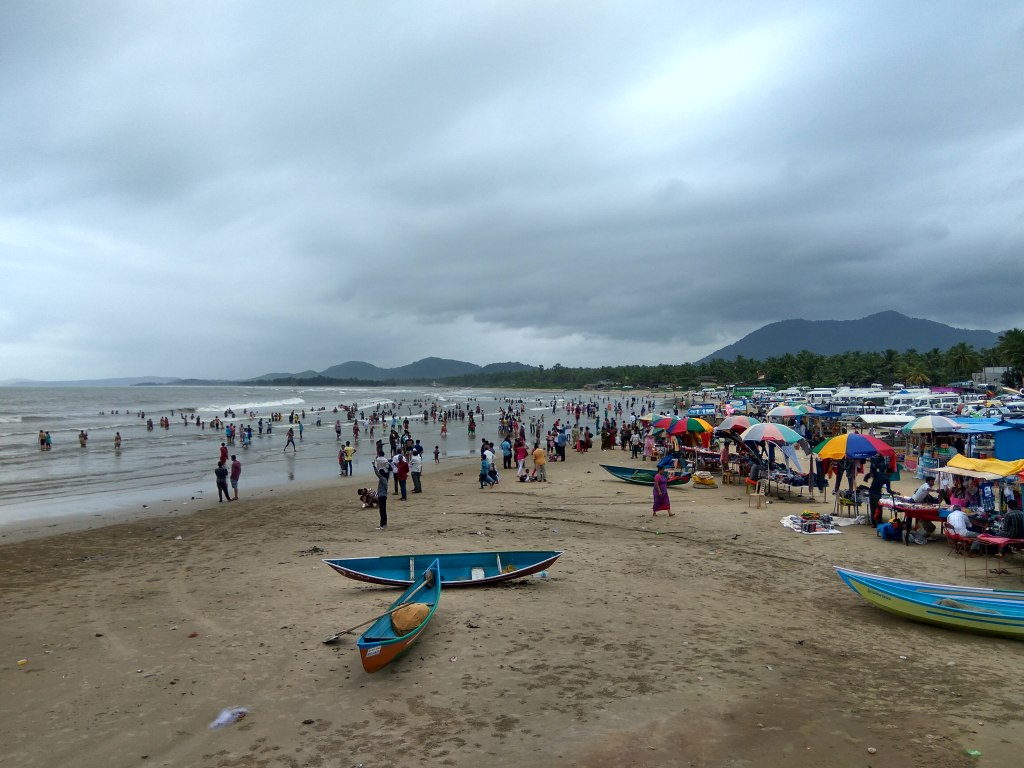
The beach is serene during the early morning hours but gets crowded by noon and in the evening it becomes almost impossible to even walk on the beach without bumping on to others especially during the holiday season. The unrestricted entry of vehicles to the beach front creates lot of confusion and difficulty for the visitors. So if you are averse to crowds, it is better to enjoy this beach early in the morning or from the peace of the hotel balcony in the evenings.

We were put up at RNS residency, a multi-storeyed hotel right next to the temple and the room offered great views of the beach.

Murudeshwar beach in the early morning

See the beach crowds in the evening with vehicles parked next to the water.

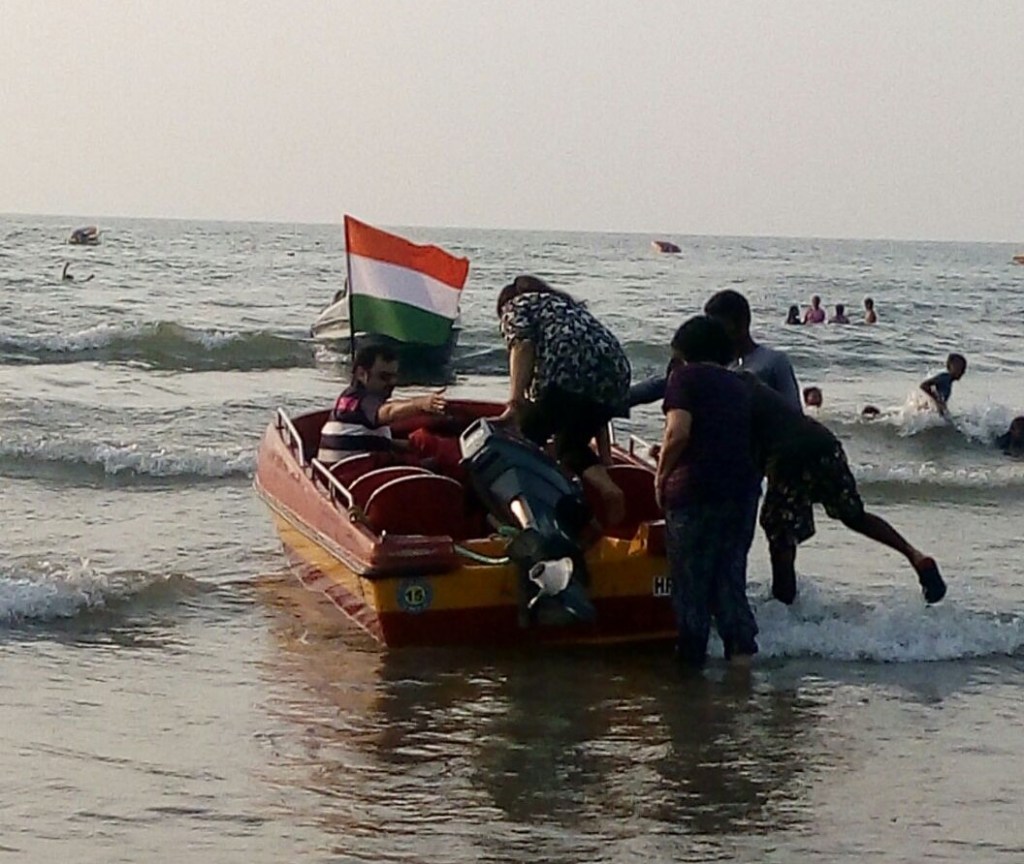
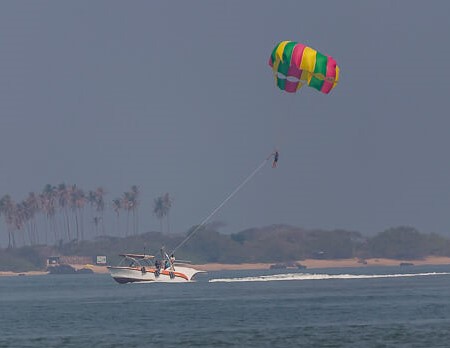
Murudeshwar beach also offers some water sports activities. Some pictures..

Preparing for a boat ride…

A boat ride….

Netrani Island

The more adventurous can venture to Netrani Island nearby. Another name for this island is Bajrangi Island .There are snorkelling and scuba diving facilities here. There are coral reefs around this island and they provide a nice spot for these activities. The boatmen on the beach organise the visit to Netrani island. Netrani Adventures is a company that offers scuba diving and snorkelling .

Netrani Island

As we are not particularly fond of crowds, we spent the evening at the balcony of the hotel enjoying the sea breeze and the views. Soon we were rewarded with a beautiful sun set view…

Sun sets on another beautiful day…

Next morning we visited the beach and it was calm and peaceful. Enjoyed a leisurely walk soaking in the views.

After returning to the hotel, standing in the balcony, I got a glimpse of a typical fisherman’s life as he went along doing his daily business.

A fisherman’s daily life….

After breakfast, we left Murudeshwar for Goa . A nice drive about which I have mentioned in my blog on the road trip. We reached Goa by late noon. More on Goa in a separate episode.

For now, let me take leave hoping that you enjoyed the trip to Murudeshwar. Do keep your comments and feedback flowing in…

See you next week…

Malpe

This is a word I have to keep up….

I had promised to do a detail blog on Malpe when I touched upon this jewel of a beach during my road trip episode. Well; here it comes….

Beautiful Malpe beach

Beach Umbrella typical of Malpe

Some of you will think….What’s so different ? A beach is a beach whether it’s in Goa, Kerala, TN, Maharashtra or even Pondicherry. Well it’s not like that…each of these beaches has it’s own flavour and ambience. Each of these beaches has its own colour of sand, the coarseness of the sand grains, the rockiness of the coast, the width of the beach, the drop of the sand ridge into the ocean and various parameters that make each one unique. Each of these beaches has its own unique water sports, food and local ambience too! I will be touching on most of these beaches in my forthcoming episodes and that should clear the air.

Located just 6 kms from the temple town of Udupi in Karnataka, Malpe beach is an awesome destination. Very few know about the wonderful beach that this temple town is home to.

Mangalore at a distance of 60 kms is the nearest airport and Udupi the nearest railway station. It is located very conveniently at a short drive from the Mangalore Mumbai highway.

Not as well marketed as the beaches of Goa, helps in maintaining its serenity and peace. I have visited this beach many times and I can tell you, its gaining popularity but simultaneously losing its peace. So those of you who love peace on the beach, you are running out of time!.. Head there before it gets to that stage of “just another beach”. Those of you who like crowded beaches can take it easy….the more you wait, the more crowded it will get…the popularity of this beach is growing!!!!!

A little history and geography…

Malpe is one of the exquisite unexplored beaches of the Indian West Coast. Located at the mouth of the Udayavar River, the rocky coastline has 4 islands, the most famous being St. Mary’s Island.

For centuries, Malpe has been an important trading port with the West. It is also believed that Vasco da Gama had made a short halt during his voyages at St Mary’s Island and it was he who gave the island its name. Malpe is also an important fishing harbour due to the diverse marine life here due to the mixing of the fresh river water and the sea.

Safety is what adds to the tourist attraction of a place. Being a very uniform and gentle sloping sand beach with no sudden depth , makes it one of the safest beaches in the region. As mentioned earlier, the popularity of this beach has grown and lot of tourists and locals reach this beach in search of a great beach holiday. The authorities have risen to the occasion and a lifeguard station functions here. Apart from that coloured flags indicating the level of danger are put up on the beach front regularly. Beach patrolling by the guards who monitor the swimmers also occurs.

Life guard station Malpe

Red flags on a risky day

Accommodation

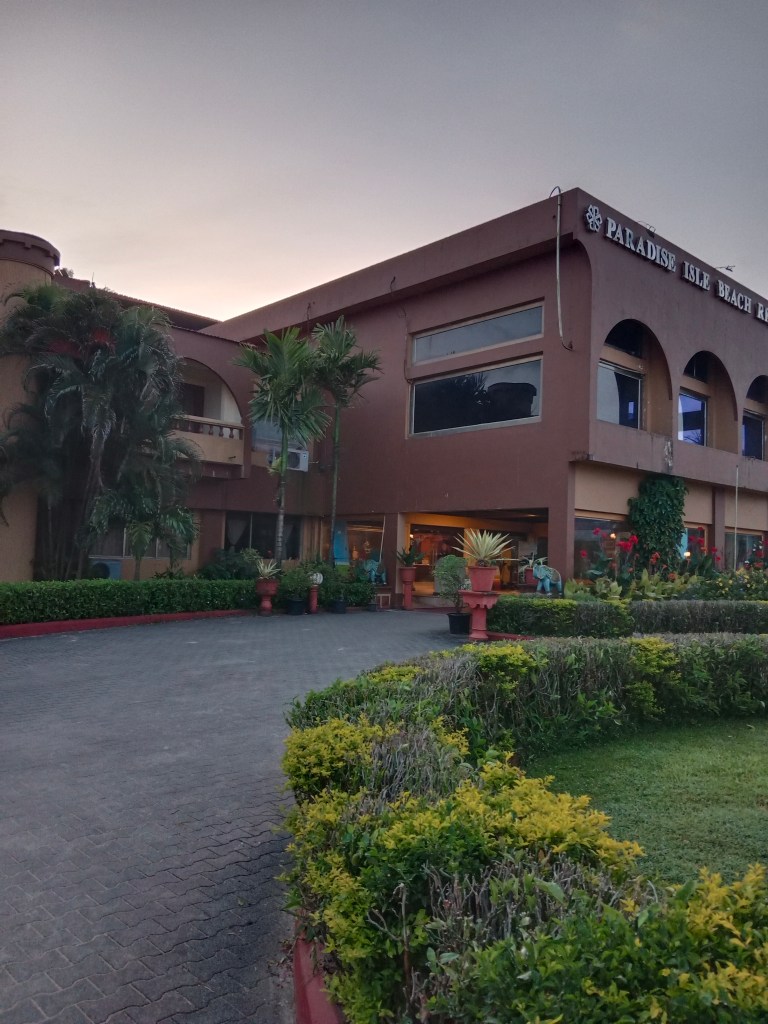
Accommodation of various categories ranging from luxury hotels to backpackers and homestays are available close to the beach itself which makes it very convenient.

Paradise Isle Resort where we usually stay

Some other hotels overlooking the beach

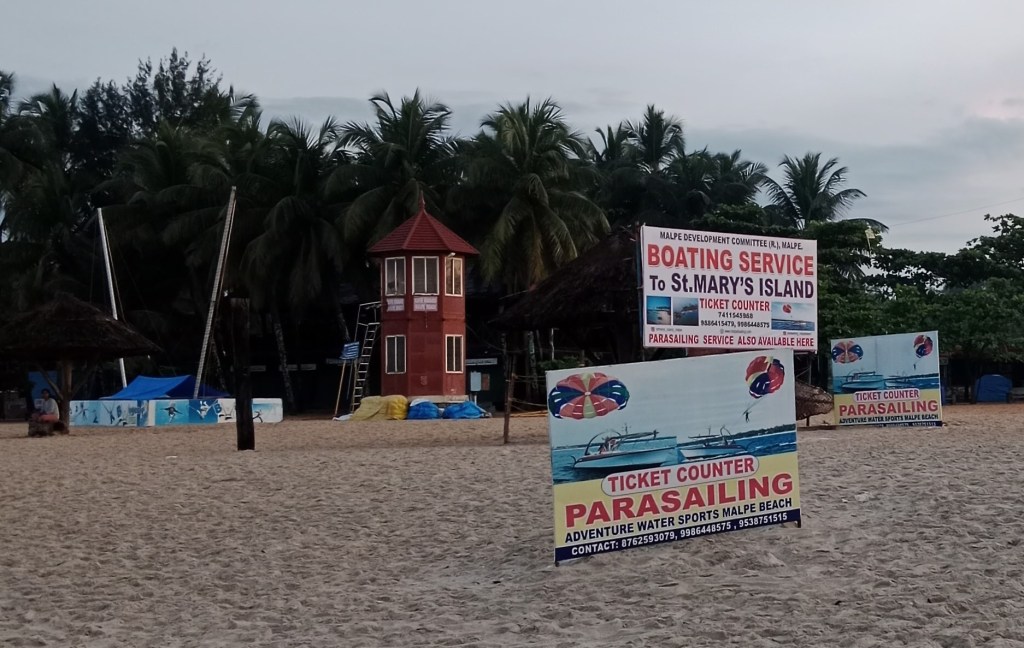
A variety of watersport activities take place here in the evenings. Indulging in them or even just standing by and watching them can be a very relaxing experience. Some pictures from my visit to Malpe…

Boards displaying various activities at Malpe

Some of the activities at Malpe beach

Sea Walk

A seawalk is one of the latest additions at Malpe that helps one enjoy the sunsets from an extended walkway into the sea.

Sea Walk Malpe

St Mary’s Island

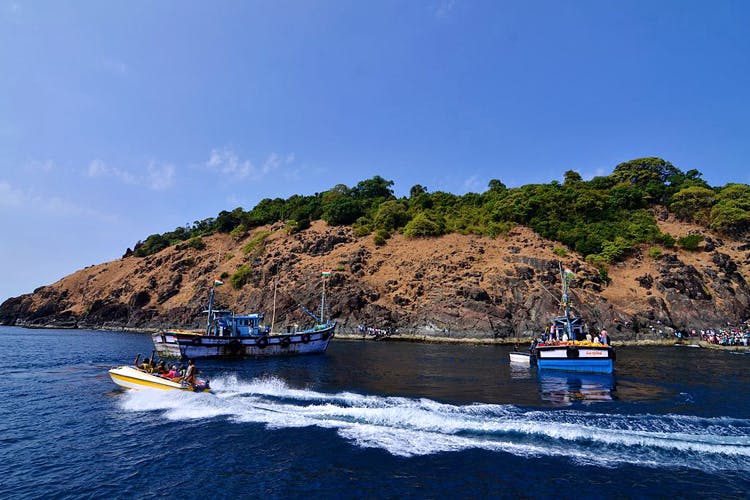
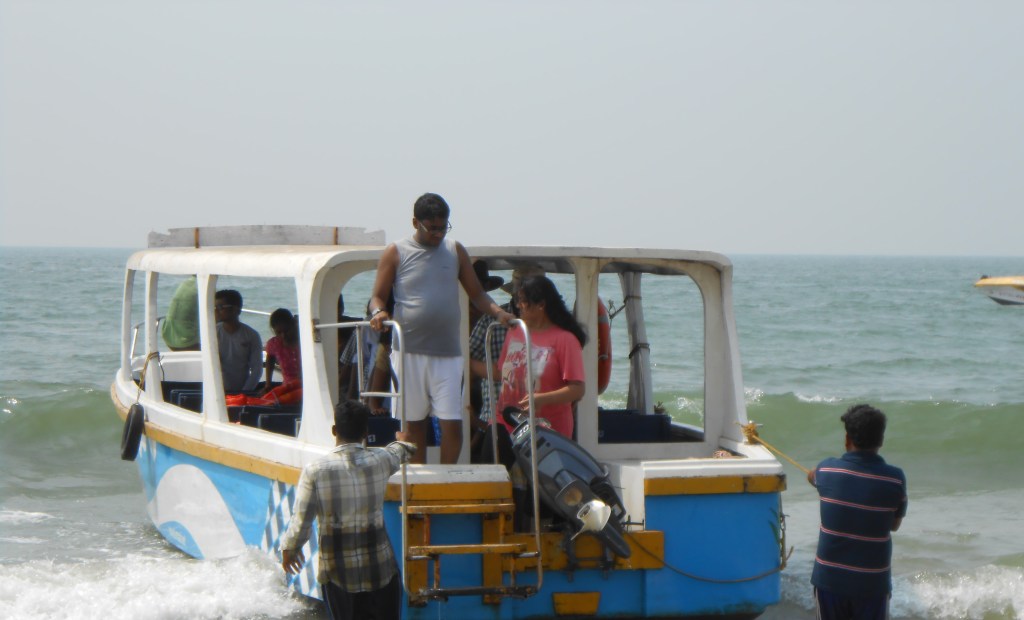
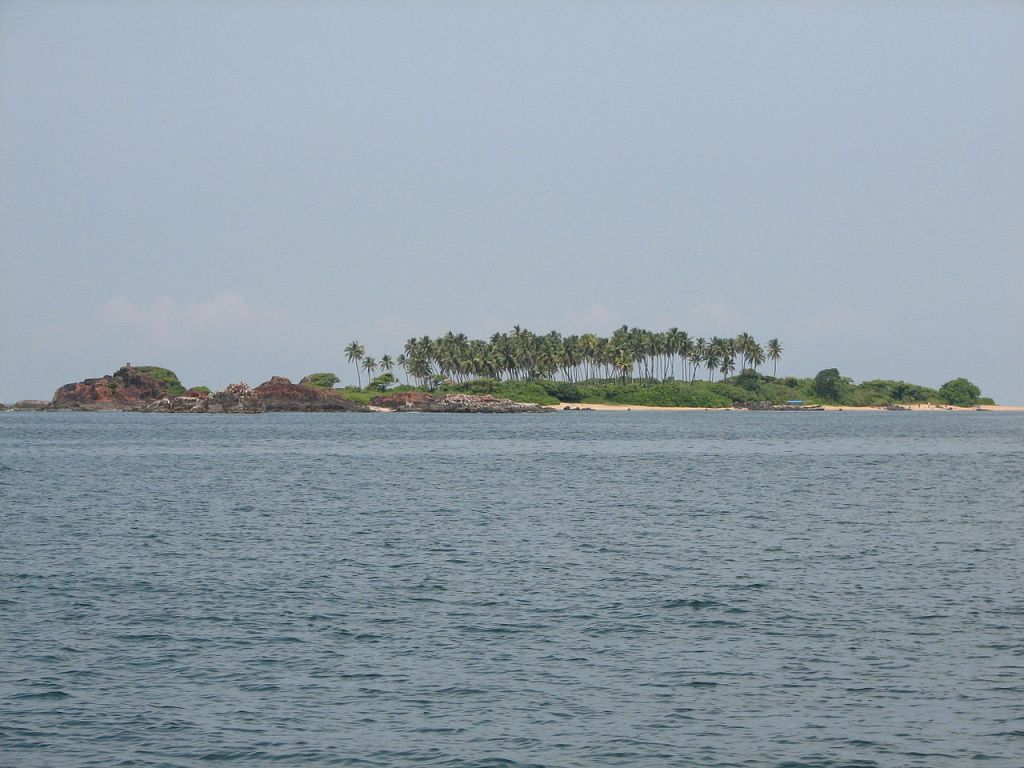
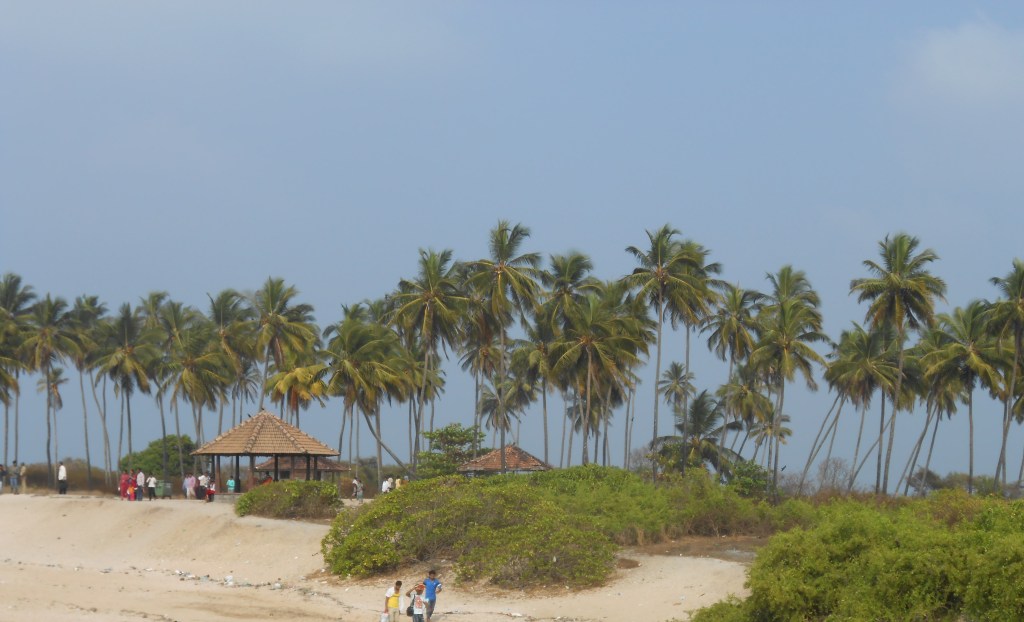
Another activity that one can indulge in, is a visit to St Mary’s Island. This island can be spotted in the horizon from Malpe. A short boat ride takes one to this palm fringed island.

The boat ride to St Mary’s Island

Approaching St Mary’s Island

St Mary’s Island

Rare basalt volcanic rocks are found here and it has been added as a National geological monument.

The Basalt Rocks

Food

The word Udupi is almost synonymous with typical South Indian breakfast fare of Idly,(a steamed rice cake) Dosa, ( savoury pancake made of rice),Sambar,( a gravy that accompanies the idly) and Vada (deep fried lentil fritters) . When we talk loosely of a Udupi Hotel, it refers to such vegetarian fare. But contrary to that, local food includes lot of nonvegetarian items too.

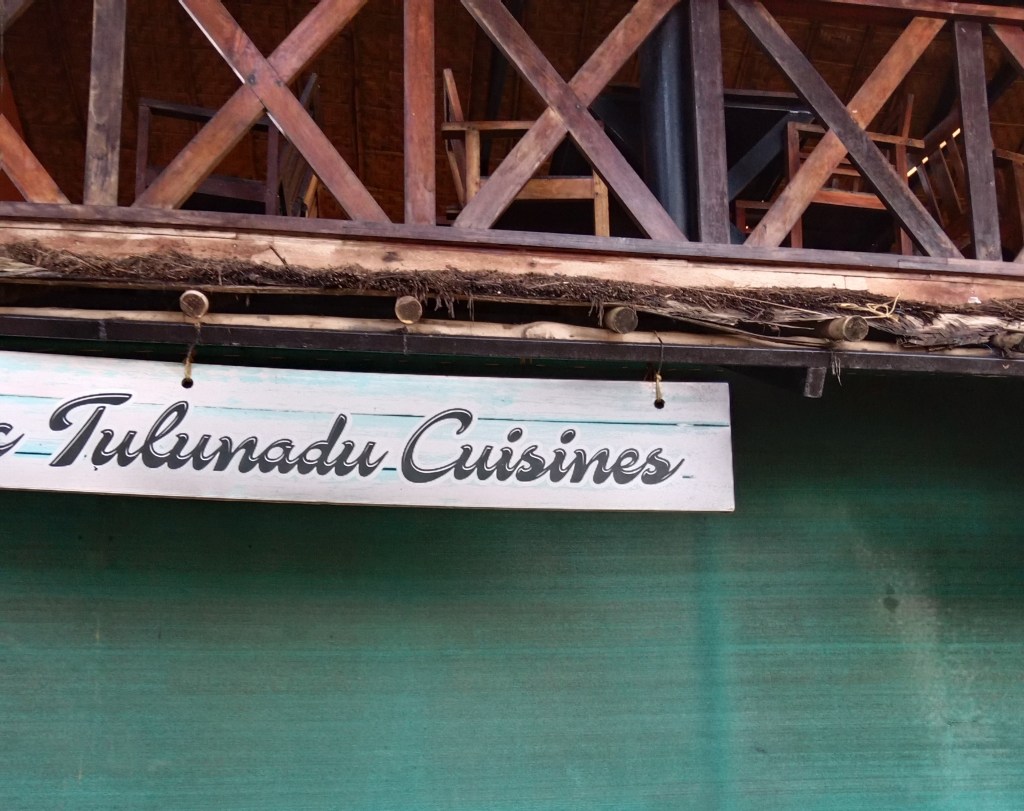
Malpe offers great non vegetarian cuisine especially fish. Tulunadu…that’s what this region is known locally , is known for its variety non veg fare. (“Tulu” is the local dialect of Kannada and “nadu” is country) Kori Rotti, ( chicken and wheat bread) Fish Curry, Prawn roast, Neer Dosai etc are part of typical tulunadu food.

A typical restaurant signboard

Just reaching the kitchen!!

A sombre ritual

I was witness to a religious ceremony one morning on the beach. A family was performing the obsequies of a relative.

It is customary for Hindu families to perform certain rituals after the death of their family members. It is performed close to waterbodies and Malpe is no exception….

Obsequies

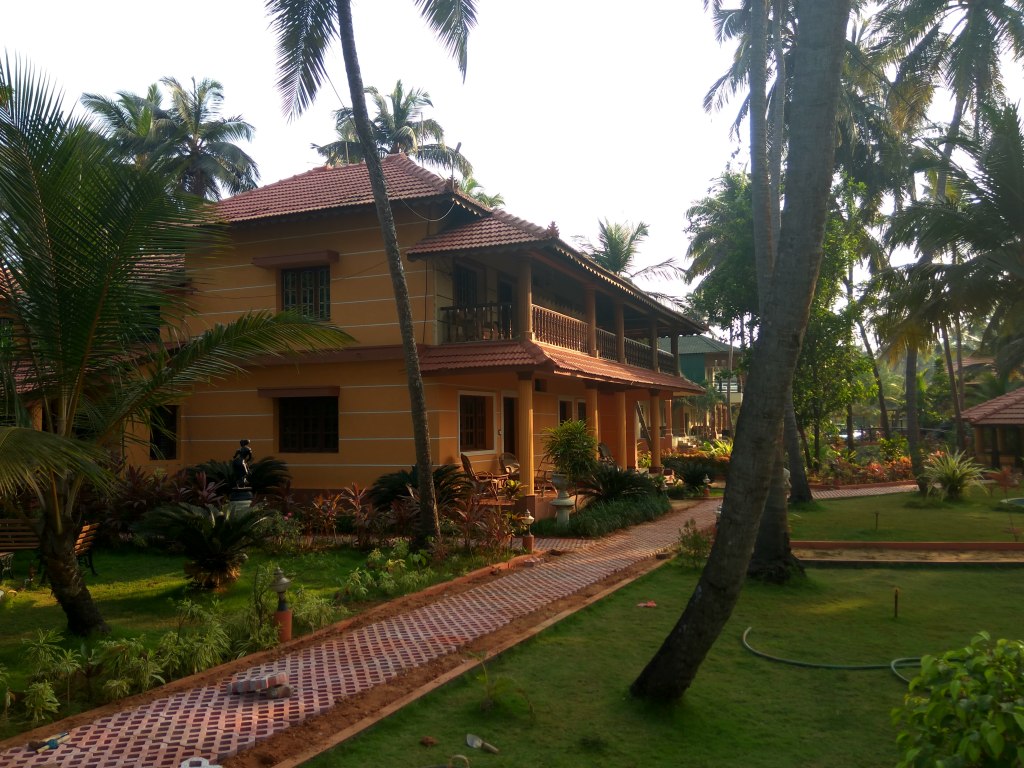
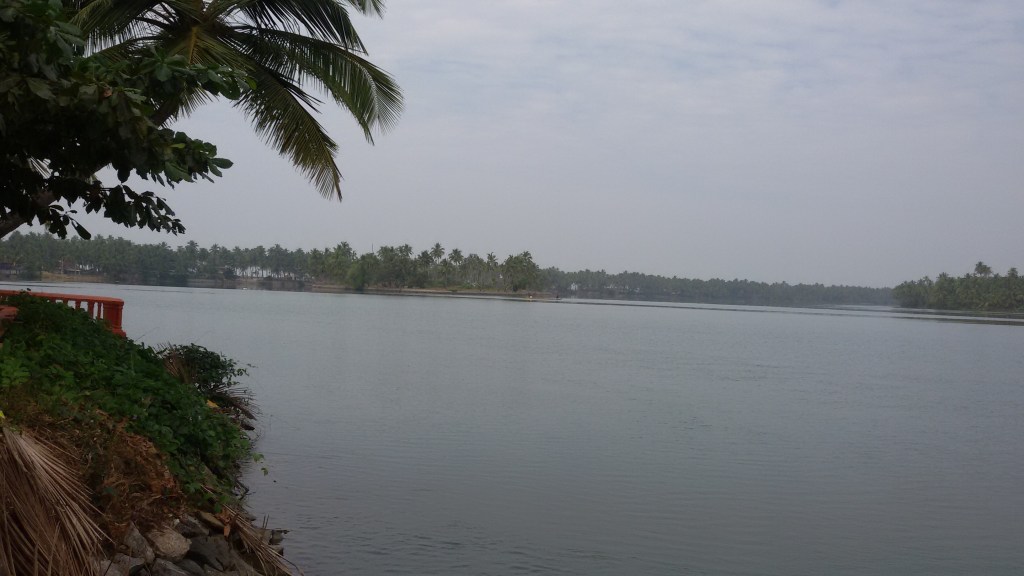
As you have seen, Malpe beach is a hub of activities that can keep anyone entertained. However, if you prefer a quieter place with the ambience of a lagoon, head to the mouth of the Suvarna river a few kms from the main beach. Here there are resorts on the banks of the estuary which have a quiet ambience.

Some pictures from one such place.

The resort

The beautiful views from the resort

With Malpe offering so many avenues of entertainment, it sure is finding its way into everyone’s bucket list. Apart from Malpe, one can visit other lesser known beaches along the Karnataka coast from here.

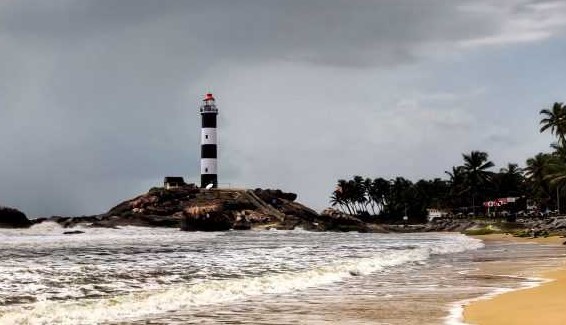
Kaup is one such beach destination where there is a famous light house. It is also a famous surfing destination.

Kaup Lighthouse

Maravanthe is also another beautiful beach close to Udupi on the highway.

Beautiful Maravanthe

So as you can see , there are lot of beach holiday options along the Karnataka coast. Easy to approach and pocket friendly, all of you should definitely try out some of these.

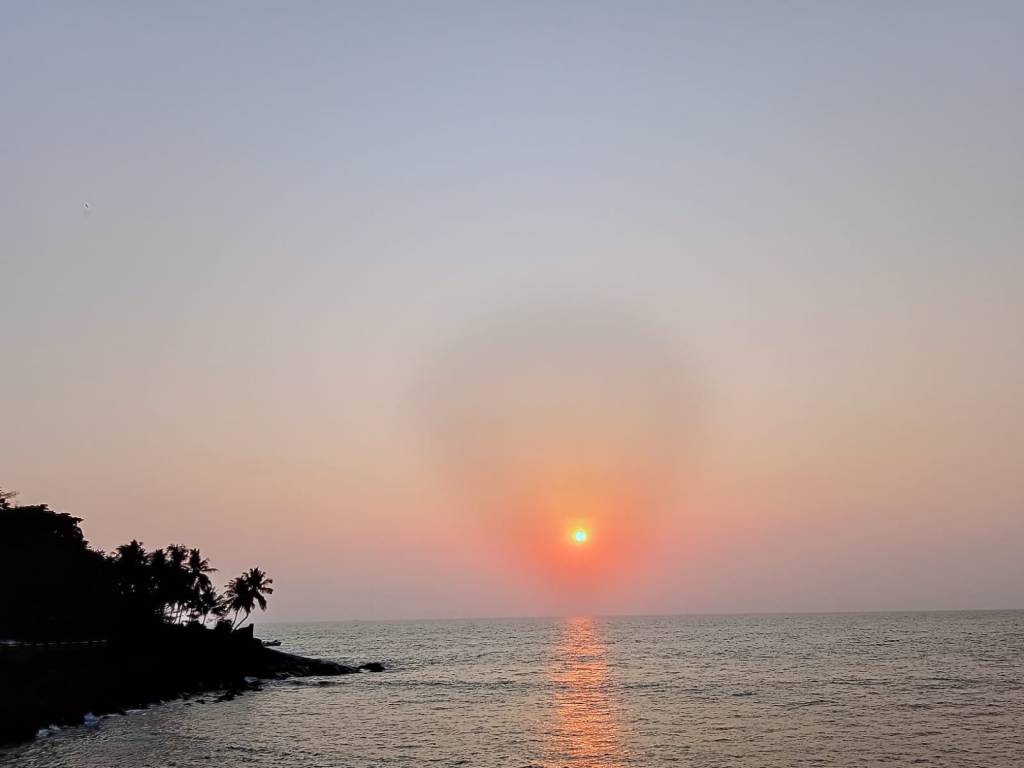
Before I bid goodbye , let me leave you with a sunset view from Malpe..

A cloudy sunset at Malpe…

As you plan your beach holiday, don’t forget to subscribe, comment and send in your feedbacks.