Mudumalai…. where the Elephants Whisper

One of the main attributes of the Nilgiri Biosphere Reserve, Mudumalai National Park and it’s buffer zone form a dedicated Tiger Reserve too. Spread over an area of more than 320 sq kms and spanning an elevation of 850 to 1300 metres, Mudumalai has amazing biodiversity and harbours tropical and subtropical forests, and a vast treasure of wildlife . Mudumalai Tiger Reserve is one of the five elephant reserves in Tamil Nadu and apart from being home to elephants, also houses the Bengal tiger, the Indian leopard, the sloth bear and many species of birds.

Welcome to Nilgiri Biosphere Reserve
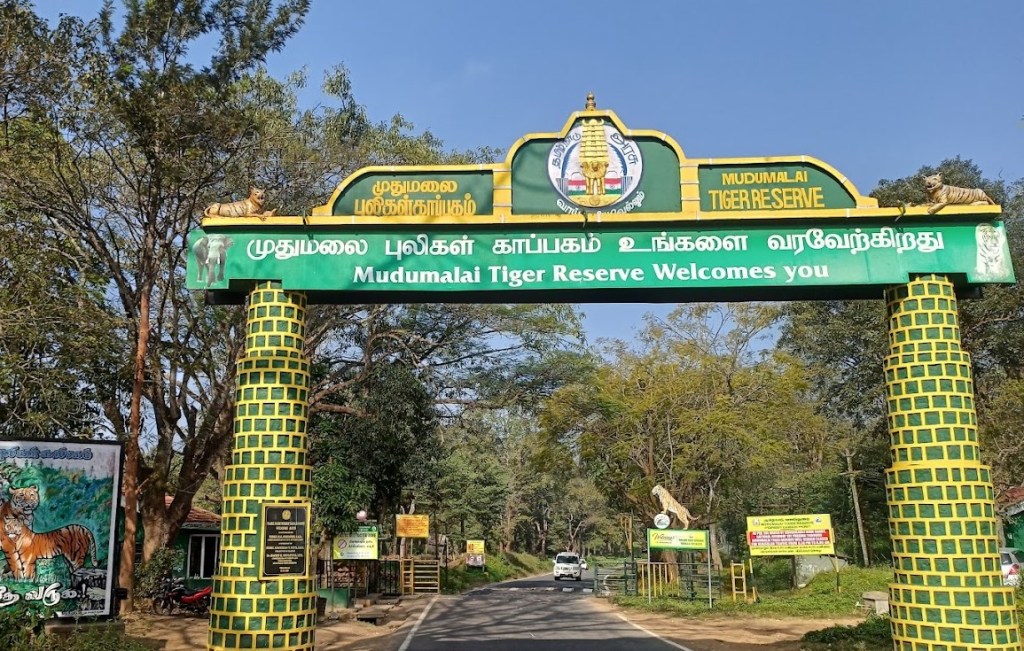
The entrance to the Mudumalai National Park

Contiguous with The Wayanad Wildlife sanctuary, The Bandipur National Park and the Sigur and Singara Reserve forests, this National Park forms an important wildlife corridor within the Biosphere Reserve. It provides landscape connectivity for the Asian elephant population in the area contributing to the elephant protection and conservation in a huge way. All these areas are also part of the majestic Western Ghats that border the southern Indian peninsula. The Moyar river is the lifeline of this sanctuary.

There are various visitor attractions at Mudumalai park. Good wildlife viewing opportunities are the Elephant safari and the Van safari conducted by the forest department. Elephant feeding camp at Theppakadu gives an opportunity to see the elephants being bathed and fed. Bokkapuram, Masinagudi, Mavanhalla and Singara are villages here where small homestay accomodations are available.

Staying at one of these destinations gives visitors an opportunity to take safaris in forest vehicles through tracks inside the forest .

Driving to Masinagudi

A forest lodge at Masinagudi and a watch tower to observe wildlife
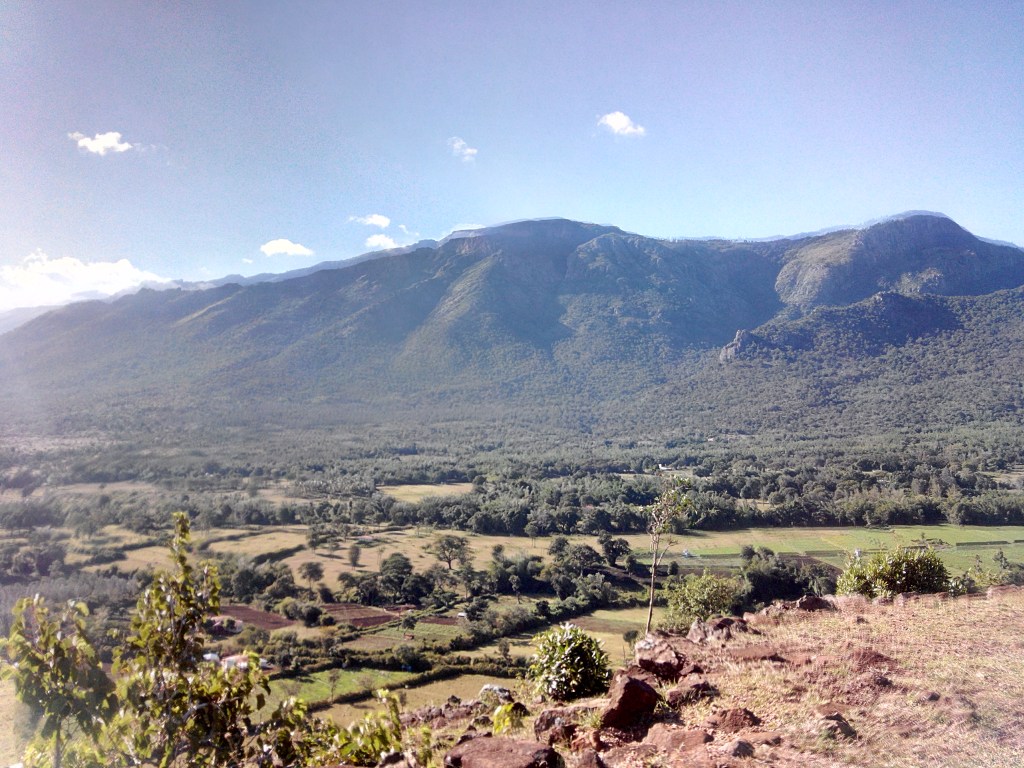
The landscape at Masinagudi

The Moyyar river near Masinagudi

A drive through the Mudumalai National park can be very exciting. Some pictures to prove this…

An Elephant family goes about their daily life…

Deer decide to display their road crossing skills…

The bisons decide to test our vehicle brakes….

And the little birdie displayed her home…

Where the Elephants Whisper….

The movie “The Elephant Whisperers” which went on to win the Oscar in 2023 chronicled the life of Bomman and Bellie who tended to Raghu ,an orphaned elephant calf. And it all happened right here at the Theppakadu elephant camp where Bomman worked as a mahout. The movie shot this couple to fame.

Theppakadu Elephant camp where this film was shot also shot to fame and public attention was drawn to this camp.

In 2024, The Tamil Nadu forest department released a calender with beautiful pictures of the inhabitants of Theppakadu and their caretakers. The calender outlines the life stories of these elephants.
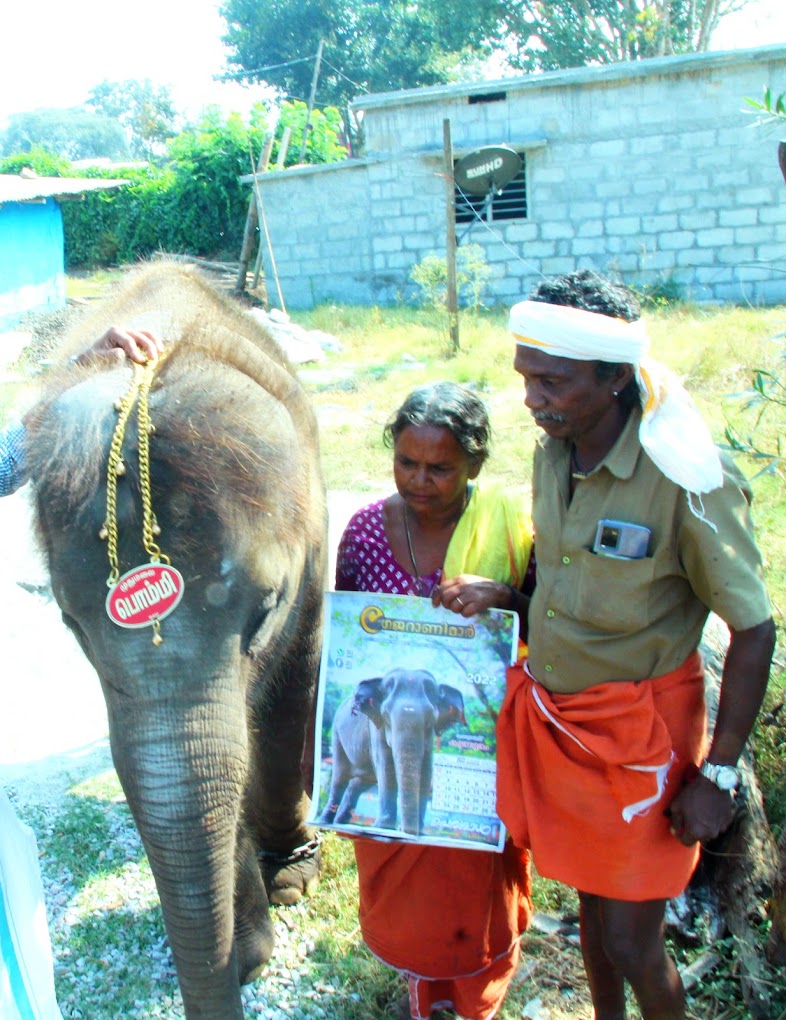
Bomman and Bellie, the real life heros of “The Elephant Whisperers”

Theppakadu Elephant Camp

This is the oldest elephant camp in Asia ; established more than a century ago and lies in the Mudumalai National Park. Originally the elephants were used for timber transportation . Over time ,it has grown into a conservation, rescue and rehabilitation centre for the gentle giants.

The camp rehabilitates elephant calves who have been abandoned or orphaned and trains them as “Kumkis”. These are trained elephants who are used to mitigate human animal conflict by assisting forest officials in driving wild elephants back into the forest and capturing wild elephants who enter human habitations and cause damage. Thus the abandoned calves are not only cared for but are put to effective use.

Most of the mahouts at Theppakadu are tribals belonging to the Kattunayakar tribe. This is a good example of local tribal participation in conservation.

This camp is also a tourist destination where elephant feeding can be observed besides elephant rides through the sanctuary.

Lodging facilities are available close to the camp .
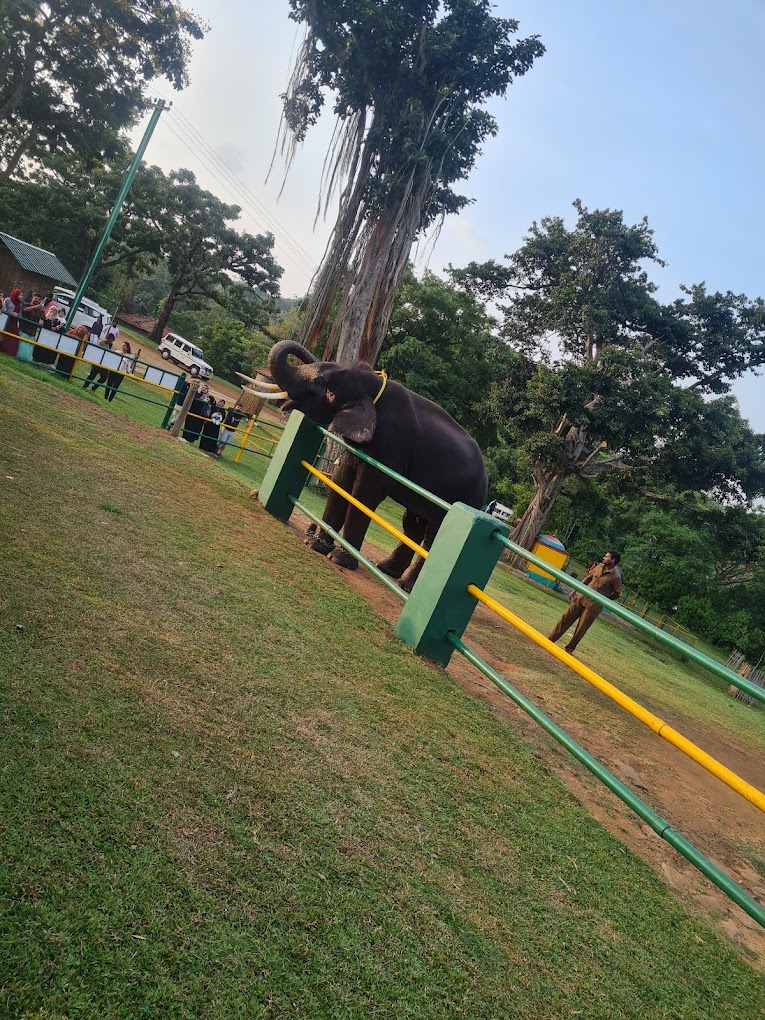
At Theppakadu
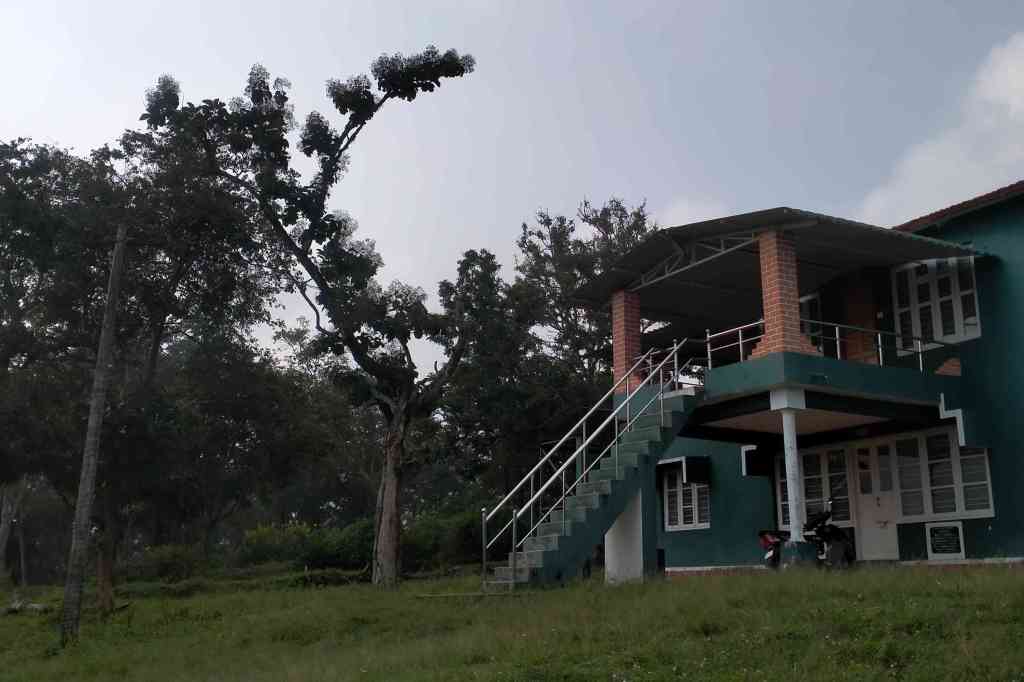
Accomodation at Theppakadu
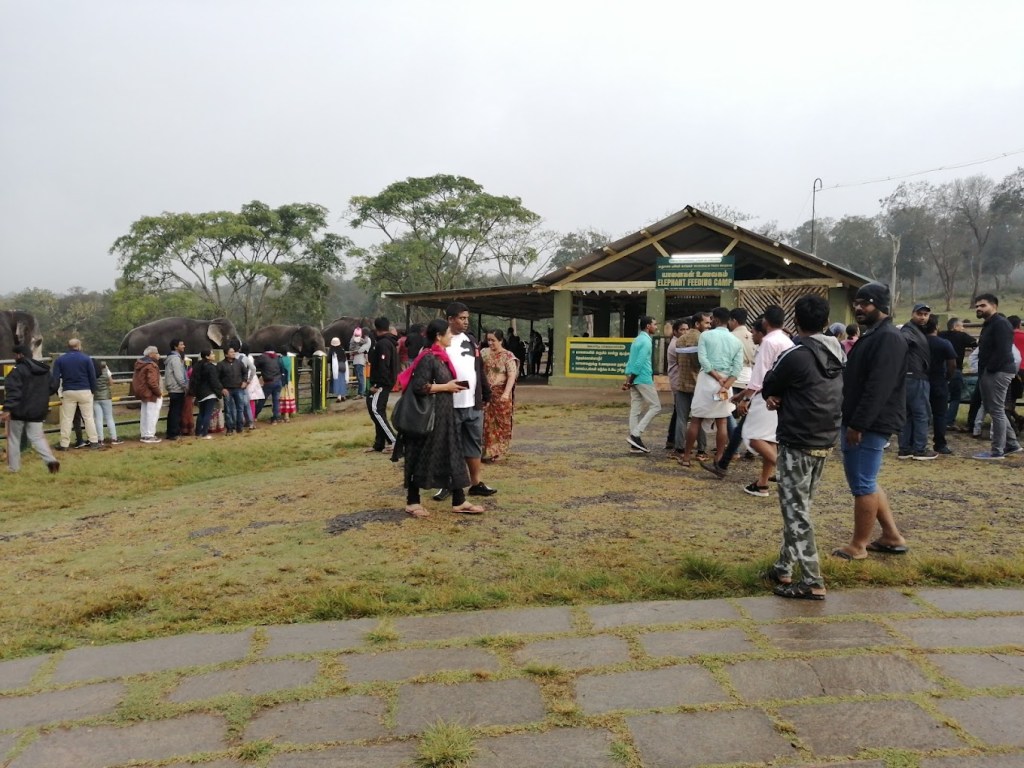
Feeding centre at Theppakkadu

Food being mixed at the camp

Sigur Plateau

An important wildlife corridor within the Nilgiri Biosphere Reserve, this area supports more than 6300 elephants being the largest single elephant population in India. It is home to several critical elephant migration corridors and was added to Mudumalai as a buffer zone for tiger conservation.

However several threats exist to this critical zone.The growth of resorts and consequent expansion of human activities, the growth of invasives weed species leading to destruction of natural foliage are some of the threats which are being addressed.

Travelling to Mudumalai

Ooty (68kms) and Mysore(100kms) are the nearest railheads while Coimbatore(160kms), Calicut(124kms) and Bangalore(240kms) are the nearest airports.

Reasonably good roads connect all these destinations with Mudumalai. A stay of a couple of days and a few safari rides are good opportunities for wildlife viewing.

With all these attractive wildlife viewing opportunities available at reasonable cost, Mudumalai sure should find a place in your travel bucket list.

Do visit this camp and have a look at the lives of these elephants….

Till then give your feedback and comments…..
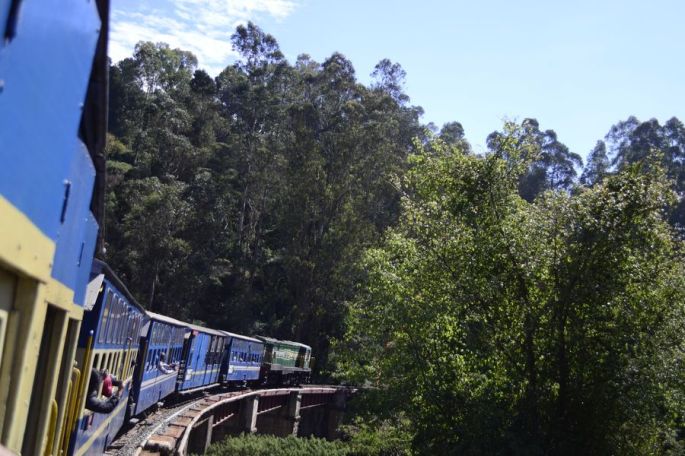
Nilgiri Mountain Railway : A vintage train journey

A ride on the Heritage Train that meanders the twists and turns along the slopes of the Nilgiri mountain ranges offering stunning views of the hills and valleys is a different experience altogether.

Running on steam locomotives, the UNESCO has added it as a World Heritage site and along with the Darjeeling Himalayan Railway and The Kalka Simla Railway, forms a part of The Mountain Railways of India.

Let us take a look at this vintage train and its origins.

The Nilgiri Mountain Railway

The idea of this railway line was concieved in 1854 but it fructified only in June 1899. It is a meter gauge track running over a distance of almost 46 kms between Mettupalayam and Ooty. It was initially running only upto Coonoor but was later extended to Ooty .The railway line is special as it ascends from 300 mts to 2200 mts elevation over a distance of 46 kms.

Crossing more than 250 bridges and 16 tunnels, this is an engineering marvel of that time built by the British but several additions and repairs have been undertaken later.

One of the several bridges

And one tunnel

The steam engine

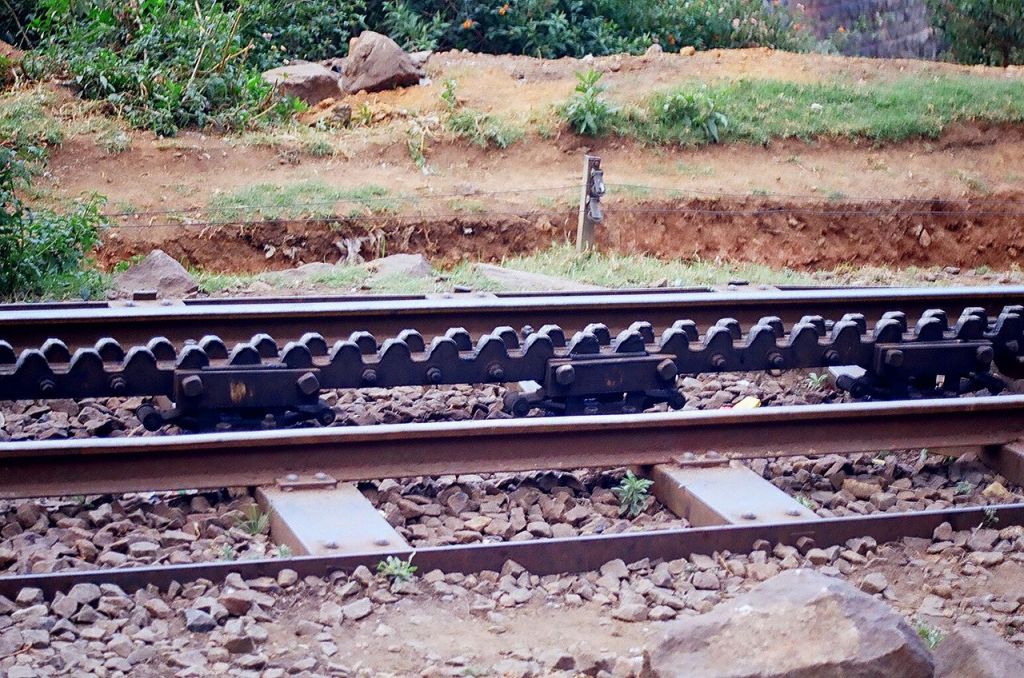
The NMR or toy train as it is popularly known belongs to the Government of India and is operated by the Southern Railway. It is the only rack railway in India and runs on rack and pinion to climb the steep gradient.

The rack and pinion track

The Journey

The uphill journey from Mettupalayam takes more than 4 1/2 hours while the downhill takes around 3 1/2 hours. A daily service up and down with more services between Coonoor and Ooty is the usual schedule with extra services during the summer peak season.

Some of the stations enroute are, Kallar, Runneymede, Coonoor, Wellington, Aravankadu, Ketti and Lovedale . Besides stopping at these stations, the train stops multiple times along the route and passengers get off and enjoy the coolness and the views. The speed is also very slow and one can easily get off and get on the train.

Passengers enjoy the scenery at one of the stops

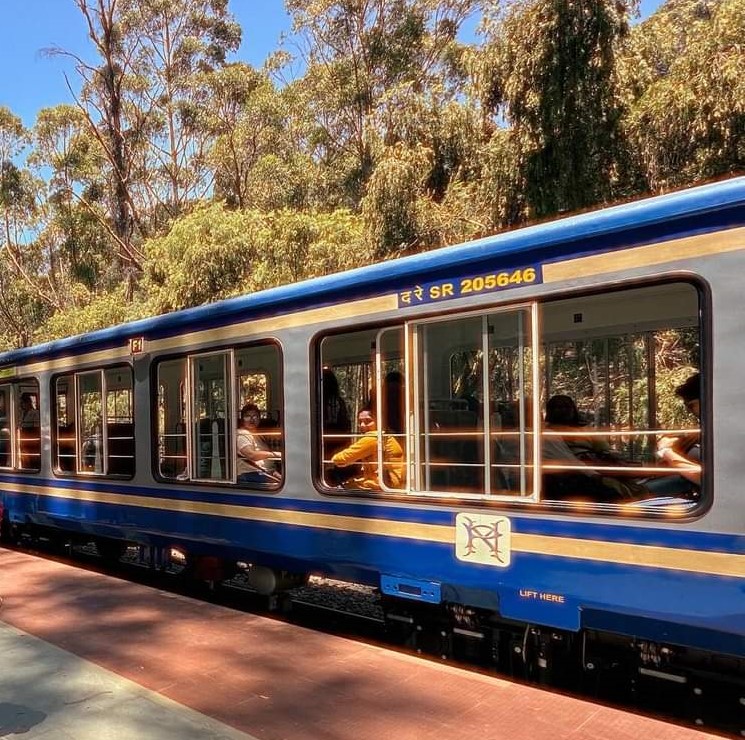
The outside…

And the Inside…..

Most of the stations along the route have retained their colonial style buildings adding to the vintage look…

The colonial look at Coonoor station

One problem that I noticed was that sometimes the steam let out fills the coach specially inside a tunnel and then it can get a little uncomfortable. Apart from that, the ride is enjoyable.

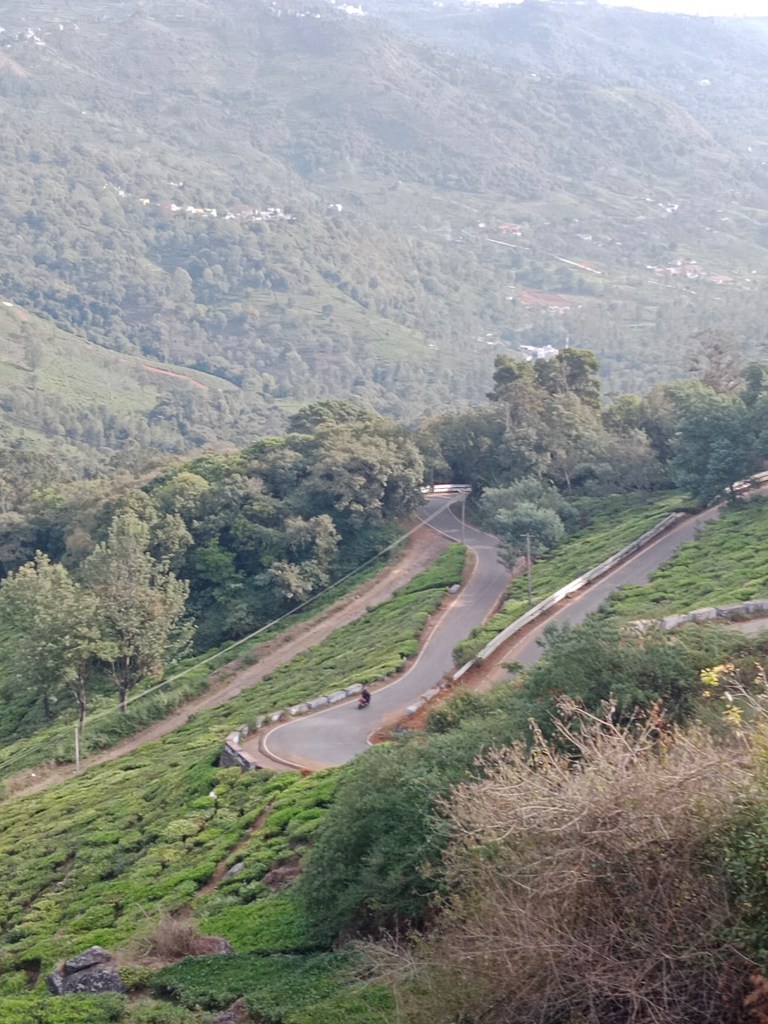
At many places, the train runs parallel to the road but there are some really remote parts of the track and for those unique views , one has to travel by the train.

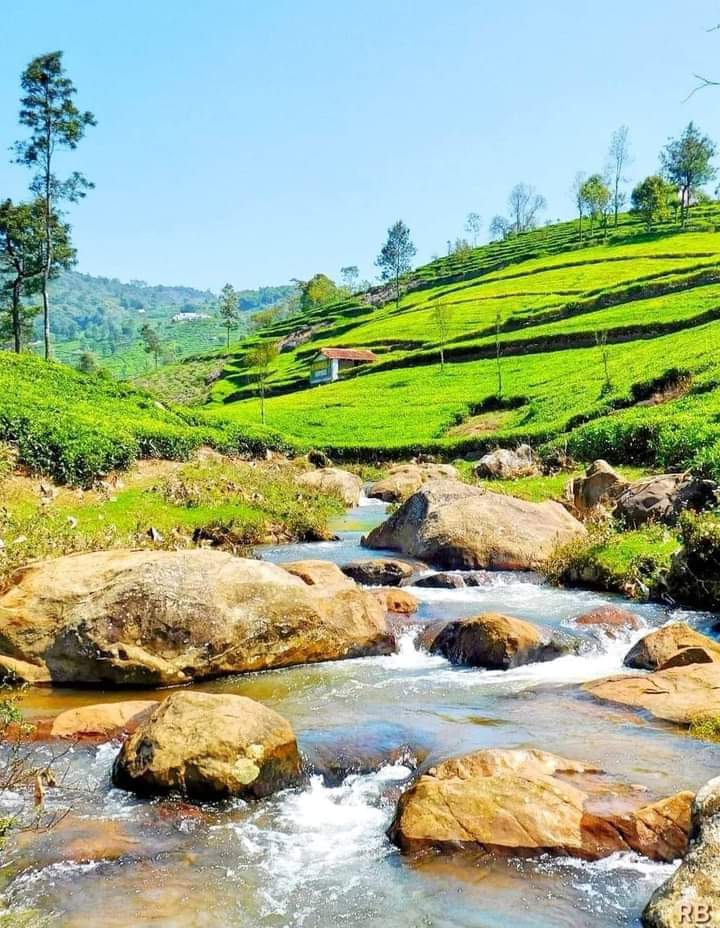
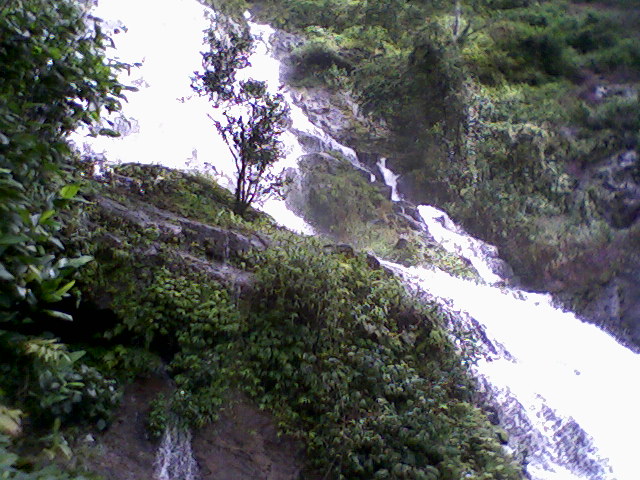
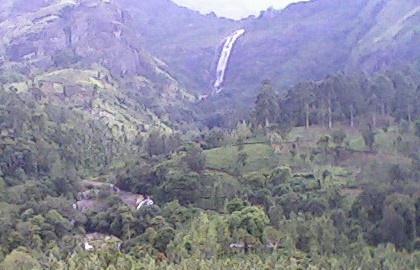
Some pictures from one such journey…

A road parallel to the track

Road above the tracks

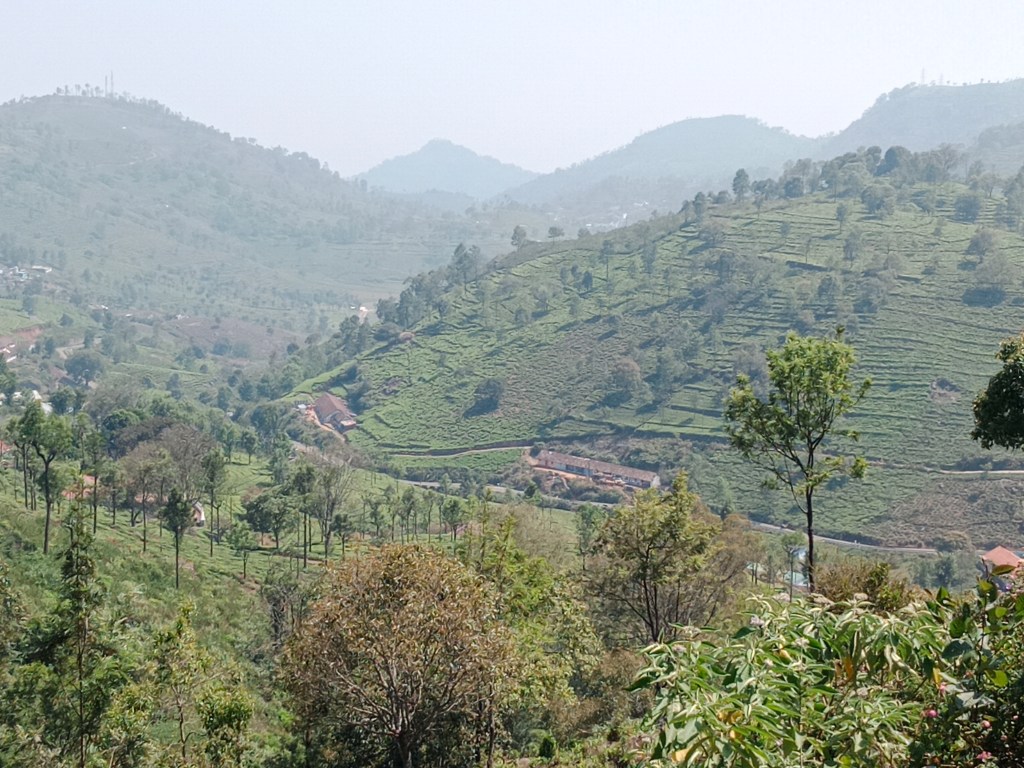
A beautiful valley

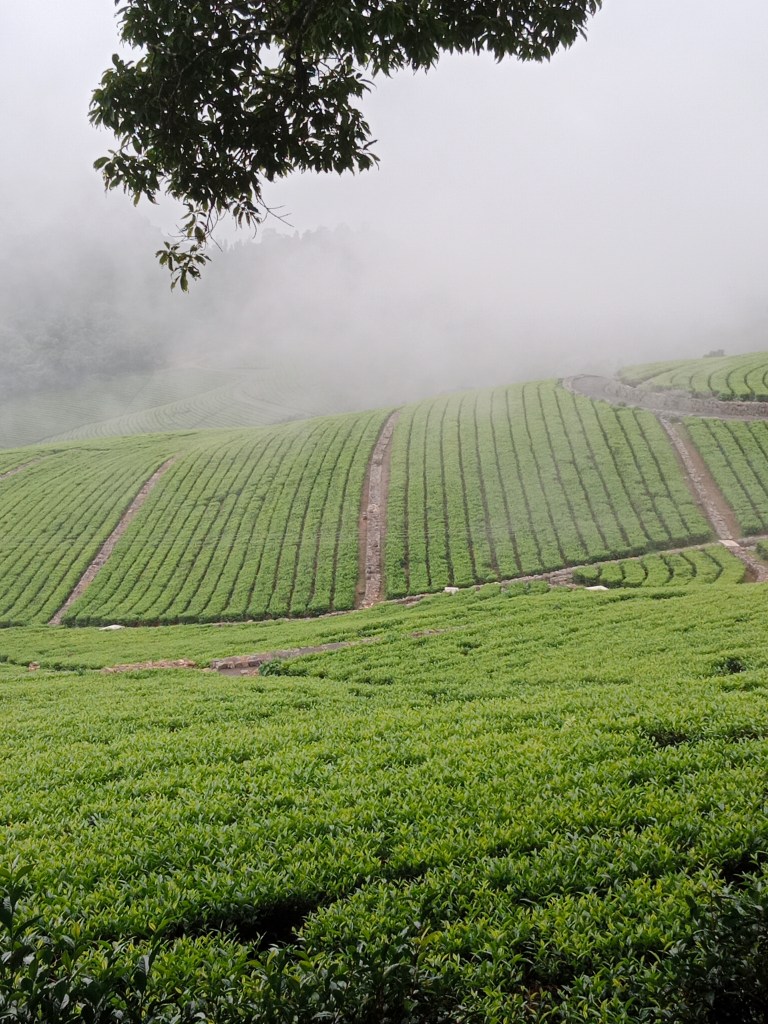
Beautifully maintained tea estate


A winding road

A mountain stream

And waterfalls…..
After seeing these pictures, you must be convinced that a ride on the Nilgiri Mountain railway is indeed a great way to explore the Nilgiris.

Why wait then? Just pack your bags and set off…

Don’t forget to comment and give your feedback before you leave….

Discovering the Nilgiris: Hidden Treasures Unveiled

Starting my series on the Nilgiris with a round up….

When you read the title, what was the picture that flashed in your mind?

For most of you, it must have been of misty mountains full of greenery . Well that’s what describes the Nilgiris in a nutshell. But let me tell you, the Nilgiris is much more than that. Let us delve into the surprises that lie hidden in those green valleys.

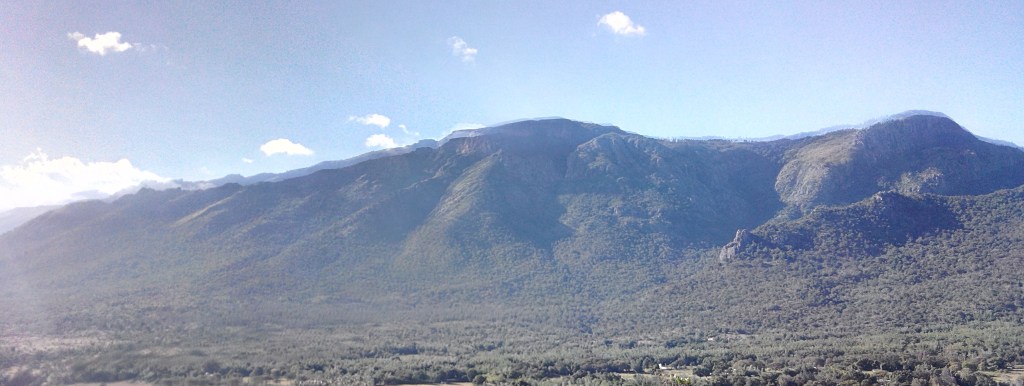
The word Nilgiris literally means blue mountains and those of you who have observed these mountains particularly at dawn and dusk would agree with this name. The Nilgiri mountains get covered periodically by the violet blossoms of the Neelakurinji (strobilanthus) which has led the locals to give this name. But even during other times, there is a bluish hue related to plenty of eucalyptus trees here similar to the Blue Mountains near Sydney.

The bluish hue…

These mountains are part of the Western Ghats, the long mountain chain that runs parallel to the west coast of the Indian peninsula. They range in height from 900 to 2650 mts approximately and this altitude leads to the cool climate that this place is blessed with. The Nilgiris form a part of the Nilgiri Biosphere Reserve , which is home to multiple sanctuaries and National Parks about which we shall delve in detail later.

Today, there is a separate district called Nilgiris in TamilNadu which encompasses these mountains and is bordered by Karnataka and Kerala. Ooty, Coonoor, Kotagiri, Kundah, Gudalur and Pandalur are the main areas comprising the Nilgiris district. It also includes Wellington and Aravankadu which are largely cantonment areas under defence control. Ooty, the famous hill station in south India is the headquarters of this district.

A little bit of history….

Peculiarly, unlike most parts of India, The Nilgiris was never part of any empire or kingdom. It was always tribal land. Pockets of tribal hamlets separated by vast areas of verdant forests untouched by humans was what the Nilgiris was , once upon a time. Even today, in most of the Nilgiris you will find clusters of houses forming a hamlet separated from other hamlets by forests and tea gardens. The only difference is that today ; most of these hamlets are self contained and have modern amenities including internet connectivity.

Typical Nilgiri landscape with clusters of houses separated by tea gardens

The Todas, Kurumbas, Irulas and Kotas formed the tribal population here. The Todas are traditionally cattle grazers, Kurumbas are honey hunters, Irulas are hunters and agriculturists and the Kotas are the artisans .

Toda women are also known to do beautiful embroidery using black, white and red coloured threads.

Beautiful Toda embroidery

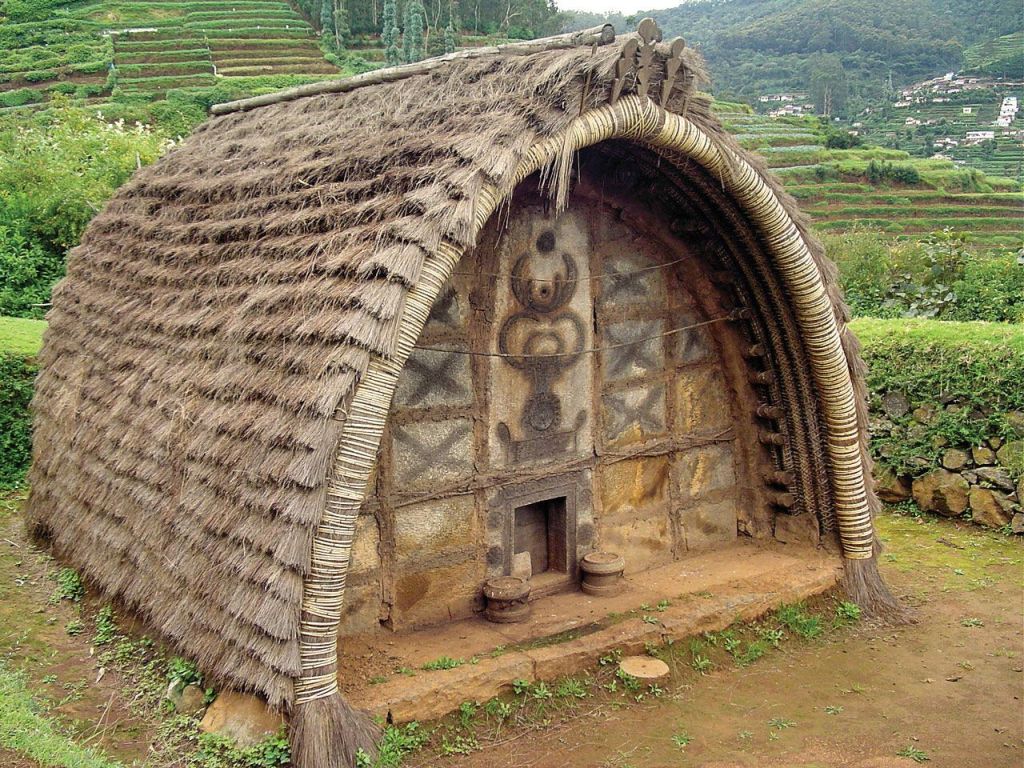
A traditional Toda hut

The Badagas were also the indigenous people here but are not considered a tribal community. In fact, today, the Badagas form the majority of the local population of the Nilgiris.

The Badagas are an ethno linguistic community whose ancestors migrated here from Mysore. They live in settlements called hattis and speak the Badaga language which is essentially a mix of Kannada and Malayalam. Much of the tradition and culture is retained even today and you can find it all over the Nilgiris.

Badagas dance in traditional attire

In the early 1800s, the British developed these areas for tea and coffee plantations and summer retreats. It was John Sullivan, the collector of adjoining Coimbatore who undertook detailed surveys of the place and in a way ” discovered” the place. Several colonial style bunglows and churches were built and they form an indelible part of the local ambience. By the late 1800s, the hills were completely accessible with ghat roads and the railway line. So, in a way the British have contributed a lot to the infrastructure development in the Nilgiris.

Tea Gardens

Tea is grown in elevations between 1000 and 2500 mts above sea level and Nilgiris with its location and its rainfall attributes is ideal tea cultivation area. The British introduced tea to the Nilgiris from China marking the beginning of tea cultivation here.

Nilgiris is tea garden zone and these green neatly cut gardens dominate the Nilgiri landscape. In fact, at no point of time when you are in the Nilgiris are you not surrounded by them. Acres and acres of tea gardens as far as the eyes can see….that’s what describes Nilgiri landscape in a nutshell. And saying that it looks beautiful is an understatement!!!!

A tea garden is a treat to the eyes….(click on video)

Naturally, it follows that the predominant occupation of the locals is connected to tea. Starting from tending to the tea gardens to plucking the tea, transporting it to the factories, working in the tea factories and handling the logistics is the main source of revenue for the locals. Ranging from the small farmers to big corporate estates and even the government , everyone here has a stake in TEA !!

The larger estates have their factories processing their own tea , the middle level acquires tea from the small local farmers and processes them.

The elevation of the place, the soil conditions , the climatic conditions and such others change the flavour and colour of the ultimate cup of tea on your table. A lot of science goes into all this and the value of the tea from a particular place in a particular season is determined by the Tea Board. Tea auctions also regularly take place at Coonoor and Coimbatore.

There is a Tea Museum and Tea Factory visit organised from Ooty where visitors are introduced to the various stages of tea processing. The Nilgiris predominantly produces CTC tea which refers to cutting, twisting and curling. The leaves are subjected to drying, withering and rolling using machines before it is neatly packed and marketed. Black tea, Green tea, Herbal tea, and White tea are common varieties of tea produced here. Each of these use leaves of different maturity and the process used also varies.

Tea plucking in progress

A tea factory in the midst of tea gardens

A tea factory

Leaf sheds are another common sight here. They are used to store the leaves after plucking till transport is arranged.

A leaf shed with collected leaves in bags

Inside the tea factory ( click on the video)

Another familiar sight are the factory outlets of tea where it is cheaper and freshly processed tea is available..

Tea factory outlets

The Nilgiris also grows spices, coffee, carrots, potatoes and cabbage. Roadside vendors selling freshly plucked carrots along with the leaves is another unique sight.

Freshly harvested carrots for sale!

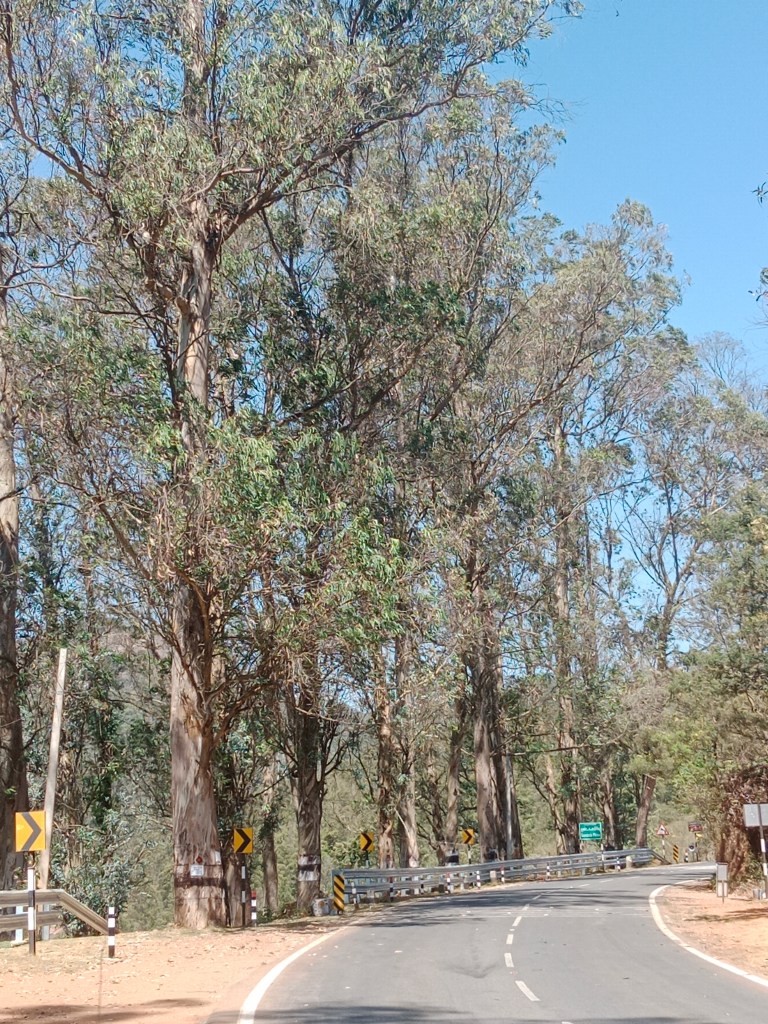
Eucalyptus and SilverOak trees predominate the landscape. Oil extracted from the eucalyptus trees is also sold widely here.

Eucalyptus trees

Wildlife

As with forests, wildlife also varies depending on the elevation. Elephants are found at the lower elevations which are warmer while the colder elevations have bison, bear, leopards and tigers. A separate episode on Nilgiri wildlife will cover these.

Home to various National parks, the Nilgiris has an exclusive Nilgiri Biosphere Reserve zone which includes the Mudumalai and Mukurthi National parks besides other areas.

Lakes

The Nilgiris has some awesome lakes ; some natural and some artificial. Naming a few of the; Ooty lake, Emerald Lake, Avalanche Lake and Pykara Lake are the more popular ones.

Emerald Lake

20 kms from Ooty is this unfrequented and pristine lake with emerald waters. A bird watcher’s paradise, the surrounding areas are an escape to tranquility. Some pictures…

Emerald Lake

Landslides….

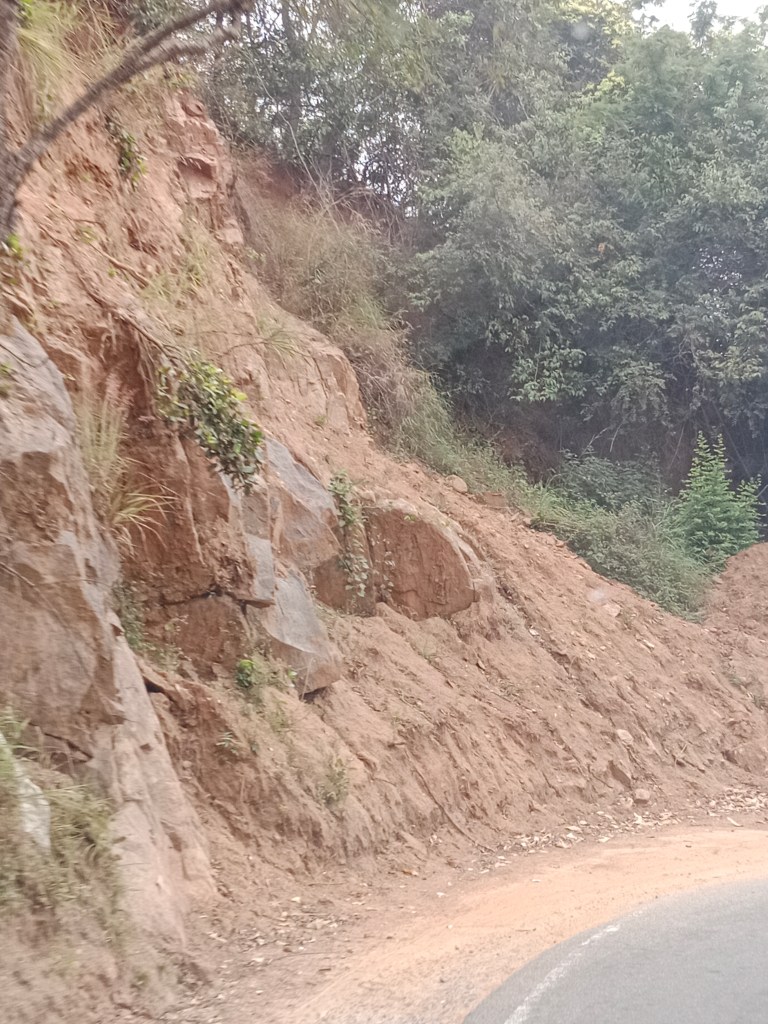
Being a hilly area with copious rainfall, Nilgiris has had it’s share of landslides. Usually after incessant rain, these landslides do cause destruction and dislocations to the lives of the common people here. The aftermath….

Telltale signs of a landslide…

Living in the Nilgiris

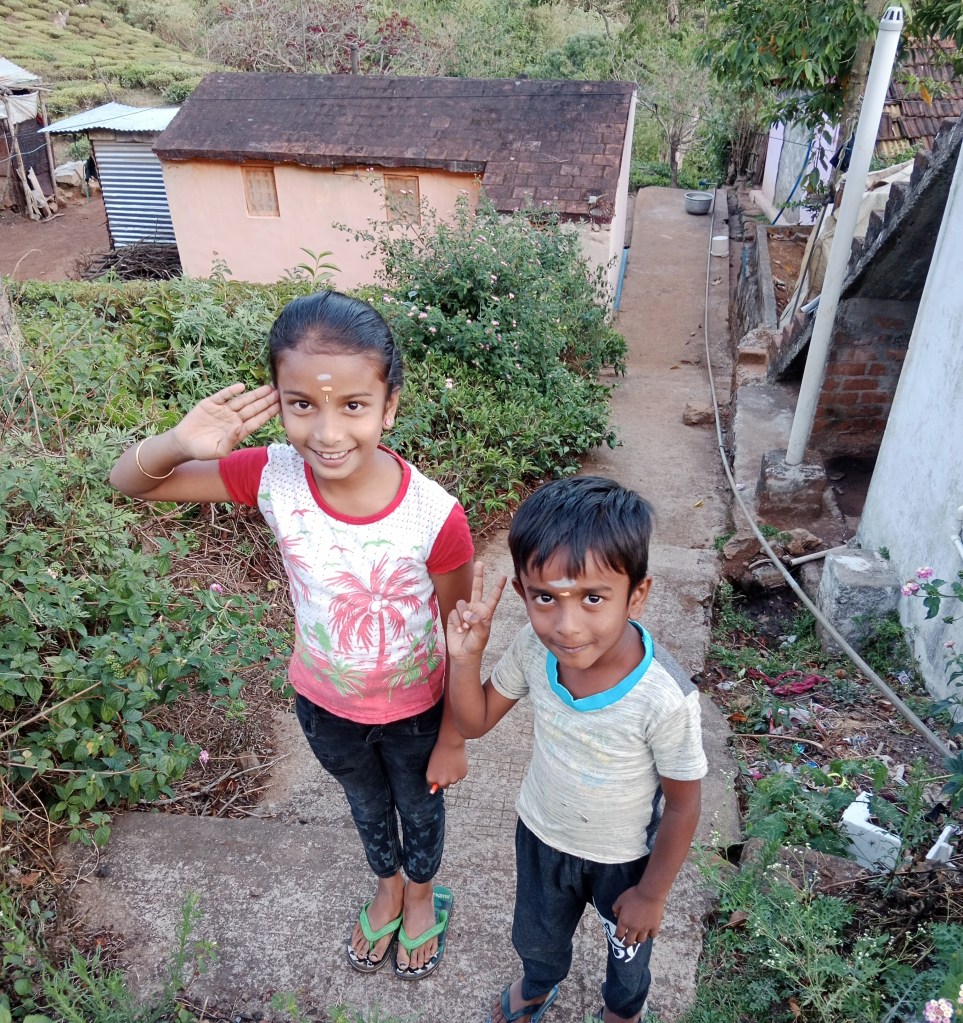
Most of the population in the Nilgiris are engaged in the tea plantations and connected industries. They are friendly people who live simple lives. When I spend my summers here, I have had interactions with locals and found them to be very welcoming of outsiders although they are not very happy with noisy tourists. Many of them smile and wish you and during my evening walks I was particularly drawn by the innocence and simplicity of a brother and sister. They would be waiting for me and as I pass their home they would run up to wish me! Their eagerness to race with each other to reach first and wish just speaks of the innocence of these lovely children…..Dhanalakshmi and Adhiswaran

Picture of Innocence…..
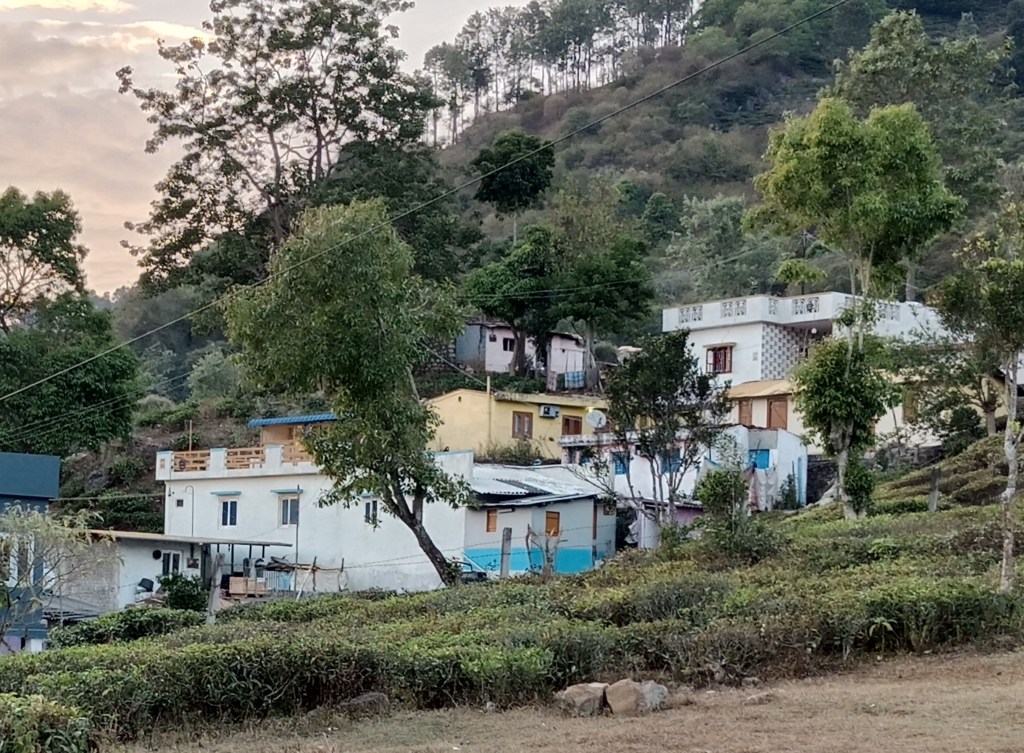
Posh colonies and elegant bungalows are usually seen close to Coonoor, Wellington, Ooty and such pockets. Coonoor and Wellington particularly has an upmarket crowd due mainly to the defence establishments around.

A typical Nilgiri village with houses of the common man

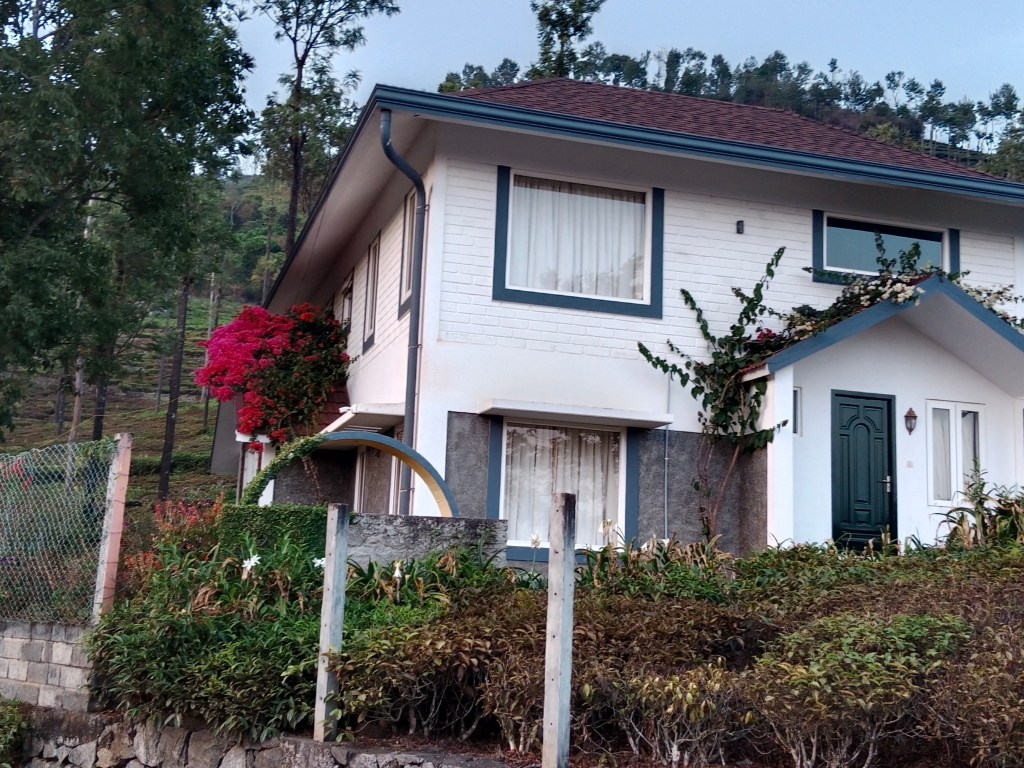
And a posh bungalow

Summer in the Nilgiris

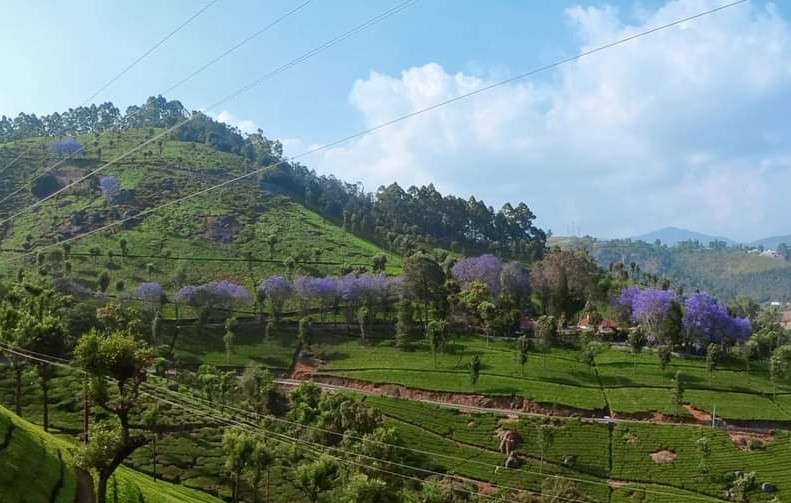
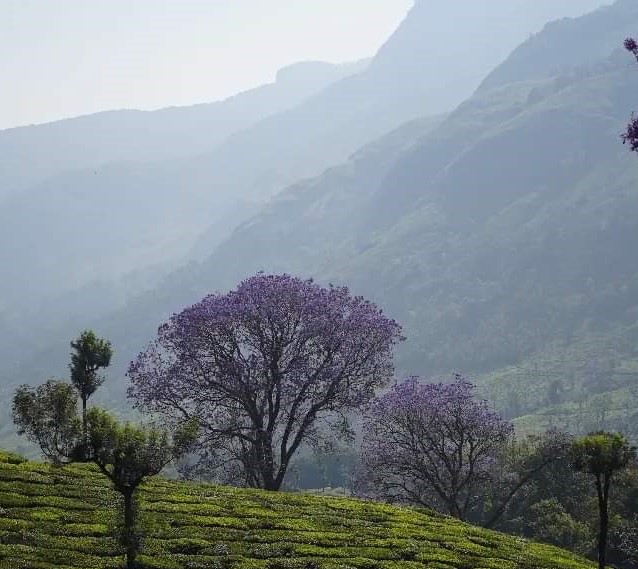
Summer time is Jacaranda time in the Nilgiris. The beautiful purple flowers add beauty to the green hill slopes and many a time the roads are lined by these trees with a purple carpet of flowers on the road…

Jacarandas….

Bird songs…

Summer marks the mating season of various birds here. Notable one is the Magpie Robin which sings melodiously at dawn. Living in the Nilgiris, you often wake up to their songs…

The Magpie Robin

Summer time is also tourist time in the Nilgiris. Business is brisk for the innumerable homestays and hotels.

Hotels and Homestays

Tourism provides livelihood to many families in the Nilgiris but it has it’s own drawbacks due to irresponsible tourism. Speeding vehicles belching fumes from their exhausts to blaring music played late into the night from resorts to widespread littering causes heartburn among the locals. Some where, they feel their peaceful life is disturbed and justifiably so!!!

Well, I leave you on this note worth pondering about ……

We now delve deeper into various specialities of these mountains in forthcoming episodes.

Till then do subscribe, comment and give your feedback.. Do give your star rating below…
Rating: 1 out of 5.