Houseboats of Dal Lake

Many of us have been to Kashmir and stayed in a houseboat on Dal Lake. But how many of us have given it a second thought? We often go there as a tourist , enjoy the scenic beauty , click some nice pictures as memories and leave. Known as “floating houses”, these houseboats are iconic of Dal Lake.

The beginning of houseboats…

As we saw in the history of Srinagari or Srinagar, the region was under several regimes at various points in time. These included Emperor Ashoka, The Mughals, The Afghans, the Sikhs and the Dogras. Most of the rulers used the place as a summer resort due to its salubrious climate. The Europeans particularly the British were also interested in having their summer resorts here .But a law prevented outsiders from buying land in Kashmir.The Europeans cleverly circumvented this by building house boats. And that saw the birth of the houseboats on Dal Lake.

After independence, the Kashmiri Hanjis built, and maintained these houseboats, started cultivation on the lake ,created floating markets and thus it slowly became the centre of their livelihoods. Today, houseboat tourism is big business in Kashmir with a stay on a houseboat becoming an essential part of a Kashmir itinerary of the tourist.

Where are they?

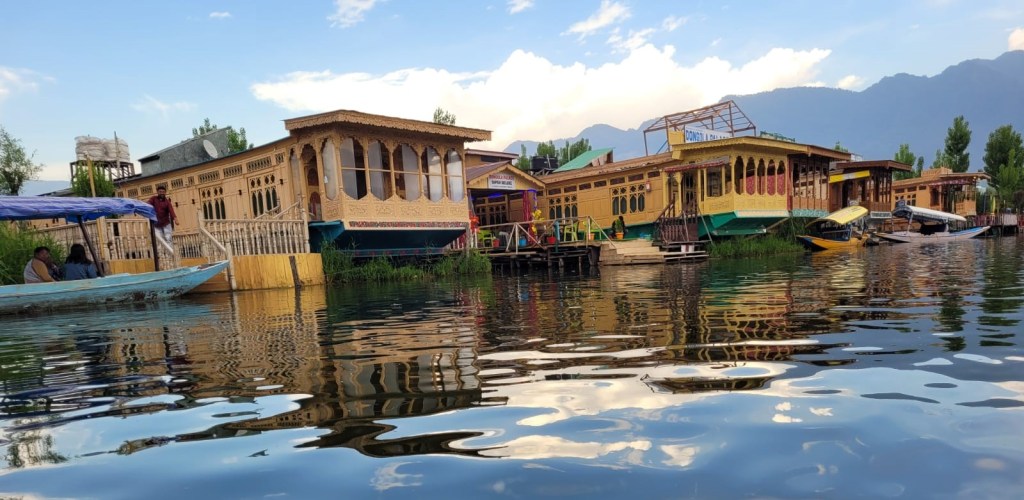
The houseboats on Dal lake are stationary unlike their namesakes in the backwaters of Kerala. They are moored to the western edge of Dal lake and most houseboats have their own utility boats for ferrying guests to and from ashore. They typically have either European names or Indian names. There are wooden passages built to go from one houseboat to another.
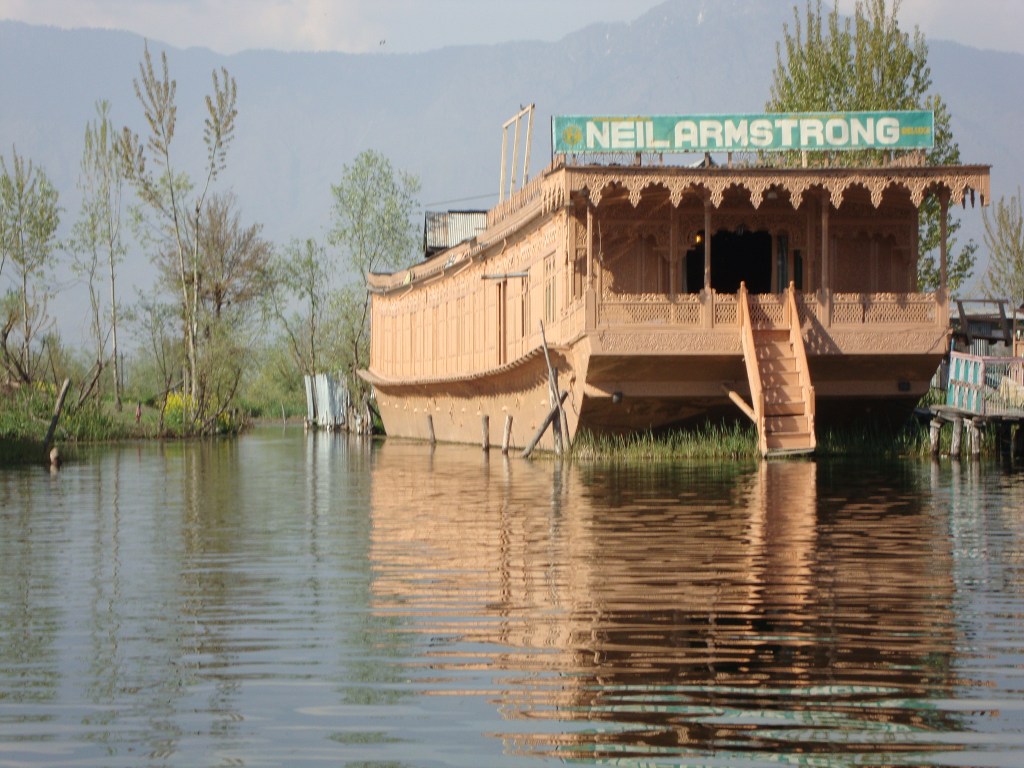
A typical Kashmiri houseboat

Rubbing shoulders here are one European named and one Indian name houseboat

The wooden passages between houseboats

Features of a houseboat

The houseboats are vibrant examples of Kashmiri artistry and woodcrafting. Cedar wood which remains healthy even after prolonged stay in water is used to build these houseboats . Intricately carved wood paneling with a porch for guests to relax and enjoy the views of Dal lake are some of it’s salient features. Most of them however appear a bit dated and in need of repair and restoration.

The porch with intricate carvings on the wooden walls

They are like proper houses with a deck, porch, living room, dining room and then the indivudual guest rooms behind . A typical one would have around 4 to 6 rooms each with a double bed, attached bath and toilet. The porch and dining area is common. The caretakers also typically live beside the houseboat and food is cooked by the caretakers.

Furniture in the houseboat is made of walnut wood and that also is intricately carved. Wall to wall carpets with typical Kashmiri designs adds to the interior beauty.

The intricately carved furniture and typical Kashmiri carpets.

There are houseboats of varied capacities. This arrangement works well for all types of guests, be it families, honeymooners, friends groups or even senior citizens. There are very expensive luxury houseboats, mid range ones and even budget boats to suit every pocket.
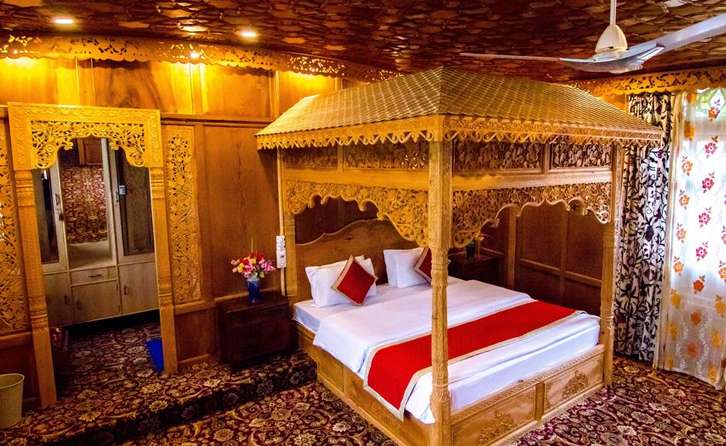
A typical room in a houseboat.

The corridor on the houseboat from where you enter the rooms

Sitting in the porch and observing the shikaras go by can be very soothing.

Enjoying the views of Dal lake from the houseboat

As you sit on the houseboats, shikaras and ferry boats approach the houseboats with wares to sell.

Fruits for sale!!!

Shikaras

Shikaras are another iconic feature of Dal Lake. They are slender, shallow boats with a roof that is often very ornate and colourful. The interiors of the shikara are cushioned and decorated in typical Kashmiri colours and designs. These are reminiscent of the gondolas in Venice but are more decorated, colourful and having roofs.
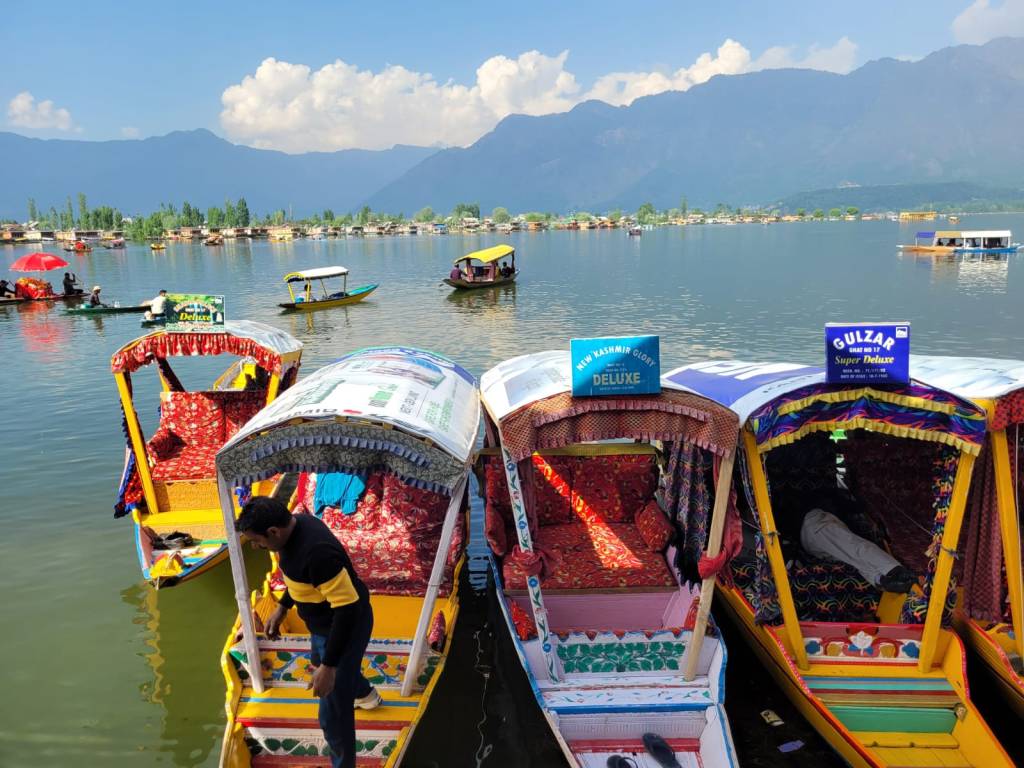
Shikaras await tourists on a placid Dal lake

Shikara ride

A shikara ride is “must do” on a houseboat holiday.These are rowed by a boatman with oars and they literally glide on the waters of the Dal Lake making the shikara ride a surreal experience!! Shikaras have a romantic charm about them

Steps to board the Shikaras from the houseboat

On a shikara ride

The shikara sails on Dal lake (click on video)

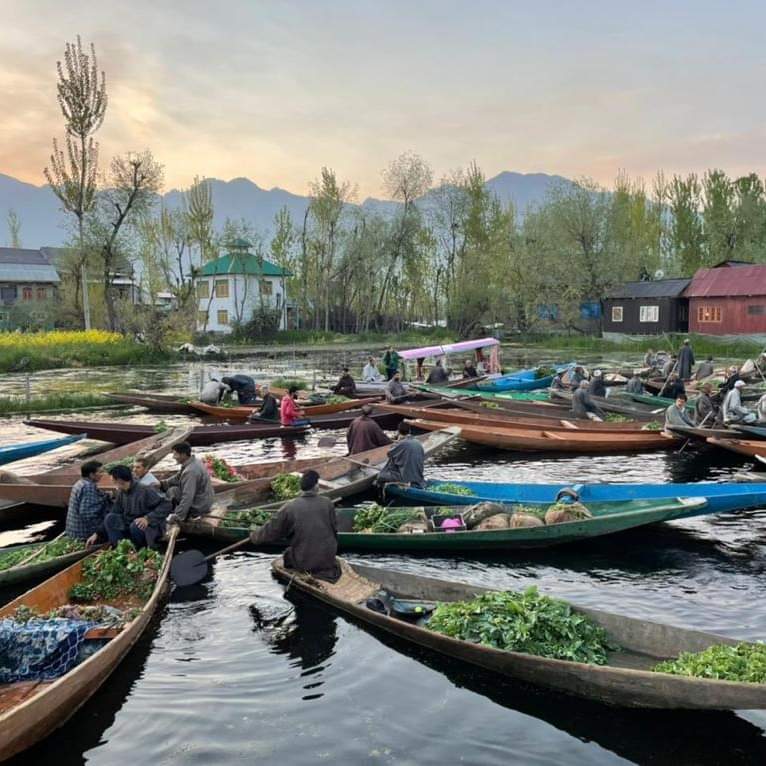
The Shikaras take you through the narrow channels of Dal lake where the floating markets are located . Traditional kashmiri arts and crafts, shawls and snacks are available here and one can indulge oneself as one floats along…

Sailing along the floating markets on a shikara

As one sails along on the shikara, various other sights can also be seen like the Sankaracharya temple on the hillock,the moghul gardensetc.

You have now virtually stayed on a houseboat and taken a shikara ride on Dal lake. I hope you enjoyed this trip. See you next week in the gardens of Srinagar….another amazing experience indeed. Till then, do give your feedback and comments..
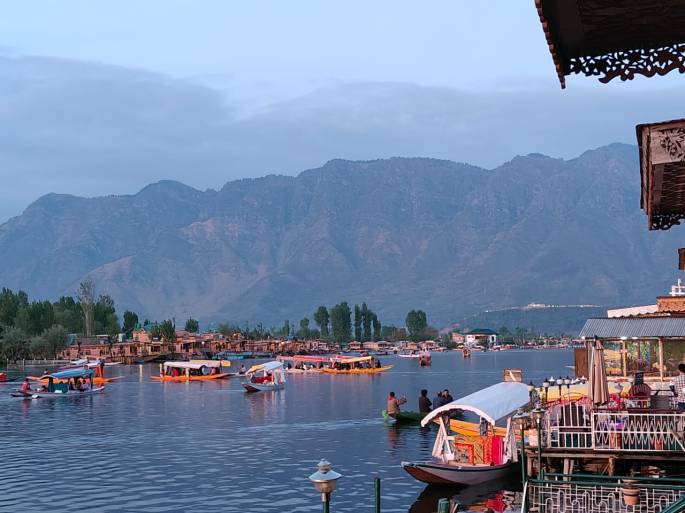
Dal Lake ; the jewel of Srinagar

The term Dal Lake is a misnomer as the term Dal in Kashmiri means lake! Covering an area of 18 sq kms and with a shoreline of more than 15 kms, this lake is known as the jewel of Srinagar.

This iconic lake of Kashmir is infact made up of three lakes and does not fit the conventional picture of a lake. It is a maze of waterways and channels , well linked with each other . It has open areas which look like a typical lake and there are houses which seem to have been built on water. The houseboats which are anchored along its edges look like boats on an island and it has islands that look as if they are floating on the lake . The multicoloured ornate shikaras remind you of the gondolas of Venice and to top it all, there are areas of cultivation where farming seems to be happening on the surface of a lake !! All this against the backdrop of the snowcapped Himalayas and beautiful willow and chinar trees lining the boulevard that skirts the lake.

Come, have a look at some beautiful pictures of Dal lake….

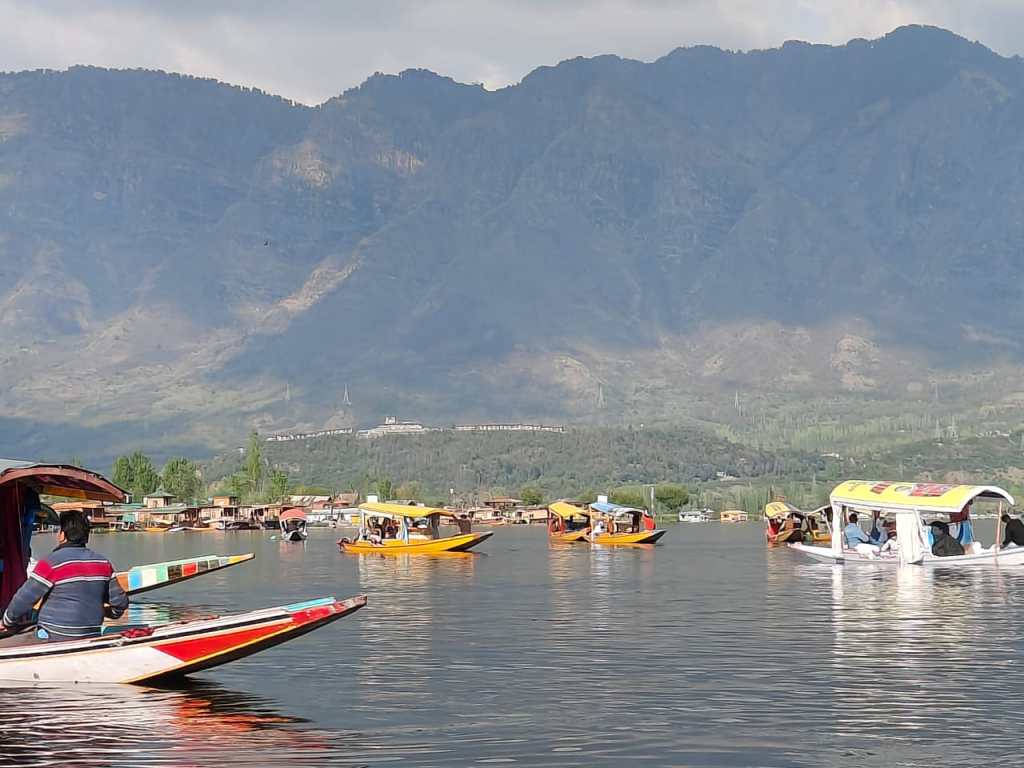
Dal lake with shikaras and the Himalayas in the backdrop

The skirting boulevard with chinar and willow trees

Narrow channels of the lake with shops on either side

The shikaras take you on a pleasure trip on Dal lake when they take you through the narrow channels and floating markets

The floating market

Houseboats and shikaras are integral to Dal lake and are a source of livelihood for the locals through tourism . The houseboats provide accomodation to the tourists and the shikaras ferry them to and fro .

The houseboats and their functioning will be dealt with in detail in another episode. Suffice it to say now that Dal lake, houseboats and shikaras are inseparable!

Houseboats moored along the sides

Colourful shikaras floating around

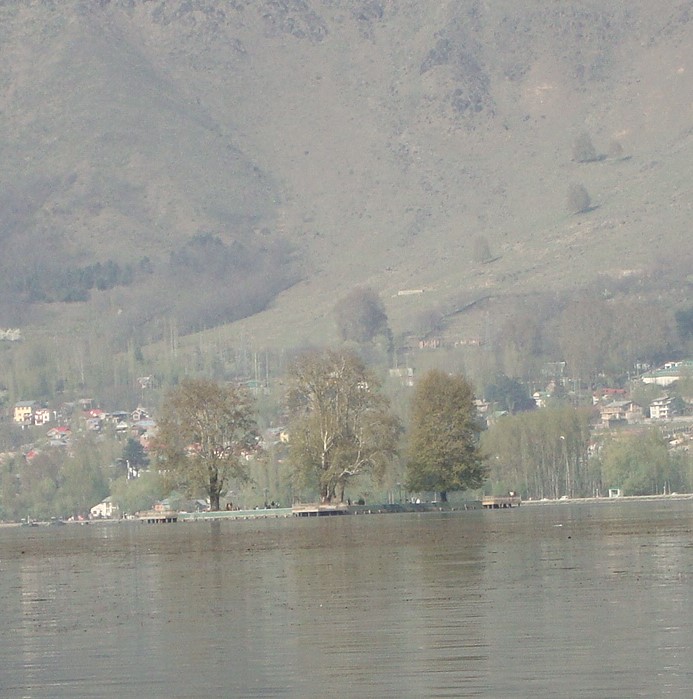
The Char Chinar or 4 chinar trees on an island

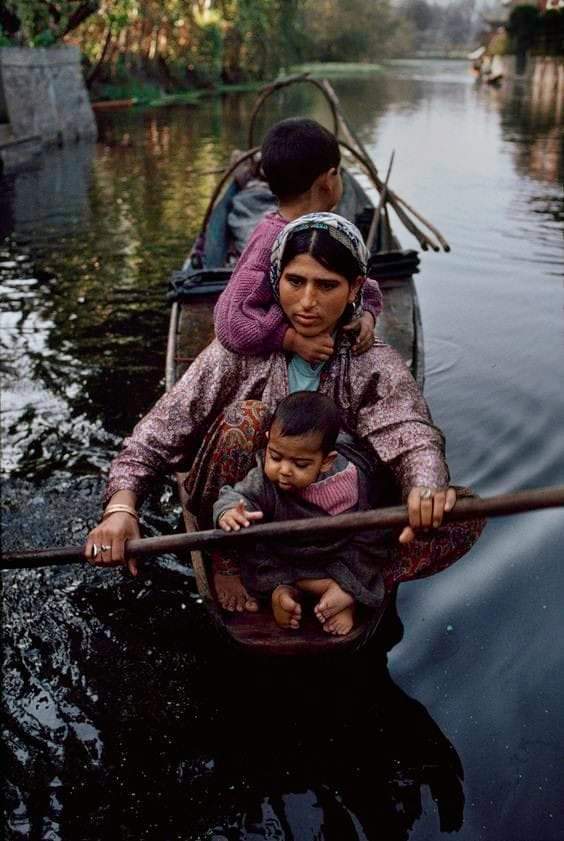
Dal lake is integral to the lives of the locals. The sights of houses built on the lake with activities going on like ashore can be amazing to visitors like us. Women rowing boats across the lake for their daily shopping and children going to school on these boats is a common sight.

Houses that seem to have sprung up from water

Cultivation on Dal Lake

A Kashmiri woman and her kids go about their daily life

There is even a floating post office on the lake!!!

A floating PostOffice!!!

Sunset on Dal lake can be very mesmerising. Apart from that, as the darkness sets in, the lights from the boulevard reflecting on the lake shore and the lights of the houseboats can look beautiful indeed!

Sunset on Dal Lake

And finally, the lit up houseboats

The Floating Gardens or Rad

These unique floating gardens will welcome you with lotus blooms if you visit Srinagar in July /August. These are locally called Rad and consist of matted vegetation and earth that is cut off from the bottom of the lake and pulled away to a convenient location and moored. This is an important wetland in the region . Tomatoes, cucumber and melons are also seen growing here and if you observe the water, they actually float.

The lotus blooms and cultivation in the Floating Gardens

Dal is also an important source of commercial fishing .

A fisherman quietly fishes on dal lake…

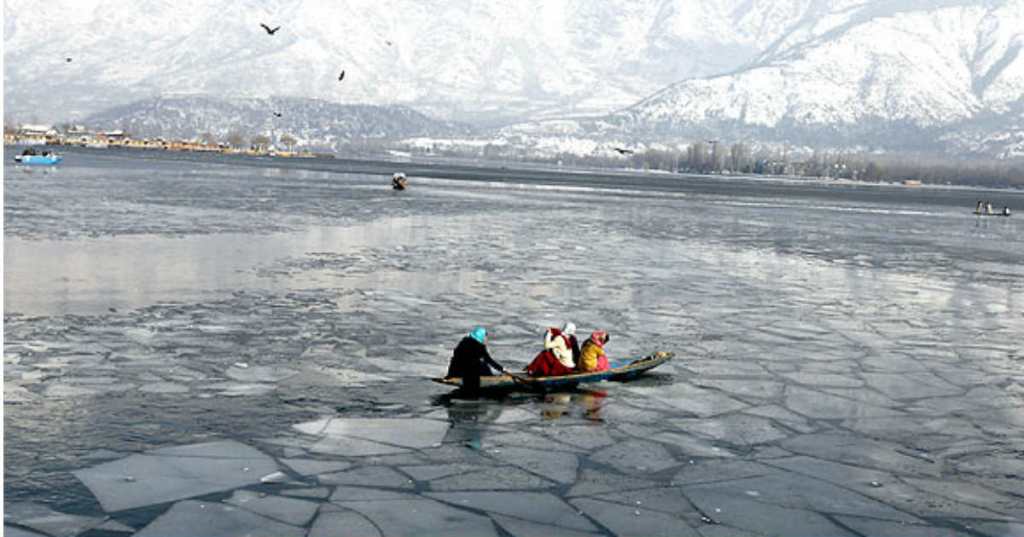
All this is summer on Dal lake. Winters on Dal lake look totally different. With temperatures plummeting to sub zero levels in Srinagar, the lake freezes partially or even completely at times. Dal lake in winter can look totally different like in the pictures below…

Winters on Dal Lake…

With the reversal of insurgency in the Kashmir valley, tourism has seen a continuous upsurge. A large number of hotels, restaurants and other commercial establishments have sprung up along the shores of Dal lake.

Crowds in peak season

As a consequence, Dal lake faces the threat of eutrophication (excessive nutrients leading to overgrowth of plants and algae) with deterioration of water quality due to untreated sewage entering it. The lake has also shrunk in size . At present extensive restoration work is taking place in the Dal lake to address the issue of pollution and eutrophication and restore the waters to its old glory.

I have ended this on a rather sombre note. That’s just to highlight the importance of responsible tourism so that the bounty that nature has blessed us with is sustained.

See you next week with the inseparable part of Dal lake; the houseboats and shikaras. Till then; do subscribe, comment and give your feedback…

Kumarakom

Kerala is known for its backwaters, lush green paddy fields and some awesome beaches. A major stretch of backwaters lies in Kottayam district in Kerala. A large network of rivers and canals empty into the huge Vembanad lake here. Vembanad lake itself is a developing tourist destination with facilities for boating, fishing, bird watching and other sightseeing experiences.

Vembanad Lake

Kumarakom is a green peninsula jutting into the Vembanad lake situated 15 kms from Kottayam.

Kochi , located 75 kms away is the nearest airport.

Like in any place in Kerala, the coconut tree is omnipresent and the gracefully bent coconut palms swaying in the breeze against the backdrop of the backwaters leaves everyone mesmerized.

The omnipresent Coconut palms

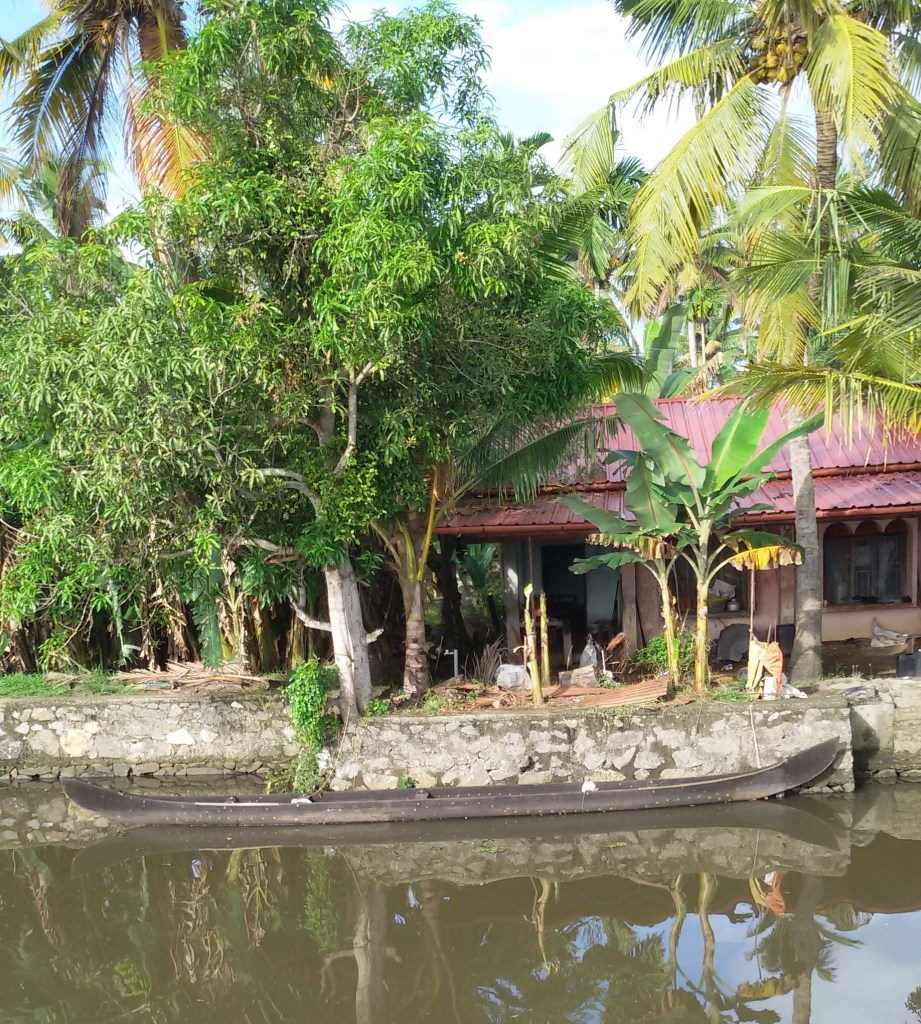
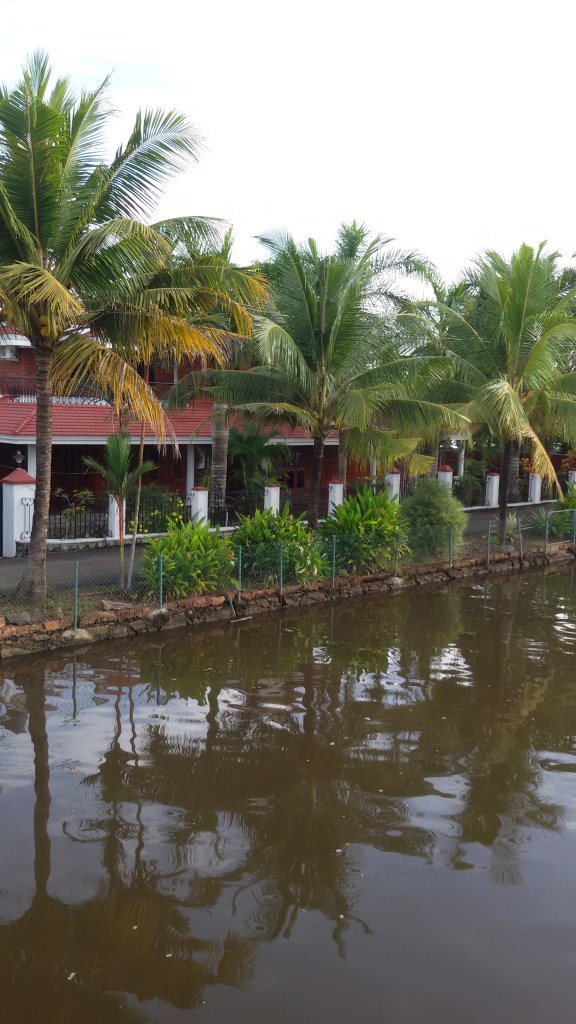
Much of the rural life in these areas is intricately connected to the canals and backwaters. Many houses are located along these canals and a boat ride on the canals gives one a sneak peak into the day to day lives of the locals. Most houses here own a boat and that meets most of their transport requirements. Even the women folk in these villages are deft at handling these boats.

A typical house along the backwaters with their boat

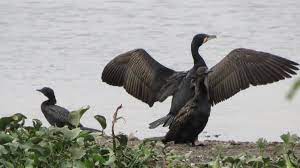
Mangrove clusters also dot the shores of the Vembanad lake where migratory birds arrive and thrive regularly. That provides bird watching opportunities to tourists.

A Cormorant family

Seagulls

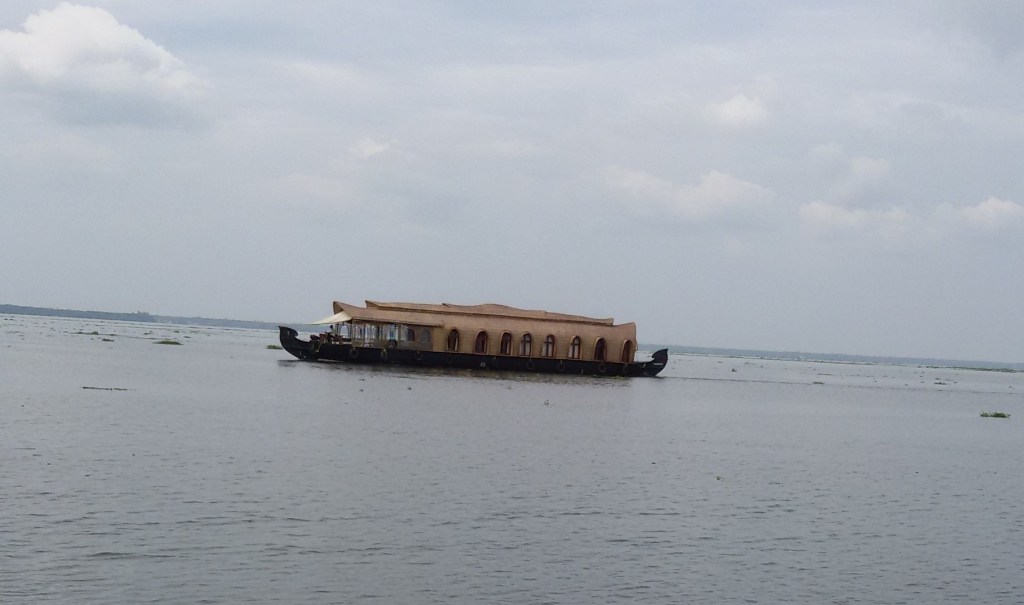
One of the best ways of exploring these backwaters is to take a boat ride on one of the many houseboats that cruise these canals and the Vembanad lake. The houseboats are iconic of Kerala and are made of wood and have woven bamboo/palm mats used to provide shelter and shade.

A typical houseboat

These houseboats have all facilities for lodging of guests with a kitchen, bedroom, dining area etc. There are houseboats of various sizes with the larger ones having multiple rooms to accommodate more people. They all follow a particular itinerary.

A typical overnight cruise itinerary:

A typical overnight house boat cruise starts around 11 am. The houseboats are anchored along the jetty which abuts the side road and is lined by local houses and shops. The driver and assistant pick up the requirements for the overnight stay including any special meal requests from the guests and then set out.

The initial part of the boat ride is invariably through a narrow channel with houses on either side. After sometime the boat leaves the narrow channel and enters the lake. The driver takes a round of any particular area of the lake and by noon, halts for lunch and siesta.

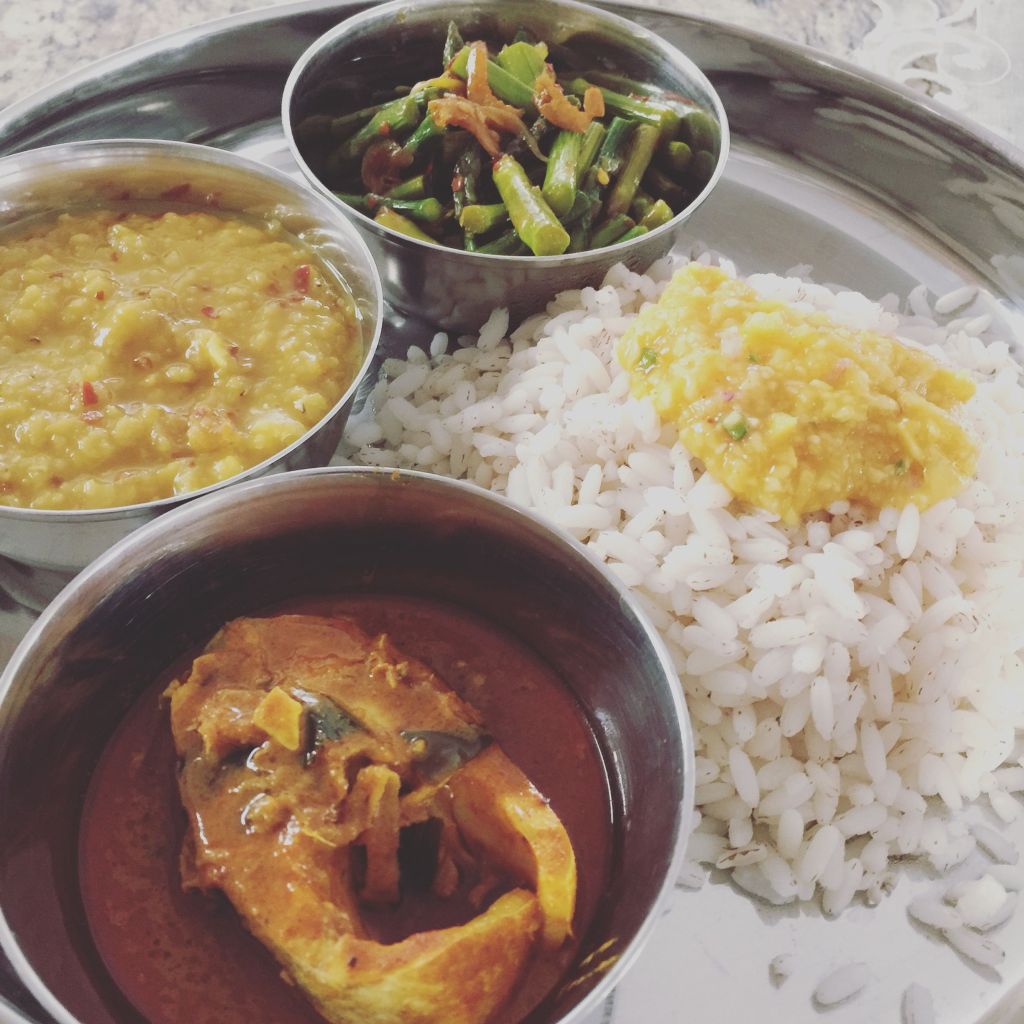
Lunch is usually typical Kerala cuisine with fish and other varieties of seafood being the highlight. After lunch and siesta, the boat again cruises other parts of the lake and anchors around sunset at another jetty. Here the boat is connected to powerline for the airconditioning and other requirements. The guests are free to take a walk around the jetty or visit the local market or just laze around and enjoy the ambience.

Dinner is again provided according to the guest’s choice. Next morning the boat again starts and cruises the lake and breakfast is also provided. By around 10 am, the boat reaches the jetty from where they started.

Our Trip

We did an overnight trip on a house boat after driving in from Kochi and leaving the car at one of the houses along the jetty.

Some pictures as we cruised Vembanad lake and its surrounding areas. Take a look…

Our houseboat before it left the shores…

The narrow channel with houses on either side.

Soon we were in the open waters of the Vembanad Lake

A typical kerala style lunch with fish curry

Some of the resorts along the shores of the back waters

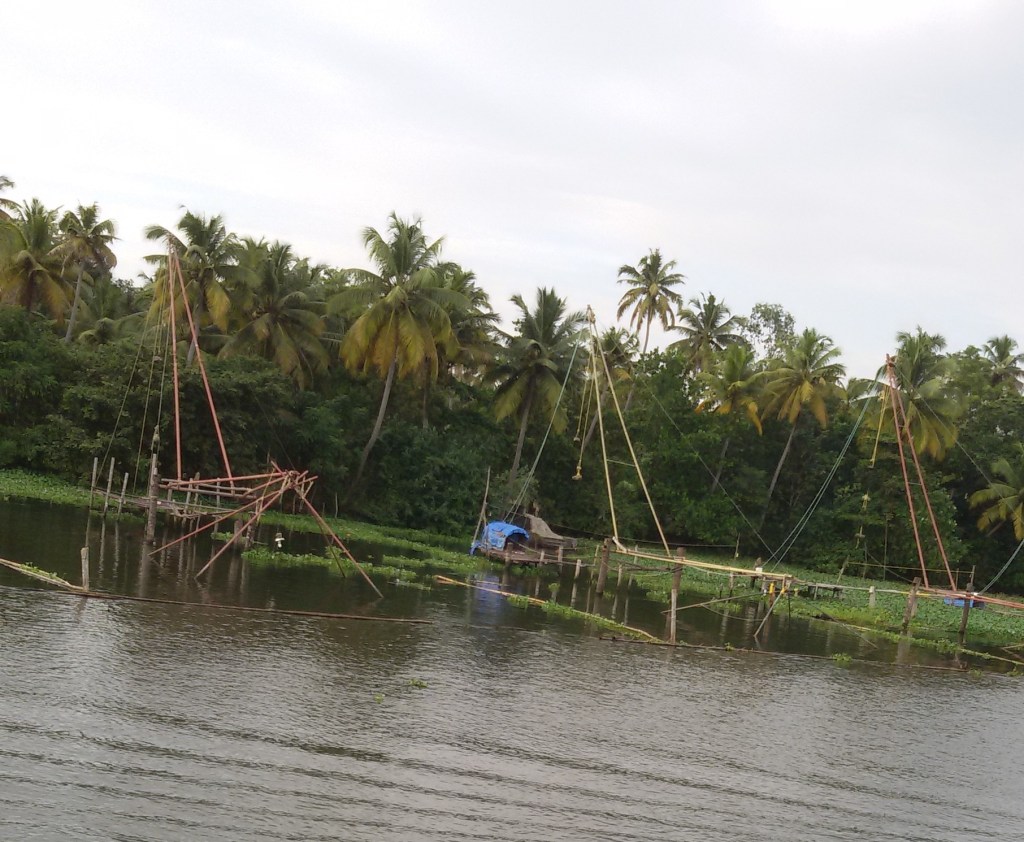
And some Chinese fishing nets along the shores

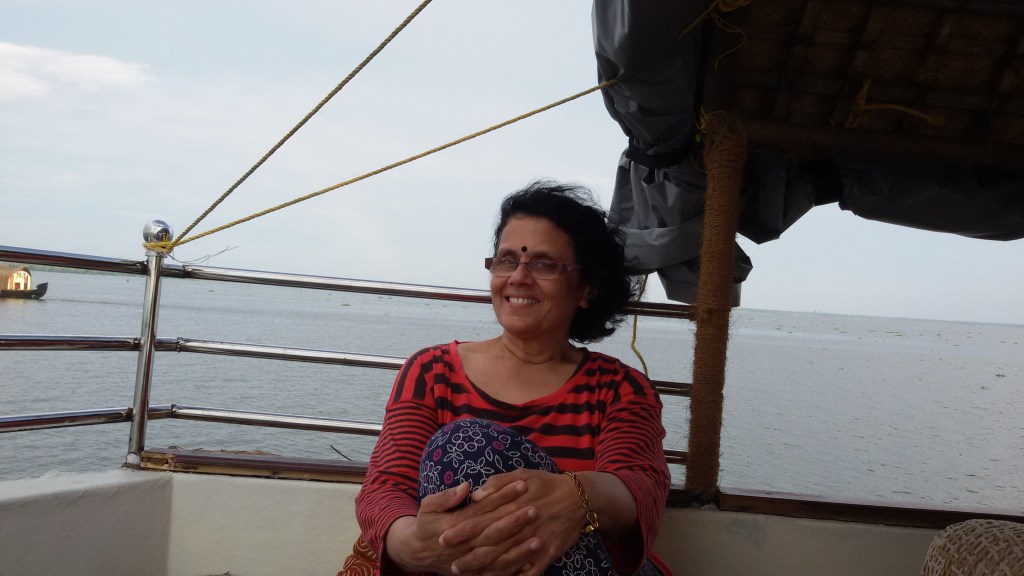
Sitting on the upper deck and relaxing as the boat cruised along

The beautiful sunset painted by mother nature…..take a look

And gradually it got darker

After the houseboat anchored, we just took a stroll on the village road and returned to the boat for dinner. Next morning we enjoyed the sunrise views and were treated to some nice tea and biscuits .

Then we again cruised and enjoyed some more views….

Peaceful morning on the backwaters….

Followed by some authentic Malayali breakfast…

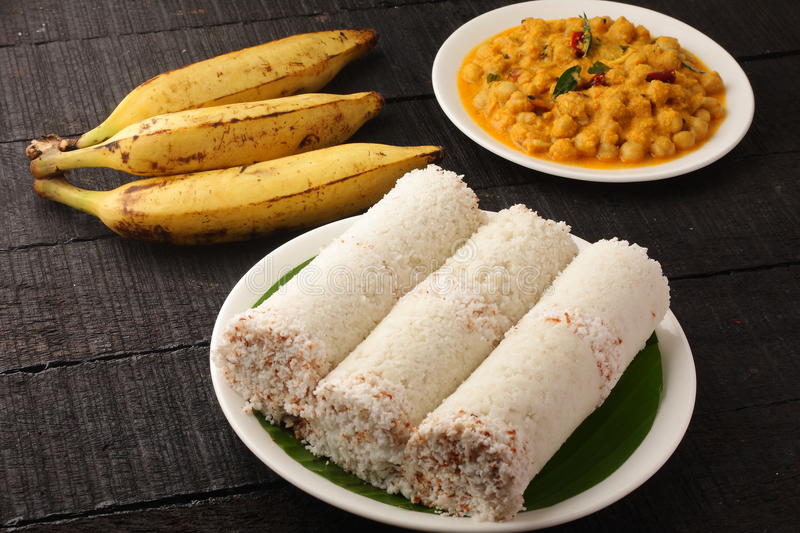
A typical kerala breakfast of Puttu( rice & coconut preparation) , Kadalacurry(chickpea gravy) and Nendrapazham(banana)

With that, the boat had reached its starting point and we stepped ashore and on to our car and drove back to Kochi.

We had a nice relaxed time on the houseboat and this is an excellent holiday destination….more so for small groups of friends and family to meet up and spend time with each other.

So do add this to your list…

Before that, do comment and give me your feedback..