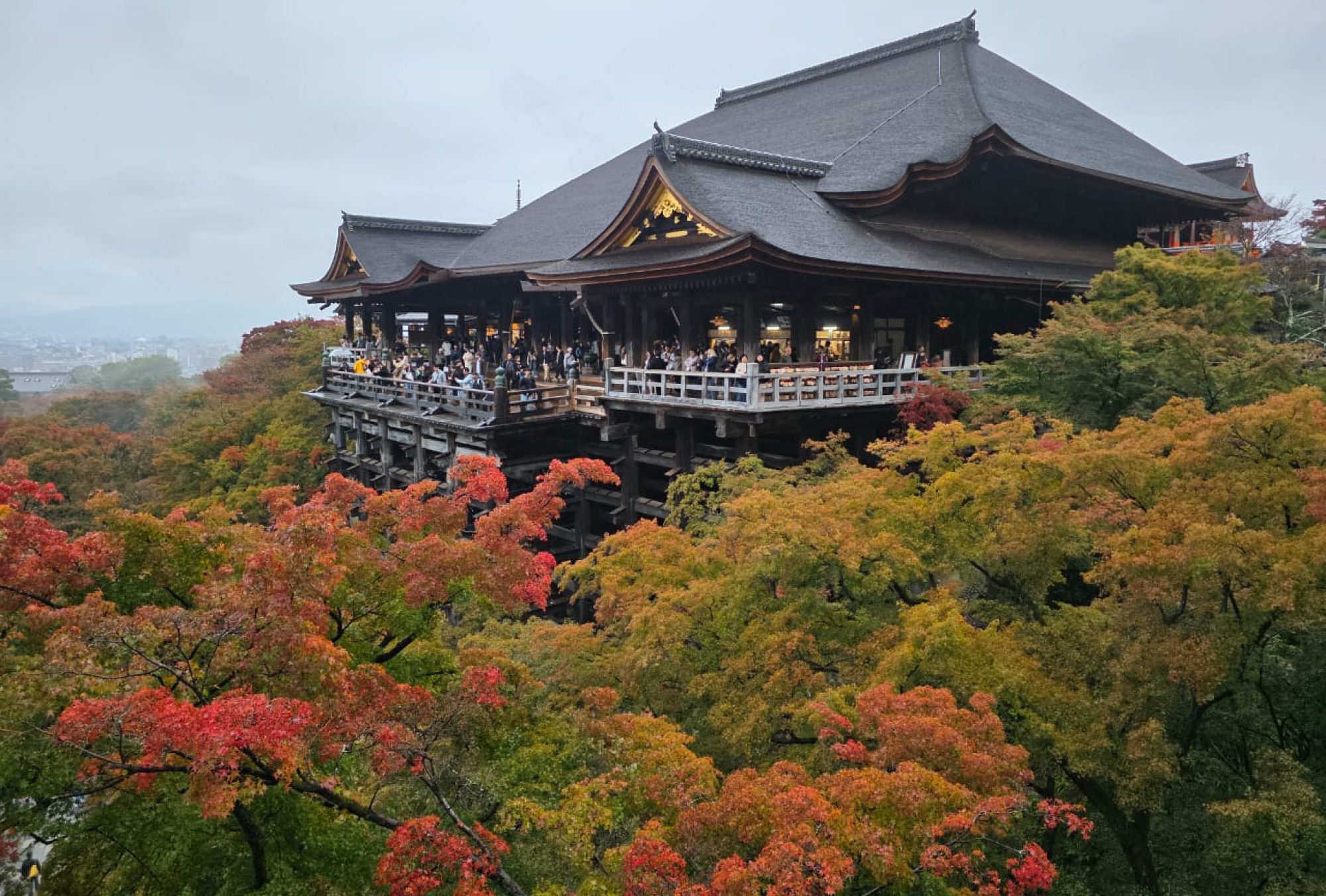

The Jagannath Temple at Puri in Odisha is one of the most revered Hindu temples in India. The main deity is Lord Jagannath, an incarnation of Lord Vishnu.
[Though I have had the opportunity to visit this temple complex, I have not taken any pictures. Photography is prohibited and even the outer areas are difficult to photograph as we have to leave the camera/phone outside far away.] The pictures that I am putting up are file pictures.
A lot of uncertainty exists on the actual building of this temple. It is believed that King Indradyumna built the main temple sometime before the 10th century and King Anantavarman of the Ganga dynasty rebuilt the remaining part of the complex. The temple is claimed to have been plundered multiple times by invaders.
The temple is one of the magnificent remnants of Kalinga architecture of India.
A small introduction on JAGANNATH
The term Jagannath literally means “Lord of the Universe”. He is worshipped by the Hindus in India and Bangladesh , along with his brother Balabhadra and sister Subhadra. In a larger context , the Hindus in India are either Vaishnavites ( followers of Lord Krishna/Vishnu) or Shaivites (followers of Lord Shiva). The Vaishnavites call Him an incarnation of Vishnu while for the Shaivites , He is a tantric form of Bhairava, a fierce manifestation of Lord Shiva.

Lord Jagannath
Structure
The temple complex lies inside a 20 ft. high fortified wall and the main temple is surrounded by another smaller fortified wall. The main tower under which the principal deities reside is built on a platform and is 214 ft. high. Other shrines within the complex have roofs and towers that rise up in step like fashion to the main tower.
The main tower dominates the skyline in the vicinity.

The towers of the temple
Inside the wall, the complex has four main sections. The Sanctum Sanctorum where the main deities reside , The Frontal Porch, The Nata Mantap or dancing hall and Bhog Mantap or offerings hall.
Neela Chakra
An eight spoked wheel called the Neela Chakra is mounted on the top of the main tower. This is made of eight metals and is considered sacrosanct. The wheel is more than11 ft high and is the most revered iconic symbol of Jagannath.

Neela Chakra
The flag hoisted on the Chakra is called Patita Pavana and is considered equivalent to the deities placed in the Sanctum Santorum. This flag flutters in the direction opposite to the wind and this is one of the peculiarities of this temple. A priest climbs up to the top( as tall as a 45 storey building) and changes the flag every day.
The Singhadwar (Lion Gate)
This is one of the main entrances to the temple and has two huge crouching lion statues giving it the name. This is the gate that faces east and on to the main road. A giant monolithic pillar called Aruna Sthamba stands tall in front of this gate. This pillar was originally in the Sun Temple at Konark and was relocated here. It has the statue of Aruna, the charioteer of the Sun God on top.

The Singhadwar with ArunaSthamba
The gates in the remaining three directions are named after the animals guarding the gate .
When one enters the temple through the Eastern gate, one passes through a series of steps before we reach the Sanctum Sanctorum.
Sanctum Sanctorum
The three siblings … Jagannath, Balabhadra and Subhadra are the main deities at the Sanctum. The idols are not of stone as in other temples but carved out of Neem trees. They sit on a raised bejewelled platform.

The sibling deities
The idol of Jagannath is actually a carved and decorated wooden stump with large round eyes and conspicuous with absence of limbs and neck and the face merging with the chest. He is painted black and this feature is similar to Lord Krishna . The “U” shaped mark on his forehead is typical of Vaishnavite traditions.
The idol of Balabhadra is depicted with a white face and Subhadra with yellow face. Both of them have oval eyes.
The idols are made of neem wood and replaced every 12 or 19 years; depending on the Hindu calendar when the year has two months of Ashadha.
Multiple small shrines
Inside the temple complex are multiple shrines dedicated to various Gods.
Architecture
The architecture of the towers at the temple is simply outstanding. The detailed artistic work and images carved in stone are really marvellous. Unfortunately no pictures are available to depict this. In fact I visited this temple soon after I had visited Angkor Wat and I was amazed at the architecture and complexity of design of this complex. Due to lack of pictures, the artistry is lost to the world unlike Konark or Angkor Wat where photography is allowed.
The Temple Kitchen
The temple kitchen is considered one of the largest in the world. Cooking is done in earthen pots using water drawn from wells. The food is sold to devotees in the Anand Bazar within the temple after offering to the Lord.
Rath Yatra
The most famous festival of Jagannath Temple at Puri is the Rath Yatra. It is this festival that has been instrumental in bringing this temple global recognition. In fact the word Jagannath is also supposed to have etymologically originated from the word “Juggernaut” signifying the movement of the huge chariot and the people along the streets.
Every year, this festival is celebrated in the month of Ashadha (June/July) and the deities are brought out of the temple in chariots in a procession on to the main road and travel for about 3 kilometres to the Gundicha temple. The deities stay there for seven days and then are ceremoniously brought back to the main temple in the same chariots.
The chariots are wheeled wooden structures built newly every year and they are pulled by the devotees. The Chariot of Jagannath is the biggest and is approximately 45 feet high. It takes months of work on the building and decoration of these chariots.


Visuals of the Annual Puri Rath Yatra
Rath Yatra is not a temple festival for the locals but an integral part of their lives. They celebrate it with much fanfare and the whole area gets a festive look at the time of the Rath Yatra.
Some amazing facts about this temple :
The sacred flag on top of the tower flutters in the opposite direction of the wind. This flag is changed manually every day by climbing the tower which is as high as a 45 storey building.
The idols are made of wood and carved by carpenters. They are replaced periodically and the old idols are buried. This is called Nabakalebara
The temple casts no shadow in any direction of the sun.
The Mahaprasad consists of 56 delicacies and is available for sale to devotees.
The food is cooked in earthen pots placed one above the other and the food in the top most pot gets cooked first.
Though located close to the sea, the sound of the waves stop as soon as you enter the temple.
Nothing flies over the tower of the temple.
The Neela Chakra appears to be facing the same way when viewd from any direction.
Many scientists and religious leaders have tried to investigate these strange phenomenon but no one has as yet got an answer.
Well, let us leave it to the Glory of Lord Jagannath
See you next week with some other great temples. Till then, do like, comment and give your feedback.
 Travel-along.in