Darjeeling ; the land of Dorje

Continuing our trip to NorthEast India, our next destination was Darjeeling. Starting from Gangtok we were driven down to Darjeeling by our tour operator. And I need not say….the drive was through hilly terrain with some beautiful views of the Himalayas.

A little bit about Darjeeling…

This quaint hillstation at an altitude of 6700 ft in the state of West Bengal in India has a colonial past. Darjeeling was originally in Sikkim and was leased out by the British to develop it into a summer retreat and English style cottages were built . Tea plantations were developed and a lot of labourers were recruited chiefly from Nepal. Widespread deforestation lead to displacement of the indigenous people. After Indian independence when the British left India, these cottages were bought by wealthy Indians and so were the plantations. This explains the colonial look of the buildings in the hillstation , the tea estates and the cosmopolitan population.

The name “Darjeeling” is derived from the Lepcha and Tibetan word dorje-ling meaning land of the thunderbolt. The dorje is a weapon found in most local homes and held by their deities. It is also the weapon of the Hindu God Indra.

The Dorje

Our Trip

The drive to Darjeeling was beautiful with winding roads, tea plantations and views of the mighty Himalayas. The Teesta and Rangeet rivers played hide and seek with us enroute till we reached a point where we could see them merging.

Some pictures from the drive to Darjeeling…

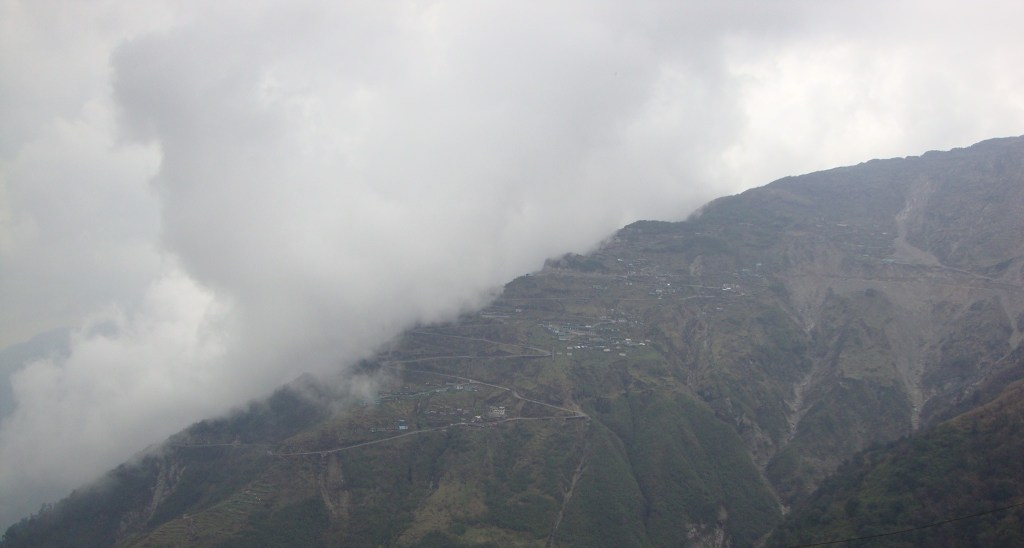
The misty hills, winding roads and the Teesta river

The confluence of the Teesta (muddy) and the Rangeet (clear) rivers

Late afternoon, we were at Darjeeling, checked into our hotel and rested for a while. Our hotel was walking distance from Chowrasta, the main shopping area in Darjeeling. So we walked up there and spent an evening soaking in the Darjeeling vibes.

Chowrasta

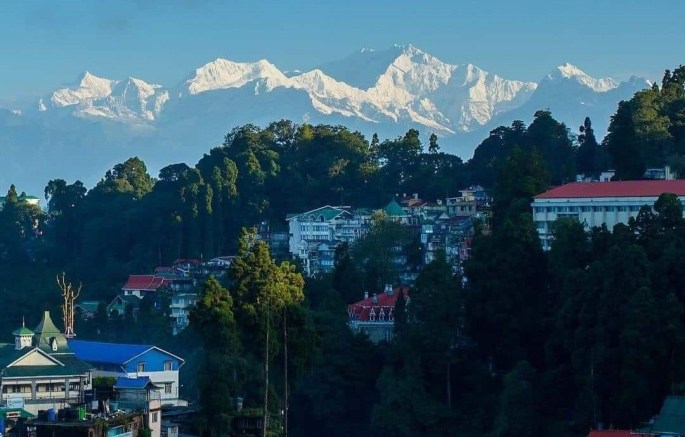
Chowrasta is the public square of Darjeeling lined with coffee shops and restaurants . It is a kind of meeting point for the people with small benches along the side for tourists to soak in the ambience. On a clear day, some of the Himalayan peaks can be seen from here including Mt. Kanchenjunga.

The Hawa Ghar ; a permanent stage where cultural programs are held and a statue of a Nepali poet adorn the square.
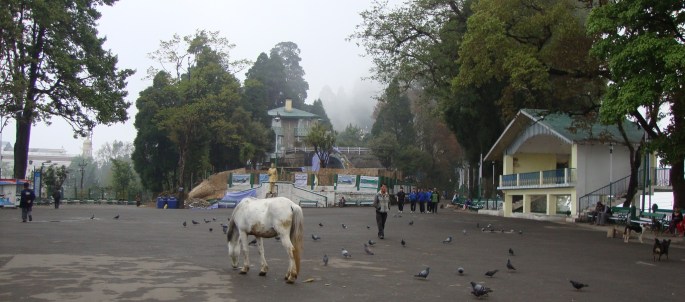
Chowrasta with the Hawa Ghar on the right

The fountain , statue and crowds at Chowrasta
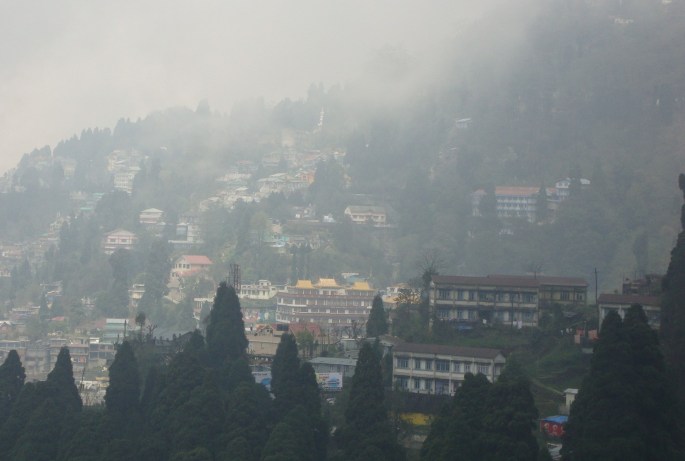
View of Darjeeling town with clouds descending on it…

After soaking in the Darjeeling ambience, we returned for the night to our hotel.

Next morning, we were picked up for a local sightseeing trip of Darjeeling and our first destination was the Ghoom Monastery.

Ghoom Monastery

A monastery of the yellow hat sect of Buddhists, it houses a 15 ft statue of Maitreya Buddha. This statue is painted in gold colour and is embedded with precious stones. The monastery houses various rare Buddhist manuscripts and is a revered place of worship for the Buddhists.

The New Ghoom monastery is a huge building and houses several monks. The old Ghoom monastery lies below it and looks more traditional.

New Ghoom Monastery

Old Ghoom Monastery

Buddha Statue

Darjeeling is home to an important institute, The Himalayan Mountaineering institute.

The Himalayan Mountaineering Institute

Founded in 1954 to commemorate the first summit of Mt Everest by Tenzing Norgay and Edmund Hillary,this is one of the premier mountaineering institutes in the world.

This institute trains aspirants in mountaineering and allied adventure activities. Tenzing Norgay served as the first director of this institute. There is a museum here that houses various treasured mountaineering displays.

Entrance to HMI
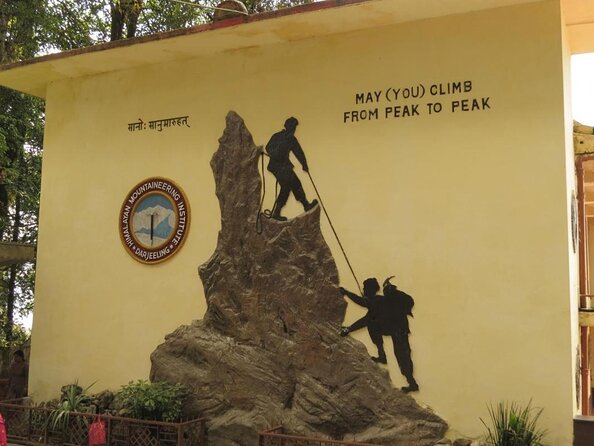
One of the inspiring exhibits and memorabilia at the museum

There is a statue of Tenzing Norgay and a rock named after him inside the institute. Interested visitors can attempt climbing this rock.
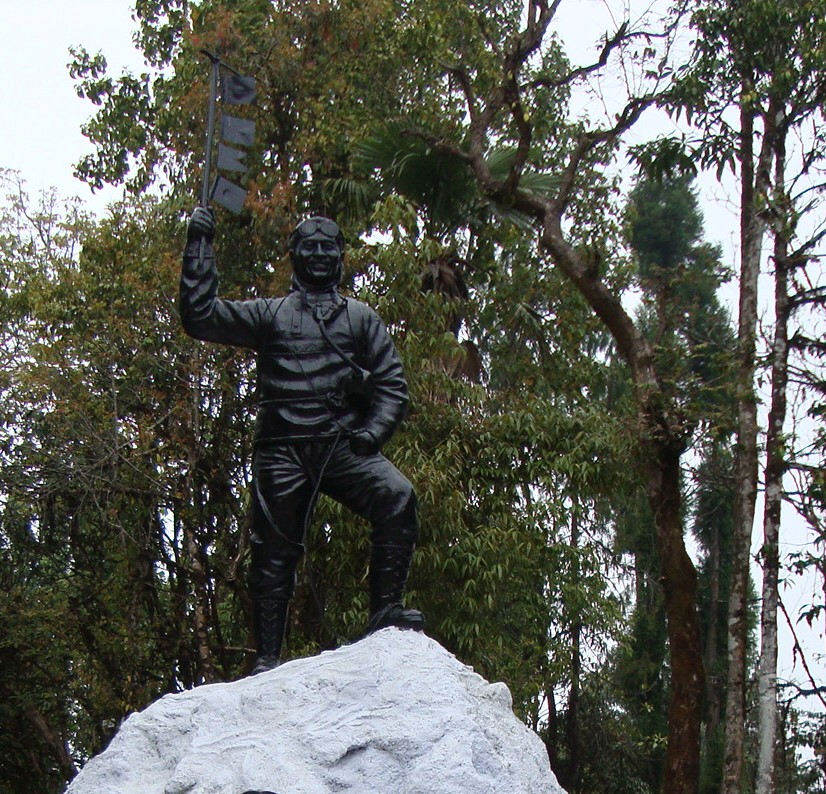
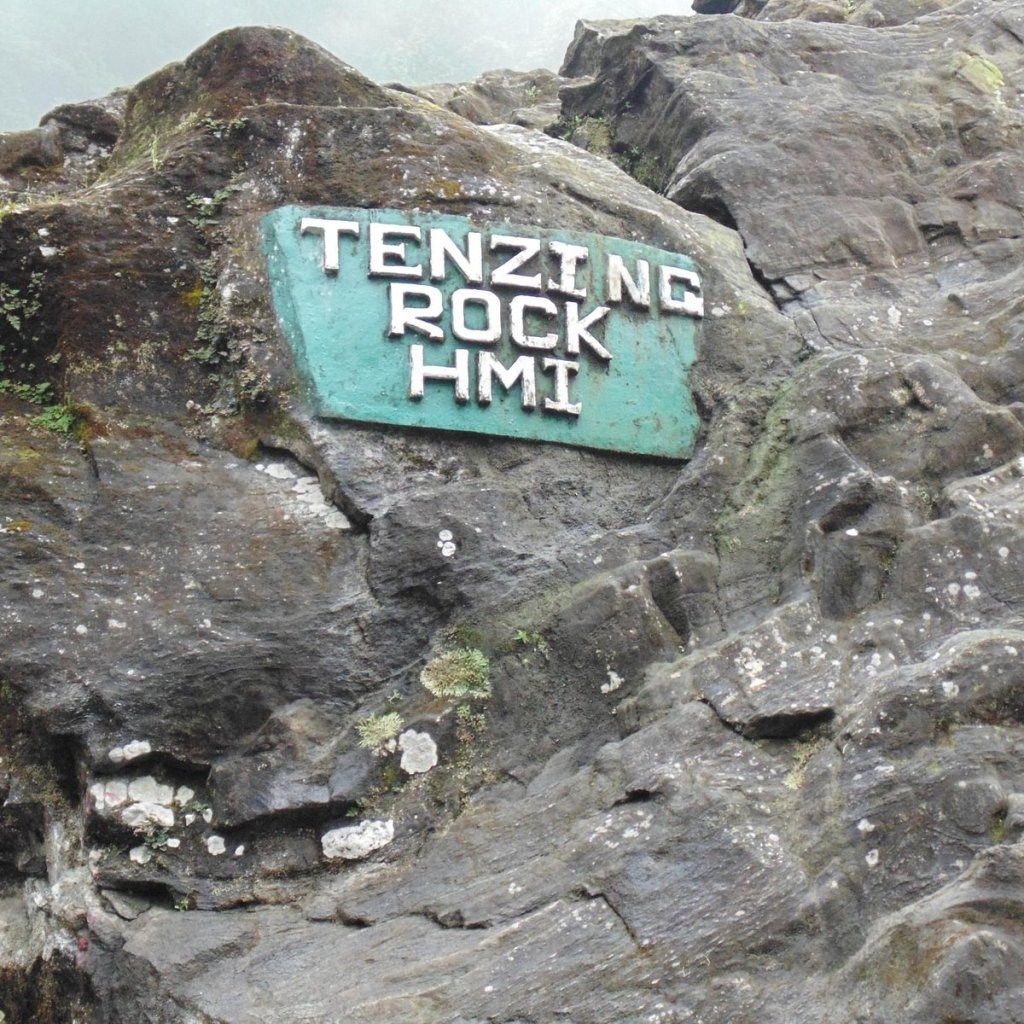
The statue of Tenzing Norgay and the rock for aspirant climbers.

Adjoining the HMI is the Darjeeling Zoo also called Padmaja Naidu Himalayan Zoological Park. Many rare Himalayan species can be seen in this zoo. It is India’s highest altitude zoo.

Some pictures…
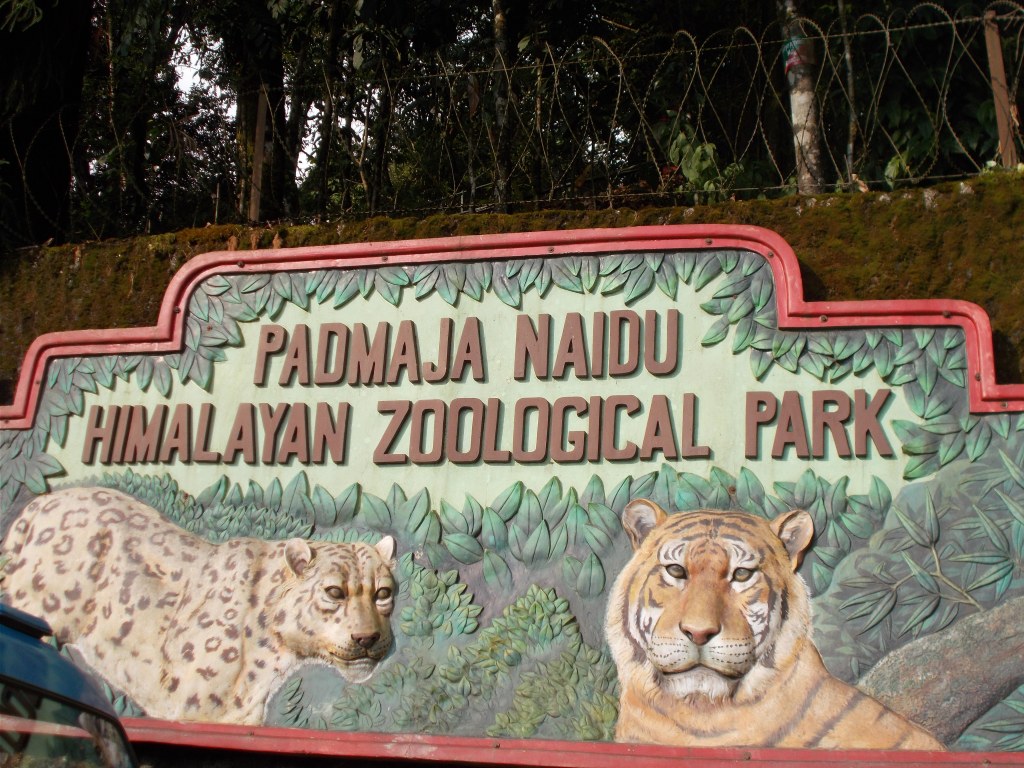
The Entrance

A Himalayan Panda…click on the video

A bear

Tiger Hill

This mountain in Darjeeling at a height of 8500 ft offers views of Mt Everest and Mt Kanchenjunga. A visit to Tiger Hill is recommended at dawn. We were picked up before sunrise and we drove up to Tiger Hill.

Spotting a leopard!!!

I can never forget this drive as I spotted a leopard just off the road scampering into the bushes as the lights of our jeep hit it. You will understand that just like the leopard, I was also taken by surprise and was not ready with my camera!!!

It was only subsequently that I realised that the Senchal Wildlife Sanctuary lies close to Tiger Hill and it is home to the Indian leopard.

At Tiger Hill , there is a viewing platform from where the views of sunrise over the Himalayas is awesome on a clear day. As the sun rises, the first rays falling on the snow capped mountains gives it a pretty orange hue which I was hoping for. Mt Kanchenjunga appears higher than Mt Everest as it is closer to Darjeeling. But, we were not so fortunate as we did see a sunrise but the clouds obstructed the Kanchenjunga views.

However, we enjoyed the thrill of waiting among the crowd for the Sun God to appear!

Some pictures…

What was expected….(a file photo for reference)

What we saw...if you look carefully, the mountain peaks are seen in faint golden colour…

Sunrise over the Himalayas….

The Peace Pagoda

Another shrine in Darjeeling is the Peace Pagoda which is aimed at uniting people of all races and fostering world peace. One can understand its relevance in today’s world!!

Built by a Japanese Buddhist monk, it houses four avatars of Buddha. The ambience there is calm and peaceful and suited for meditation.
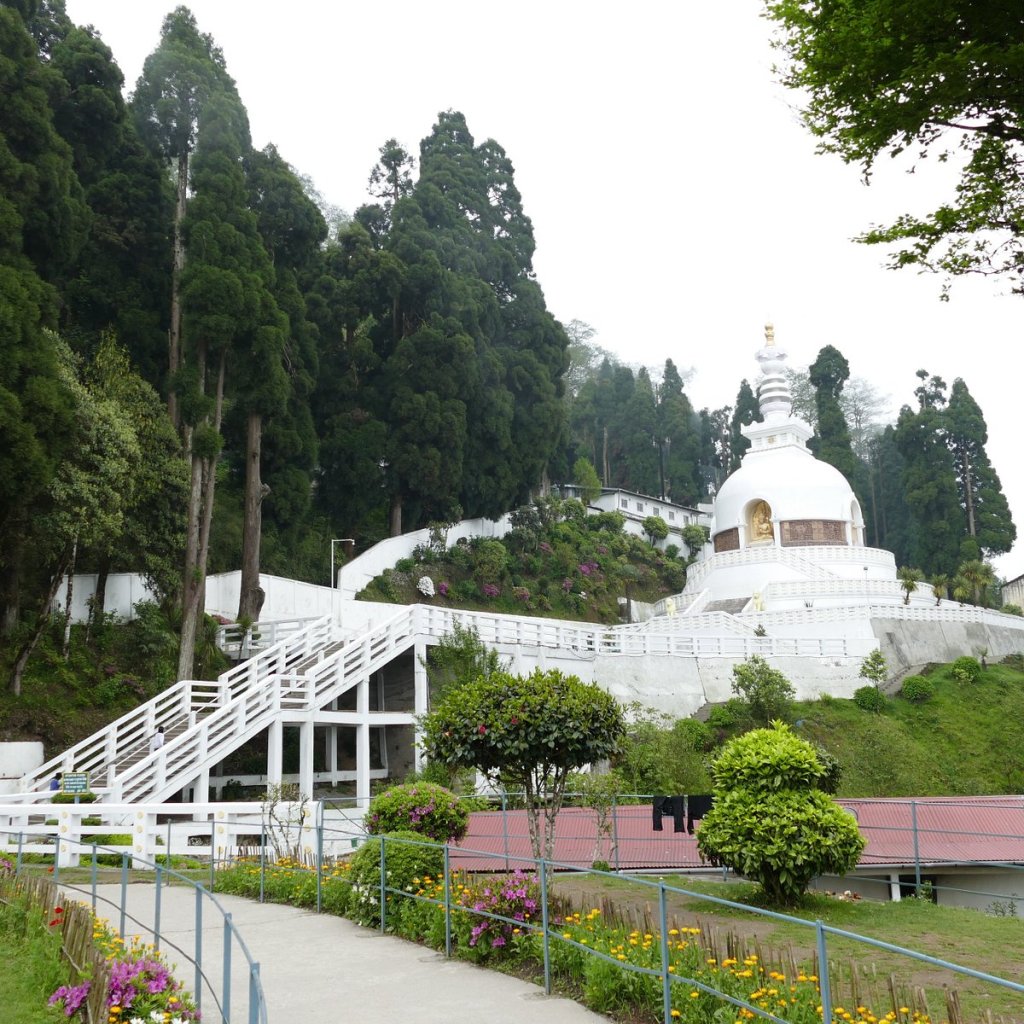
Peace Pagoda

Last but not the least, we did visit some tea gardens nearby and also a tea factory. And of course savoured a lot of the famous Darjeeling chai at Keventer’s the colonial era restaurant that Darjeeling boasts of!!!
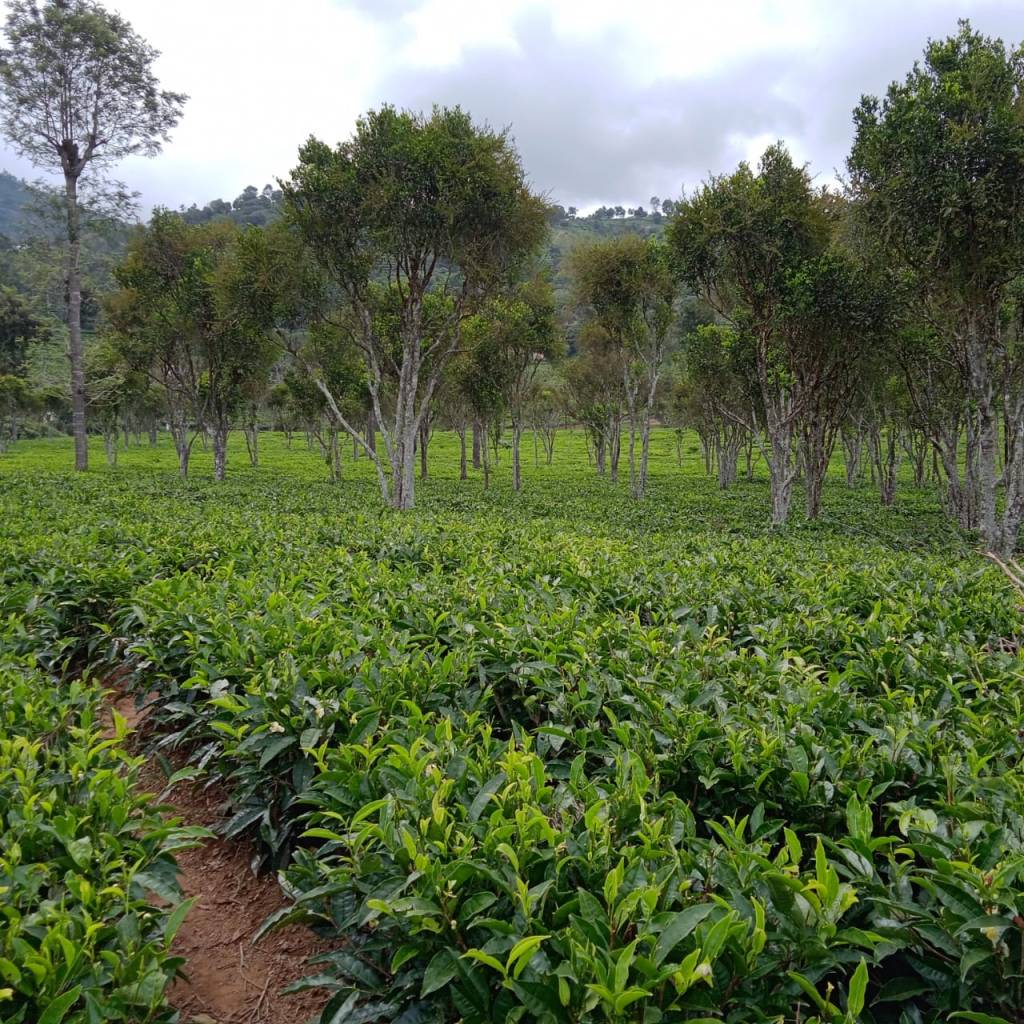
A tea estate
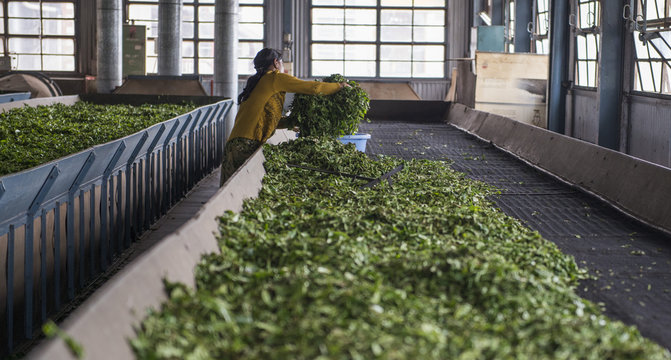
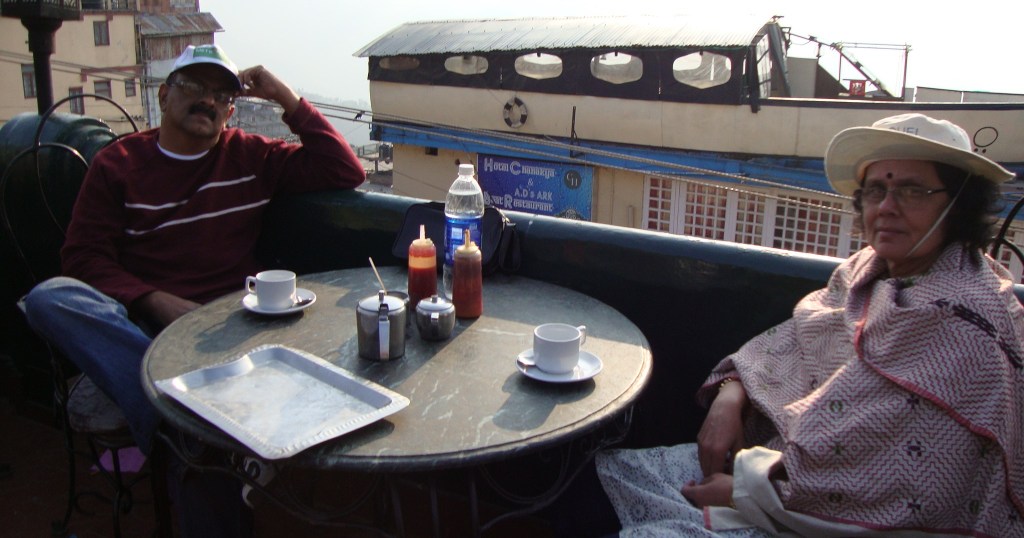
At the tea factory and enjoying tea at Keventers

That just about sums up our trip to Darjeeling. With lot more to cover in NorthEast India and hoping to come back for that, we bid goodbye to Darjeeling.

See you next week. Till then do subscribe, comment and give your feedback….
Sikkim; beauty nestled in the Himalayas

This was essentially our first trip to NorthEast India. A trip to Kalimpong, Gangtok and Darjeeling. Our first halt was Kalimpong, a tiny hillstation in West Bengal. After taking a flight from Chennai, we landed at Bagdogra airport one noon. We were picked up by our tour operator and driven down to Kalimpong.

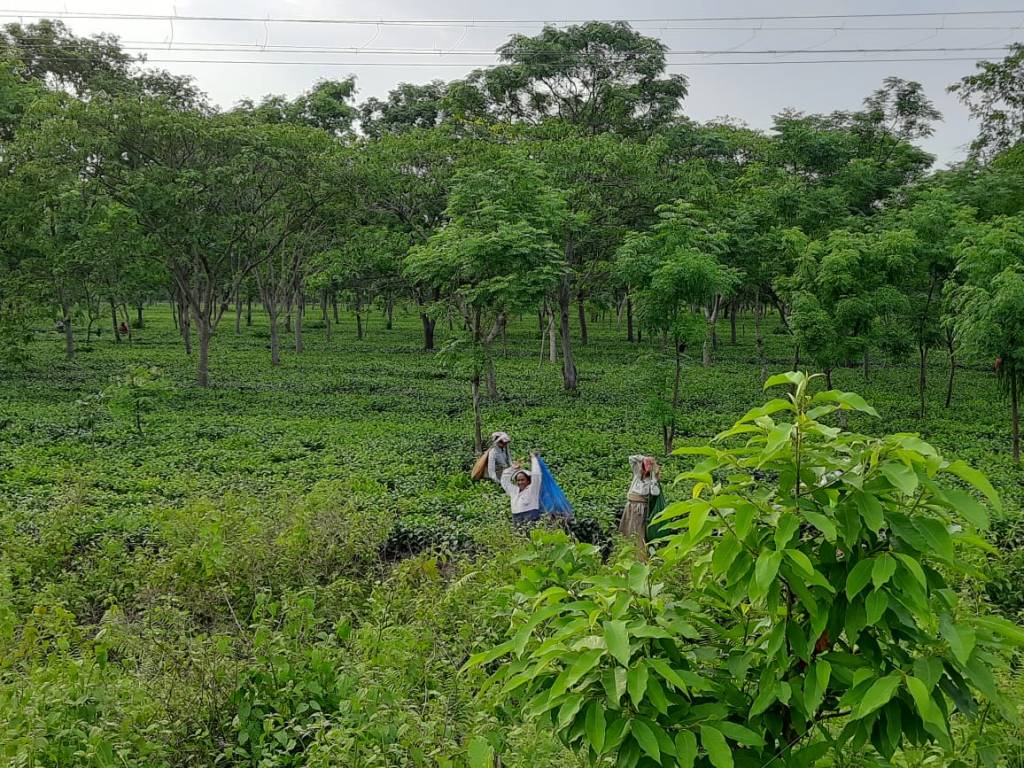
Just after leaving Bagdogra airport, we passed through the town of Siliguri and then on , we were on to some beautiful scenery. The drive was through tea gardens for the major part. The peculiar thing here is the presence of tea gardens on flat land. Down south, all our tea gardens are on hill slopes; not so here.

Tea Gardens

Gradually we were climbing up and we could feel the chillness set in as the altitude increased. Finally, we reached our hotel in Kalimpong by evening and rested for the evening.

Kalimpong

Kalimpong is a tiny hillstation at the foot of the Himalayas in West Bengal with salubrious climate. It is famous for it’s Buddhist monasteries , Tibetan handicrafts and local flowers. It offers great views of the Himalayas and the Teesta Rangit valley of Sikkim.

We woke up to a beautiful sunrise over the Himalayas .

Sunrise over the Himalayas

After breakfast we were picked up on a sightseeing trip of Kalimpong.

Our first halt was at Durpin hill which has the famous Tibetan monastery Zang dok Palri monastery. It is one of the largest and oldest monasteries in Kalimpong and houses beautiful paintings and scriptures.It has nine stupas or chortens in the courtyard.

The Monastery and the nine stupas

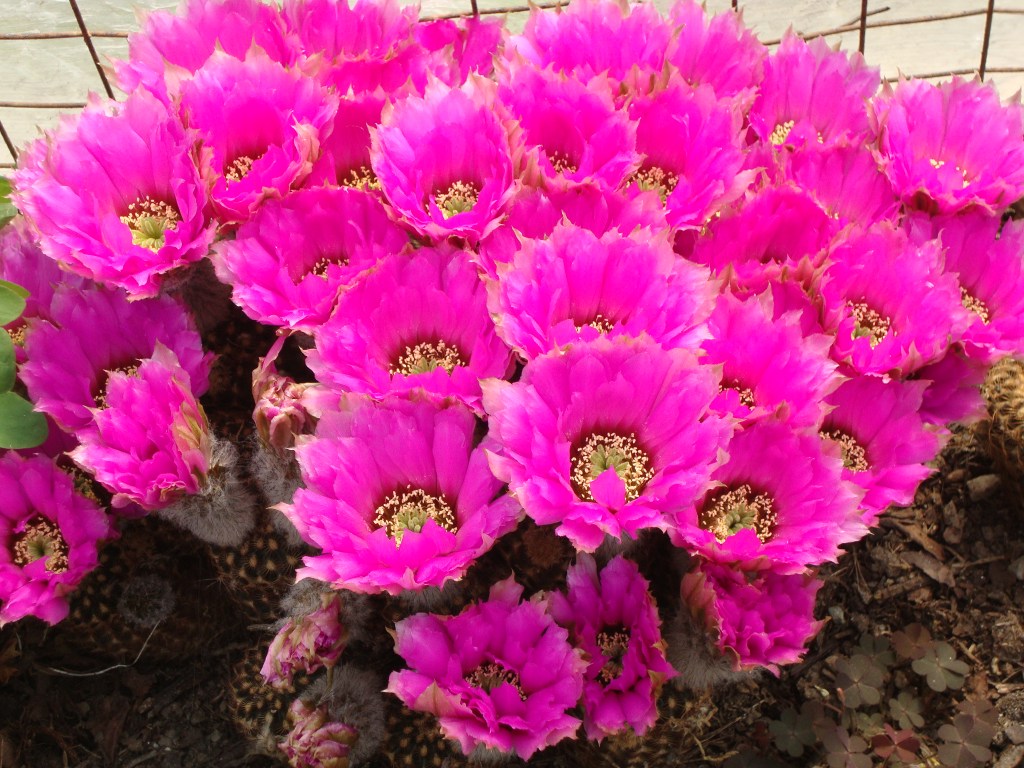
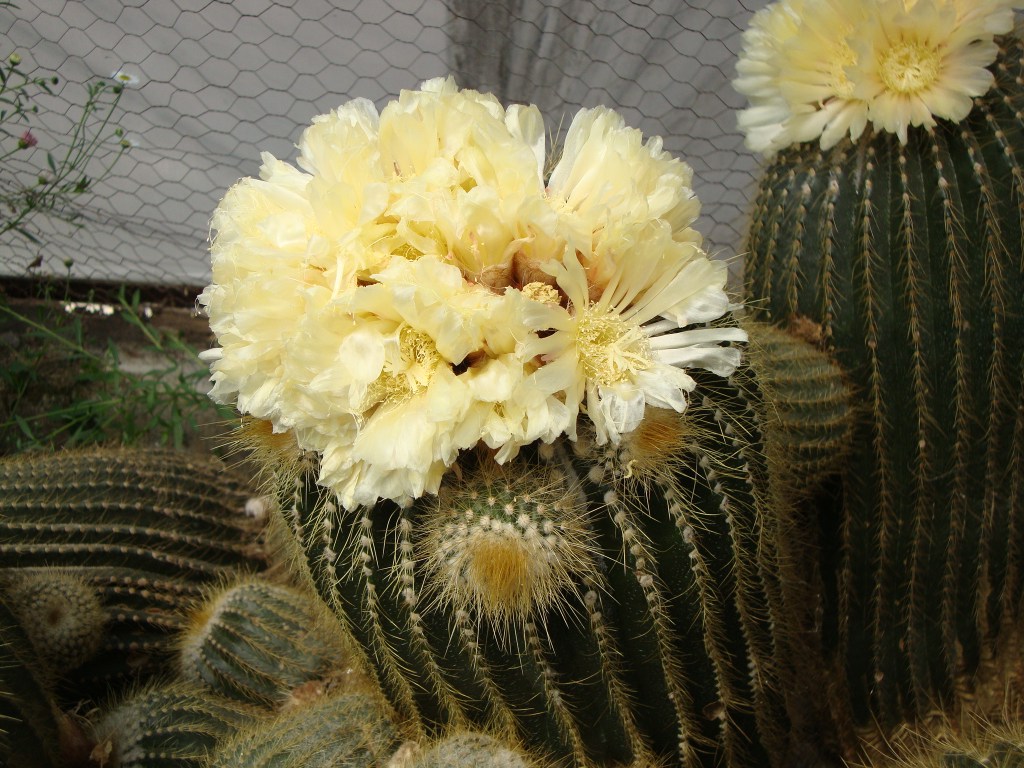
From there we visited one of the beautiful flower nurseries of Kalimpong. The cactus varieties and their unique flowers were truly enchanting. Some pictures…

Beautiful Cactus flowers

Sikkim

After lunch, we drove down from Kalimpong to Gangtok (capital of Sikkim), a distance of little more than 70 kms. Though the distance is less, the road follows a hilly terrain and it was evening by the time we reached Gangtok.

Sikkim is one of the smallest states in India but houses 84 glaciers making it the state with maximum glaciers.

The views enroute were really beautiful , particularly the Teesta river.

The hilly terrain

The Teesta River

Gangtok

This city in the eastern Himalayas ; capital of Sikkim is a prominent Buddhist pilgrim centre. Sikkim was a monarchy when India became independent but subsequently merged with India in 1975. Gangtok was on the trade route with Tibet and flourished through the Nathula and Jelepla passes. However, these passes were sealed after the SinoIndian hostilities leading to the decline of it’s importance. Subsequently the Nathula pass was opened for limited trade in 2006.

The city lies on the lower Himalayan ranges at a height of 1650 mts on a hill side and as such is prone to landslides. Roads are on steep inclines and houses built along the sides making it inevitable to have steep steps for reaching the buildings. It also lies on an earthquake prone zone surrounded by dense forest cover which acts as an impediment to growth of the city.

Gangtok, the city on a hillside

The upper parts of the city have alpine vegetation which gradually changes to temperate as one comes down in altitude. Bamboo is found in plenty. Sikkim is famous for it’s orchid varieties too.

The most happening place in Gangtok is the MG road and Lal Bazar. It is a pedestrian promenade with no vehicular traffic and dotted with shops on either side.

Lal Bazar , the main shopping promenade

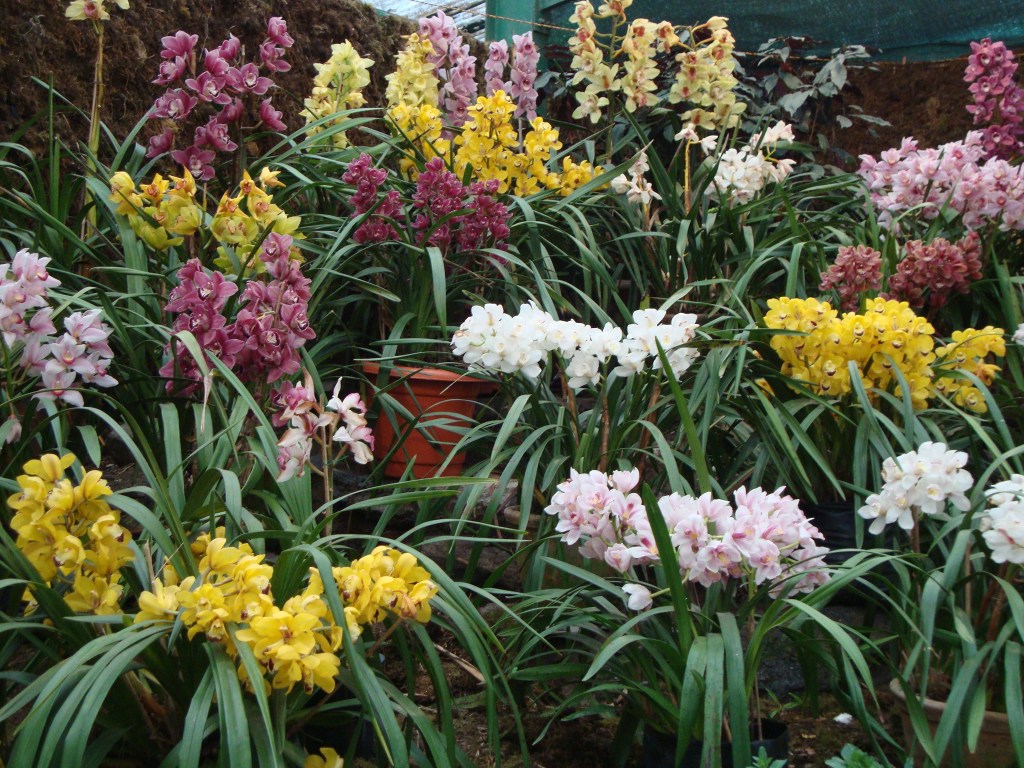
We visited Gangtok in April and that was the time of the flower show there. Orchids dominated the show. Some pictures..

A variety of Orchids

Rumtek Monastery

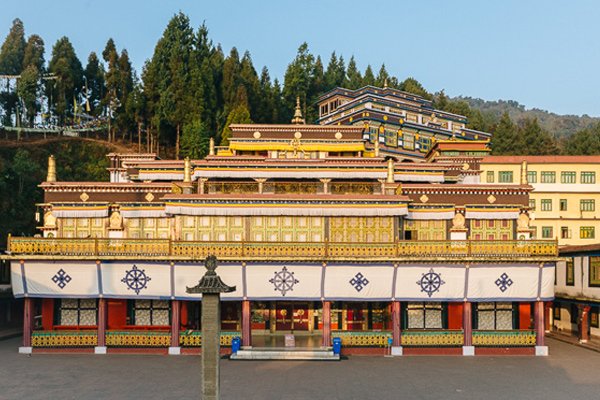
This is the largest Monastery in Sikkim and is the seat of the Karmapa who fled from Tibet to Sikkim. Also called Dharma Chakra Centre, it has typical Tibetan architecture and houses many monks who perform various ritual practices.

The interiors are colourful and have several relics. Some pictures..

Rumtek Monastery

The colourful interiors of the monastery

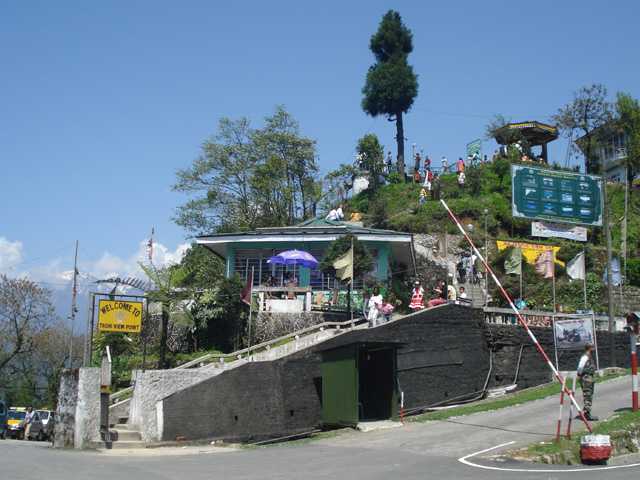
Tashi Viewpoint

Our next halt was at Tashi View Point. This charming place is a perfect place to witness the brilliant surroundings like mountains, valleys and Gangtok itself.

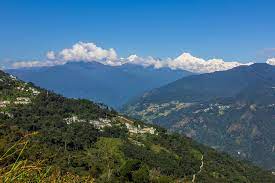
Great views of Mt. Kanchenjunga can be enjoyed from here. It is ideal to come here for sunrise as the different hues of colour reflect on the peak. Some pictures…

Mt. Kanchenjunga from Tashi

Tashi View point

The next day was the highlight of our tour to Sikkim. The visit to the Tsomgo Lake

Tsomgo Lake

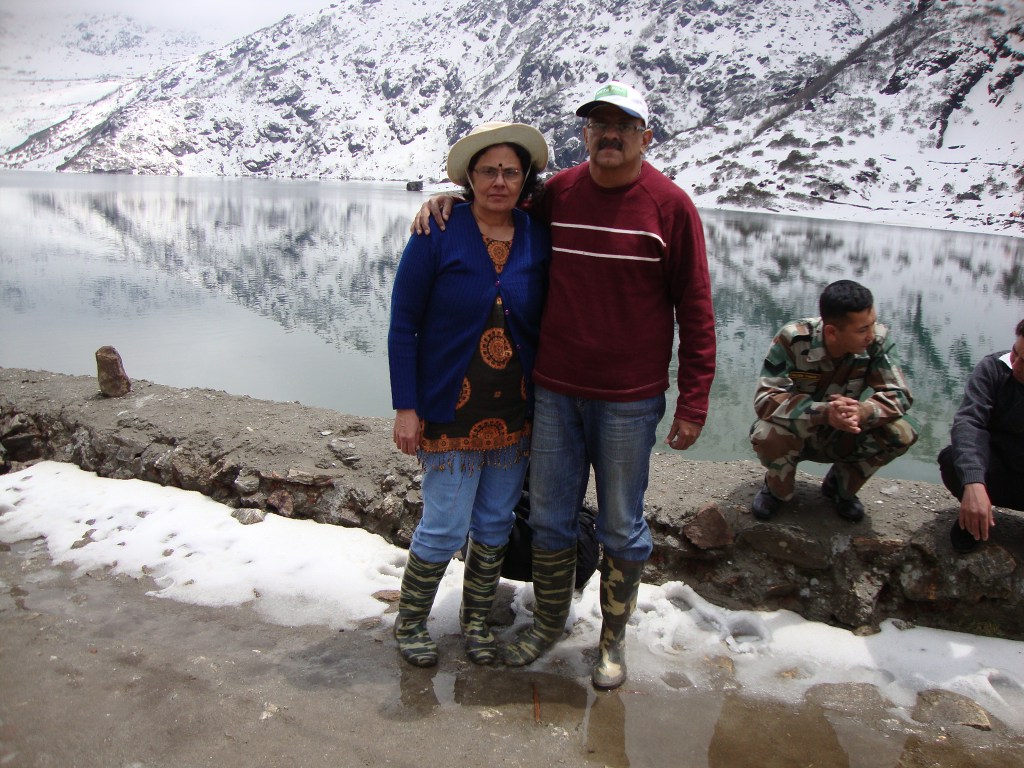
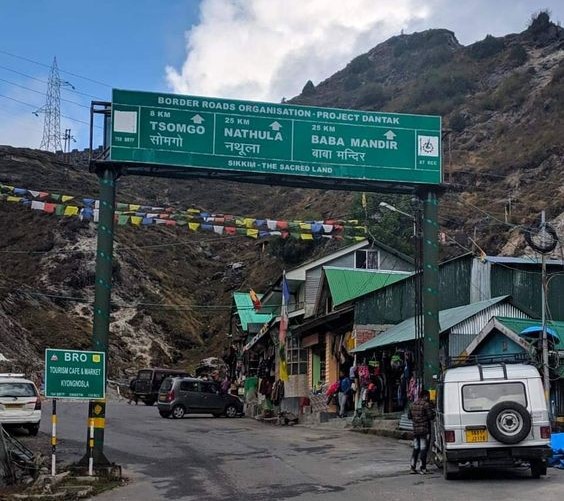
40 Kms from Gangtok on the Gangtok – Nathula highway is this beautiful glacial lake which is also called Changu Lake. The road to Nathula pass literally surrounds some parts of the lake. Since the border with China is just 5 kms away, this area is under army surveillance and we find lot of army personnel here. Due to this, visitors to Tsomgo Lake require to take prior permission by submitting identity proof. This is checked at entry and marked again while leaving.

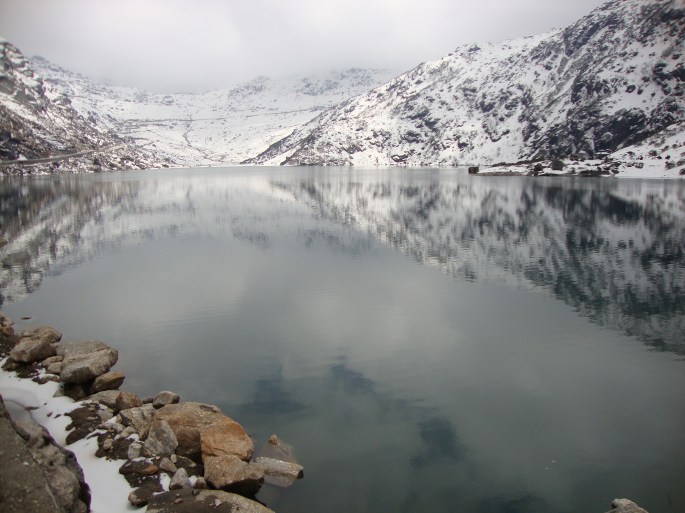
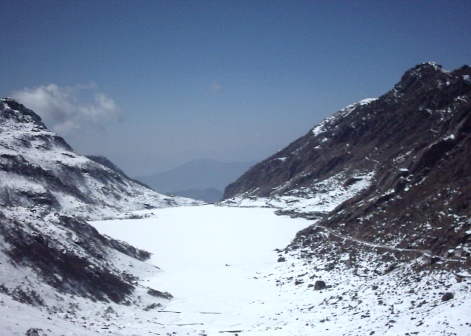
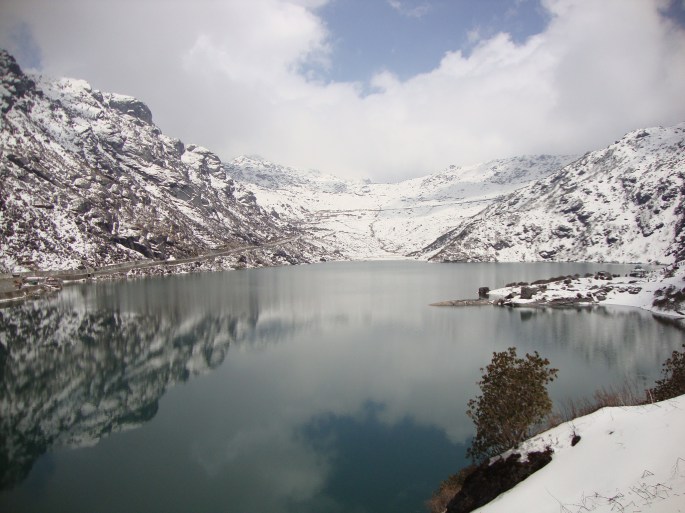
Located at an elevation of 3700 mts, the lake remains completely frozen in winter. The lake is surrounded by snow clad mountains which melts in summer to form the source of the lake. By May when the winter ends and the ice melts, there are beautiful Rhododendron flowers along the edge of the lake. We were a little too early for that!!

Rhododendrons

The Tsomgo lake is host to a number of migratory birds prominent among which are the Brahminy ducks. The migratory birds use the lake as a stopover on their way to the Indian plains from as far as Siberia during the winter months.

Tsomgo is believed to be sacred by Buddhists and Hindus and is shrouded in myths, beliefs and faith. Local legend has it that in ancient times, the Buddhist saints used to predict the future by observing the changing colour of the lake; a dark, gloomy tint told of difficult times and unrest in the region.

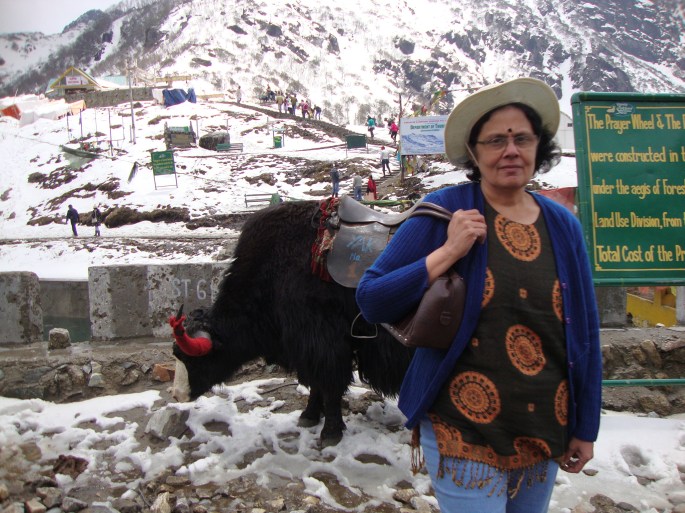
The Jhakris or faith healers of Sikkim attribute healing qualities to the water of this lake. Yak rides are an added attraction here.

The trip to Tsongmo was a rather jerky one, I must admit. Due to the extremely hilly terrain, the roads are winding up hill slopes and it is uneven and many places there were blocks due to rocks and boulders falling on the road. The road climbs 7500 ft within a span of 35 kms making it one of the steepest inclined roads.The drivers here are experts, and they literally take you on the edge of a ledge with a ravine below. All in all, it was a risky ride. That is probably the reason, that the vehicles move in a convoy .

Our convoy to Tsomgo

The winding roads…

There were waterfalls along the way…

A waterfall on the way

But at the end of it, the views were awesome!!!

A signboard explaining the sanctity of the lake

Tsomgo lake and the reflection of the Himalayas…

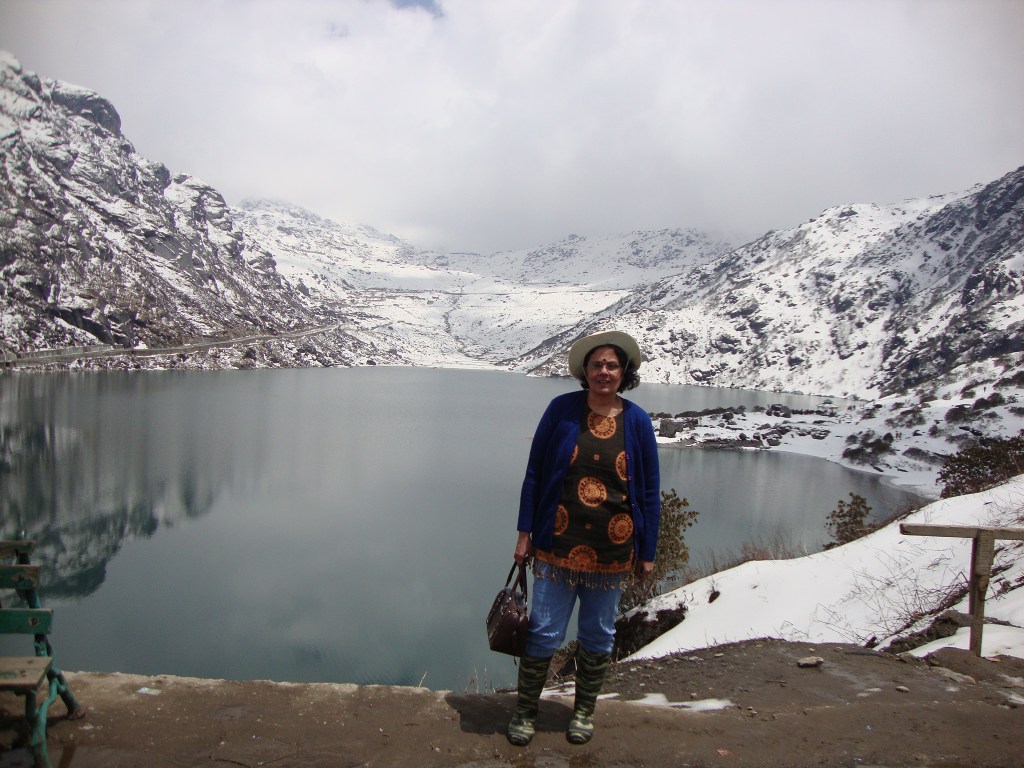
On the banks of the lake with some army personnel in the backdrop

The Yak is ready for a ride….

File photo of the same lake fully frozen in winter

There is a small cafetaria close to the lake where we had a quick bite and started our journey to Nathula Pass. There was lot of uncertainity about this part of the trip as bad weather was predicted but we managed it.

Nathula Pass

This pass at 14,150 ft connects Gangtok to Tibet and is located in the Himalayan ranges.It was once a trade route but was sealed in 1962 after the India-China war. Squirmishes along the area between the two sides was common. It was reopened in 2006 for trade and as it offered an alternative route for the Kailash Mansarovar Yatra. However, due to bad weather, trade is restricted to only few months in a year. Needless to say, variations in Indo China relations affects tourist accessibility here.

Some pictures..

Map showing location of Nathula and the road leading there

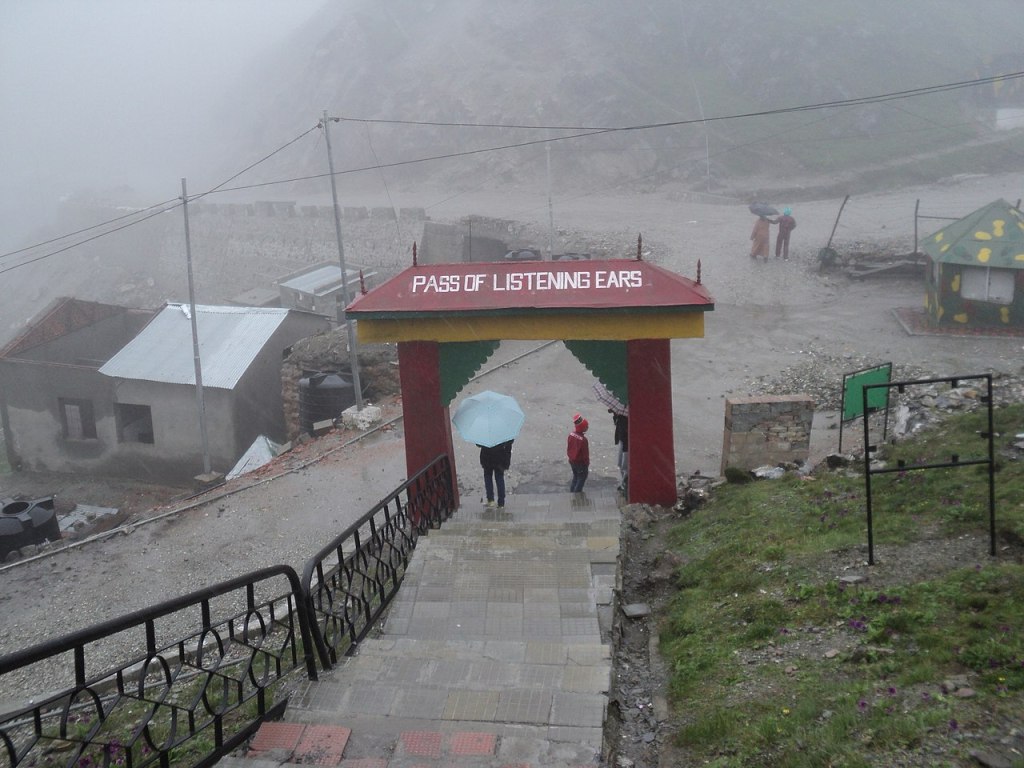
Nathula Pass

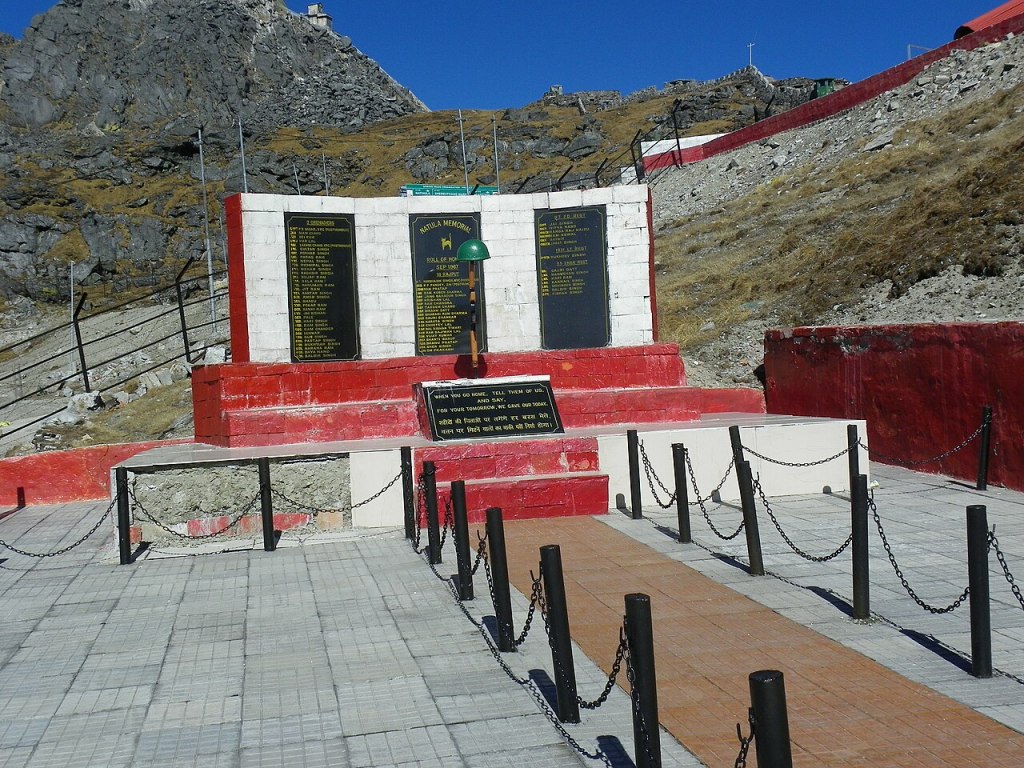
Memorial at Nathula

We just managed to look around and the weather dramatically worsened. We were all asked to leave immediately and we did so. Back in the safety of our vehicles, we waited in the long queue of leaving vehicles. Enroute we encountered some delay due to land slips which were being cleared by the BRO (Border Roads Organisation).

With beautiful memories of an alpine lake, we retired for the night with dreams of an exciting ride to Darjeeling the next day.

See you at Darjeeling next week. Till then, do subscribe, comment and give your feedback.