Kodagu; Beyond Koffee

Tasting Coorg coffee, let us continue our journey through Kodagu visiting some of it’s highlights. The Nagarhole Tiger reserve is perhaps it’s main highlight and let us start from there. Come along….

Nagarhole National Park

The Nagarhole National Park and Tiger Reserve is part of the Nilgiri Biosphere Reserve and lies along the Brahmagiri hills in Coorg. Sandalwood and teak trees abound in this park which is home to the Bengal Tiger, gaur, Chital, Sambar and elephants and a variety of birds. The Nagarhole River winds through jungle landscapes of this park giving it the name Nagarhole meaning serpent river and joins the Kabini River near Bandipur. This park is contiguous with Wayanad and Bandipur sanctuaries.

A jungle safari through this park can give one an opportunity to see it’s inhabitants. Some pictures….
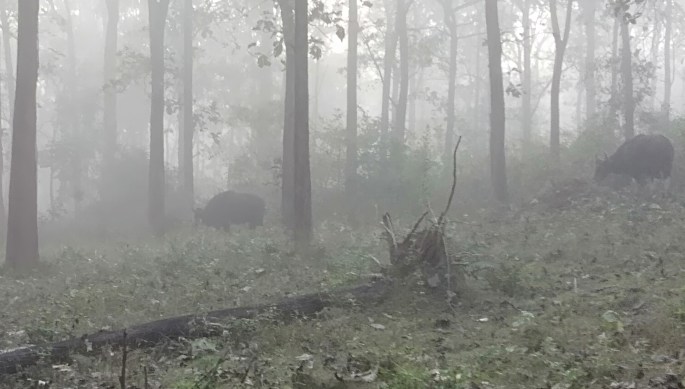
A misty morning at Nagarhole

On a brighter day…

Elephant walk….

Langur time….

Enroute Nagarhole is a famous waterfall called Iruppu falls.

Iruppu Falls

Located on the highway to Nagarhole, this waterfall is also called Lakshman Tirtha falls. A trek from the falls takes one through the forest to Brahmagiri peak. The Lakshman Tirtha river starts from here and there is a famous Shiva temple on it’s banks.

Iruppu Falls

Moving away from Nagarhole , let us visit some important sights near Madikeri

Abbey Falls

One of the most picturesque sights in Coorg is the Abbey falls where the Kaveri river cascades on a rockface in between coffee plantations. It is located about 8 kms from Madikeri and one has to climb down a flight of stairs to reach this waterfall.
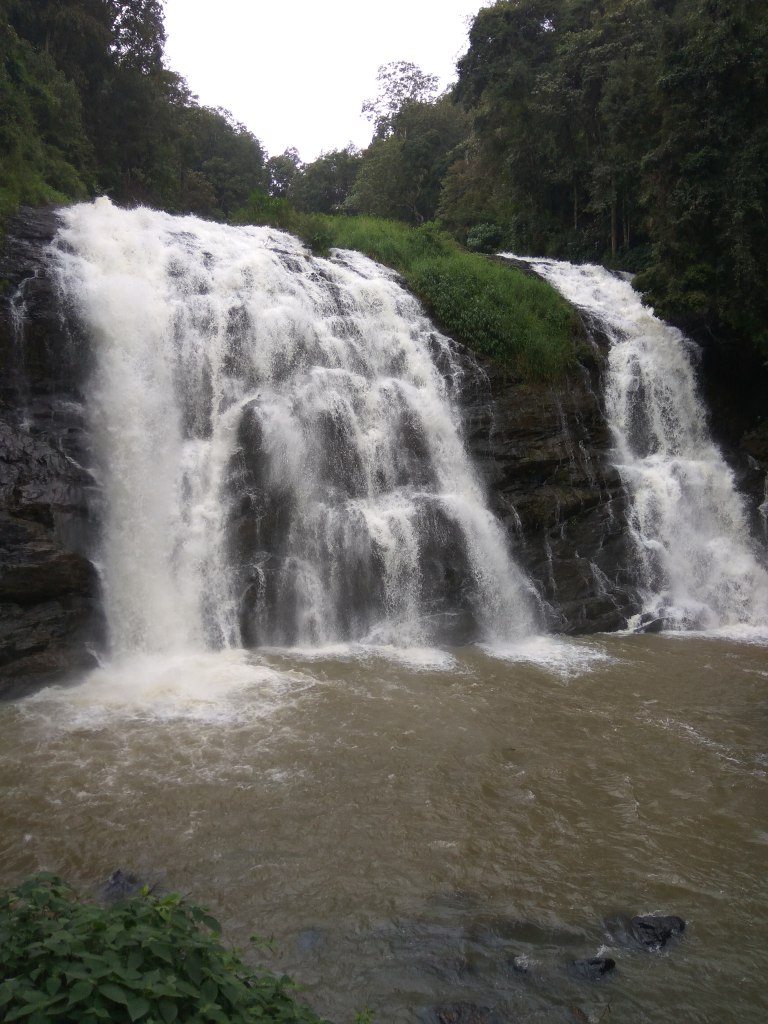
Abbey Falls

The steps leading to the falls

Nisargadhama

Located about 30 kms from Madikeri and close to Kushalnagar is this bamboo forest and deer park on the banks of the Kaveri. Boating facilities are available here. A hanging bridge over the river is another attraction. Some images..

Kaveri at Nisargadhama
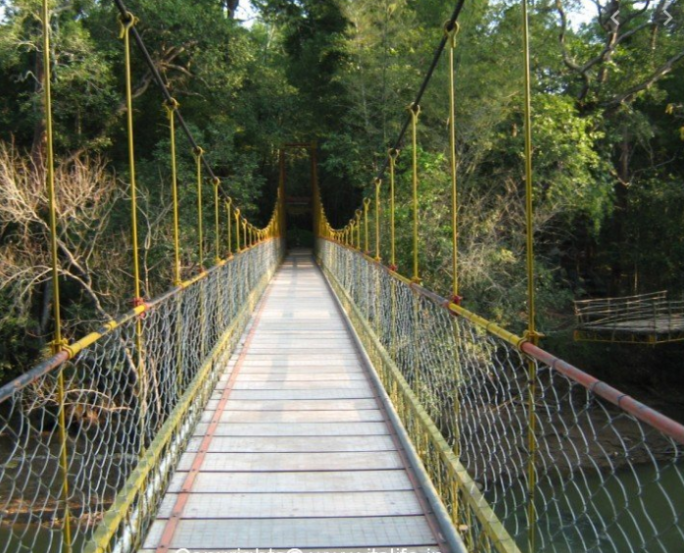
Hanging Bridge
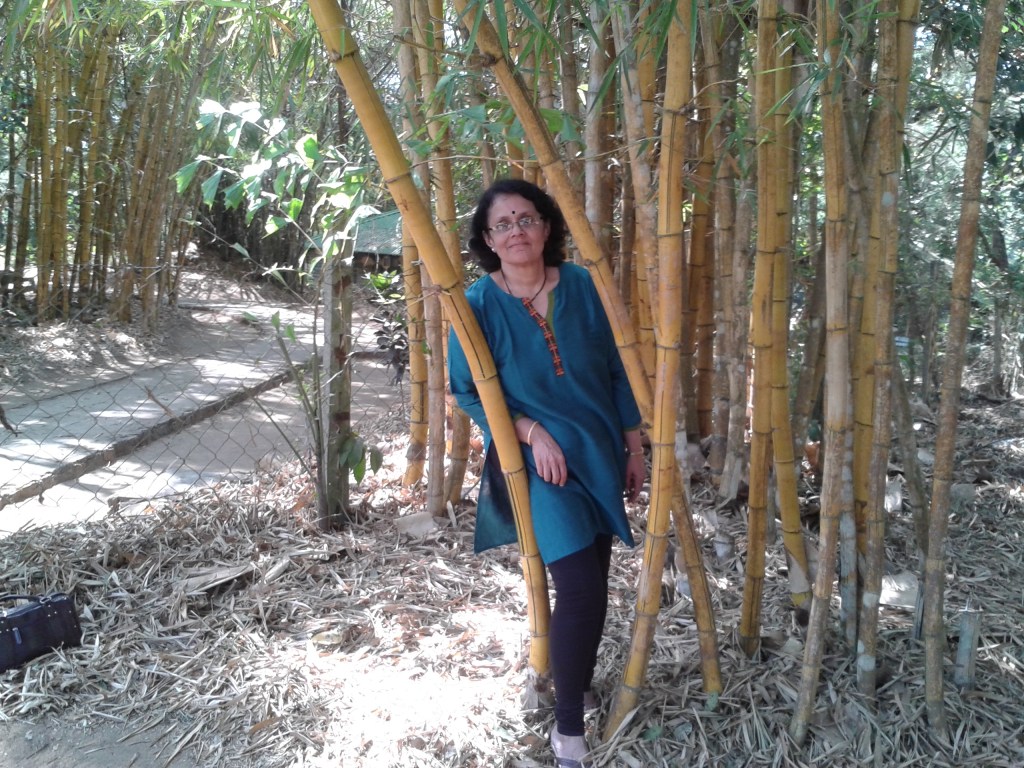
The bamboo forest and deer park

Harangi Dam

A dam built on the Harangi river, a tributary of the Kaveri also lies close to Kushalnagar town. The dam and the gardens offer a nice picnic spot . A small hydro electric project and an elephant camp also functions here.

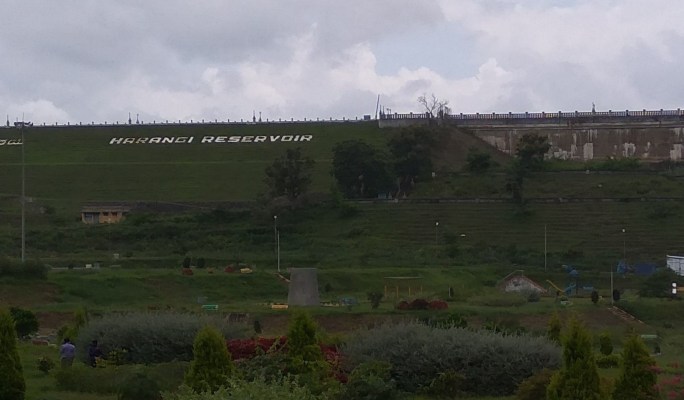
The dam and reservoir
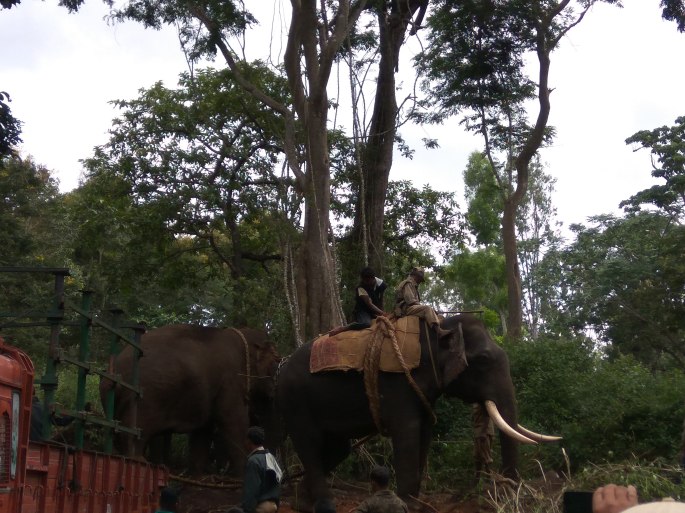
The elephant camp

The Namdroling Monastery

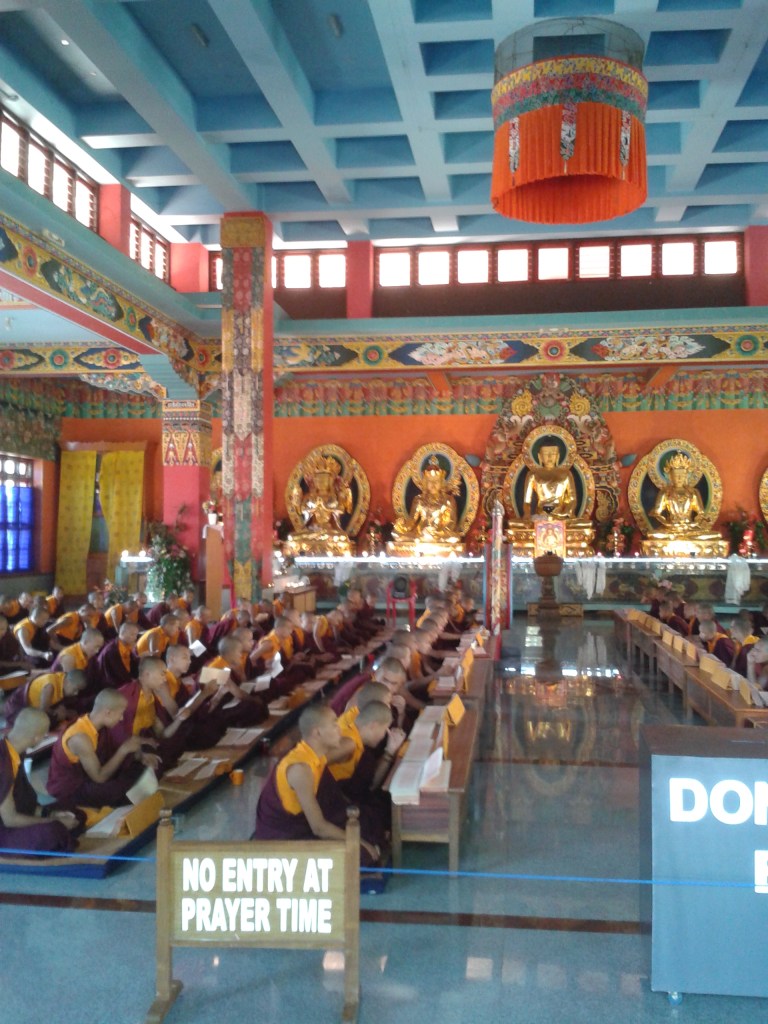
Kushalnagar is a Buddhist hub and there are many Buddhist institutions in the area. The more popular one is called the Golden Temple or Namdroling Monastery.
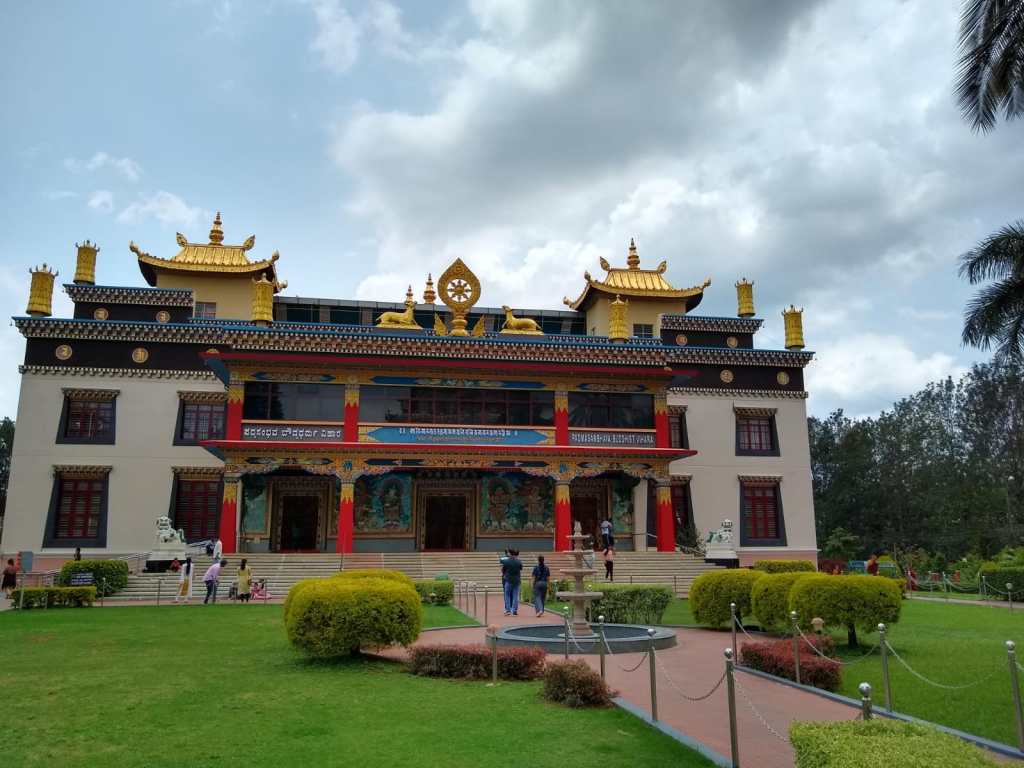
The Namdroling Monastery

More pictures from inside the monastery…

Inside Namdroling monastery

Dubare Elephant camp

Visitor interaction with elephants is facilitated in this camp located on the banks of the Kaveri river. Bathing and feeding them with sugarcane and jaggery are popular activities offered here. Elephant rides into the forest and information on elephant biology by trained naturalists are added attractions here.
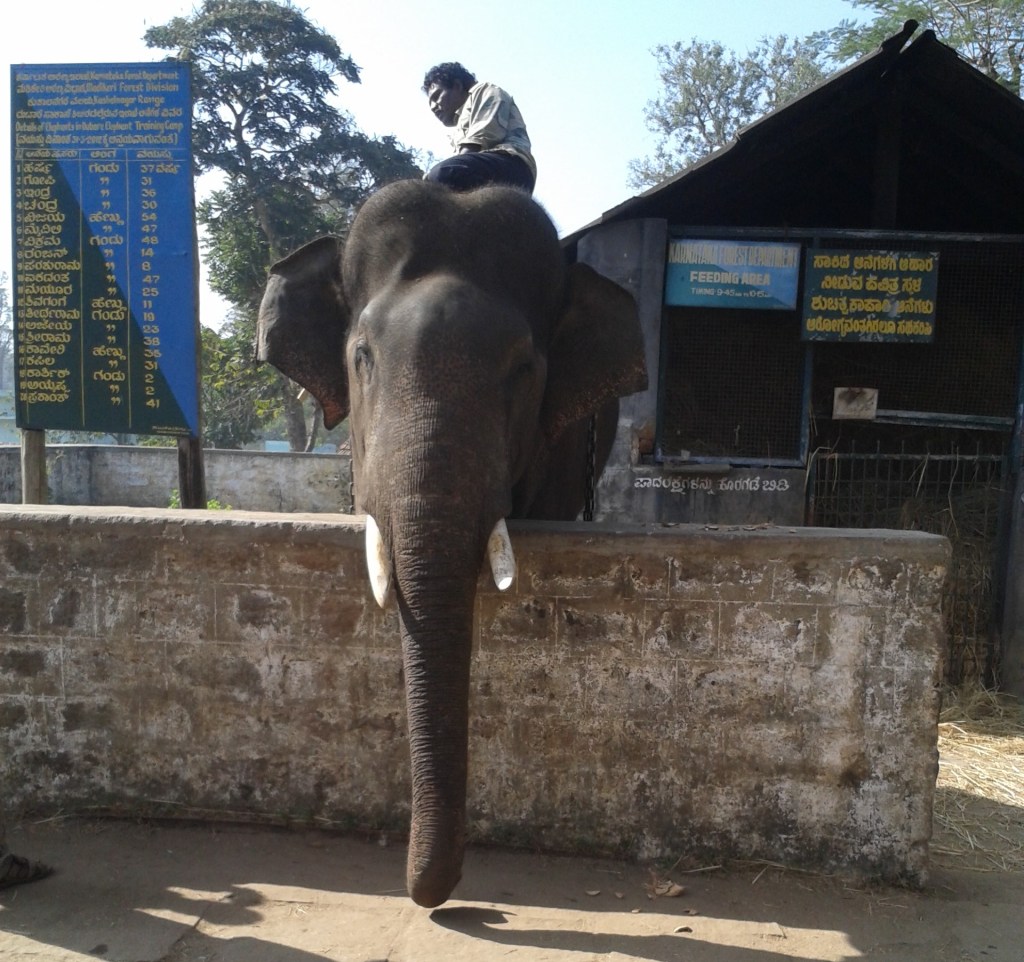
Feeding area at Dubare

Bathing elephants in the Kaveri at Dubare

Talakaveri

Talakaveri is considered the origin of the river Kaveri and hence a sacred place for the Hindus. There is a tank here which is fed by a spring that is considered to be the source of the river. A temple dedicated to Kaveramma who is worshipped by the Kodavas is located here.

Forests surround Talakaveri

The tank and temple at Talakaveri

Bhagamandala

This is a place of confluence of three rivers and is a sacred place. The Kaveri joins two smaller rivers here; the Kannike and Sujyothi. A Shiva temple next to the confluence also attracts pilgrims. Many devout perform rituals for their departed ancestors here before proceeding to worship at Talakaveri.
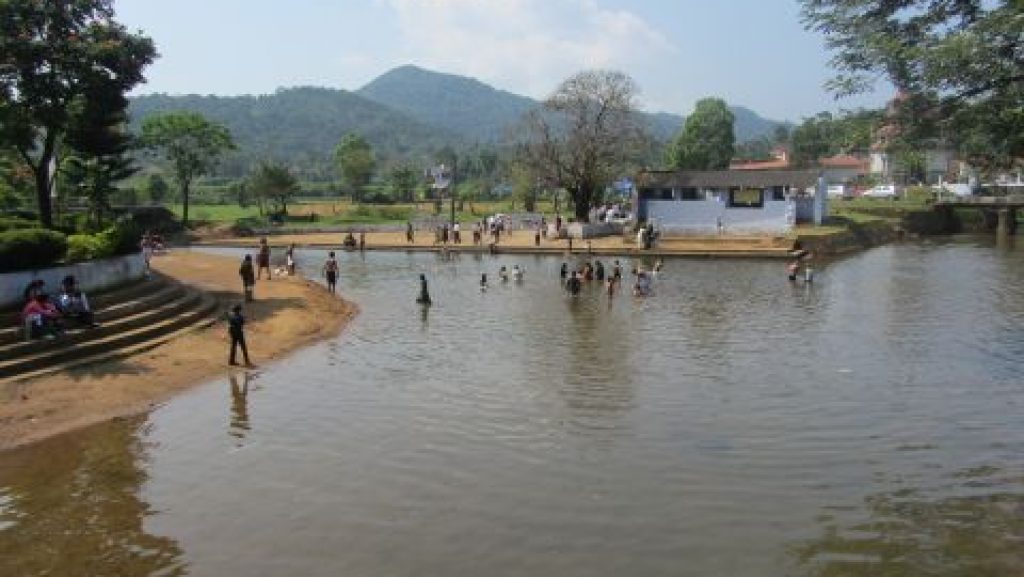
The confluence of the three rivers at Bhagamandala
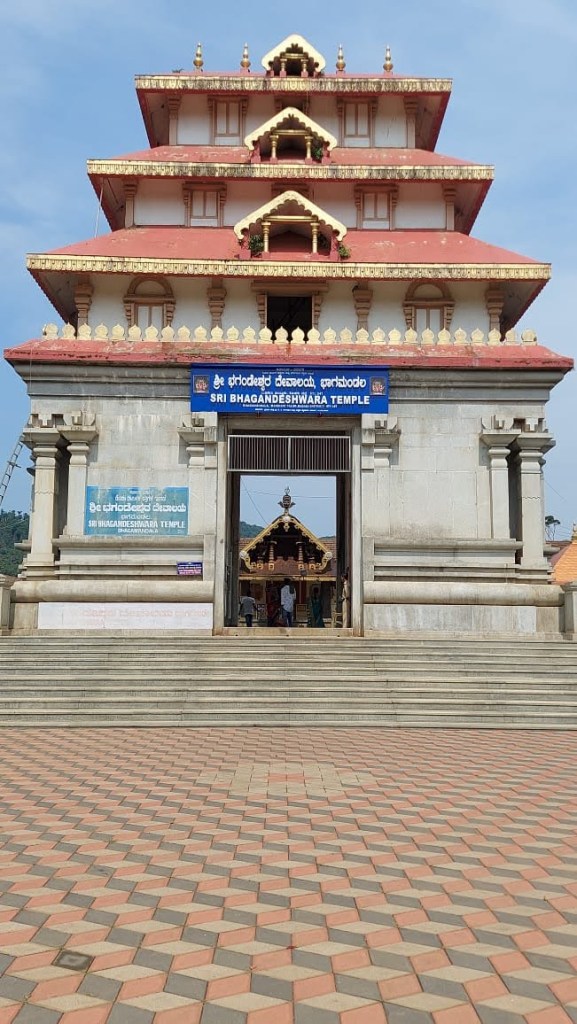
Shiva temple at Bhagamandala

It must be obvious by now that there is no dearth of interesting sights near Kodagu. I have tried to cover most of them. Hope you have enjoyed your visit to Kodagu.

Next week we move away from Karnataka to Sikkim . Till then, do comment and give your feedback.

Kodagu, the coffee cup of India

Who would not fancy a hot cup of freshly brewed coffee?

Whether you like it black , with milk or with cream ; a cup of coffee makes every morning special.

Well, today let us visit Kodagu/Coorg , nicknamed the coffee cup of India.

Kodagu lies on the eastern slopes of the Western ghats and enjoys salubrious climate almost all round the year. Kodagu is actually the name of the district and when we talk loosely about going to Coorg what we mean is go to Madikeri and the surrounding areas.

A brief on Coorg and the local inhabitants before we indulge in more coffee talk….

The original inhabitants of Kodagu were the Kodavas who were a warrior community. The British annexed Coorg and deposed the local Kodava rulers. They did help improve the infrastructure, introduced scientific initiatives in coffee farming and contibuted to the overall development but there was a lot of exploitation of the resources and man power from here. It subsequently became part of Mysore state ( now Karnataka).

The Kodavas, the original inhabitants have largely retained their cultural identity and this can be seen in their attire and customs. The sari, the traditional dress of Indian women is worn in a different style here. The men wear a knee lenth black wrap around coat called Kupya, a silk sash around the waist and typical head gear. A dagger tucked into the sash completes the attire.

The traditional attire of the Kodavas

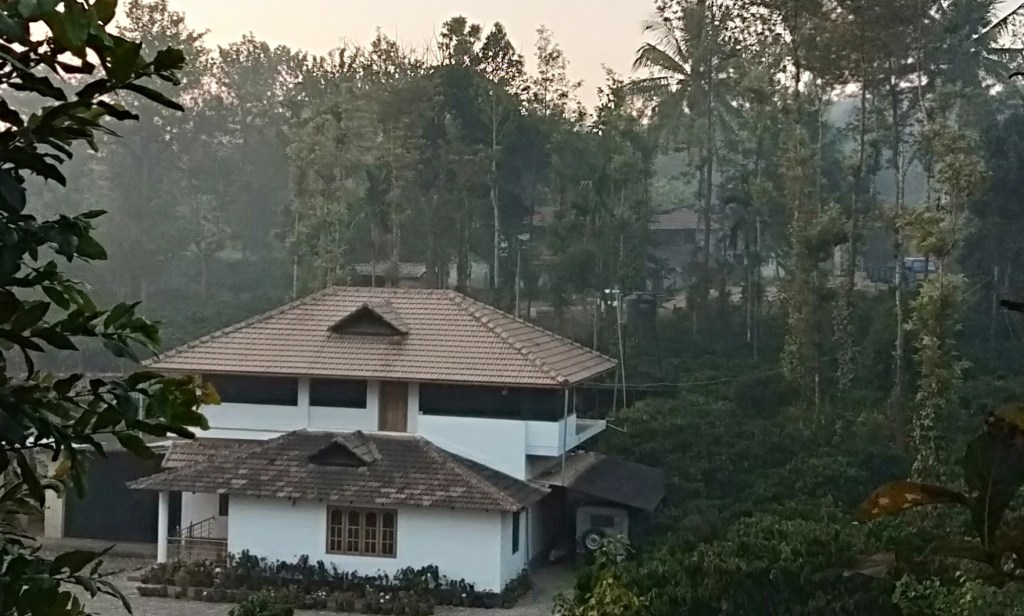
Since most Coorgi households are coffee planters, the house is inside or adjacent to a coffee estate and the harvesting and processing of coffee beans is an integral part of their lives.

A kodava house in a coffee estate

Kodavas are fond of non vegetarian food and meat ; particularly pork (pandi curry) and alcohol are served at weddings and even religious ceremonies and pujas. Traditional Coorgi food is Kadambottu or steamed rice balls served with spicy meat gravies.

Traditional Coorgi food

Coffee Talk…

Coffee was first introduced in India in the 17 th century by a saint Baba Budan who smuggled a few coffee beans during his Mecca trip and planted them at Chikmagalur in Karnataka. Both Chikmagalur and Kodagu produce most of Indian coffee today. Let us talk about Kodagu coffee…

Largely an agricultural district, Kodagu is the largest producer of coffee and pepper in India today . Cardamom, rubber, and oranges are the other important produce.

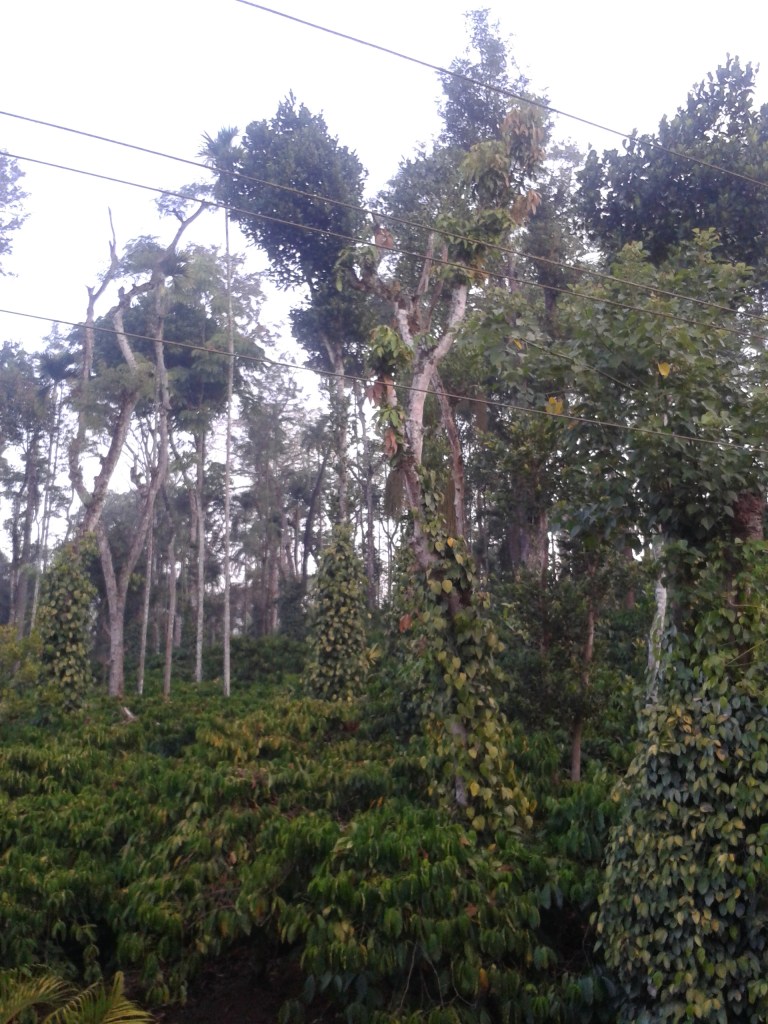
As one drives in Coorg, coffee plantations on either side of the road welcome you. Misty mornings in a breathtaking landscape of lush green hills ; Kodagu has climatic conditions ideal for coffee cultivation and that explains the vast coffee estates here. Mainly two varieties of coffee are cultivated here, Robusta and Arabica.

The coffee estates

Coffee shrubs and pepper vines

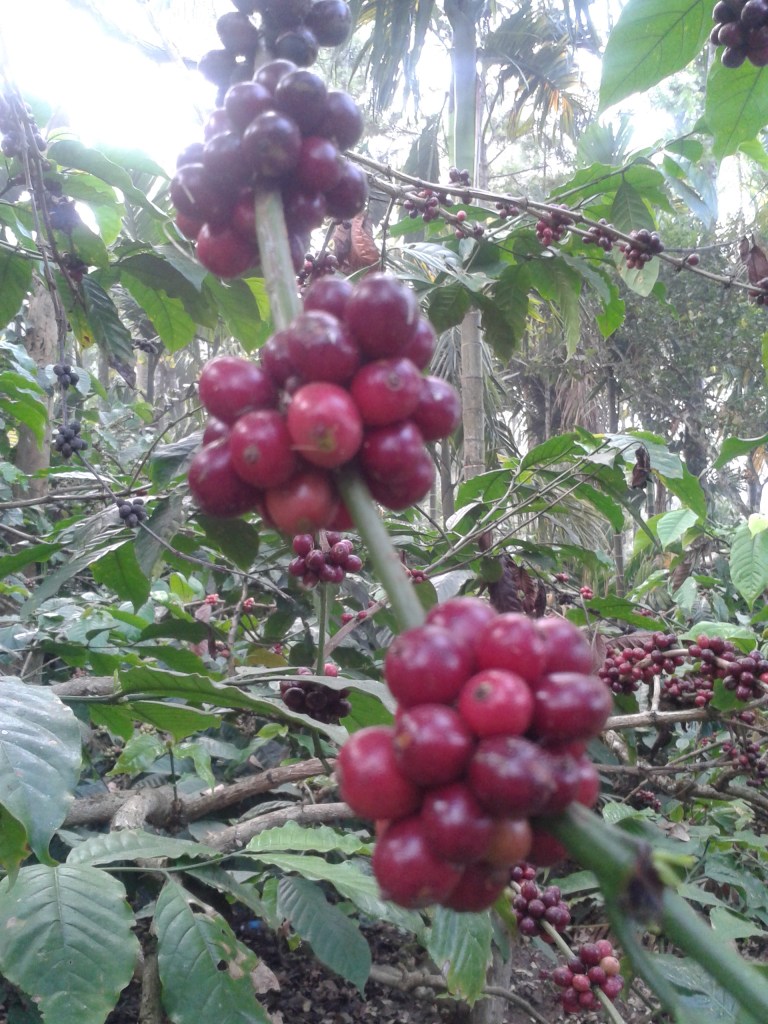
Coffee and Pepper ready to harvest

Spice shops line the road at every few metres…

Most of the homestays and hotels in Kodagu arrange for a plantation visit. That can be a different experience for the urban bred.

A coffee estate walk

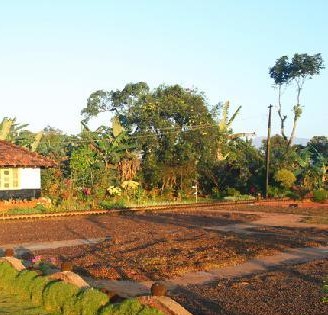
Coffee berries are handpicked as they have to be at the right stage; neither too ripe nor raw. These berries are then dried out in the sun for a couple of weeks. Then the seeds of the berries are separated by removing the skin and dried pulp.

Drying of Coffee berries and extracted beans

The seeds are then stored after grading. Before use, the seeds are roasted and powdered to get you the filter coffee powder available in the market.

Many of these stages are automated by the large coffee cultivators while the smaller farmers use traditional methods. Fermenting the coffee bean and roasting are the two stages which can alter the aroma and flavour of your next cup. So these are carefully monitored.

Cuppers….

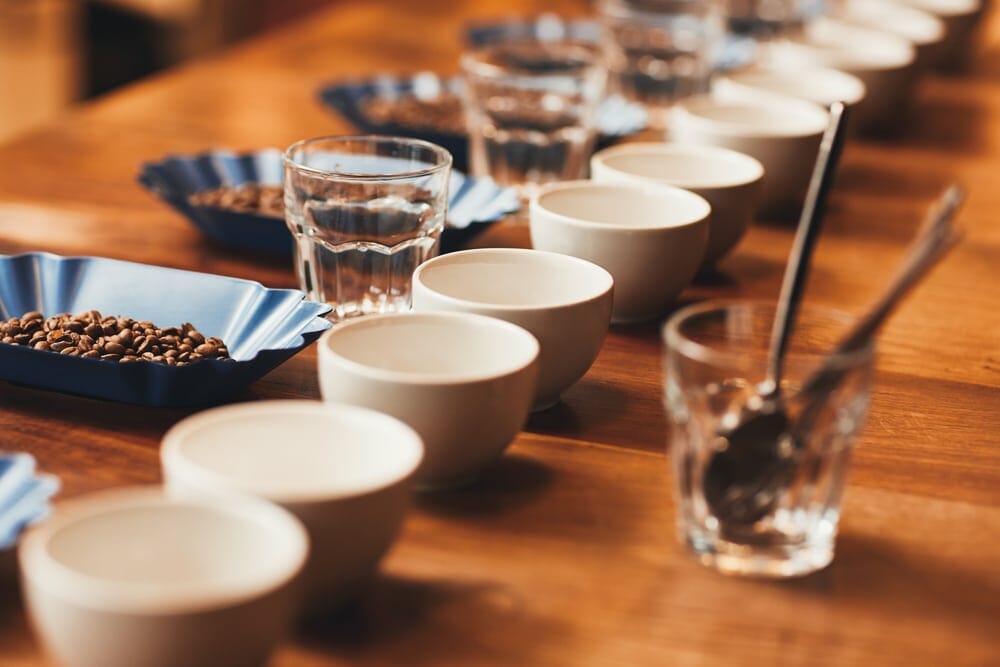
Coffee tasters also called cuppers play a role in determining the taste and flavour of your next cup. The cupper assesses the quality of beans, then “noses” the brew for the aroma. The actual step of tasting begins with the cupper slurping a spoonful of coffee spraying it all over his tastebuds before spitting it out. Difficult to accept , but expert cuppers taste hundreds of coffee varieties a day and still tell the subtle differences!! After all this, I really wonder if the cupper can enjoy his actual cuppa like you and me??

A cupper’s work table

To brew the coffee we buy from the market, in traditional south Indian style, we use a coffee filter. The coffee powder is placed in the filter and hot water is passed through it to extract the flavour. The decoction is then had diluted as black coffee or added to boiled milk to get a cup of freshly brewed filter coffee . Automatic coffee brewing machines are now available of course!

Instant coffee powders are made industrially using various steps.

A traditional coffee filter used at home and an automated filter

And that explains the journey of the coffee bean from birth till it comes to you in a cup as coffee…

Well, I hope you enjoyed the journey of the coffee bean just as you do your morning cuppa!!!

Delving more deep into Kodagu, next week we visit some of the interesting sights around Madikeri. Till then, enjoy your coffee… but don’t forget to give your comments and feedback…