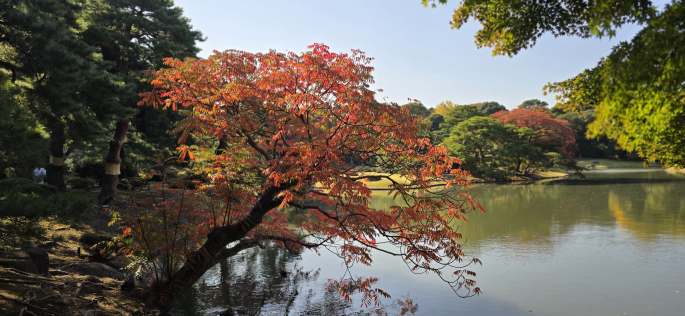
Our second day at Tokyo saw us visiting the Rikugien garden also called the Zen Garden.
Rikugien Garden
One of Tokyo’s most beautiful strolling gardens, it is a tranquil garden with a central pond, walking paths and iconic bridges representing scenes from Japanese poems. It is an ancient garden created in 1700 and offers visitors a feast of colours in all seasons. During spring, the cherry blossoms are all in bloom giving the entire garden a pinkish hue. In autumn, there is a myriad of colours leaving you mesmerised.
Night views with illumination are also organised during special occasions.
Some pictures…
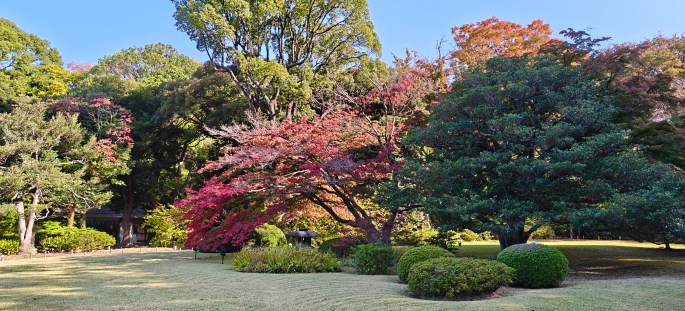
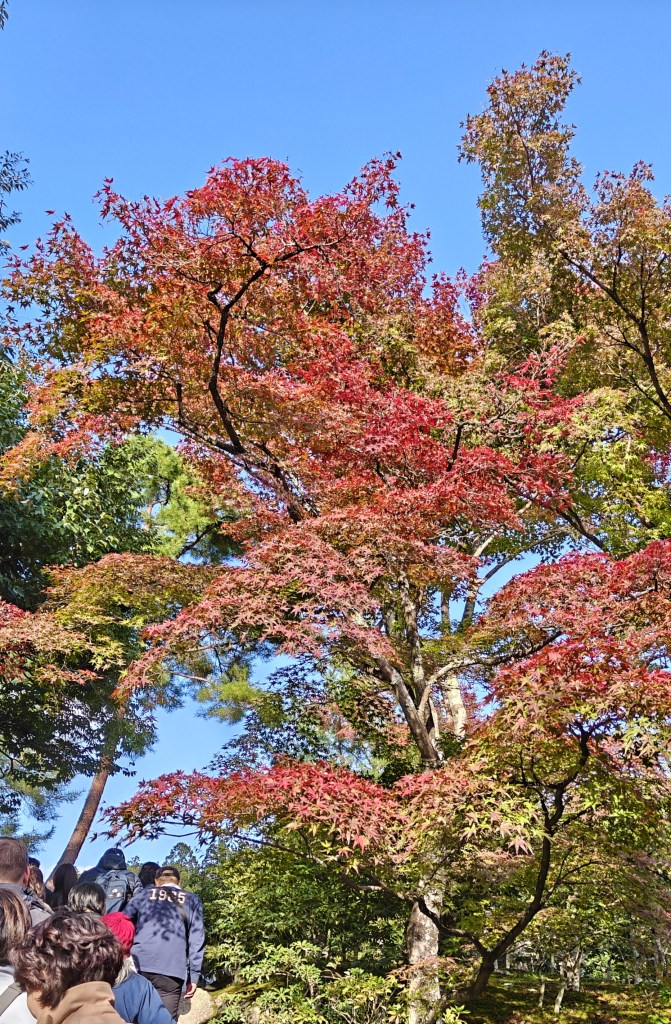
The autumn colours were just starting at…Rikugien
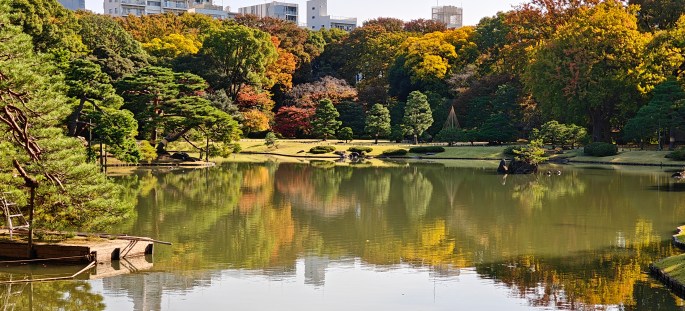
The central pond with the reflection of the trees
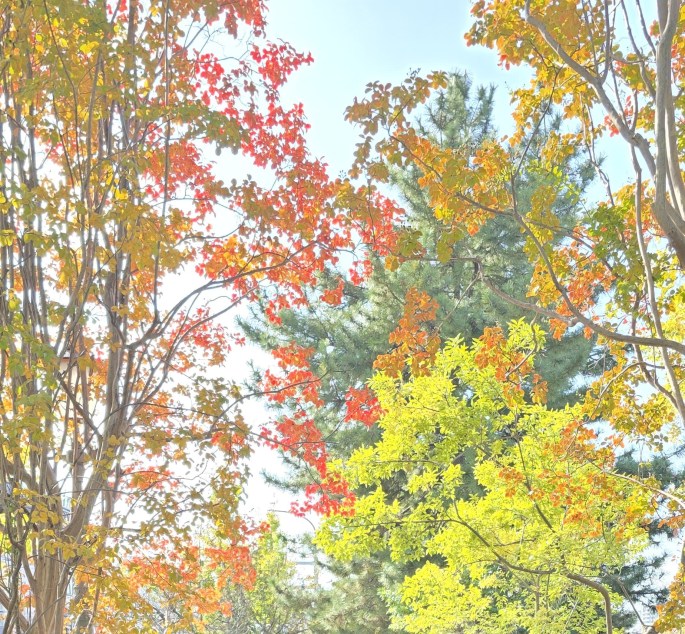
The bright colours of autumn
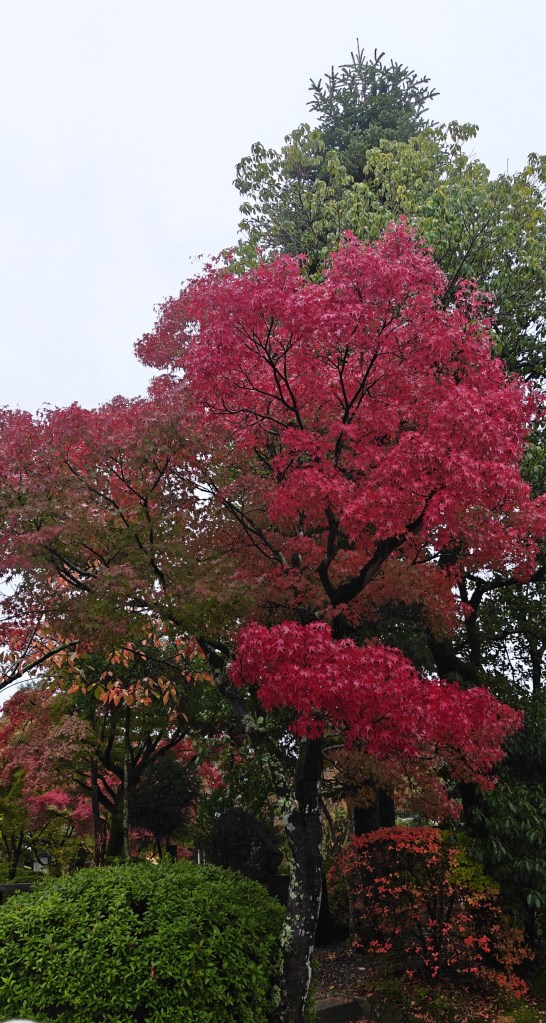
More colours….
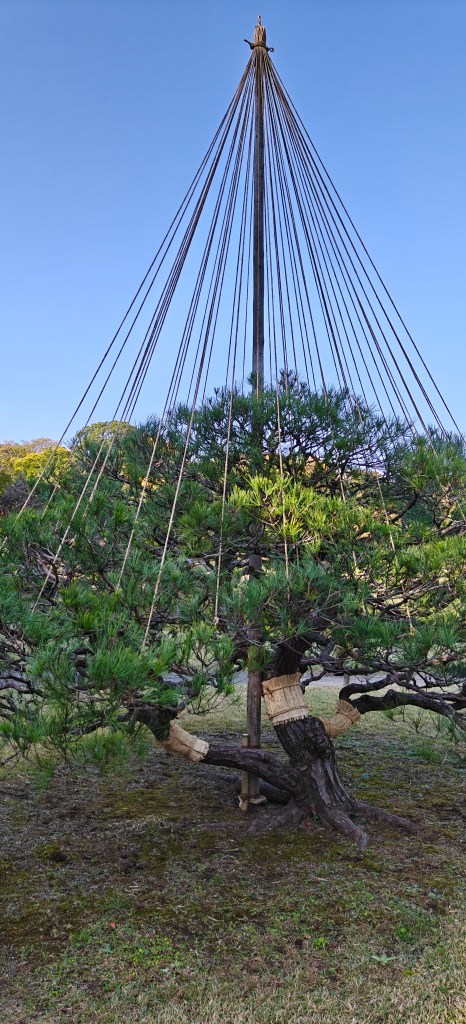
The grooming of a tree
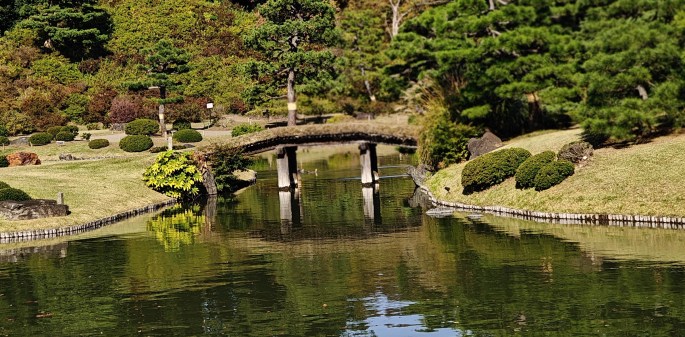
An antique bridge adds to the beauty
After those amazing autumn colours at the garden, we proceeded to the Meiji-jingu shrine
The Meiji Jingu shrine
This shrine is peculiar in that it is dedicated to the deified spirits of Emperor Meiji and Empress Shoken ; the first Emperor and Empress of modern Japan. However, the Emperor’s grave is not located here but in Kyoto. It was built between 1920 and 1926 and lies in a man made tranquil forested area with gardens and long walking tracks in the midst of the Tokyo hustle.
Shinto is the original Japanese religion with no founder, no holy book but values harmony with nature and a true sincere heart. They believe anything divine is Kami (spirit).
The tranquil surroundings of the forest were really appealing in spite of the crowds.
In less crowded times; it would be a very meditative experience…..my thoughts as I walked along…
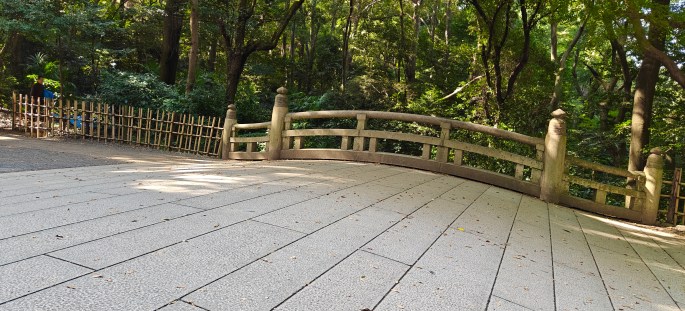
A traditional bridge in tranquil surroundings
Chrysanthemum is the national flower of the Japan and the symbol of the Imperial family . A beautiful display of Chrysanthemum flowers and bonsai trees greeted us to the shrine.
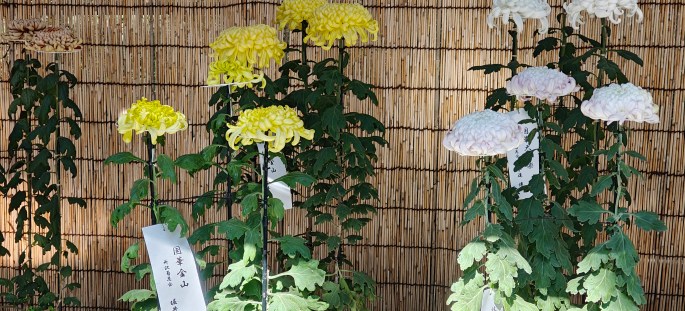
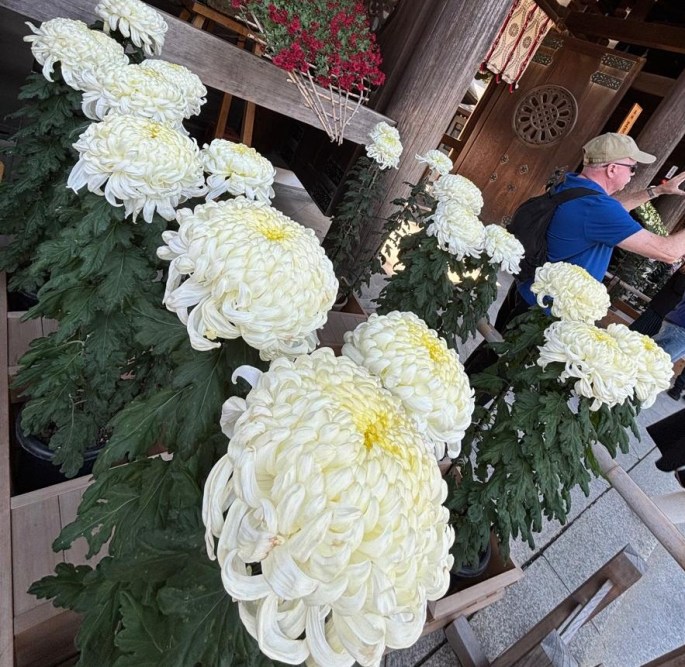
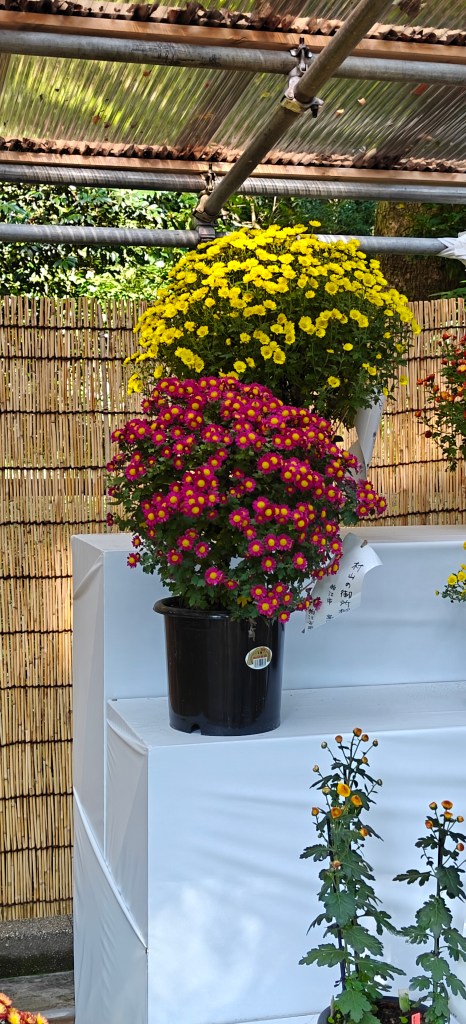
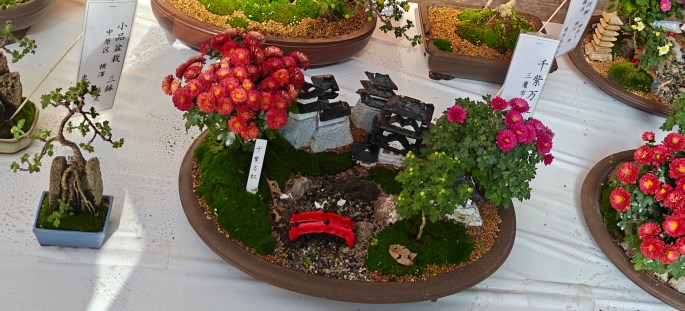
The Chrysanthemum and bonsai display
One of the unique features of this shrine are the barrels of wine and Sake displayed decoratively.
Along the pathway on one side are displayed wine barrels. Emperor Meiji loved French wine and encouraged the adoption of western cultures in the Meiji period when Japan started getting modern. Barrels of French wine were donated and is still offered at the temple.
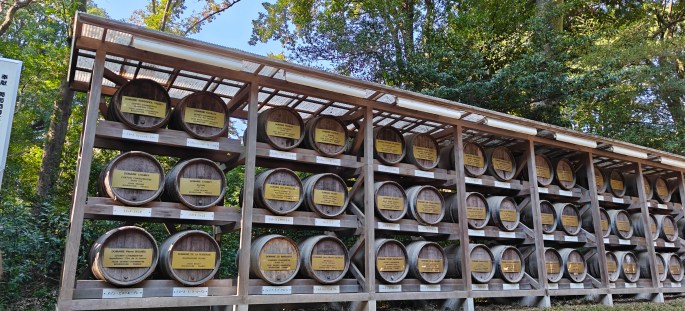
Wine barrels with the donor’s name
On the opposite side , parallel to this are displayed decorated Sake barrels.ake plays a very important role in Shinto . Emperor Meiji encouraged technological advancements in all areas including sake production. The barrels displayed here are empty and are offered along with sake in bottles as a token of gratitude by brewers.
The juxtaposition of traditional Sake with modern Wine is symbolic of the adoption of modern while retaining the traditional; an approach adopted by Japan in the Meiji period
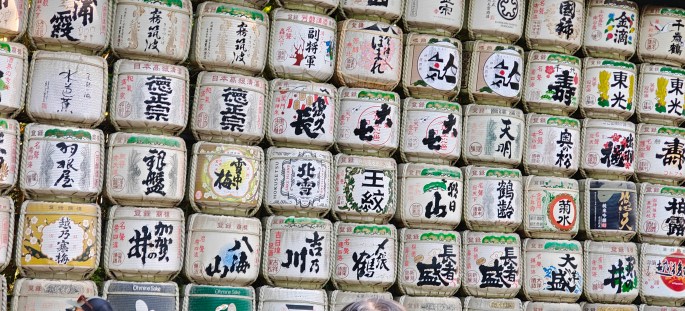
Sake barrels
Walking along the gardens one reaches the Tori gate that mark the entrance to the sacred area of the temple. The Tori gate has Chrysanthemum crests which signify the connection of the royal family with Meiji-Jingu.
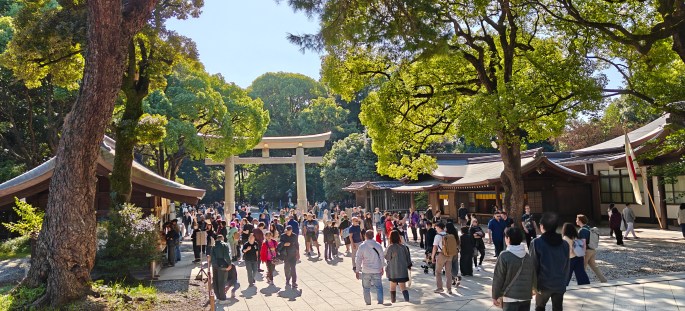
Tori gate with chrysanthemum crest
An open courtyard lies ahead of the gate
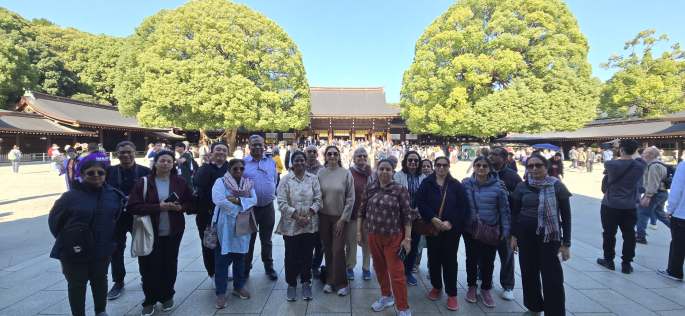
A group picture in at courtyard leading to the main shrine
A Temizusha or purification area where one can wash one’s hands and mouth to purify oneself before visiting the shrine greets us here.
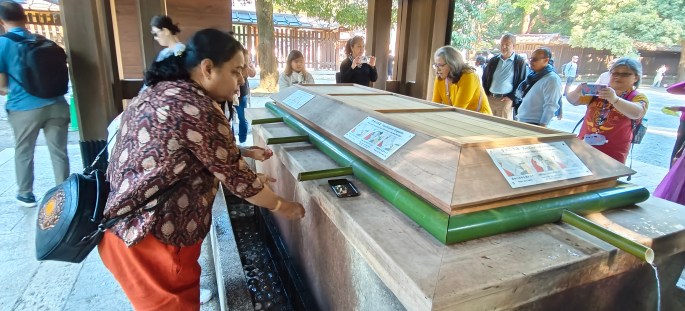
The Temizusha
Next is the Minami Shinmon or the main gate which is a grand, traditional wooden gate of impressive size, featuring ornate details, a teal roof, and marking the main entrance to the inner shrine area.
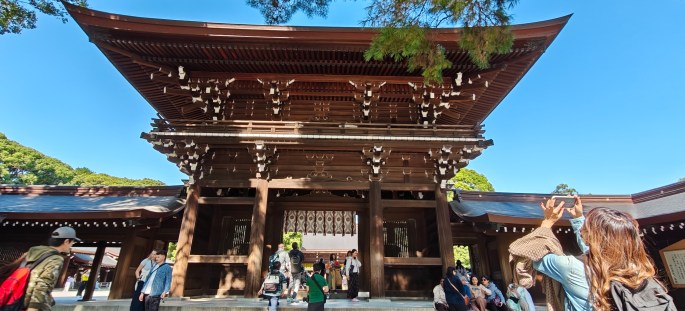
Minami Shinmon
Two large camphor trees…the husband and wife trees stand in the foreground of the main shrine. linked by a rope symbolising happy marriage.
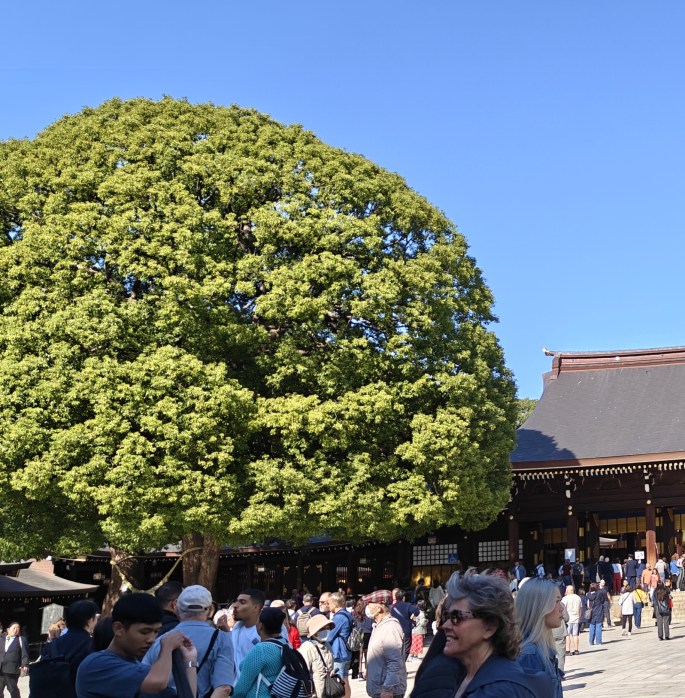
The husband and wife camphor trees bound by a rope
Ema or wooden plaques where one can write one’s wishes or feelings of gratitude are available and many locals tie it around the tree.
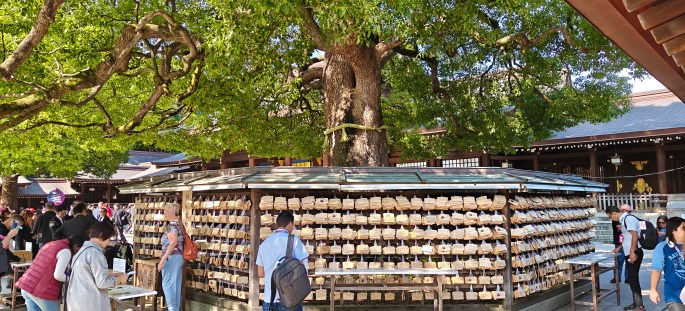
Ema or wish amulets
That led us to the ornate main shrine. The intricate designs and architecture of this structure is strikingly similar to many Hindu temples of Kerala.
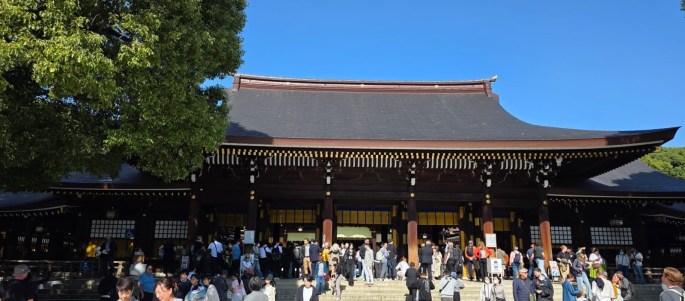
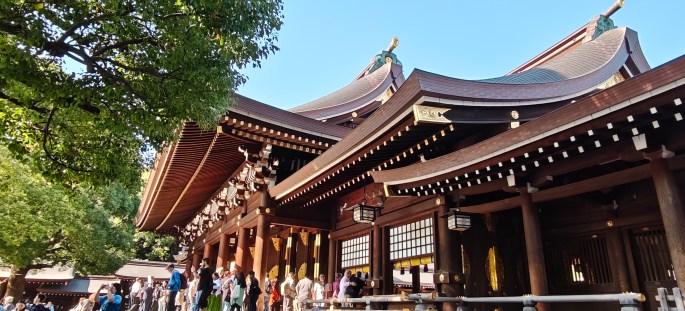
The main sanctuary with beautiful architecture
After this cultural treat, we headed to a Japanese restaurant for lunch. More on that later….
Post lunch we headed to the Skytree, the towering icon of Tokyo
Tokyo Skytree
This is a broadcasting and observation tower located in Tokyo. At 634 mts., it is the tallest tower in the world. The older Tokyo tower no longer gives digital broadcasting coverage as it is surrounded by high rise buildings.
The base of the tower is shaped like a tripod but from a height of 350 mts, the structure is cylindrical and gives panoramic views of the city and the Sumida river. There are two observatories at 350 mts and 450 mts height. There is a glass skywalk that gives a direct view of the streets below.
A view of Mt Fuji from this tower is a coveted sight on clear days.
Some pictures…
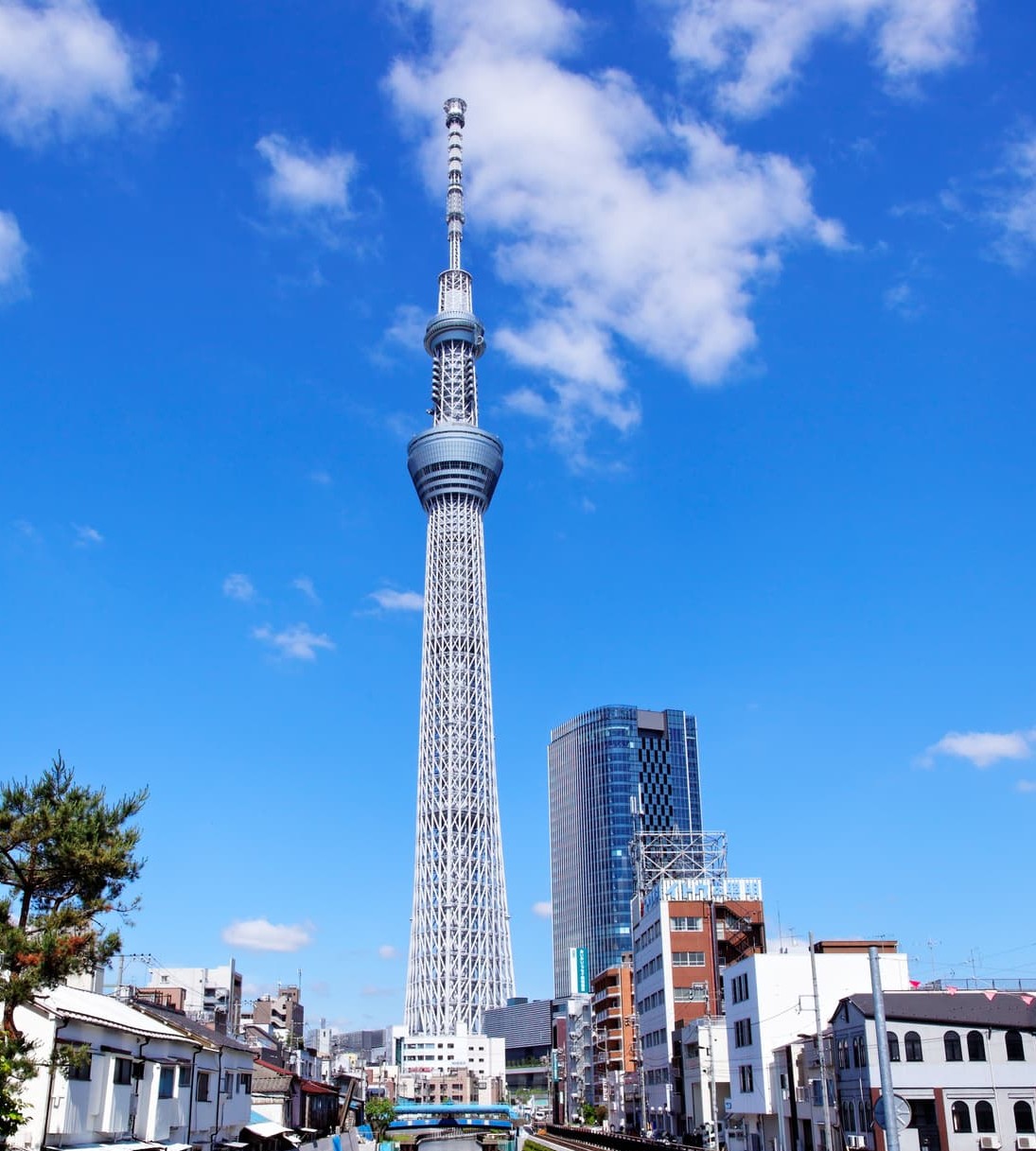
The Sky tree
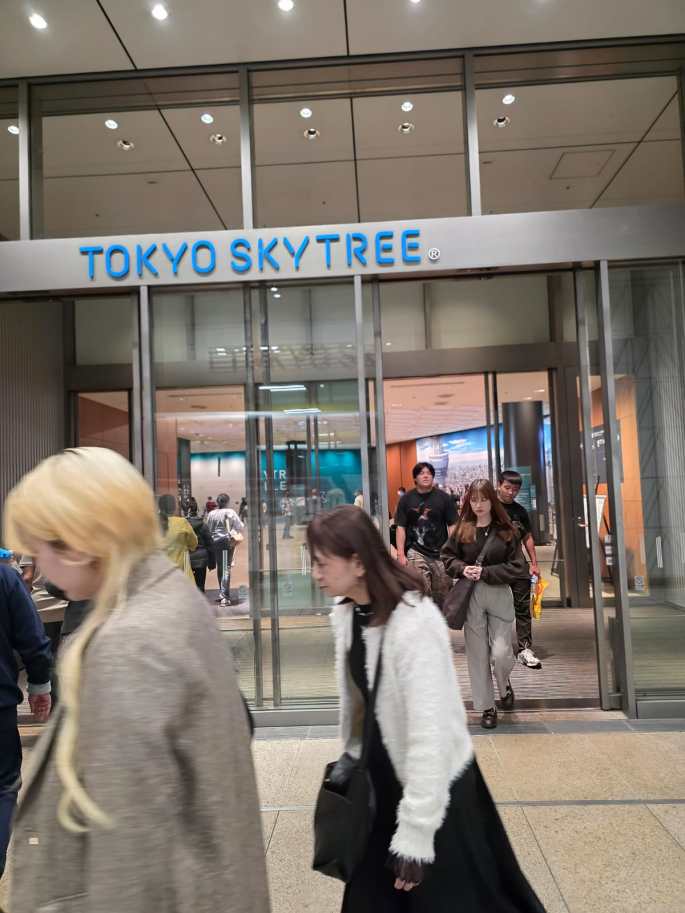
Entrance to the Skytree
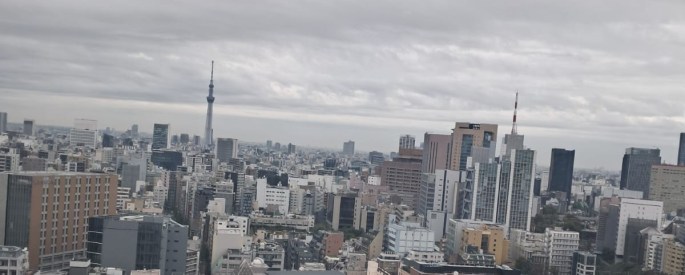
Sky tree and the old Tokyo tower as seen from our hotel
Four ultra speed elevators takes us to the Tembo deck which is the observatory . These lift decorations feature the four seasons and operate at 600mt/minute speed. It reaches the deck in about 50 seconds.
The lift reaching the deck as shown on a video inside the elevator.(click on video)
The Tembo deck or observatory is circular and has large glass panes around providing views all round. A part of the deck has glass floor which gives views of the steel framework and the street below. At various points along the circumference are signboards guiding us to the important landmarks visible from that direction.
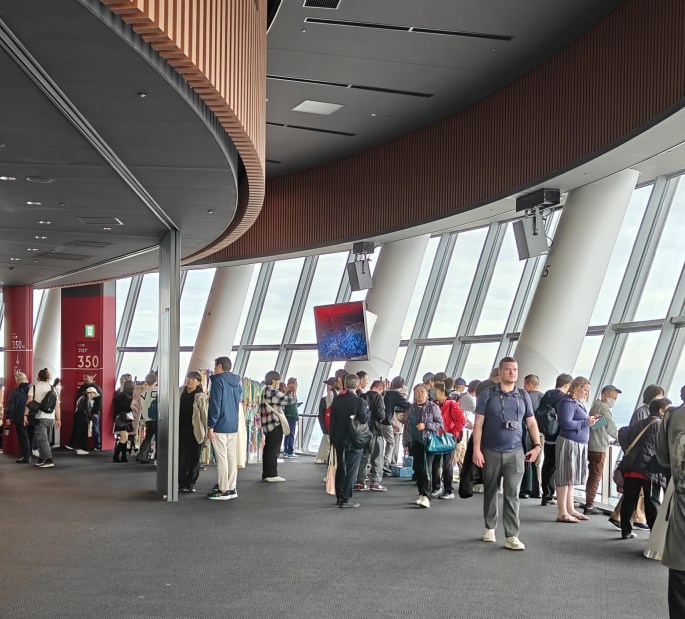
The Tembo Deck
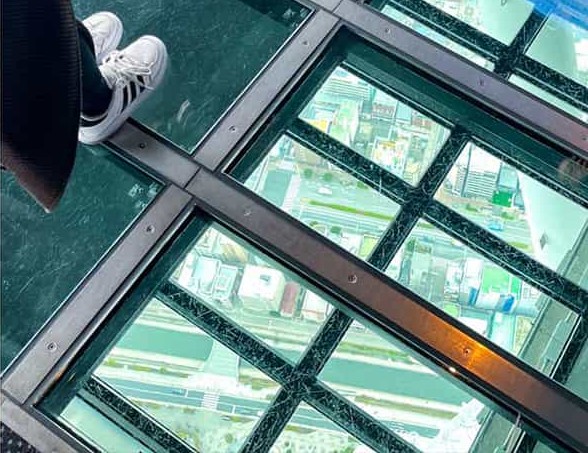
Glass floor
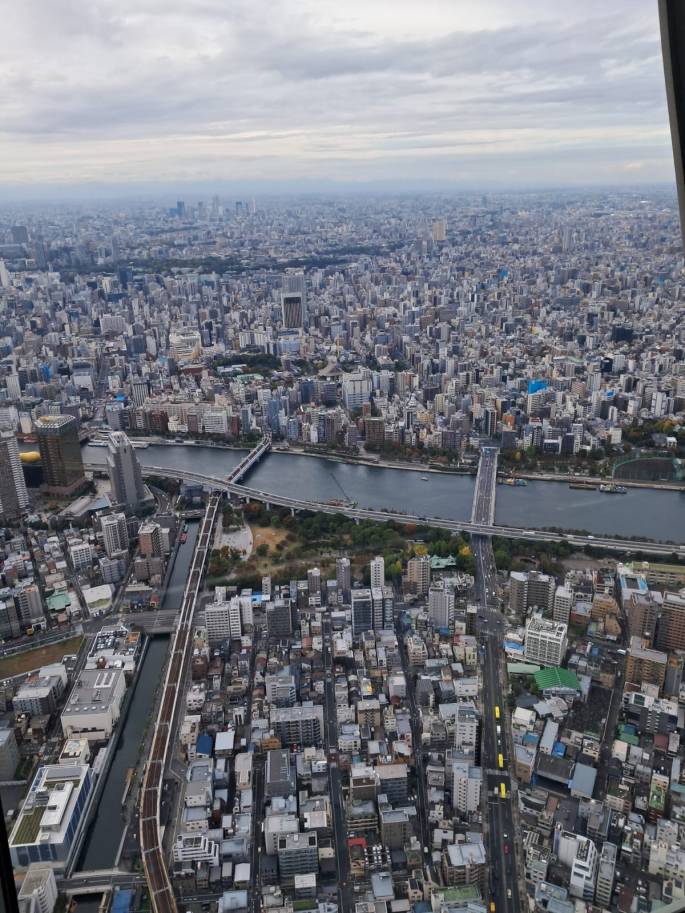
Views of Tokyo city and the Sumida river from the deck
Sky tree provides views of Mt Fuji on clear days. Unfortunately it was hazy when we were at the sky tree. However we got a fleeting sight as the clouds decided to grace us!!
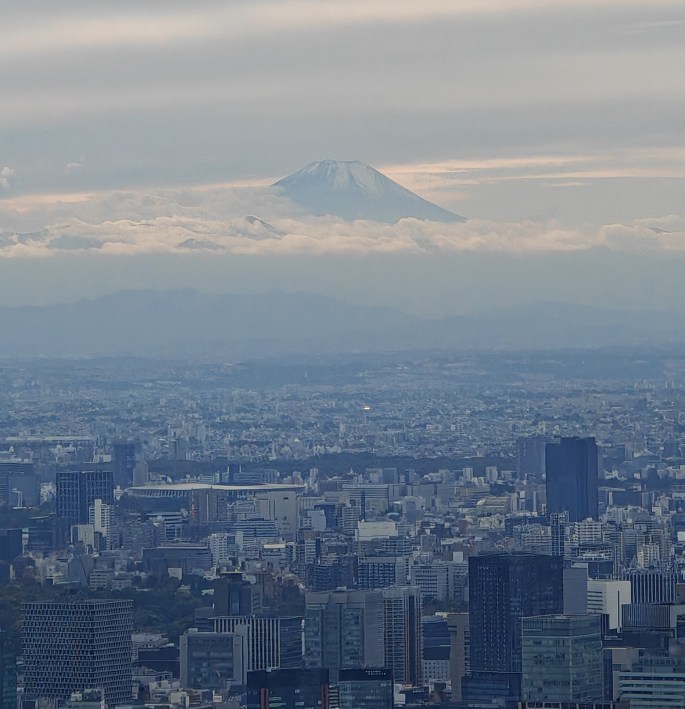
Blessed with a fleeting view of Mt Fuji as the clouds cleared.
A cafe and souvenir shop also function here.
Evenings see the Sky tree illuminated in various hues. …Iki, Miyabi and Nobori themes. The Iki theme is the water theme in tribute to the sumida river and has the central tower in faint blue.
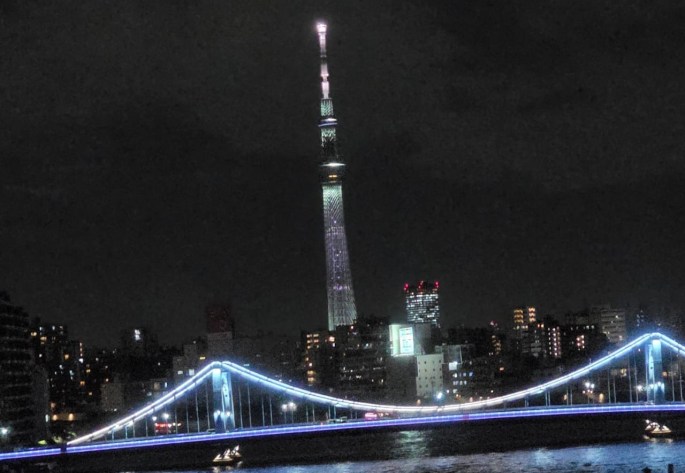
The sky tree illuminated in Iki theme
From here we headed back to our hotel for dinner and rest . Next day we were to head for Yamanashi for Mt Fuji views.
It must be amply clear by now how Tokyo truly amalgamates the ancient and the modern.
See you next week from Mt. Fuji. Till then, do subscribe, like and comment.
 Travel-along.in