This was essentially our first trip to NorthEast India. A trip to Kalimpong, Gangtok and Darjeeling. Our first halt was Kalimpong, a tiny hillstation in West Bengal. After taking a flight from Chennai, we landed at Bagdogra airport one noon. We were picked up by our tour operator and driven down to Kalimpong.
Just after leaving Bagdogra airport, we passed through the town of Siliguri and then on , we were on to some beautiful scenery. The drive was through tea gardens for the major part. The peculiar thing here is the presence of tea gardens on flat land. Down south, all our tea gardens are on hill slopes; not so here.
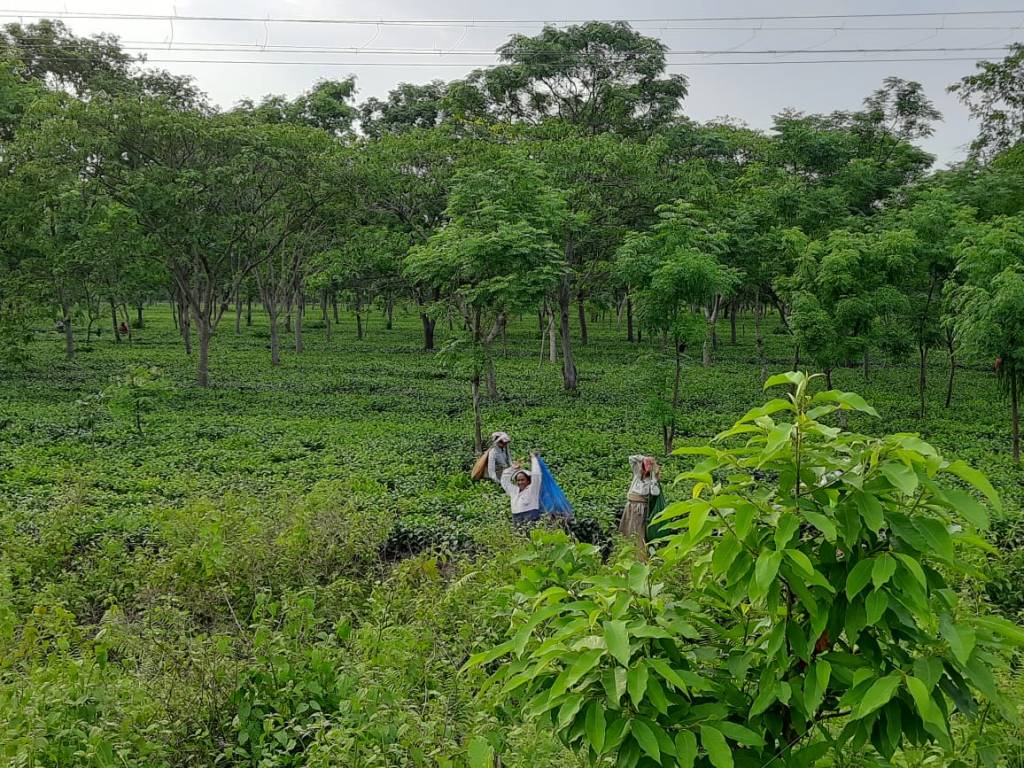
Tea Gardens
Gradually we were climbing up and we could feel the chillness set in as the altitude increased. Finally, we reached our hotel in Kalimpong by evening and rested for the evening.
Kalimpong
Kalimpong is a tiny hillstation at the foot of the Himalayas in West Bengal with salubrious climate. It is famous for it’s Buddhist monasteries , Tibetan handicrafts and local flowers. It offers great views of the Himalayas and the Teesta Rangit valley of Sikkim.
We woke up to a beautiful sunrise over the Himalayas .

Sunrise over the Himalayas
After breakfast we were picked up on a sightseeing trip of Kalimpong.
Our first halt was at Durpin hill which has the famous Tibetan monastery Zang dok Palri monastery. It is one of the largest and oldest monasteries in Kalimpong and houses beautiful paintings and scriptures.It has nine stupas or chortens in the courtyard.


The Monastery and the nine stupas
From there we visited one of the beautiful flower nurseries of Kalimpong. The cactus varieties and their unique flowers were truly enchanting. Some pictures…
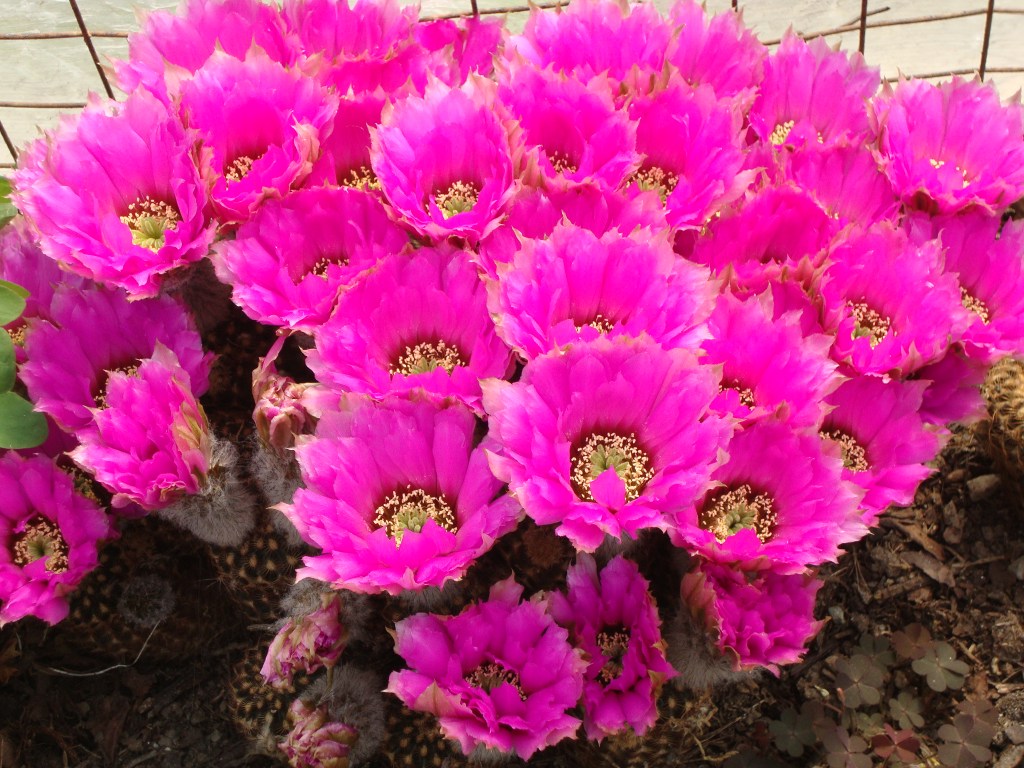
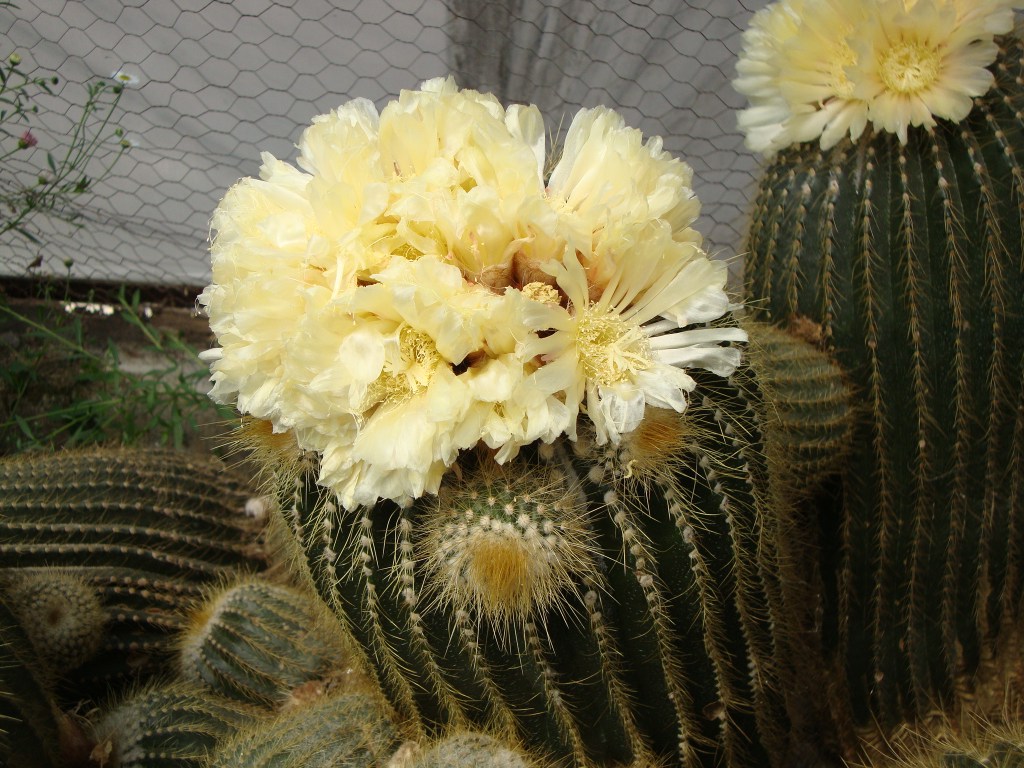
Beautiful Cactus flowers
Sikkim
After lunch, we drove down from Kalimpong to Gangtok (capital of Sikkim), a distance of little more than 70 kms. Though the distance is less, the road follows a hilly terrain and it was evening by the time we reached Gangtok.
Sikkim is one of the smallest states in India but houses 84 glaciers making it the state with maximum glaciers.
The views enroute were really beautiful , particularly the Teesta river.

The hilly terrain

The Teesta River
Gangtok
This city in the eastern Himalayas ; capital of Sikkim is a prominent Buddhist pilgrim centre. Sikkim was a monarchy when India became independent but subsequently merged with India in 1975. Gangtok was on the trade route with Tibet and flourished through the Nathula and Jelepla passes. However, these passes were sealed after the SinoIndian hostilities leading to the decline of it’s importance. Subsequently the Nathula pass was opened for limited trade in 2006.
The city lies on the lower Himalayan ranges at a height of 1650 mts on a hill side and as such is prone to landslides. Roads are on steep inclines and houses built along the sides making it inevitable to have steep steps for reaching the buildings. It also lies on an earthquake prone zone surrounded by dense forest cover which acts as an impediment to growth of the city.

Gangtok, the city on a hillside
The upper parts of the city have alpine vegetation which gradually changes to temperate as one comes down in altitude. Bamboo is found in plenty. Sikkim is famous for it’s orchid varieties too.
The most happening place in Gangtok is the MG road and Lal Bazar. It is a pedestrian promenade with no vehicular traffic and dotted with shops on either side.


Lal Bazar , the main shopping promenade
We visited Gangtok in April and that was the time of the flower show there. Orchids dominated the show. Some pictures..
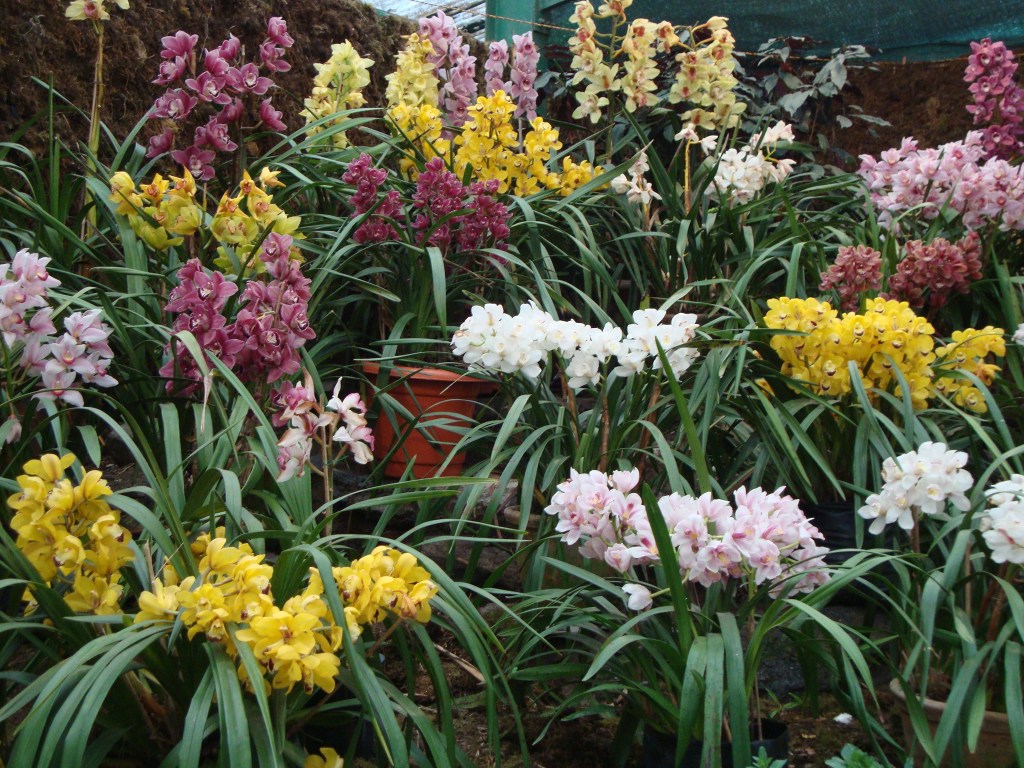


A variety of Orchids
Rumtek Monastery
This is the largest Monastery in Sikkim and is the seat of the Karmapa who fled from Tibet to Sikkim. Also called Dharma Chakra Centre, it has typical Tibetan architecture and houses many monks who perform various ritual practices.
The interiors are colourful and have several relics. Some pictures..
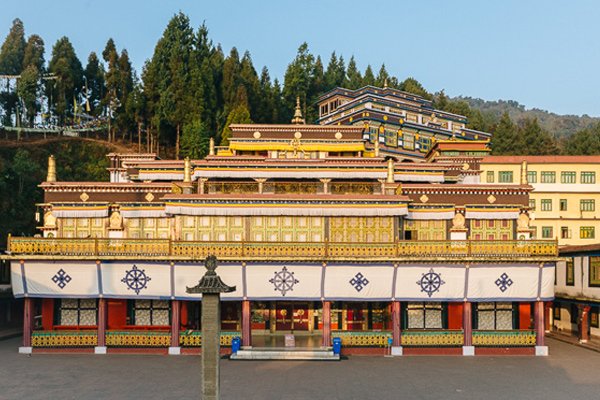
Rumtek Monastery


The colourful interiors of the monastery
Tashi Viewpoint
Our next halt was at Tashi View Point. This charming place is a perfect place to witness the brilliant surroundings like mountains, valleys and Gangtok itself.
Great views of Mt. Kanchenjunga can be enjoyed from here. It is ideal to come here for sunrise as the different hues of colour reflect on the peak. Some pictures…
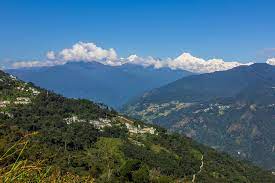
Mt. Kanchenjunga from Tashi
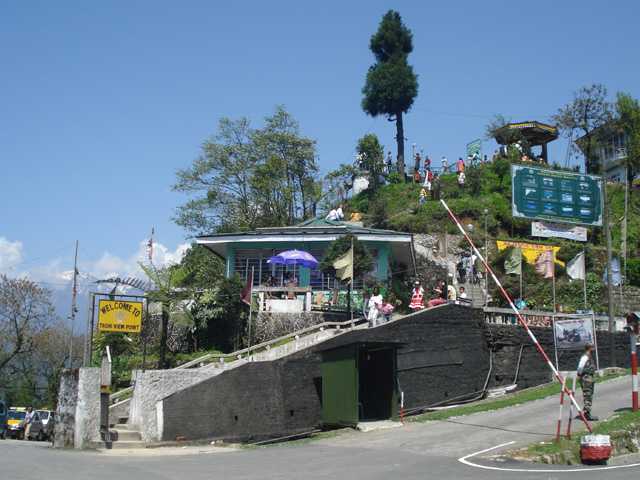

Tashi View point
The next day was the highlight of our tour to Sikkim. The visit to the Tsomgo Lake
Tsomgo Lake
40 Kms from Gangtok on the Gangtok – Nathula highway is this beautiful glacial lake which is also called Changu Lake. The road to Nathula pass literally surrounds some parts of the lake. Since the border with China is just 5 kms away, this area is under army surveillance and we find lot of army personnel here. Due to this, visitors to Tsomgo Lake require to take prior permission by submitting identity proof. This is checked at entry and marked again while leaving.
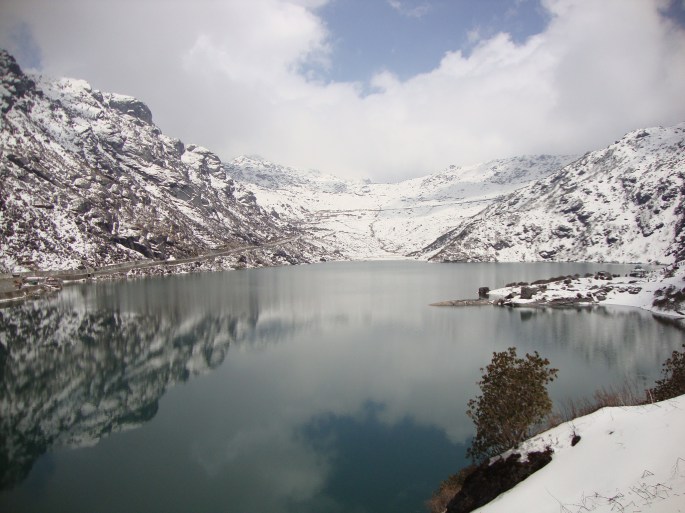
Located at an elevation of 3700 mts, the lake remains completely frozen in winter. The lake is surrounded by snow clad mountains which melts in summer to form the source of the lake. By May when the winter ends and the ice melts, there are beautiful Rhododendron flowers along the edge of the lake. We were a little too early for that!!

Rhododendrons
The Tsomgo lake is host to a number of migratory birds prominent among which are the Brahminy ducks. The migratory birds use the lake as a stopover on their way to the Indian plains from as far as Siberia during the winter months.
Tsomgo is believed to be sacred by Buddhists and Hindus and is shrouded in myths, beliefs and faith. Local legend has it that in ancient times, the Buddhist saints used to predict the future by observing the changing colour of the lake; a dark, gloomy tint told of difficult times and unrest in the region.
The Jhakris or faith healers of Sikkim attribute healing qualities to the water of this lake. Yak rides are an added attraction here.
The trip to Tsongmo was a rather jerky one, I must admit. Due to the extremely hilly terrain, the roads are winding up hill slopes and it is uneven and many places there were blocks due to rocks and boulders falling on the road. The road climbs 7500 ft within a span of 35 kms making it one of the steepest inclined roads.The drivers here are experts, and they literally take you on the edge of a ledge with a ravine below. All in all, it was a risky ride. That is probably the reason, that the vehicles move in a convoy .

Our convoy to Tsomgo
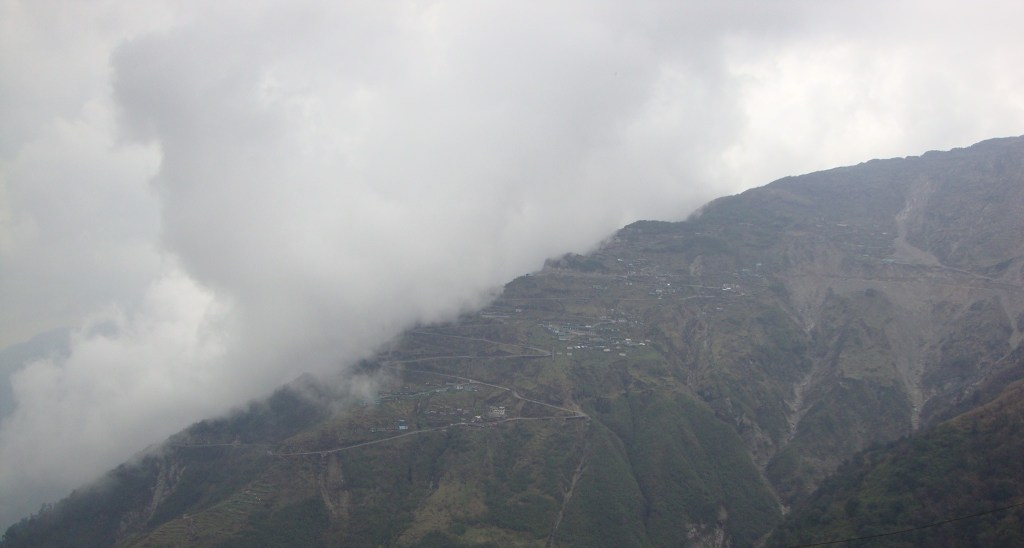
The winding roads…
There were waterfalls along the way…

A waterfall on the way
But at the end of it, the views were awesome!!!

A signboard explaining the sanctity of the lake
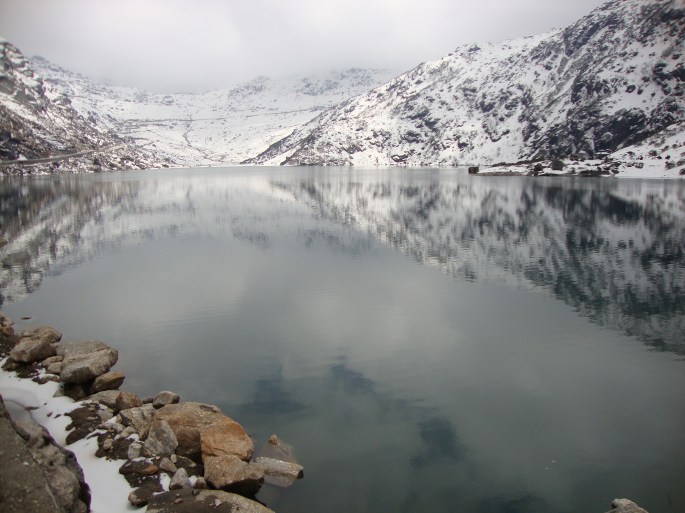
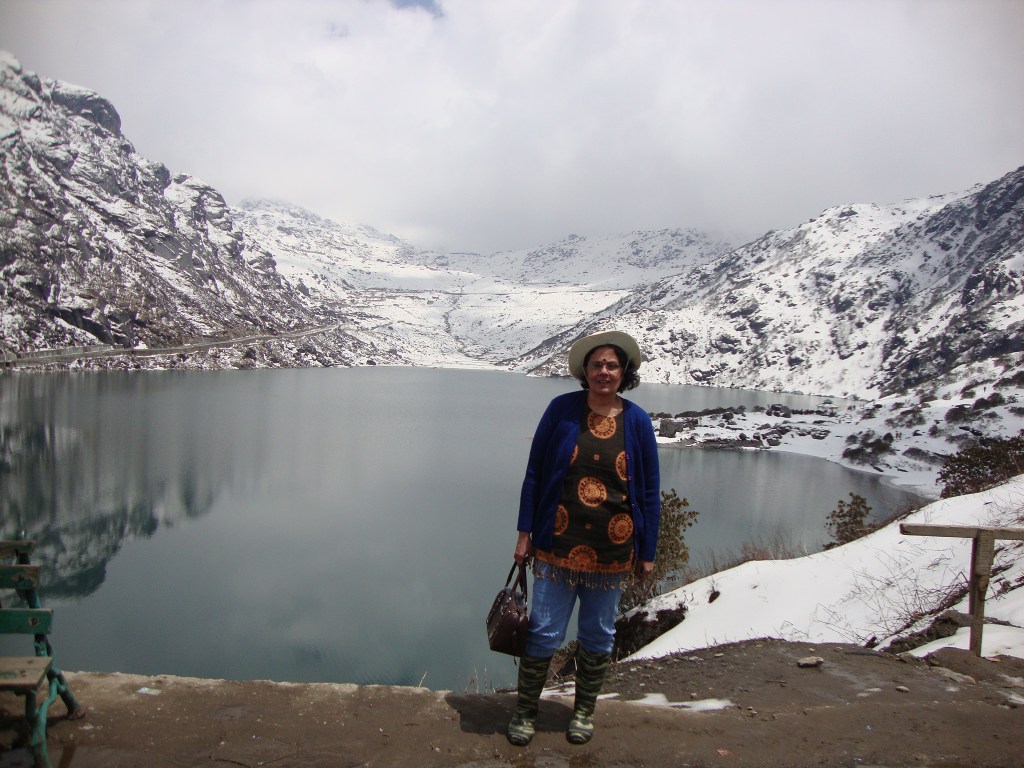
Tsomgo lake and the reflection of the Himalayas…
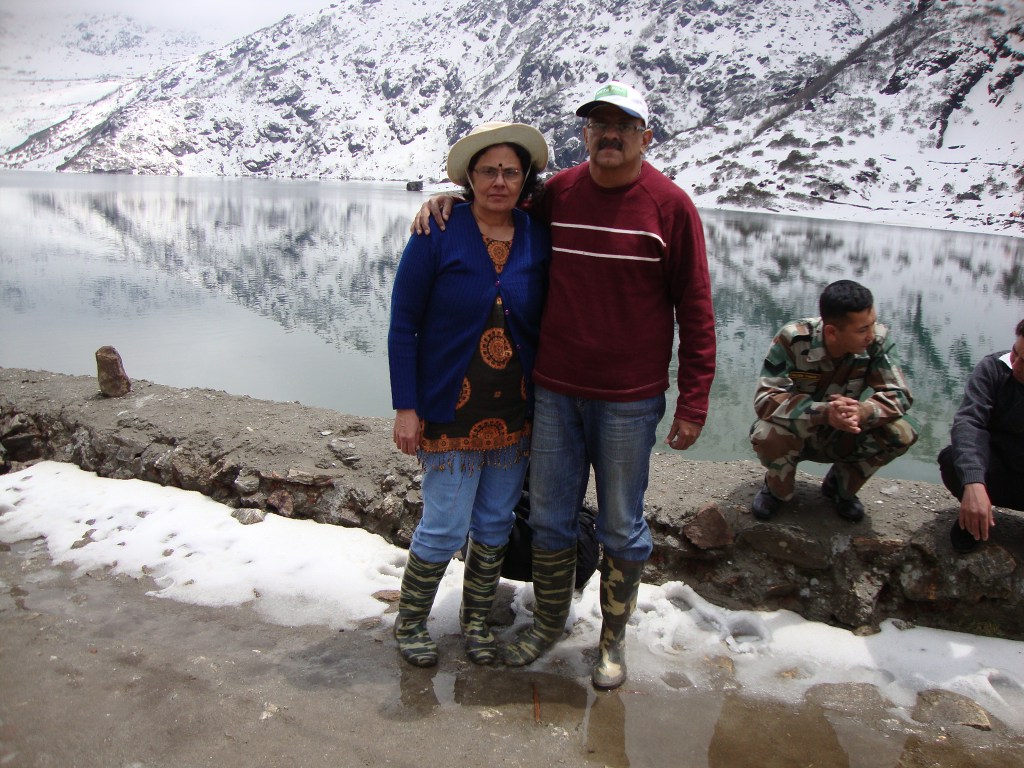
On the banks of the lake with some army personnel in the backdrop
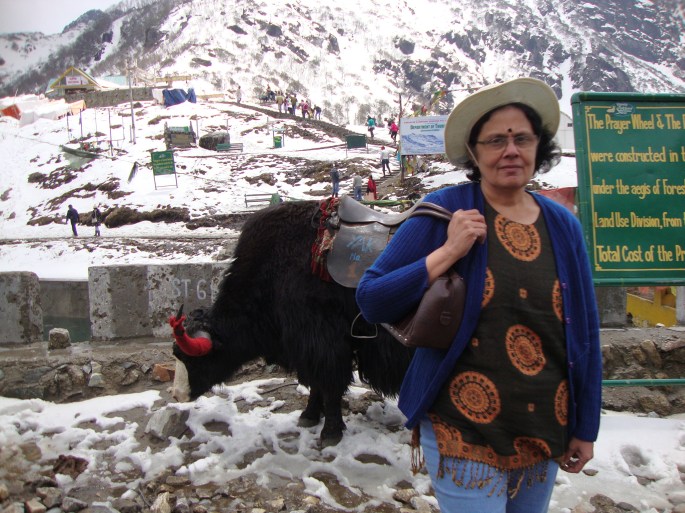
The Yak is ready for a ride….
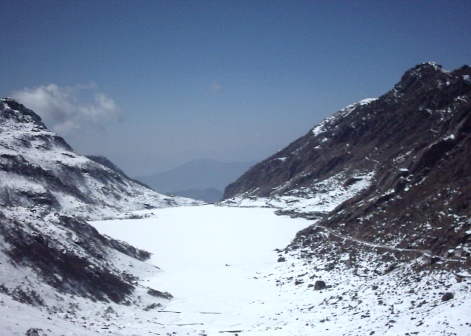
File photo of the same lake fully frozen in winter
There is a small cafetaria close to the lake where we had a quick bite and started our journey to Nathula Pass. There was lot of uncertainity about this part of the trip as bad weather was predicted but we managed it.
Nathula Pass
This pass at 14,150 ft connects Gangtok to Tibet and is located in the Himalayan ranges.It was once a trade route but was sealed in 1962 after the India-China war. Squirmishes along the area between the two sides was common. It was reopened in 2006 for trade and as it offered an alternative route for the Kailash Mansarovar Yatra. However, due to bad weather, trade is restricted to only few months in a year. Needless to say, variations in Indo China relations affects tourist accessibility here.
Some pictures..

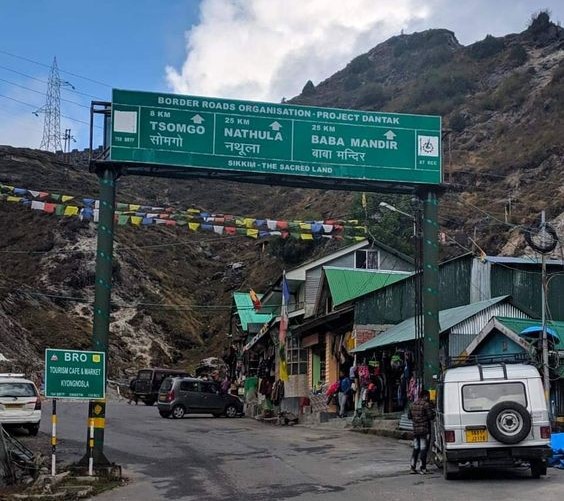
Map showing location of Nathula and the road leading there
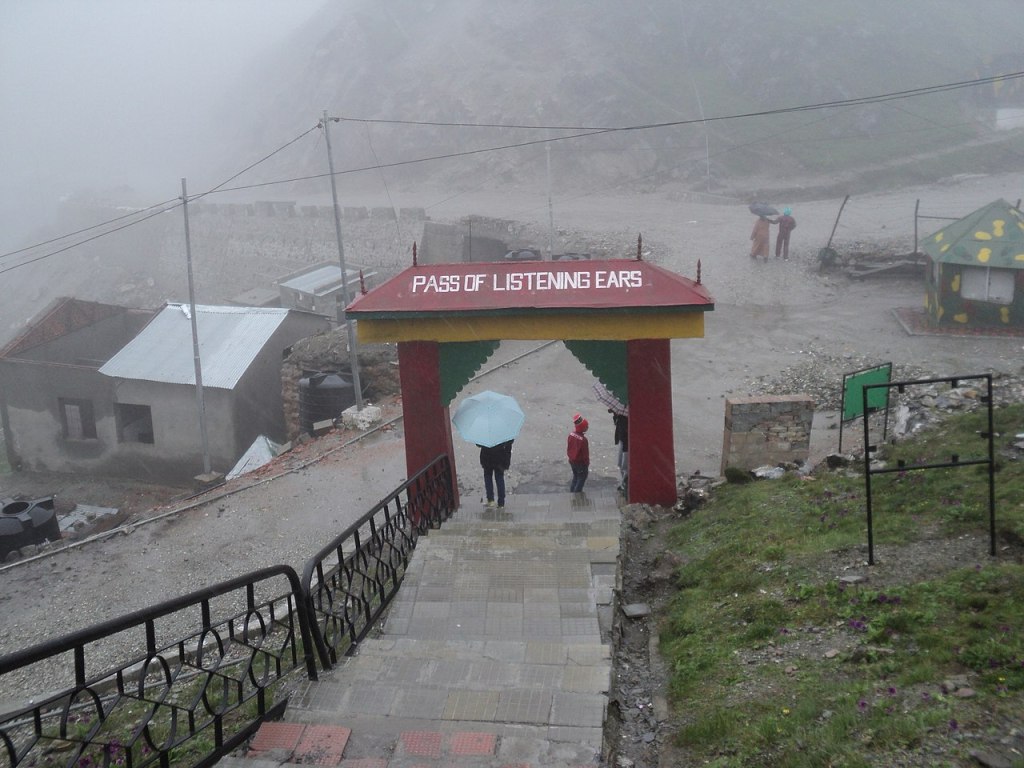

Nathula Pass
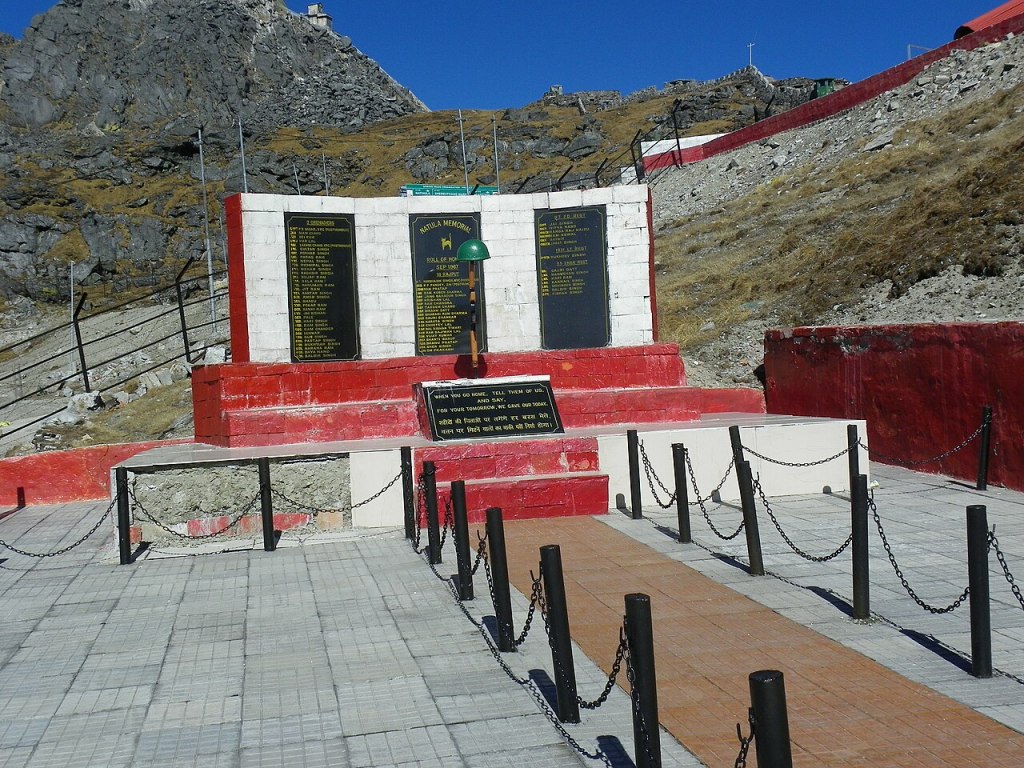
Memorial at Nathula
We just managed to look around and the weather dramatically worsened. We were all asked to leave immediately and we did so. Back in the safety of our vehicles, we waited in the long queue of leaving vehicles. Enroute we encountered some delay due to land slips which were being cleared by the BRO (Border Roads Organisation).
With beautiful memories of an alpine lake, we retired for the night with dreams of an exciting ride to Darjeeling the next day.
See you at Darjeeling next week. Till then, do subscribe, comment and give your feedback.
 Travel-along.in