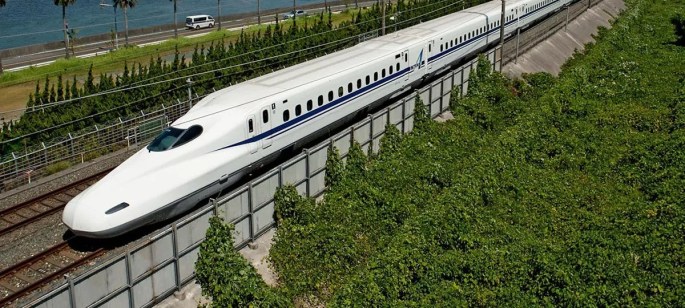
Exploring Japan’s Shinkansen and a floating wonder

Travelling by the bullet train was one of the activities during the Japan trip that was eagerly awaited. And finally, the day did come…

Shinkansen or Bullet train

Japan was the first country to construct railway lines dedicated to high speed travel and this railway network came to be known as Shinkansen or “new trunk line”.

The first Shinkansen began service in 1964 between Tokyo and Osaka, the two important metropolitan cities of Japan and ran at speeds up to 210 km/hour and later upgraded to 220kms/hour. This service got an overwhelming response leading to the expansion of the shinkansen network. The speeds have now been upgraded to reach up to 320 kms/hour.

It uses advanced technology compared to conventional railway networks ensuring high speeds and a high standard of safety and comfort. It uses ATC or automatic train control eliminating the need for trackside signals and the entire system is centralized.

It makes extensive use of tunnels and viaducts to go through and over obstacles thus helping to maintain speed. These lines never intersect the slower regular railway lines either.

From Kyoto, we took a bullet train to Hiroshima. That was our first experience of the bullet train. Here are some pictures from this experience…
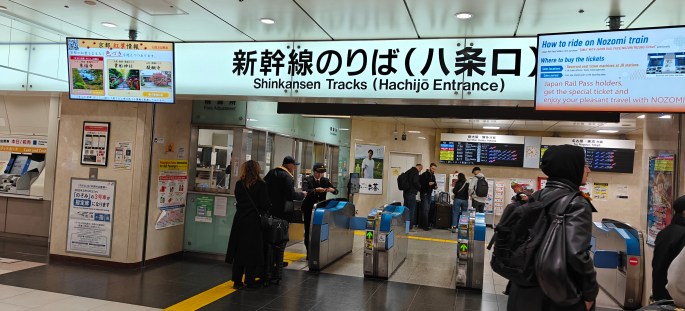
Entering the Shinkansen platforms
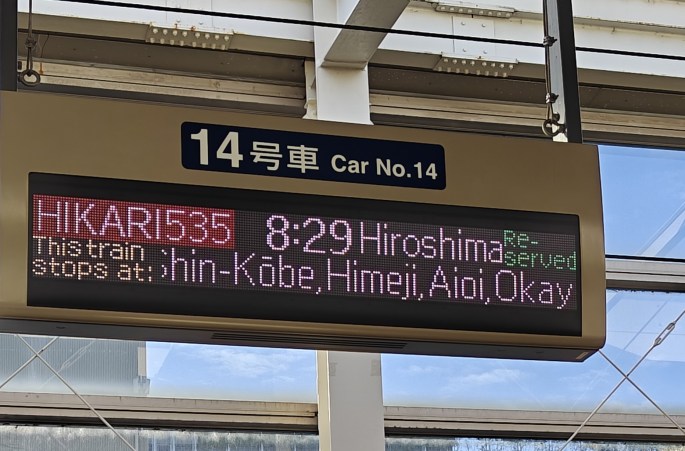
The board at the platform
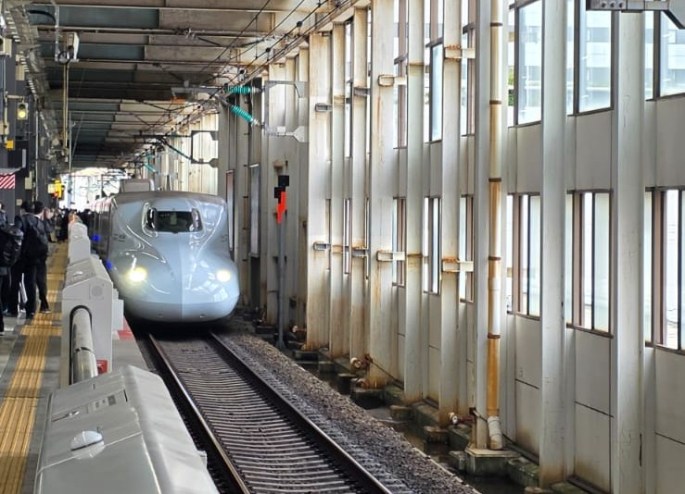
The Shinkansen arrives at the platform
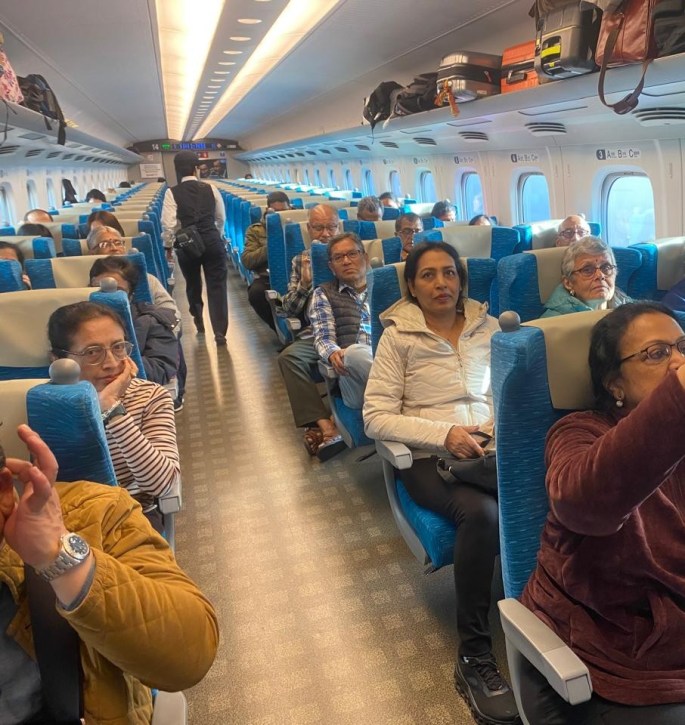
Inside the Shinkansen

A video of the shinkansen arriving at Kyoto

Arriving at Hiroshima we visited the Hiroshima Peace Park in memory of the atom bomb explosion. That requires an entire episode and will be dealt with in detail.

The other attraction we visited at Hiroshima was the Itsukushima shrine which appears to be floating on water. Read on…

Itsukushima Shrine

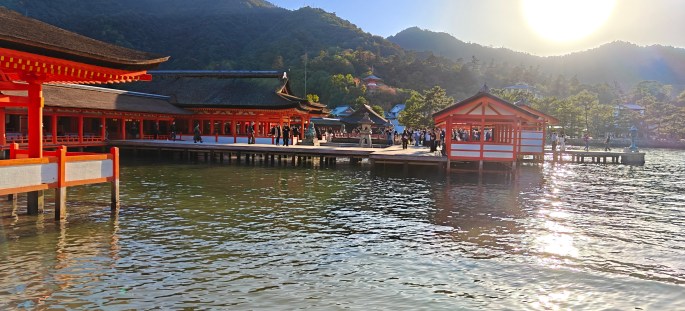
Itsukushima has been a Shinto pilgrim centre since the 6th century. The present shrine located on Miyajima island near Hiroshima dates back to the 12th century.The shrine is built like a pier over the water so that most parts of it appear to be floating particularly during the high tide.

The most popular part of the shrine is a Tori gate that appears to float in water. It is 50 ft tall and built of decay resistant camphor wood. This can be seen from the ferry as one approaches the island. The shrine covers a vast area extending to Mt. Misen and the forested area around and has two popular shrines and several other structures. The man made structures, in the backdrop of the forested hill slopes and the blue of the sea gives the place a beautiful ambience that attracts tourists from all over.

The shrine is dedicated to three goddesses and the island itself is considered a God.

Taking a ferry from mainland near Hiroshima town we reached Miyajima island. Some pictures from the temple.
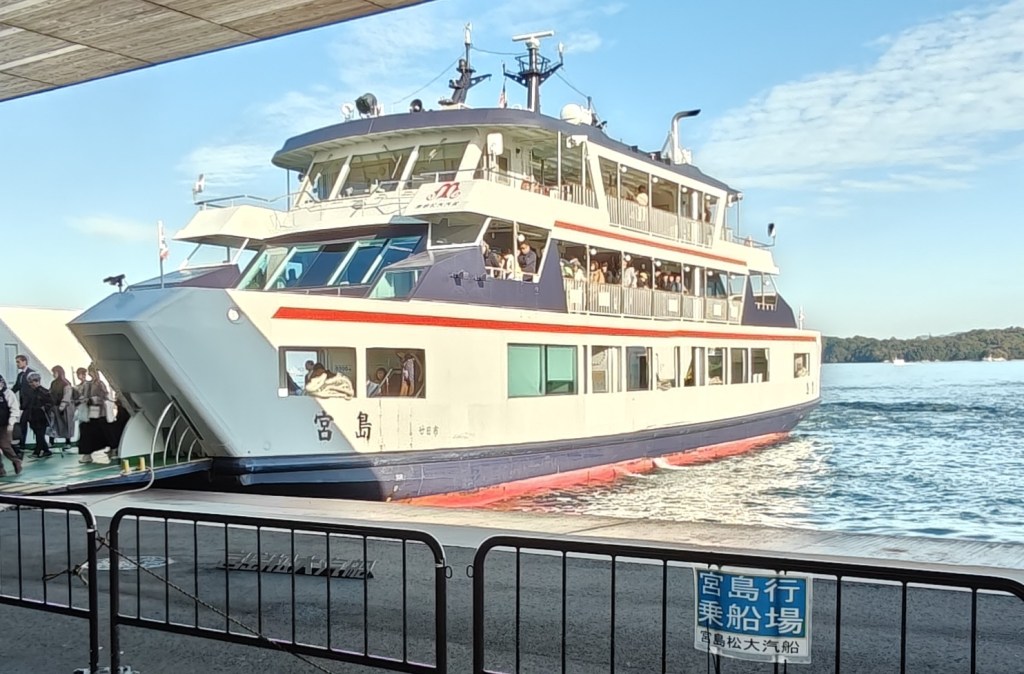
The ferry to Miyajima Island
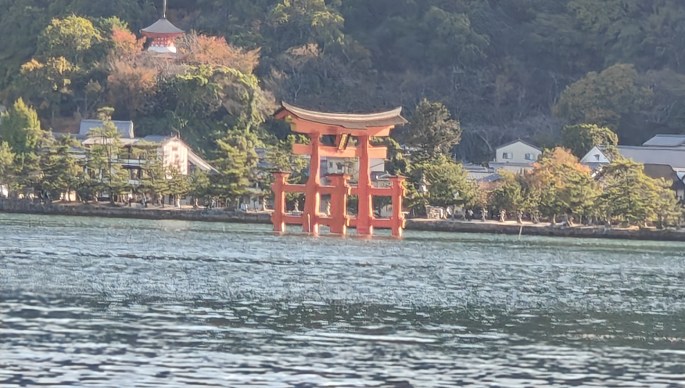
The floating Tori gate as seen from the ferry

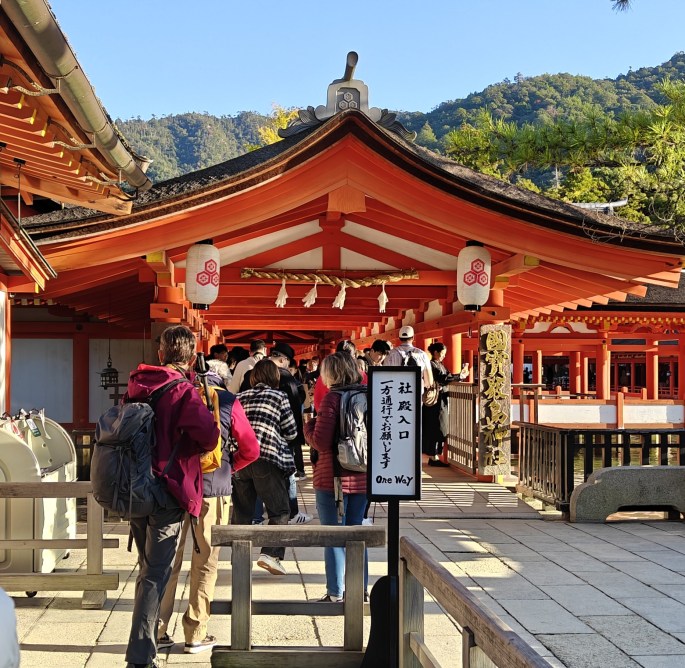
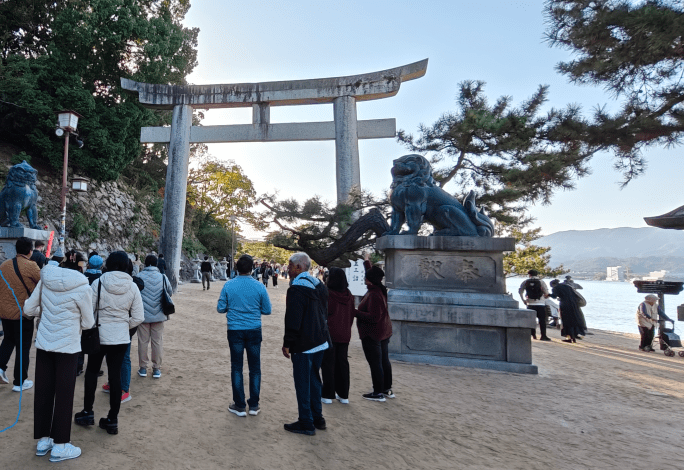
Walking to the shrine

The entrance

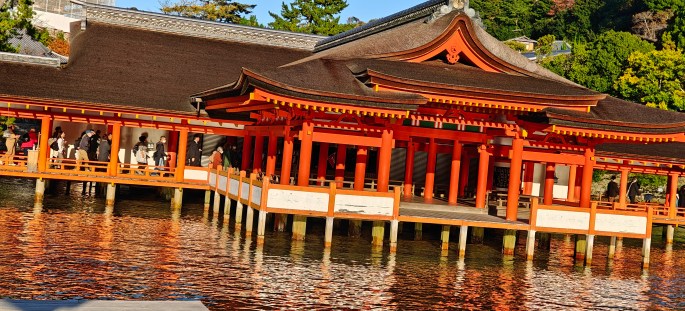
The floating temple buildings on stilts
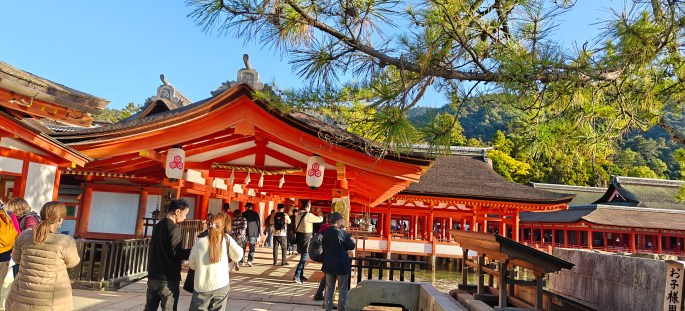
The beautiful temple architecture
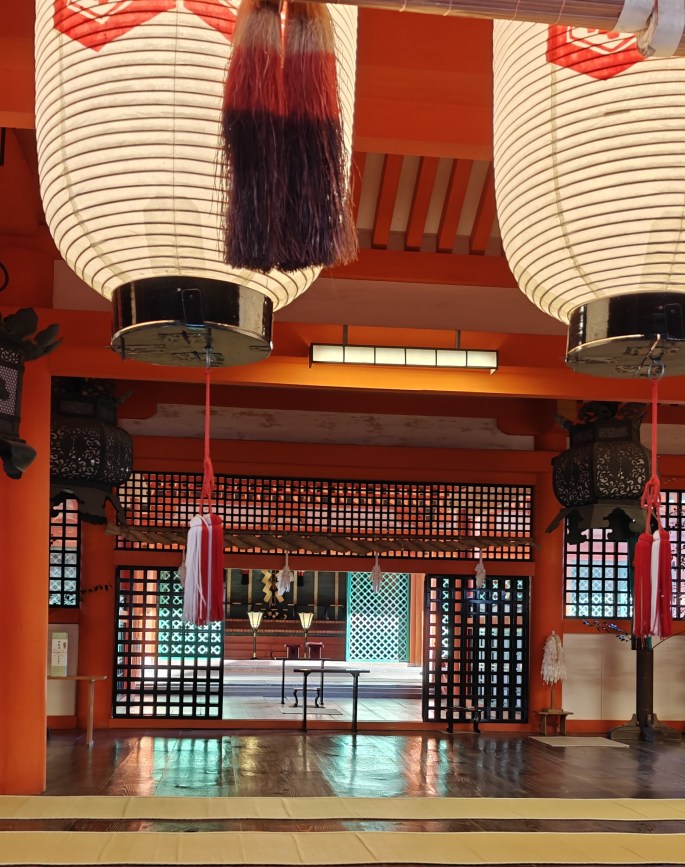
The main shrine
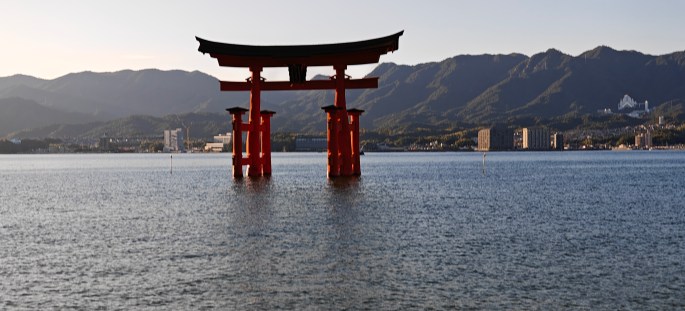
The floating tori as seen from the temple

After visiting the temple, we visited the shopping area where there were many food stalls as in other Japanese temples.
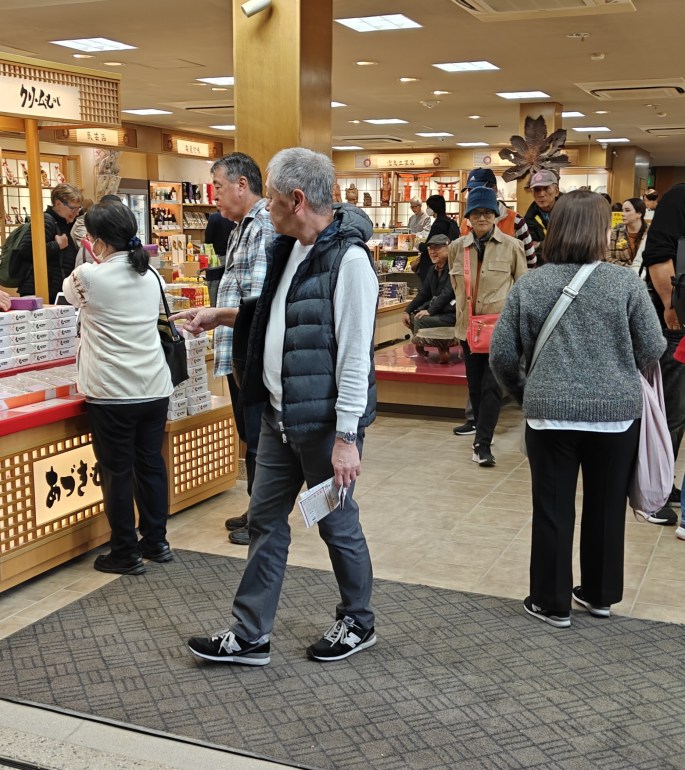
The shopping area

Taking the ferry back to Hiroshima , we rested for the night . Next day we took the bullet train from Hiroshima to Osaka.

See you next week at Osaka.

Till then, do subscribe, like and comment
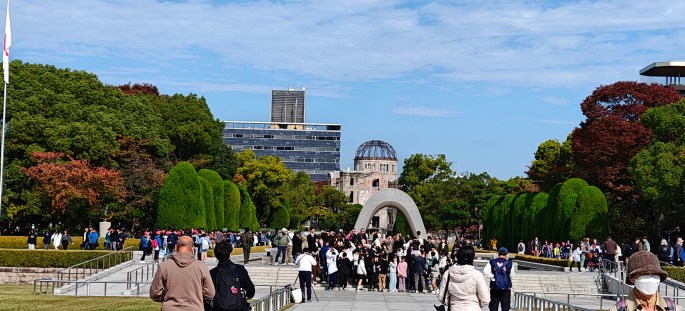
Hiroshima Peace Memorial Park and Dome

The Hiroshima Peace Memorial park is a park in central Hiroshima dedicated to the memories of the victims of the first nuclear attack on August 6th 1945 at the end of WW II. The park is a place for prayer for the victims and for permanent world peace and has memorials, museums, monuments and lecture halls .

Created in an open field caused by the explosion in what was once a busy part of Hiroshima, it stands testimony to the horrors of nuclear war.

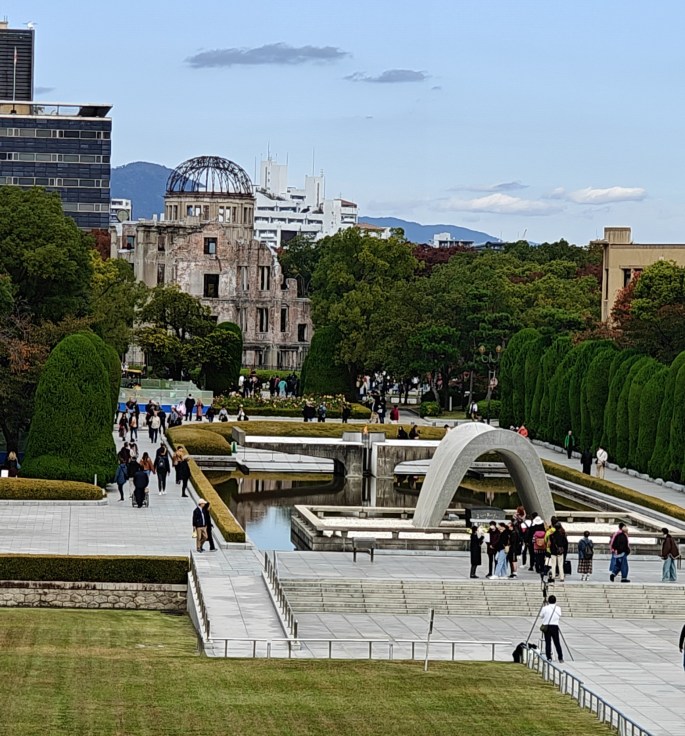
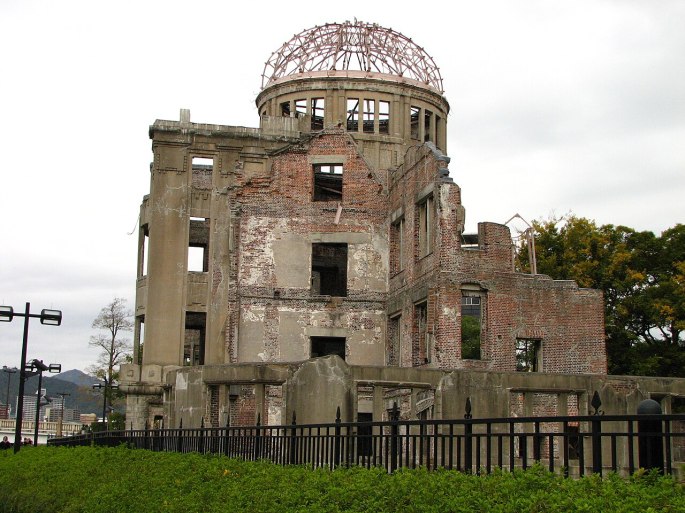
The Genbaku dome or the A Bomb Dome and the cenotaph to the victims lies right ahead of us as we enter the park

The park is used as a venue for antiwar and antinuclear protests.

The Peace park with the A Bomb dome and the arch shaped cenotaph in front

A Bomb Dome

The A Bomb Dome is what remains of the Hiroshima Prefectural Industrial Promotion Hall. a building that . Originally an exhibition hall built in 1915 with a distinctive dome and used for art and other exhibitions, it was closest to the site of the explosion . It is also called the Genbaku dome and is a UNESCO world heritage site.

It was so designated for its status as a symbol of the first use of nuclear arms on a human population, its survival after such a destructive force and as a symbol of hope for world peace and ultimate elimination of nuclear weapons.

Retained in a state of ruin, it is a memorial to the more than 1,40,000 people killed in the bombing.

The A Bomb Dome

Hiroshima became a target of the bombing as it was a prominent port and one of the headquarters of the Japanese army with over 40,000 military personnel. The bomb was intended to hit the Aioi Bridge but fell on a hospital close to the dome. Everyone inside was killed instantly.

This building kept its shape and parts of its wall collapsed. It probably withstood the force as it was built to be earthquake resistant.

The Peace Memorial park was built around this dome and the dome remains its primary landmark. It was decided to retain the dome as it was on the day of the explosion with only minor repairs to ensure its stability.

Today, the park and the dome are used as venues for anti war and anti nuclear weapon protests. An annual Peace Memorial ceremony is also held here.

Hiroshima Peace Memorial Museum

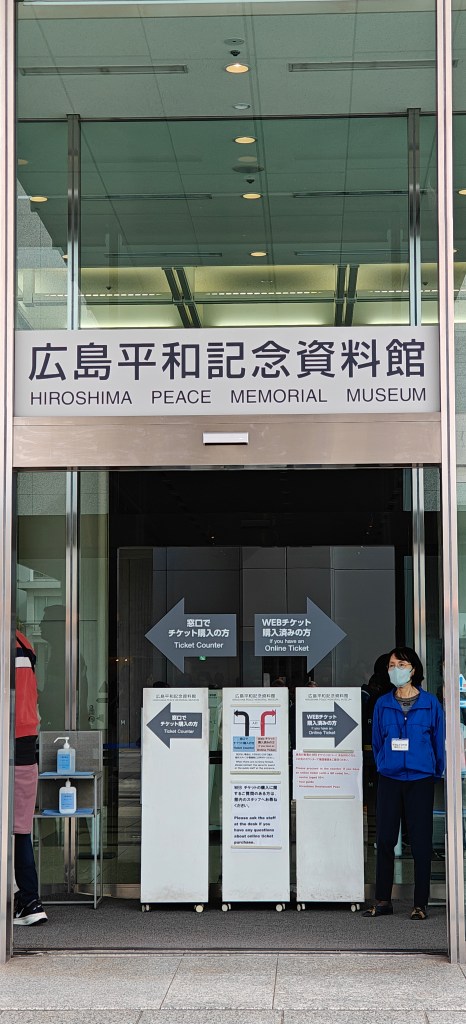
This museum is a modern building located within the peace park and houses exhibits of the history of the bombing and its aftermath. Photographs and personal items of the victims provide a grim reminder of the horrors of that tragedy.

A visit to the museum can be a very sombre experience.

Some pictures which tell the story more than my words….

The Museum Entrance

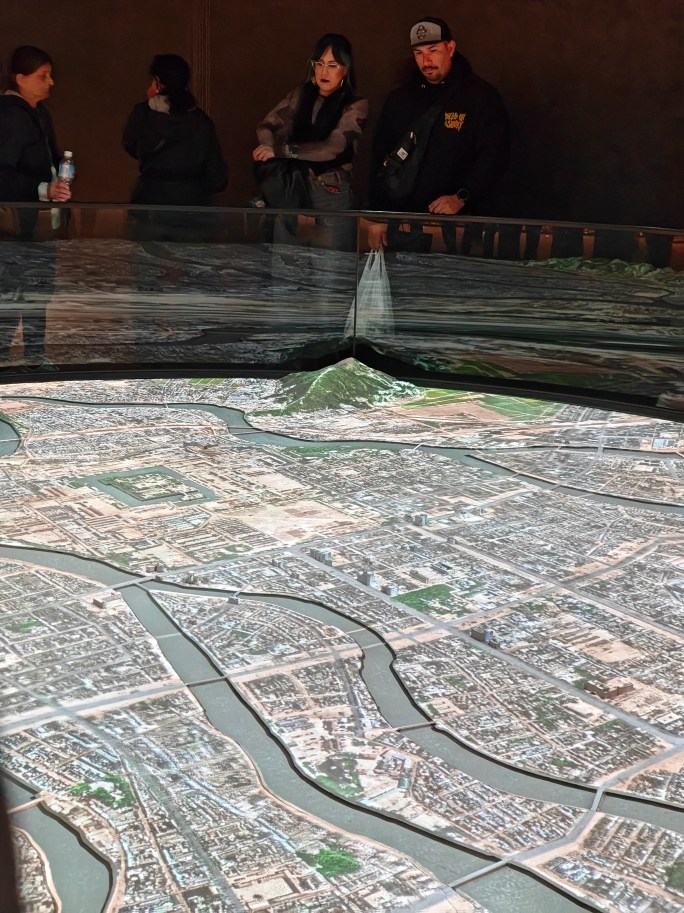
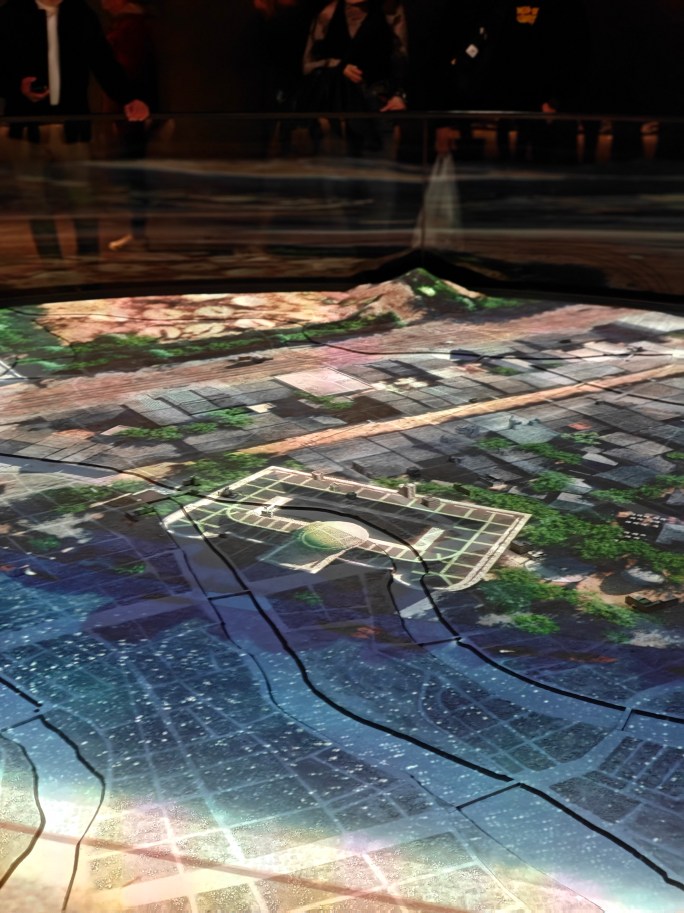
A miniature of the city and the site of impact. (note the dome in the second picture)

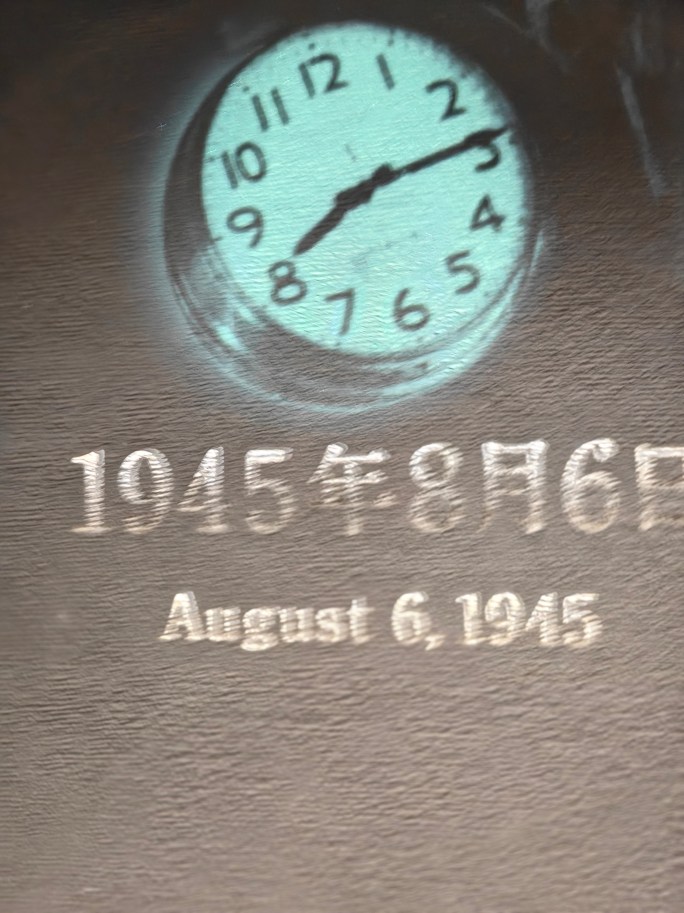
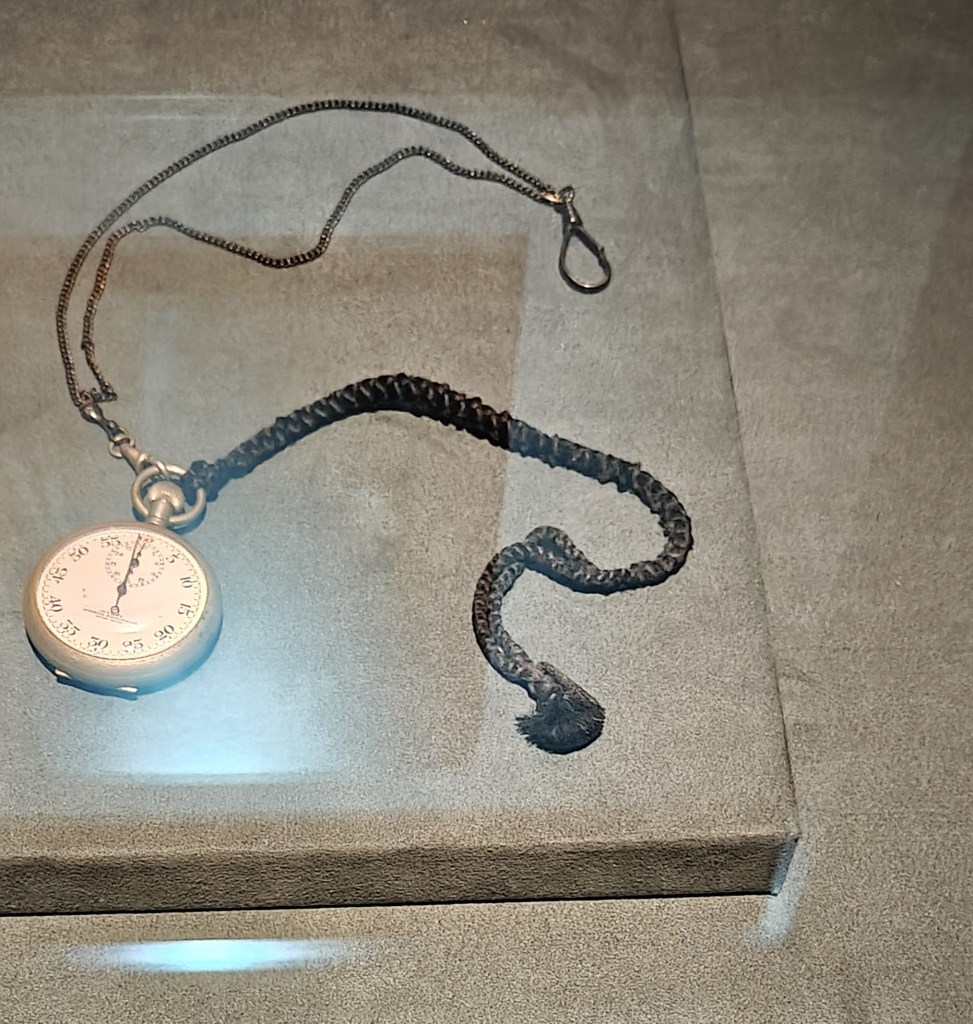
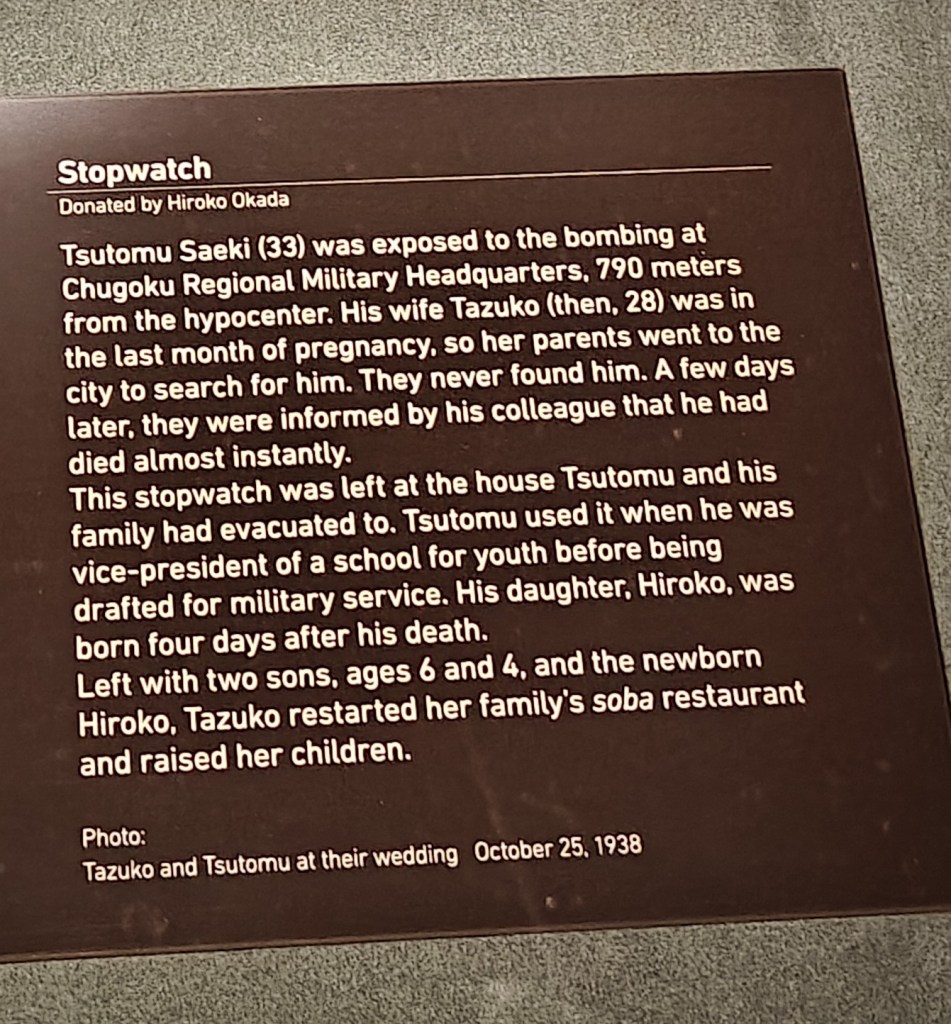
A clock that stopped at the time of impact

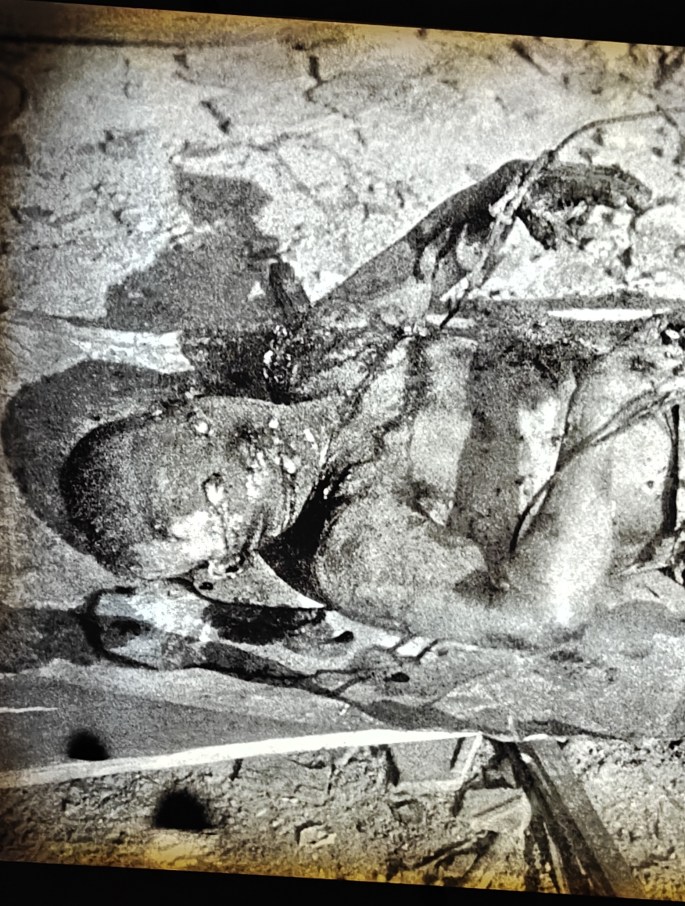
A photograph of one of the victims

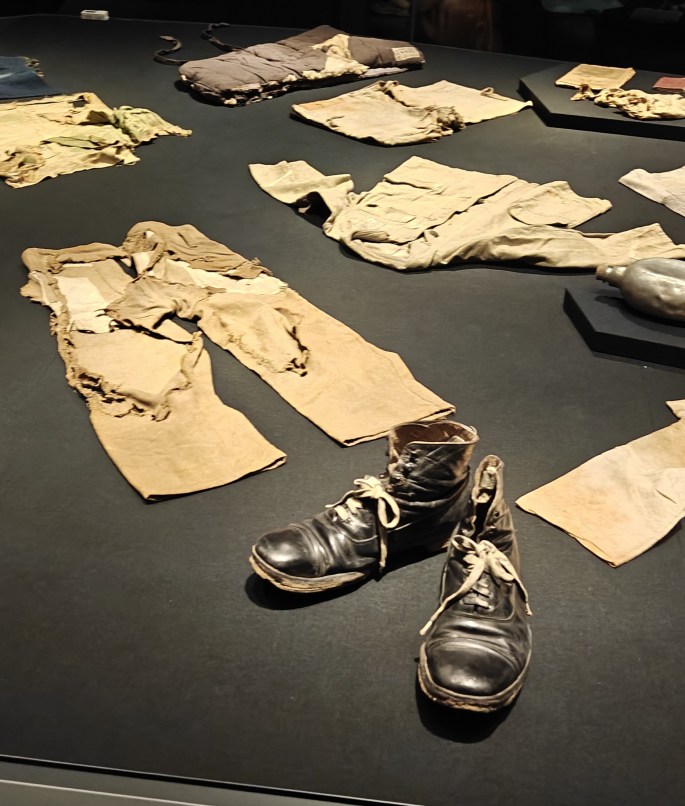
Damaged clothes and footwear

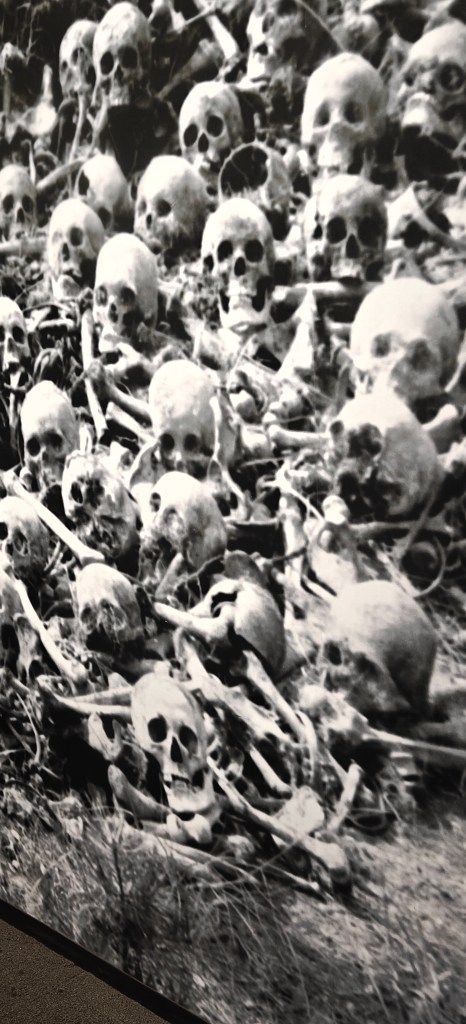
Skulls discovered in the ruins

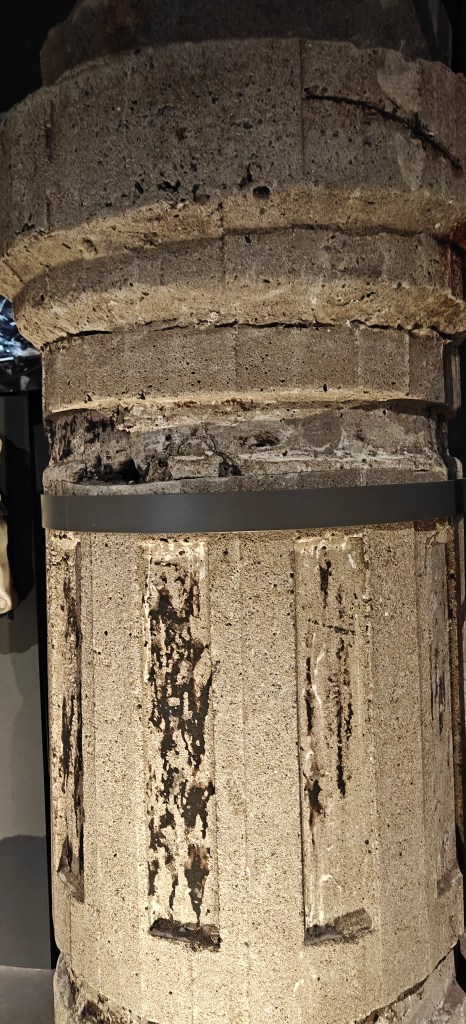
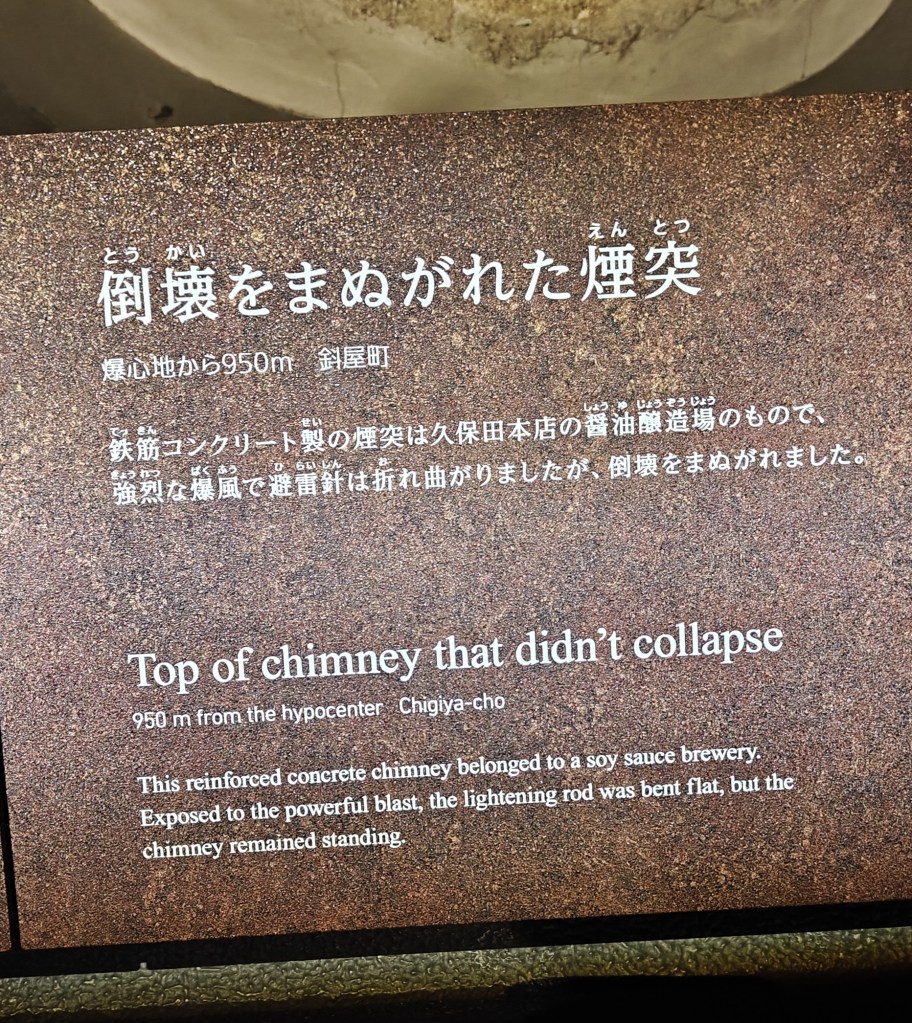
The partially collapsed chimney and the plaque explaining it

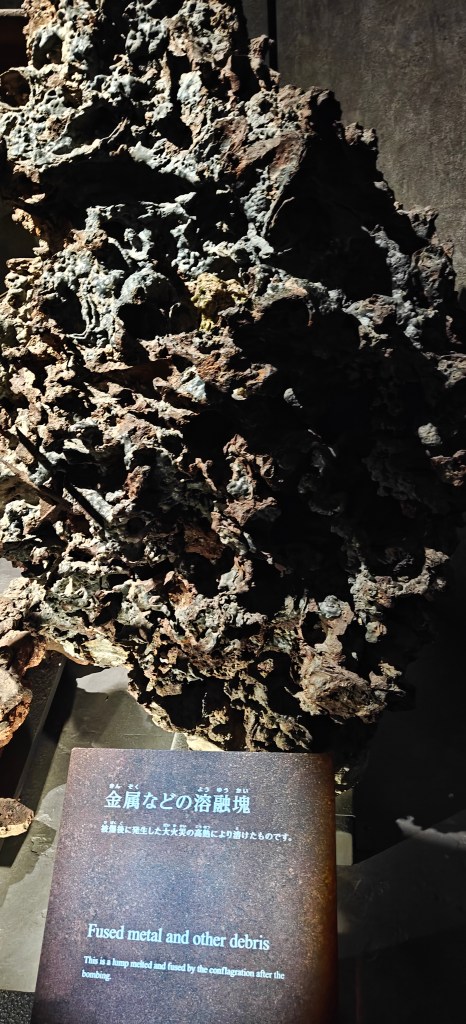
Mangled metal and other debris
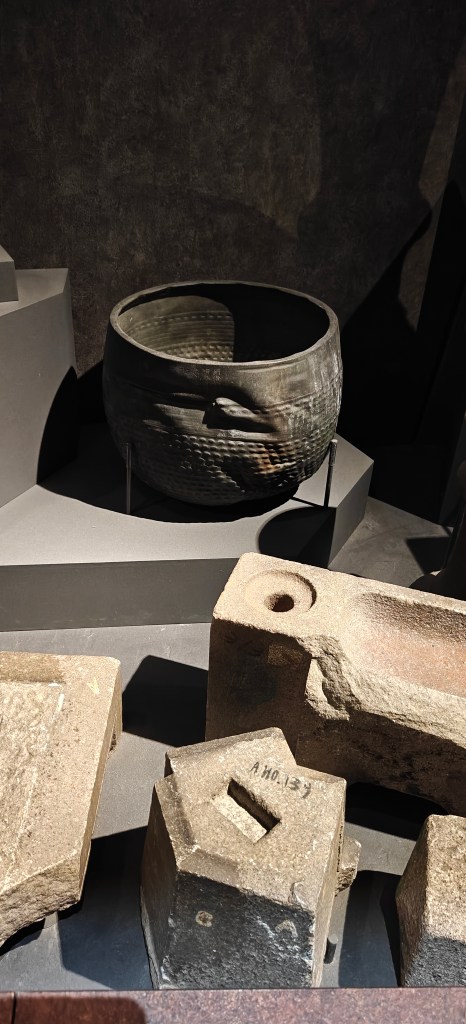
A mangled bell of a Buddhist shrine

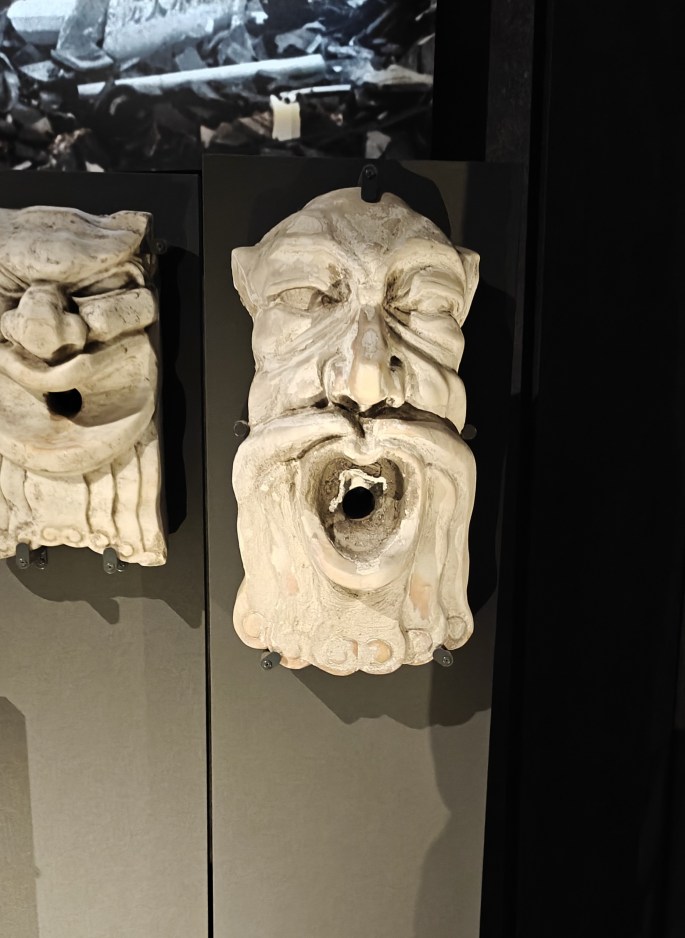
Spouts of a damaged fountain

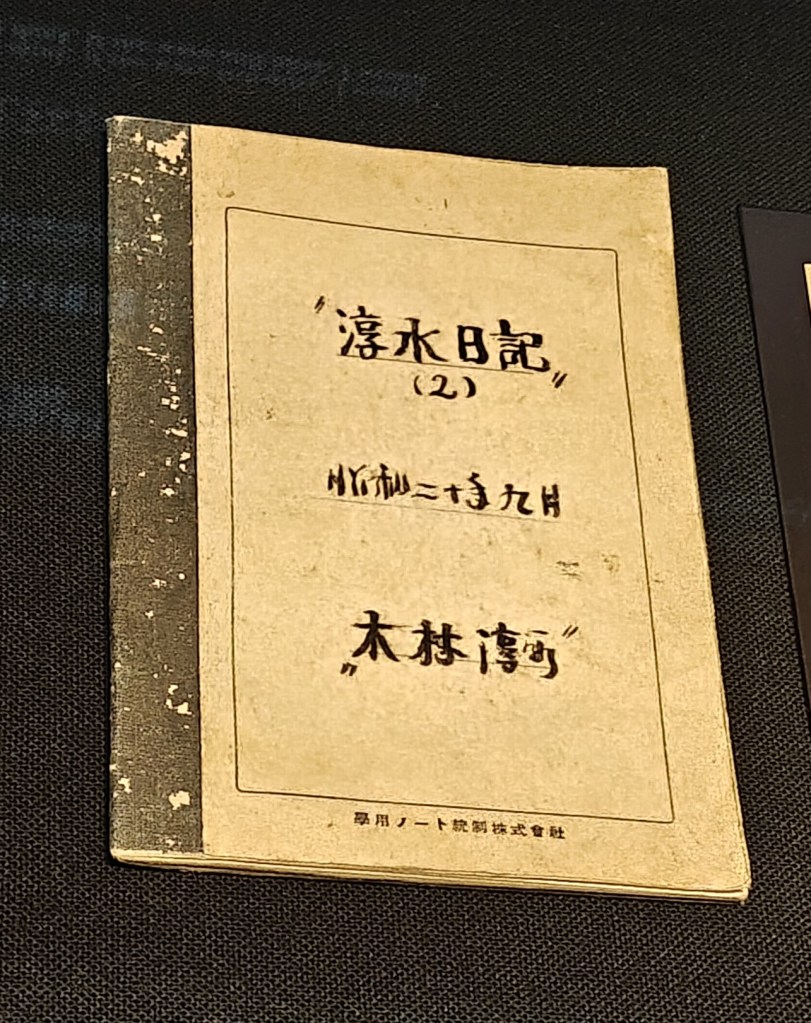
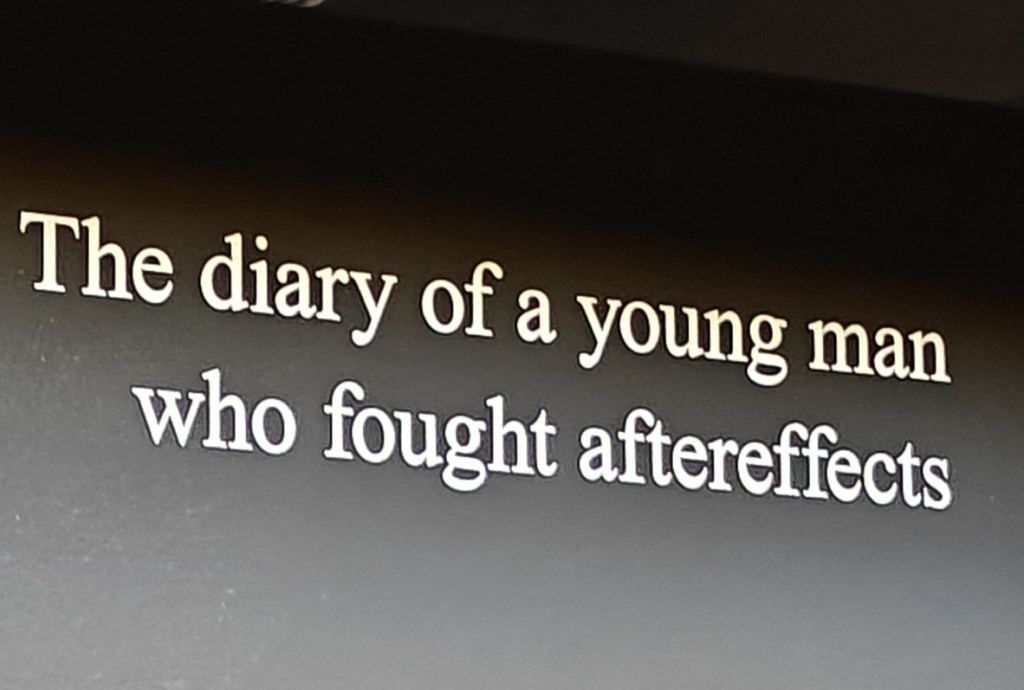
Diary of one of the victims

The plaque on the right explains …..

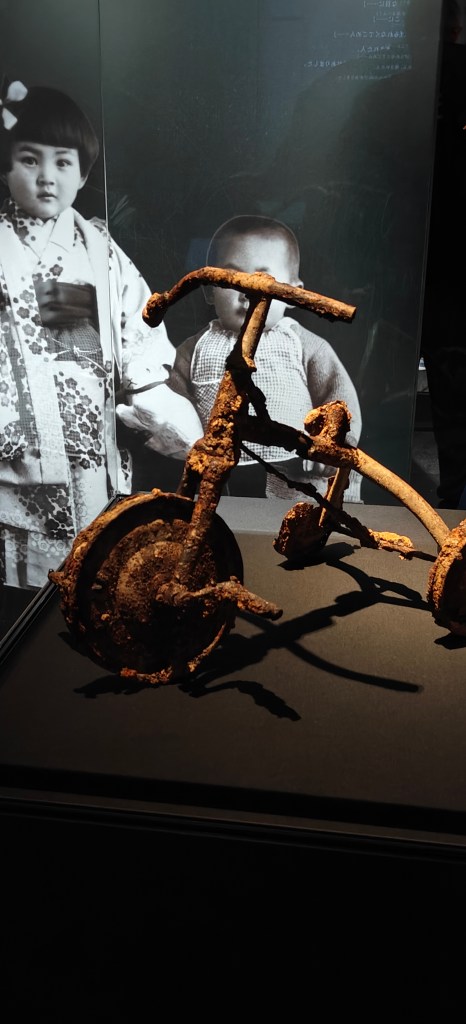
As they say…the smallest coffins are the heaviest….the following picture of two children with their mangled tricycle was too much to take…!!!!

The brother and sister with their mangled tricycle

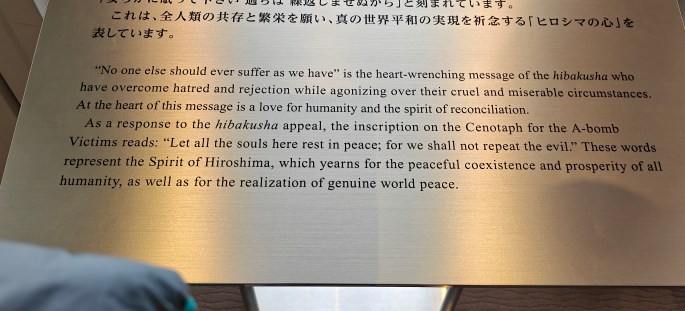
With a deep sense of sorrow and in deep thought we walked out of the museum to a plaque that read as follows…

The Plaque that summed it all up….

This has been a rather sombre episode…

Let us hope for good sense to prevail and avoid such destruction at least in the years to come…