Hatshepsut: The Powerful Female Pharaoh of Egypt

Fancy a female Pharaoh? Well, this episode is about a powerful female pharaoh who ruled ancient Egypt. First let us get to know more about this lady, and then we shall visit the temple she built for herself.

Pharaoh Hatshepsut was the daughter of Thutmose I and during her teenage years was married to her half brother Thutmose II . After his death, the two year old Thutmose III inherited the throne and she ruled as regent for a son who was not her own.

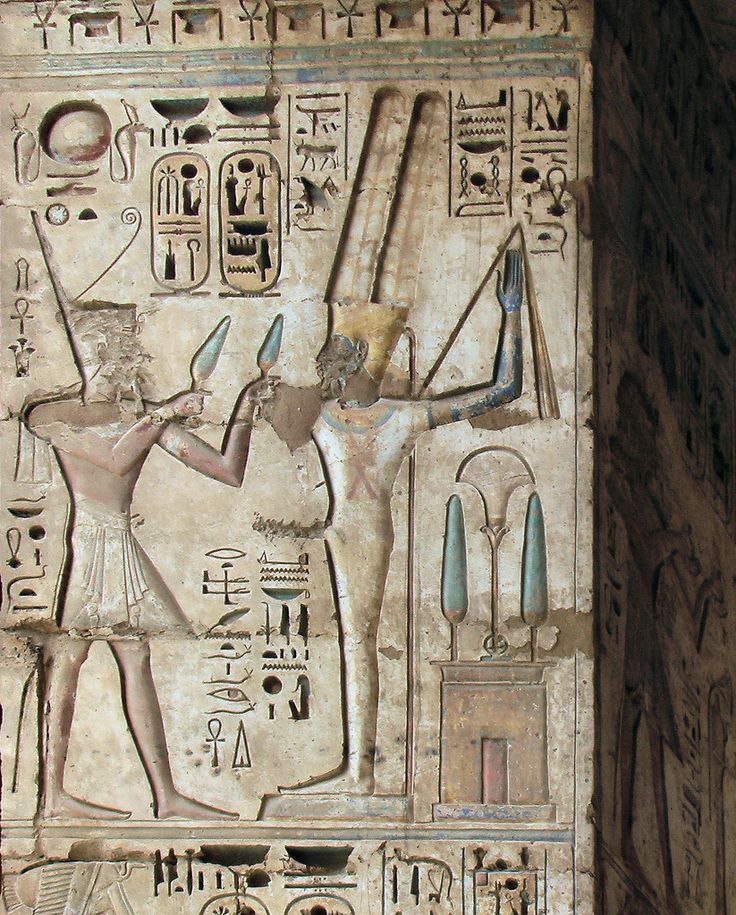
The lady pharaoh went against the traditional patriarchal systems and cleverly established female kingship. In order to establish herself as the pharaoh, she started depicting herself as a male pharaoh. Like most pharaohs, she recorded her accomplishments and assumed all symbols of pharaonic position including the traditional false beard. Her rule was one of the most prosperous times of the Egyptian civilization. She was the second female pharaoh in Egyptian history but more powerful than her female predecessors.

One of the most prolific builders of ancient Egypt, she constructed several temples and the masterpiece was her mortuary temple that we call the temple of Hatshepsut today. Building Osirian statues of themselves was common to most pharaohs and she was no exception.

Towards the end of the reign of Thutmose III, an attempt to remove her from historical records was made and many of her statues were removed or defaced.

Our trip

From the Valley of Kings, located in the Theban hills, we proceeded to this temple located close by. This is a mortuary temple built by Hatshepsut facing the Karnak temple across the Nile. The specialty of this temple are it’s three terraces at different levels with porticoes lined by columns.

Reaching the Temple

The foreground has statues of Hatshepsut as a sphinx. This was part of her attempts to establish her kingship by portraying herself as powerful.
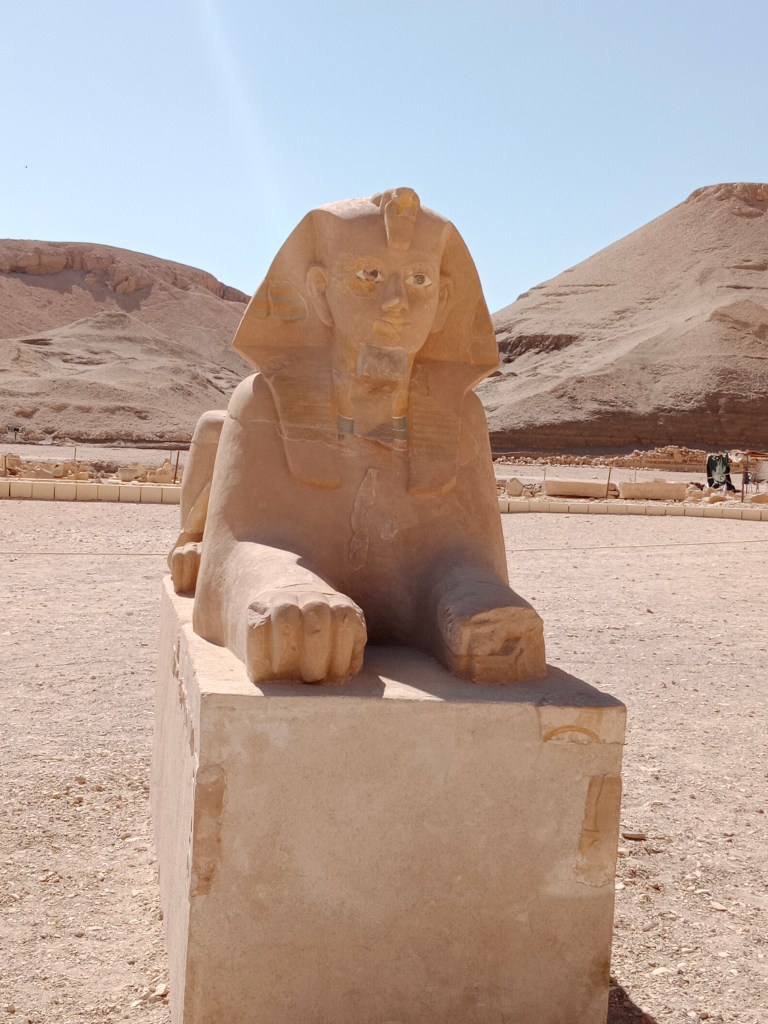
Sphinx of Hatshepsut
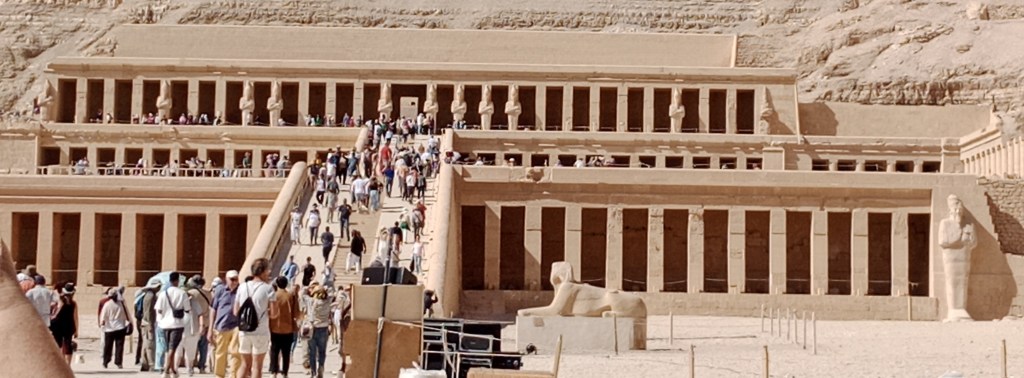
The three levels of terraces with porticoes lined by columns and statues at the ends.

The balustrade along the passage to the main temple has the falcon headed God Horus.

The falcon headed God Horus at the balustrade

The lower terrace has 22 columns and features reliefs on the walls. These reliefs depict the part played by her in putting up obelisks at the Karnak temple, offerings to various Gods and Hatshepsut as a sphinx defeating the enemies .

Reliefs showing offerings to Horus by Hatshepsut

The middle terrace also has porticoes lined by columns and decorated with reliefs mainly relating her to God Amun Ra, thus legitimizing herself as a ruler. A shrine dedicated to the cow headed God Hathor is also located here.

Offerings to the jackal headed God Anubis

The cow headed God Hathor

The upper terrace also has porticoes lined by columns but the highlight are the massive statues of Hatshepsut.
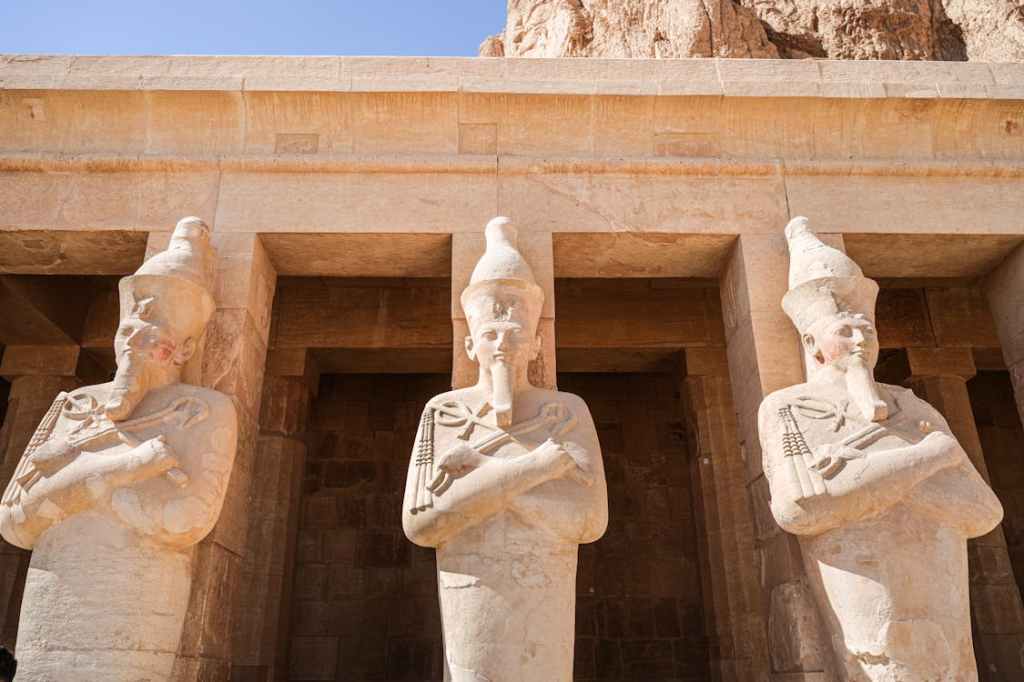
Hatshepsut statues on the upper terrace

Moving down from the terraces, we walked on to the foreground where there are still a lot of ruins and extensive restoration work was going on.

Ruins surrounding the temple

Another monument we visited near the Valley of Kings was the Colossi Of Memnon.

These are two massive stone statues of the Pharaoh Amenhotep III, which stand at the front of the ruined Mortuary Temple of Amenhotep III, the largest temple in the Theban Necropolis. Both statues are quite damaged, with the features above the waist virtually unrecognizable. Earthquake and floods have ensured that with the exception of the Colossi, nothing remains today of Amenhotep’s temple.

Colossi of Memnon with the ruins of Amenhotep’s temple in the backdrop

After the exhausting visit to the Valley of Kings and Hatshepsut’s temple, we were all tired and hungry and so we proceeded to an Indian restaurant in Luxor for lunch.
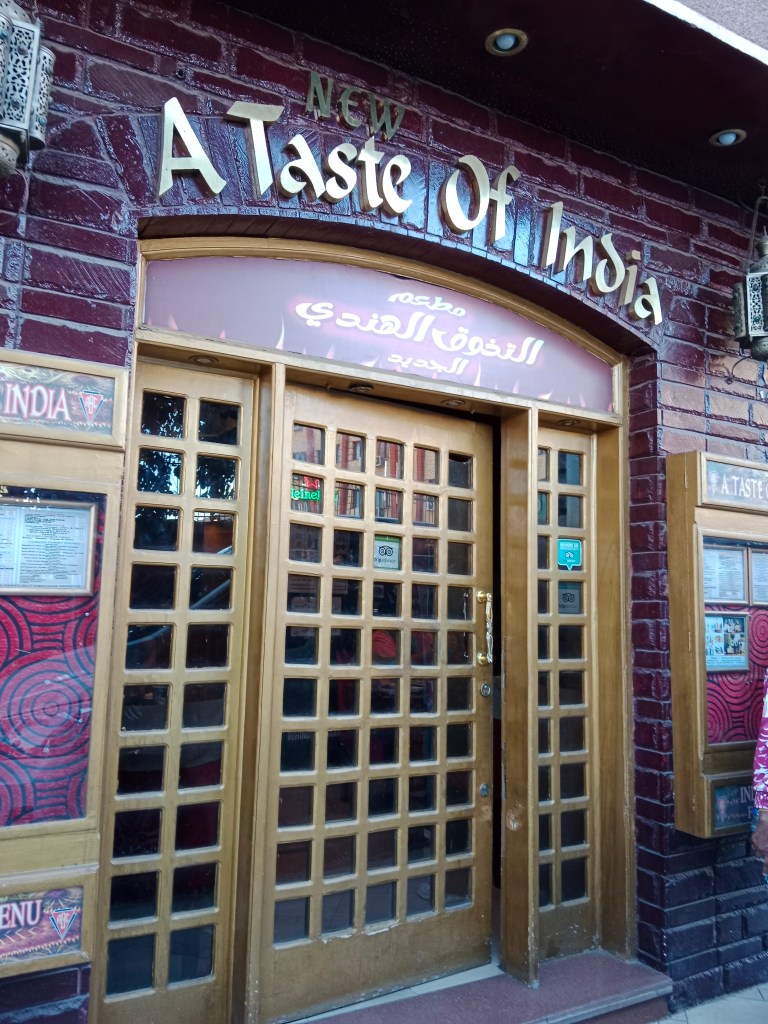
A taste of India at Luxor….

Post lunch we explored Luxor market .

A riot of colors at the Luxor market

Making few quick purchases, we headed to the airport to fly back to Cairo.

Next week, we explore Cairo. Till then, do subscribe, give your comments and feedback.

Exploring the Ancient Tombs of the Valley of Kings

On the west bank of the Nile ; among the Theban hills (Thebes was the ancient city where modern day Luxor city lies) lies a cluster of tombs of the rulers of Egypt’s New Kingdom which is a part of the Theban Necropolis and an UNESCO World Heritage site. This is essentially what we call The Valley of Kings today. It was the principal burial ground of the royals and nobles of the New Kingdom where rock cut tombs were excavated for nearly 500 years ranging from the eighteenth to the twentieth dynasty. The world’s attention was drawn to this place after the discovery of the tomb of Prince Tutankhamen the baby pharaoh in 1922 .

This site was chosen as it was close to the temples of the ancient Thebans, it is a valley protected by cliffs, and has a good limestone bedrock .The valley is situated over 1000 ft of limestone and and other sedimentary rock ranging in consistency from finely granular to coarse stone. The ancient Egyptians took advantage of the geological features while constructing the tombs. Some tombs were quarried out of limestone cliffs, others behind clefts, and some were at the edge of rock projections created during the floods.

Towering above it is the Qurn (the horn in Arabic) , the pyramidal apex of the hills which probably inspired the shape of the pyramids and was long associated with burials . Almost all of the tombs have been robbed and are empty now but they still contain relics that point to the opulence and power of the Egyptian pharaohs.

Our group at the Valley of Kings with Al Qurn or “The Horn” in the backdrop

The valley of Kings houses 64 mapped burial sites, notable among them being that of Ramesses III, Tutankhamun and Thutmoses III. Today, the tombs are numbered with the prefix KV meaning King’s Valley .These tombs range in size from small pit tombs (KV 54) to extensive labyrinths with over 120 chambers (KV5) where all the sons of Ramesses II are buried.

The tombs are decorated with scenes from Egyptian mythology revealing many of the funerary practices of that time and their belief in after life. From the grandeur of the tomb paintings to the intricate hieroglyphics, a journey through these tombs unveils the remarkable achievements of the pharaohs and their beliefs. Come along….

Our visit.

We drove down to the Valley of the kings from Luxor city . Buggies helped to take us close to the tomb site which need some walking . As we entered the main gate through metal detectors, we encountered a model of the excavation site where the location of the tombs are shown with small numbered flags and another model explaining the location of the tombs underground.

Two models show the location on the ground and the underground paths to the tombs.

Not all tombs are open to tourists as considerable excavation work is on. Some of the tombs are deep inside and considerable climbing and walking is involved. We visited some of the more easily accessible tombs.

The tombs consist of iron gate through which you enter into a long rock cut passage leading to one or more halls and finally to the burial chamber. The passages are decorated with various scenes of daily life and culture, their Gods, the pharaohs themselves and hieroglyphics.

Pictures of some of the tomb chambers…..

The Tomb of Ramesses IV (KV 2)

This is one of the tombs with the highest number of graffiti and was probably used as dwellings by Coptic priests .

Entering the tomb

Coptic Graffiti on the walls

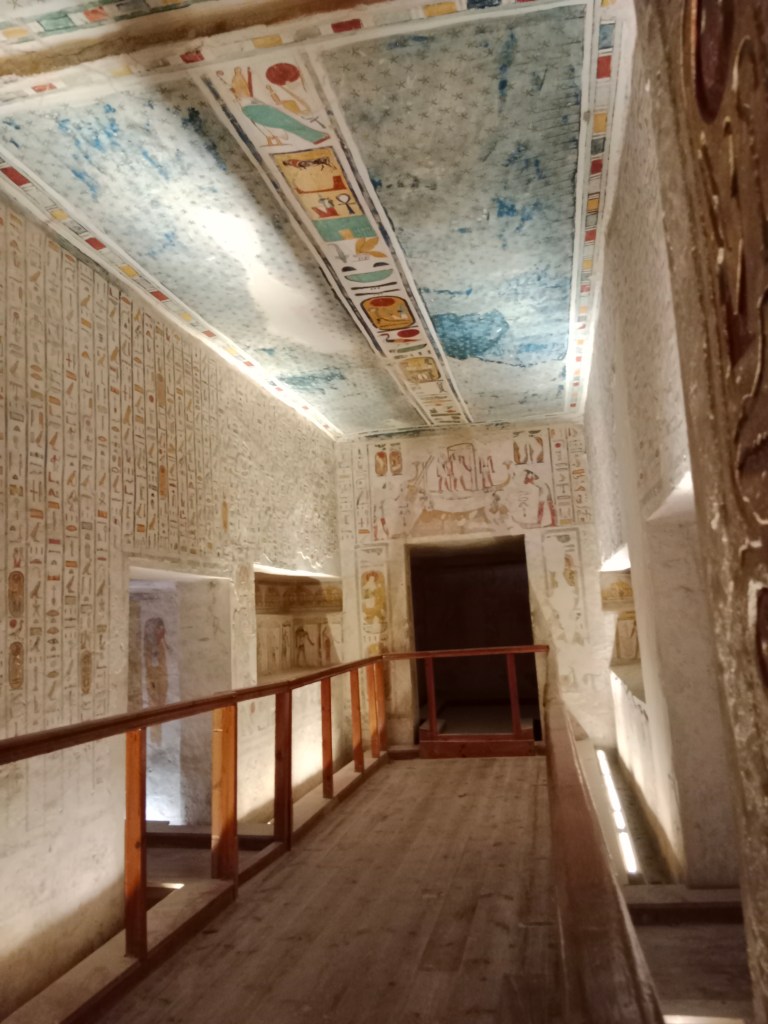
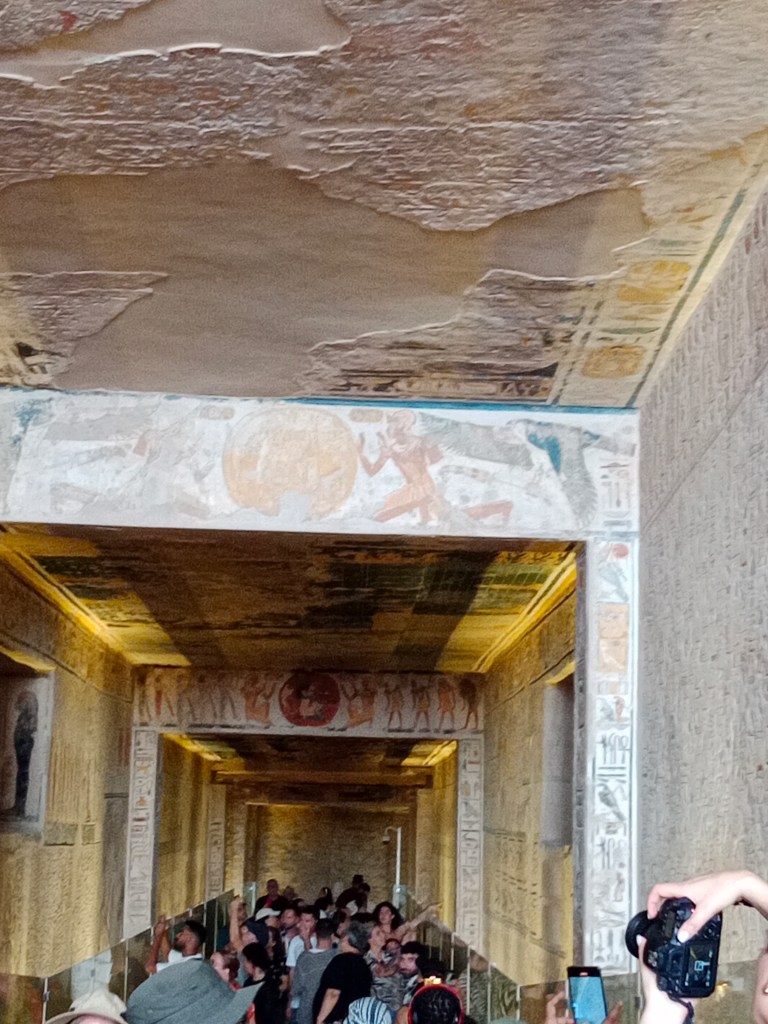
The passage to the tomb chamber with inscriptions on walls and ceiling

One remarkable belief is that Goddess Nut swallowed the Sun as it set and delivered it the next morning. This is graphically represented in the ceiling of this tomb.

The ceiling depicting the passage of the Sun during the day. (The Sun being swallowed at night and delivered next morning by Nut)

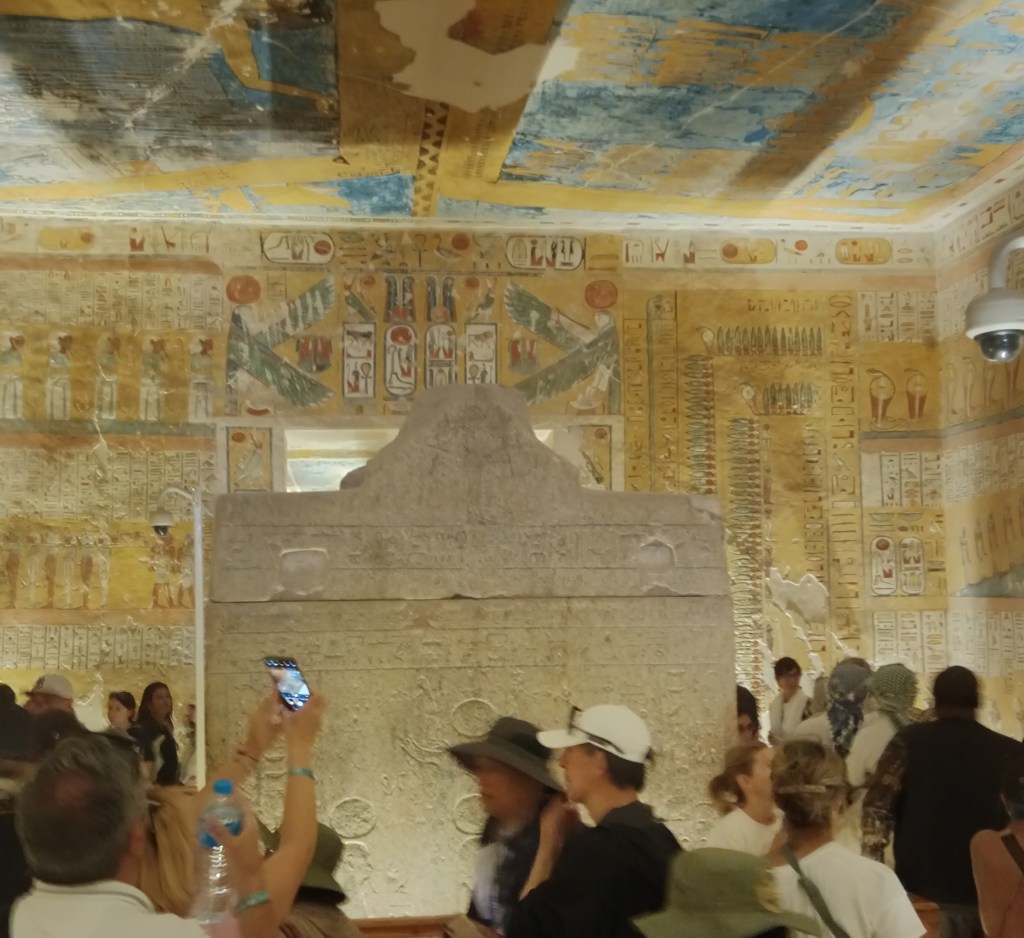
The tomb chamber with the huge tomb of Ramesses IV

Tomb of Ramesses III (KV 11)

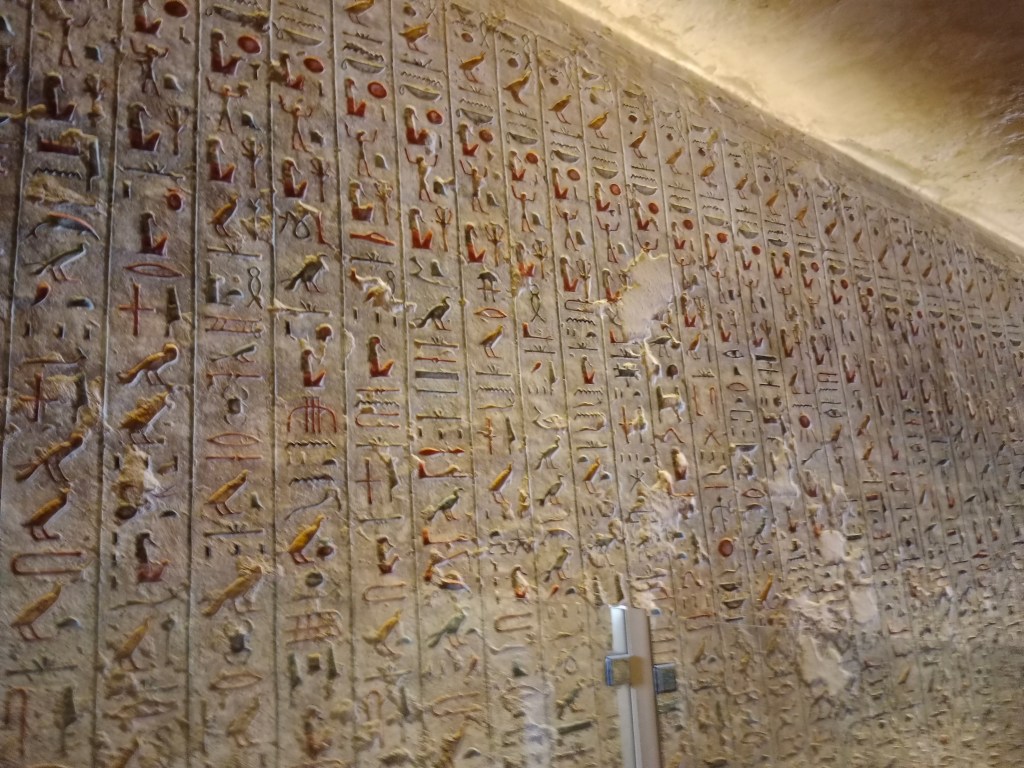
Hieroglyphics on the walls

Depiction of block transportation during construction

The pharaohs and their daily routines in pictures

The burial chamber is empty as the sarcophagus of Ramesses III is now at the Louvre Museum in Paris.

The empty tomb chamber of Ramesses III

Ramesses IX (KV 6)

Walking towards the tomb chamber

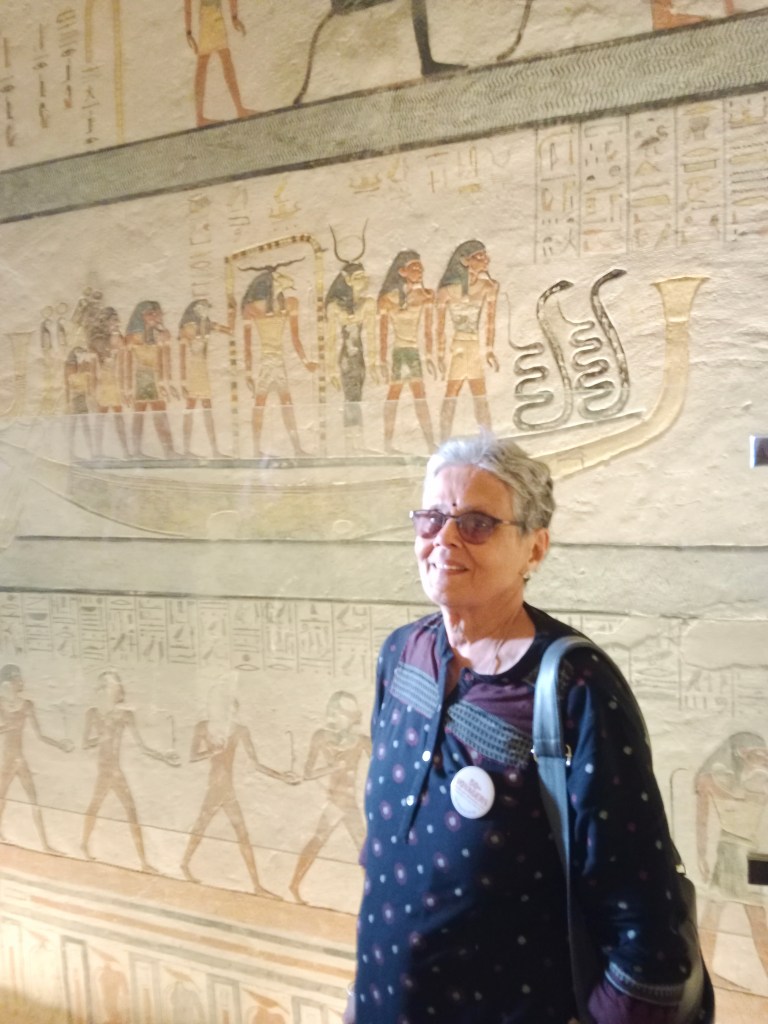
Pictures depicting various ceremonies

Inside the tomb with the picture of the holy barque in the backdrop

Pictographic representation of the one legged God of Fertility

The pictures above tell you about the richness of the Egyptian civilization and how lot of it has got wiped out by causes natural and otherwise.

Exploration, excavation and conservation continue there even today with new discoveries springing up off and on and is one of the most popular places of interest for Egyptologists .

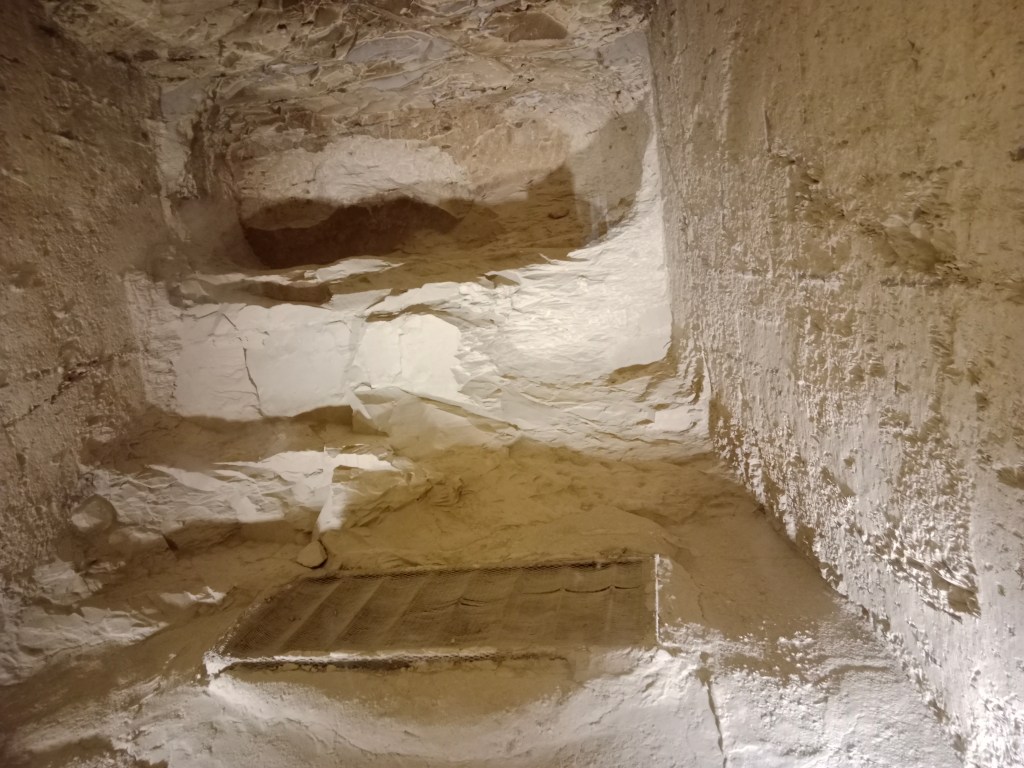
Modern radar scanning techniques have revealed natural shelves below the surface we see today.

Next week we visit the Temple of Hatsheput, the female pharaoh . So be prepared for some ancient Woman Power…

Till then, do subscribe, like and comment.

Luxor ; The Temple of Festivals

Located in the town of the same name, the Luxor temple complex is located on the banks of the Nile and built around 1400 BC. Major part of the temple were built by Amenotep III and Ramesses II. During the Roman period, parts of the temple were converted into a church.

Unlike all other temples we visited, this temple is not dedicated to any cult God or any defied Pharaoh making it unique. Instead, it is dedicated to rejuvenation of kingship and most probably was the location of coronation of many pharaohs. It was also the location of the Opet festival , the most important festival in ancient Egypt when the Gods from Karnak temple would come in a procession to Luxor and stay here for a few days. The processional route used is an important part of this temple complex.

Our Trip

From Karnak temple we proceeded to the Luxor temple and it was dark and so the temple was lit up adding to the beauty of the structures. The avenue of sphinxes lead us to the entrance of the temple.

Avenue of Sphinxes

This is a 2.7 km passage between the Luxor temple and Karnak temple lined on either side by sphinxes. There are more than 700 sphinxes with the body of the lion and the head of a pharaoh signifying the strength of the lion and wisdom of the king. At the Karnak end, the head of these statues is of a ram while on the Luxor side, its a human head.

It follows the processional route used by pharaoh Amenhotep III in the 14th century BC . This was also the route used when Amun Ra would leave Karnak and go to Luxor during the festival.

The Avenue of Sphinxes

One of the sphinxes

The Main Temple

We entered the temple through a pylon consisting of two towers on either side of a doorway with niches that originally held flag staffs .Built by Ramesses II in the 13th century BC, the size of the pylon and the adorning statues makes one feel little!!

In front of this pylon are six statues of Ramesses II ; four in standing and two sitting posture ; some of them partly damaged. The standing statues have the left foot forward depicting a very traditional pose. The statues wear the double crown representing union of upper and lower Egypt which he reigned. Built of sandstone blocks, the temple design shows all features of Egyptian architecture.

The pylon itself has inscriptions of the war with the Hittites.

The front pylon of the Luxor temple with the six statues and an obelisk

The Obelisk

An obelisk is a long monolith stone with a pyramid shaped top and decorated with reliefs celebrating the achievements of the pharaoh.

There is an obelisk towards left side of the entrance which is attributed to Ramesses II, weighing over 200 tonnes and is 26 meters high. At the base of the obelisk are statues of baboons . Baboons are symbol of wisdom in ancient Egypt as the baboons were believed to dance before the sunrise welcoming the Sun. The body of the Obelisk has several hieroglyphic depictions mainly of the pharaoh and various deities.

Originally there were two obelisks. The obelisk on the right side was gifted to Louis IX by one of the Ottoman kings Muhammed Ali and now adorns the Concorde square in Paris ! .

The Obelisk with hieroglyphics and the pyramidal top

Baboon statues at the base of the obelisk

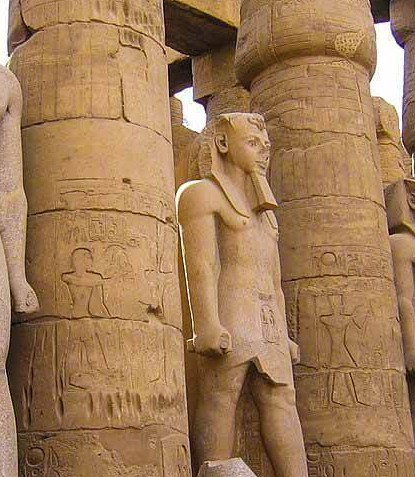
Crossing the first pylon, we entered the Court of Ramesses II which is an open courtyard with double row of columns having papyrus capitals on three sides. Many of these columns have colossal Ramesses II statues between them, some wearing the crown and some partially damaged.

Some of the statues in the hall were those of his predecessor Amenotep III which were rechristened as himself by Ramesses II.

The 74 columns in this hall have inscriptions depicting the pharaoh and his family receiving the blessings of the Gods.

Ramesses II statues in the hall with some damaged columns on the right

Ramesses II statues in between columns, some with crown and some damaged.

Inscriptions on the columns

One of the important depictions on the reliefs here is that of the unification of Upper and Lower Egypt about which Ramesses II would pride himself.

The inscription showing the unification of upper and lower Egypt.

Abu Haggag Mosque

One corner of this court is taken up by a mosque; the Abu Haggag Mosque. This is a functioning mosque. The peculiarity of this mosque is that it lies on top of a church. The church was built in the Roman period but subsequently got buried in the sand and mud. Subsequently a mosque was built here and the remains of the church were discovered during excavations.

The Abu Haggag Mosque. The black arrow indicates the ground level when the mosque was built. The lower part was discovered to be a church during excavations.

Walking further ahead, we reach the temple built by Amenotep III . The pylon has disappeared but there are two rows of seven columns which originally had a ceiling but does not exist now. The damages are due to both natural causes and deliberate destruction for religious reasons.

The Colonnade

In front of the colonnade are the statues of Amon and Mut who along with their son Khonsu was the triad of Gods worshiped at Thebes.

Amon and Mut at the entrance to the colonnade.

Once we crossed the colonnade, we were at the second courtyard called the Sun court. This is another impressive courtyard lined by 64 papyriform columns with fluted shafts. the blocks have detailed hieroglyphics but some have been deliberately defaced.

The Sun Court

Note the ornate pillars with fluted shafts in the Sun Court

The sacred boats were kept at this square during the festival of Opet when Amun Ra, Mut and Khonsu would come in a ceremonial procession from Karnak to Luxor and spend eleven days here. The Pharaoh would receive them at the sanctuary.

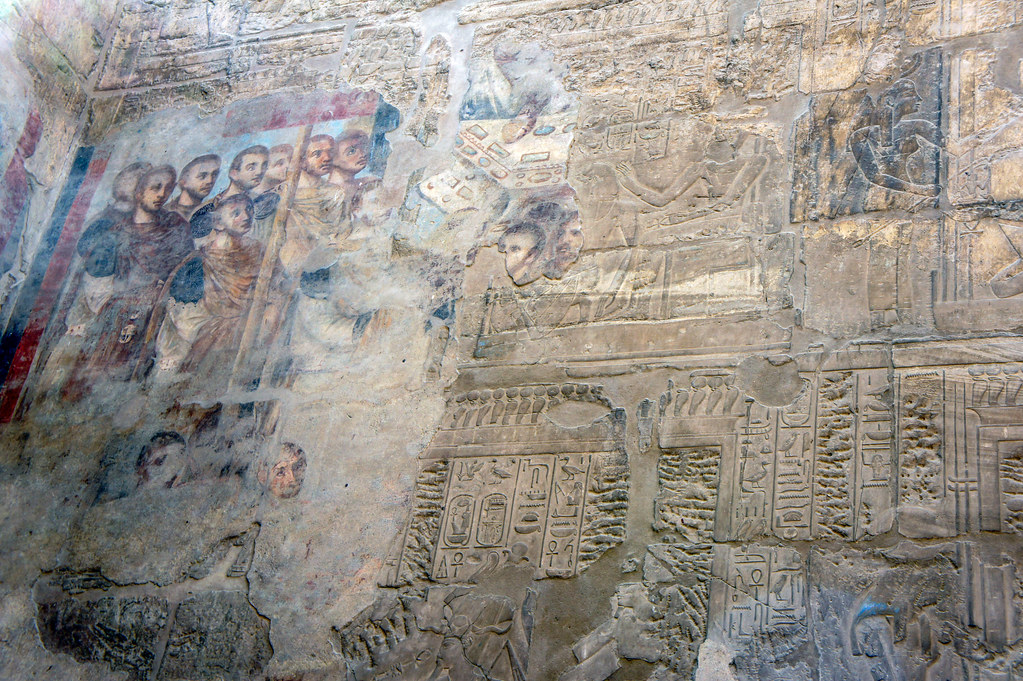
From here we enter an area that was converted into a church during the Roman period. Here as well as in many other parts of the complex, there are visible evidences of defacement. At many places the hieroglyphics have been chiseled out, re-plastered and paintings done on top.

The part converted into a church…note the Roman style tops of the columns

Deliberate removal of hieroglyphics with plastering and Roman painting

From here we enter the sanctuary which represents the original sanctum of the temple. This was where the king received the Gods during the Opet festival. The walls of the sanctuary have reliefs depicting the offerings to the Gods by the pharaoh.

The Sanctuary

Some of the reliefs on the walls

Alexander the Great is closely connected with Luxor temple. He is seen as a pharaoh giving offerings to the Gods in many reliefs in this temple.

From the sanctuary, we walked out along the central passage and proceeded to our cruise ship after an exhausting but amazing trip to two of the most popular temples of ancient Egypt.

Next week we are at The Valley of the Kings, a vast area where multiple tombs and burial chambers have been discovered. Till then, do subscribe, like and comment.

Karnak Temple: The Largest Ancient Temple Ruins in Egypt

The Karnak temple complex is Egypt’s largest single gathering of temple ruins. It looks more like an open air museum filled with massive pylons, columns , statues , obelisks and a sacred lake. It is so vast that it has often been called a historical document in stone!

One of the peculiarities of the temple is that it was built over 1500 years ; added by generation after generation of pharaohs resulting in a collection of temples, sanctuaries, pylons and other structures. Stretching from the Middle kingdom to the Ptolemaic period and over thirty pharaohs contributing to its building ; it lacks a systematic plan ; but the expanse and complexity of this temple is not seen elsewhere. The ruins are still impressive though nothing remains of the houses, palaces and gardens that surrounded the temple in ancient times. It was also modified by later cultures for their own religious purposes such as Coptic churches . Even today, it is considered to be the largest temple complex ever built.

The history of the Karnak temple is largely the history of the city of Thebes and it’s changing role in Egyptian culture. Karnak and other areas of ancient Thebes including Luxor, the Valley of King and Valley of Queens are designated UNESCO World Heritage sites. We will be visiting all of these in subsequent episodes.

The original name of the temple was Ipet-Isut meaning the “Most Select of Places” while the modern name Karnak comes from the village nearby called el-Karnak meaning “fortified village”.

The complex is a vast open site and has four temples but only the one dedicated to Amun Ra, the Sun God is open to the public and hence is very often interpreted as the temple of the Sun God.

Our Trip

We visited the Karnak temple after the cruise had docked at Luxor.

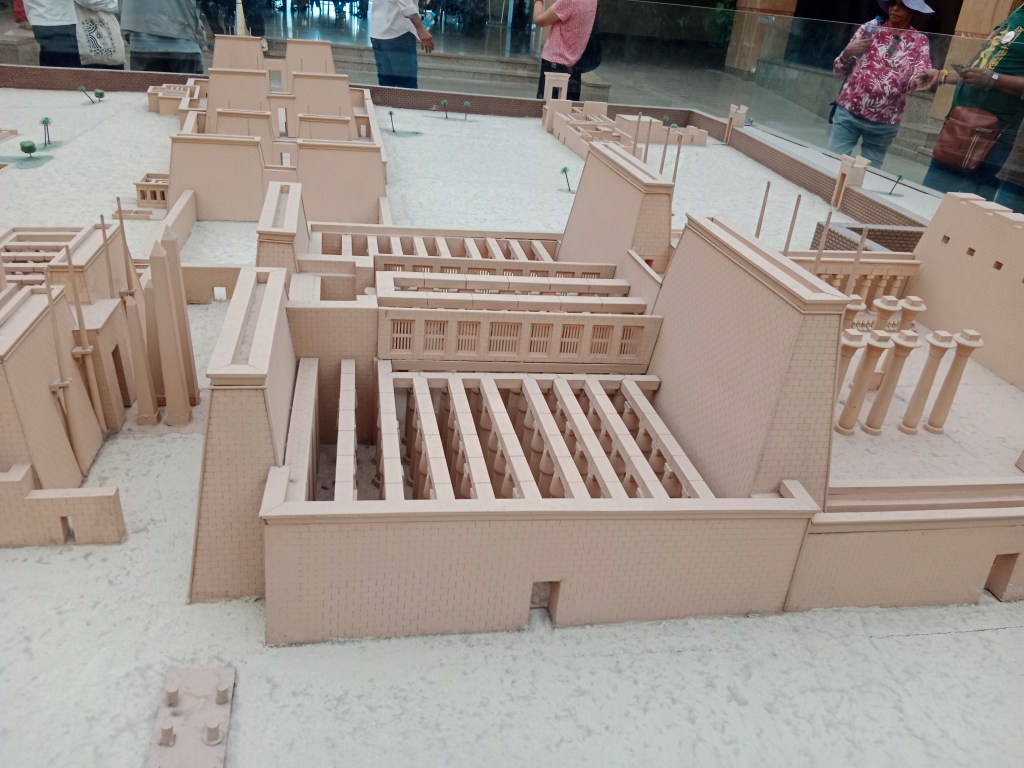
Just as we entered the complex there was a model of the temple which actually gave us an idea of the vastness of the temple we were going to explore.

A model of the temple. The location of hall of pillars and the obelisks are clearly seen

The avenue of rams

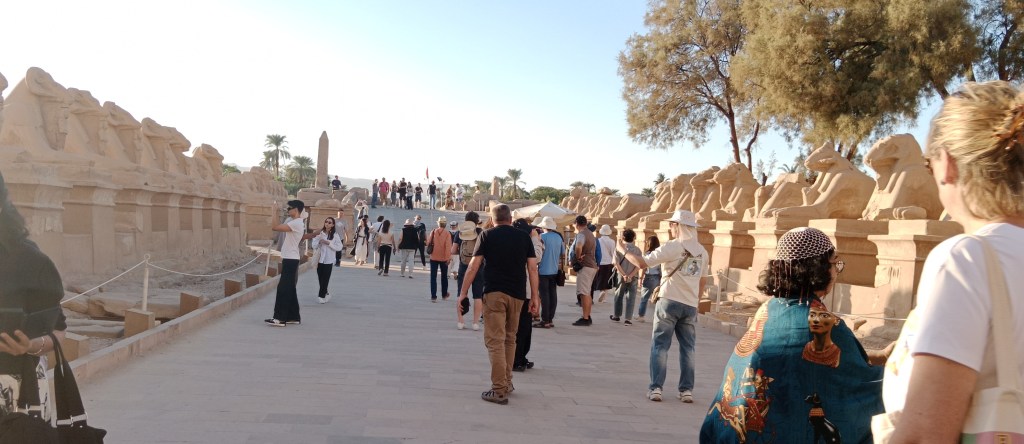
The first thing that greets us as we approach the main temple is the avenue of rams with obelisks in front . This is a wide passage lined on either side with statues of rams .

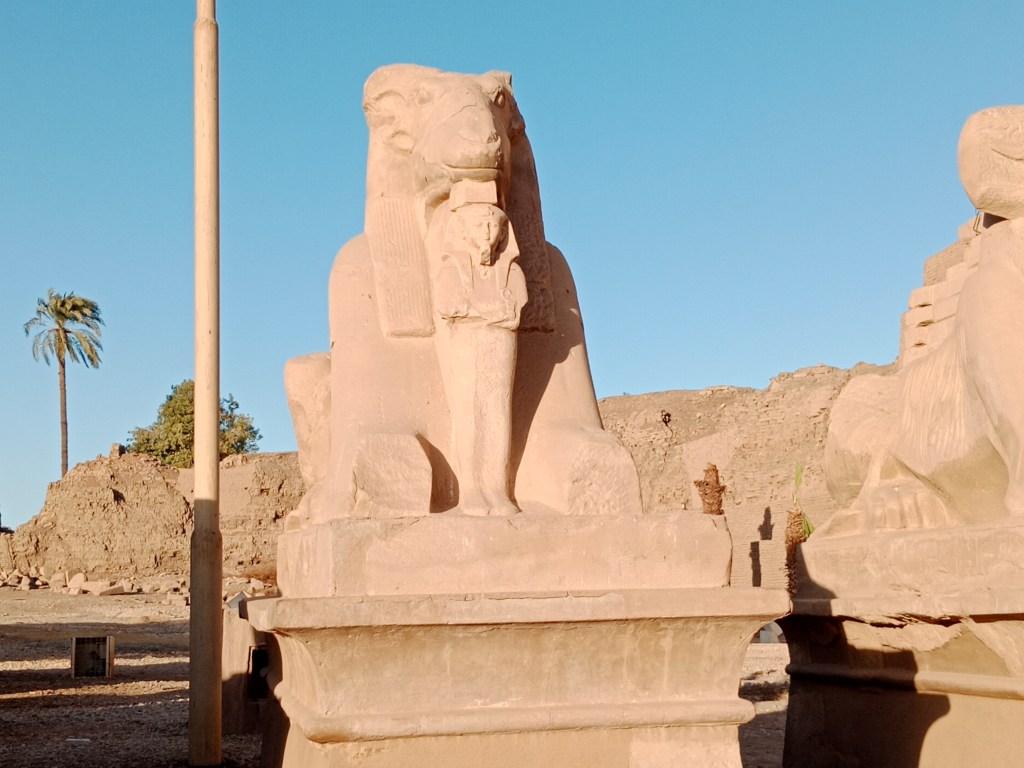
On close observation, each of the statues has the body of a lion in sitting position with the head of a ram . A statue of the king is held between the legs of the lion as if protecting the king. Some of these statues are partly damaged but most of them are intact. This avenue leads us to the first pylon marking the entrance .

The avenue of rams leading to the main temple

The king’s statue being protected by the ram

The pylons and the halls

There are 10 pylons in the temple separated by halls and courts forming professional gateways, some along the main axis and some at right angles. The reliefs on these pylons reflect the king who built them. The first pylons to be built were the ones inside starting near the sanctuary. The others were added on the outer side of the older one. The first pylon that we see , is in fact the last to be built .

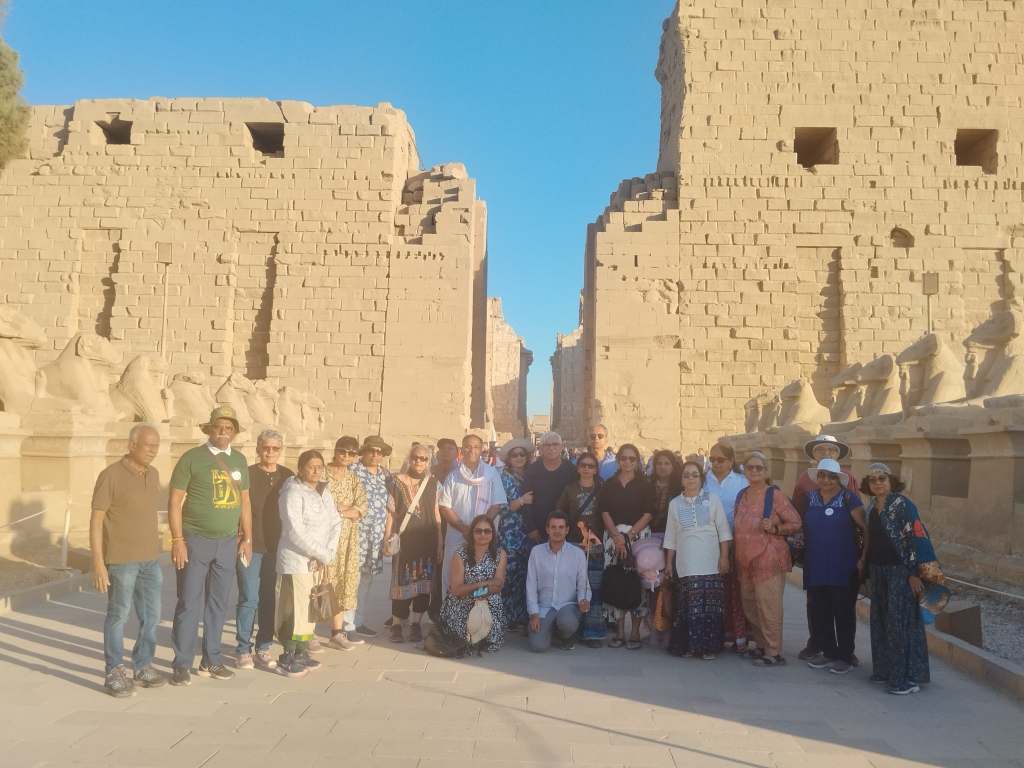
The first set of pylons is incomplete and lacks any kind of decoration or reliefs. It has openings where they used to erect flags. This was the last one to be built and hence the lack of finish….

Our group in front of the temple with the first set of pylons behind us, the avenue of rams on either side and some parts of the serial pylons seen along the passage behind.

Crossing the threshold and the first set of pylons we reached the open courtyard where there are three shrines; the biggest one of Amun-Ra, and the others are one for his wife Mut and one for his son Khonsu. The walls of these shrines have reliefs of offerings to these Gods.

The shrines of Amun-Ra, his wife and son.

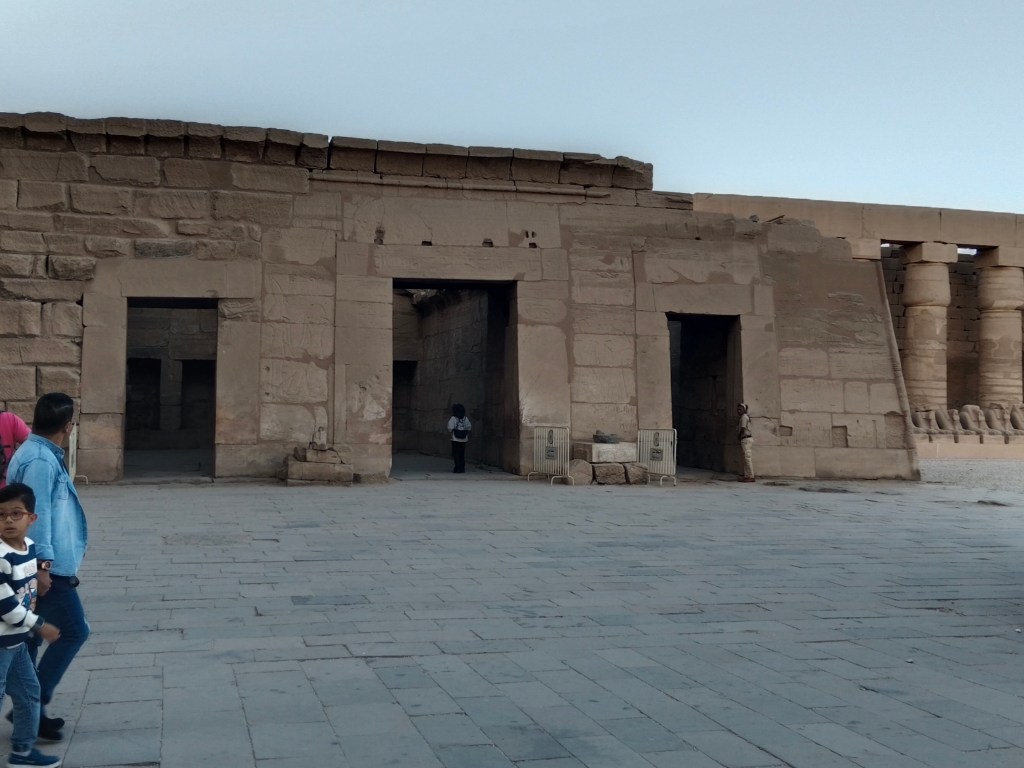
Apart from this, the courtyard has partially destroyed columns and a single well preserved column. The columns look as if they have been shaven off but they were destroyed in an earthquake. Ruins of various smaller shrines were also scattered all over the courtyard.

Partially destroyed columns and a single surviving column seen in the midst of ruins.

As we approach the second pylon, there are two massive statues of Ramesses II on either side with a statue of his favorite queen Nefertari between his legs.

The colossal statue of Ramesses II with wife Nefertari ( ruins seen in the backdrop)

Once we crossed the second pylon, we entered the fascinating Great Hypostyle Hall. The pylon itself has colorful reliefs unlike the first incomplete pylon.

The colorful reliefs on the second pylon

The Great Hypostyle Hall (hall of pillars)

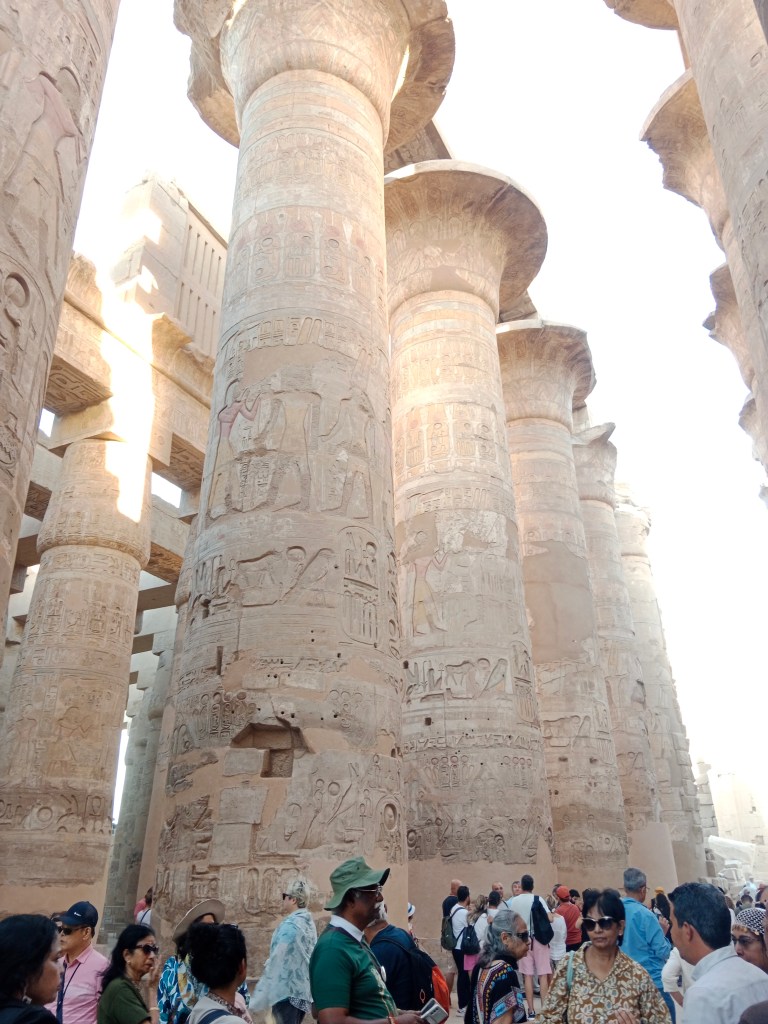
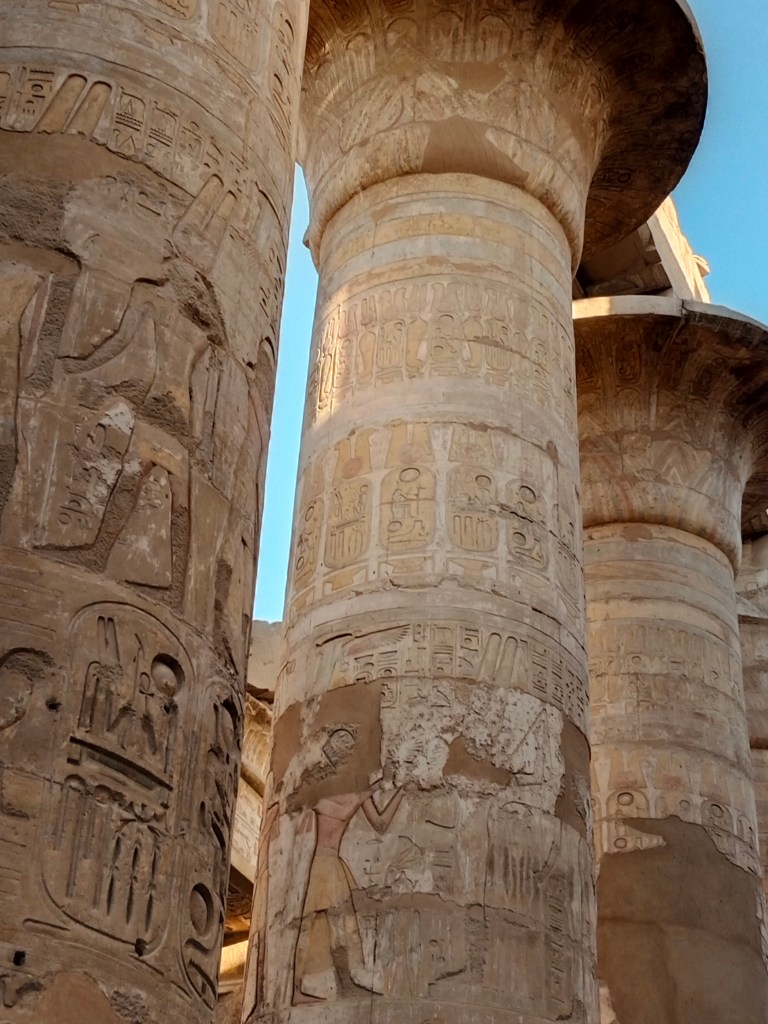
This great hall has 134 massive columns with architraves on top weighing 70 tons each. 12 of these columns are 70 ft high while the remaining are 40 ft tall. As we walked around the hall, the sheer vastness and size of these columns left us in awe. The columns have extensive relief and paintings, some still retaining color after centuries!!

This was in fact an unbelievable piece of Egyptian architecture. Have a look at the pictures below.

The Great Hypostyle Hall with colossal columns

Note the reliefs on the columns

Note the reliefs with preserved colors

The fourth pylon marks the entrance to the sanctuary of Amun and the courtyard in front had three pairs of obelisks built by the kings Thutmoses I,II and III. Many of the obelisks are in ruins, some have toppled down and some are broken at multiple places.

Courtyard with obelisks

The most well preserved obelisk. (note the detailed hieroglyphics)

Another interesting feature here is the statue of Pharaoh Thutmoses III with inscriptions of all the countries he conquered.
Statue of Pharaoh Thutmoses III (partially in ruins)

Hieroglyphics related to the countries conquered by Thutmoses III.

The entrance to the sanctuary lies immediately behind this. The Sun God’s shrine was so built that light focused upon it during the winter solstice.

The entrance to the sanctuary of Amun Ra

The altar where the sacred barque (boat) of Amun Ra was once kept

The Sacred Lake

As we exited the sanctuary and walked towards the side, we came across the sacred lake. The lake is filled by the water table and was used by priests to purify themselves before various sacred rituals. It was also used for navigation of the sacred barque.

The sacred lake

This brought us to the end of the tour of the Karnak temple. I am sure you must be overawed at the sheer vastness of this temple complex and the size of it’s pylons. A wonder in art indeed!!!

Our next destination was Luxor temple and we proceeded there.

See you next week at Luxor Temple.

Till then, do subscribe, like and comment.

Cruising the Nile: A Memorable Experience

The Nile

The mighty Nile flows through eleven countries in Africa and is the primary source of water for Egypt playing a major part in its economy. Most cities in Egypt lie along the banks of this river for obvious reasons. Most of the ancient Egyptian cultural and historical sites also lie along the banks of the Nile and it was a major source of transportation from time immemorial.

While visiting many of the temples and archaeological sites in Egypt, we find a canal leading to the Nile from the temple and this was used for the sacred journeys that the Gods undertook during their festivals. The barque or sacred boat is an essential part of these festivals and is preserved at the temple sanctuary there highlighting the importance that the Nile played during that period.

The location of many of the tourist spots along the Nile makes a cruise on the Nile an interesting way of exploring these sites. It was precisely for this that we undertook a three day cruise on the Nile during our Egypt trip. Boarding the cruise from Aswan, we cruised up to Luxor halting at various locations on the way to visit the temples there. A summary of that cruise forms the subject of this episode. Come along and join me on an incredible cruise on this mighty river…

Our Cruise

We boarded the cruise at Aswan. There were three decks on the ship and we had comfortable cabins with large windows making the cruise a wonderful experience. The ship had all modern recreational facilities including a swimming pool , a bar, a restaurant and a shop. Some pictures from the ship…

Boarding the cruise at Aswan

On boarding, we reached a lobby where our guide allotted our rooms and we proceeded to our rooms.

The lobby with a bar

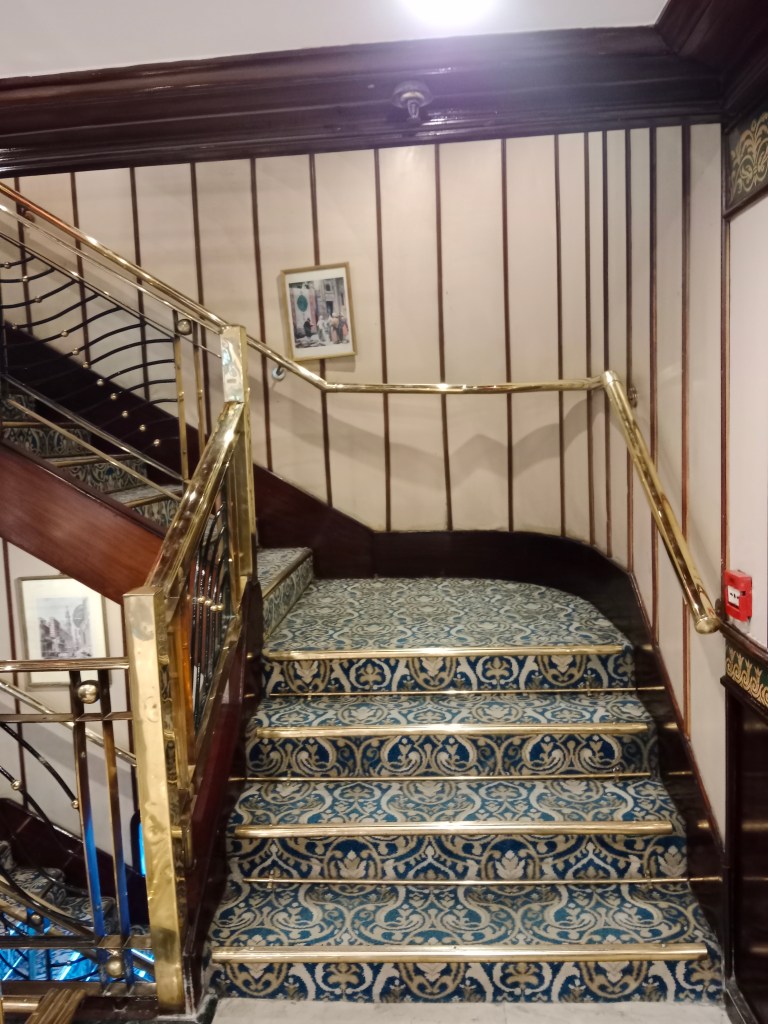
From the main lobby, there was a narrow passage with rooms on either side and a stairway leading to the upper rooms.

The stairway and the passage with rooms on either side

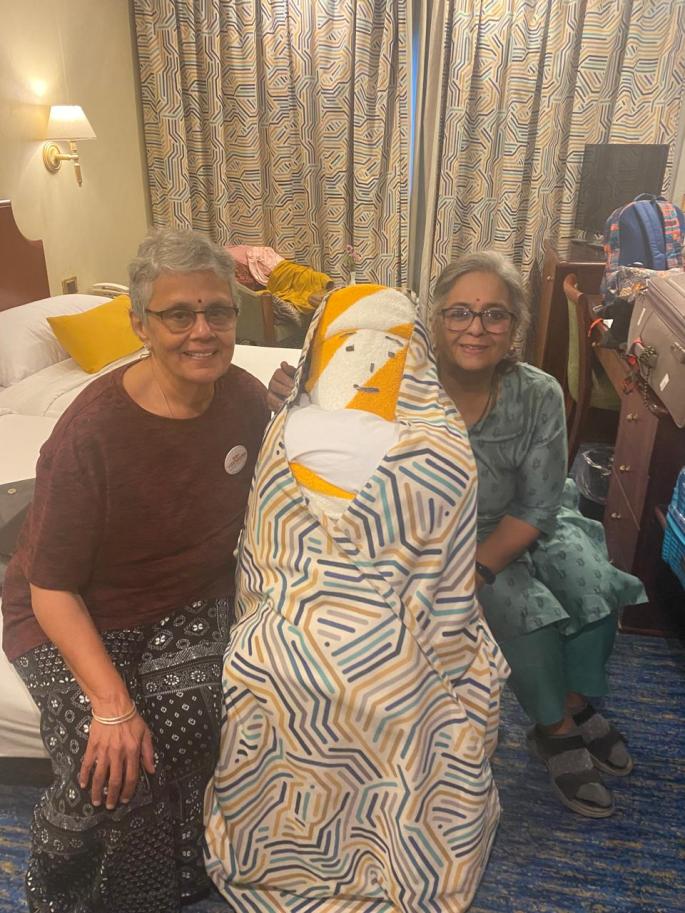
My room mate and me in our room with a creation by the room boy!!

There was a huge dining area and every meal was a buffet with a variety of Egyptian and continental dishes. The upper deck also had a gift shop.

The dining area

The upper most deck was open with a swimming pool and nice relaxing chairs for the guests to enjoy the views.


The swimming pool and the open deck on top for relaxing

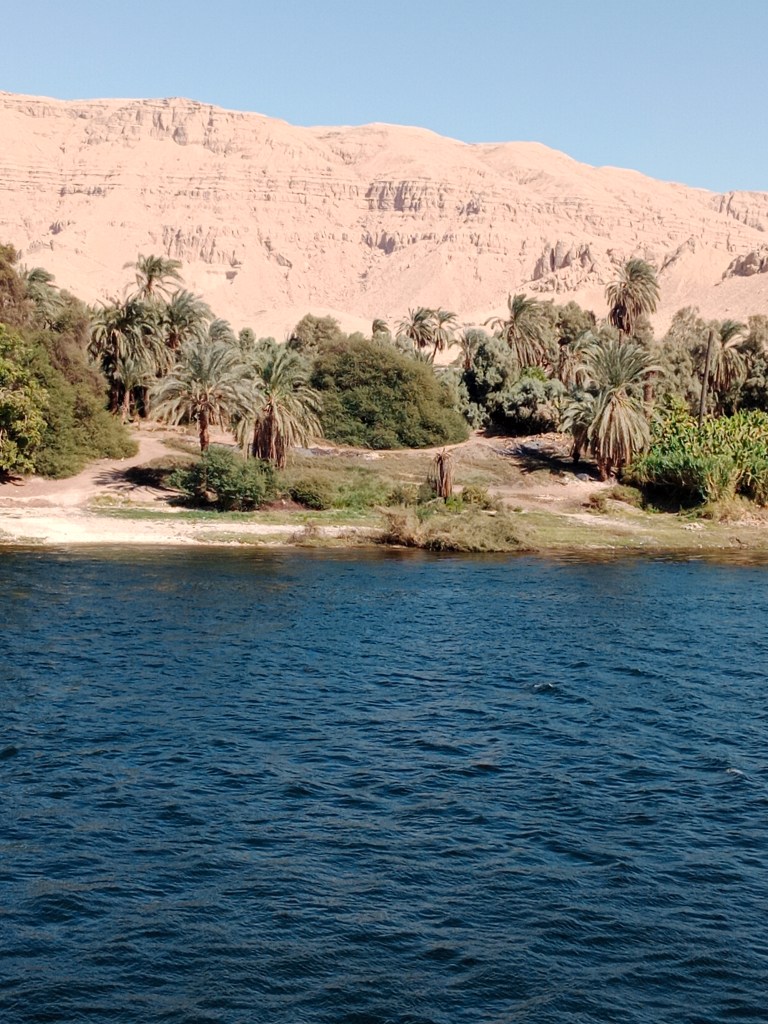
As we sailed on the Nile, the landscape on either side was predominantly desert like with few green areas with vegetation. At places we passed small towns and cities.

The views from our window as we sailed along.

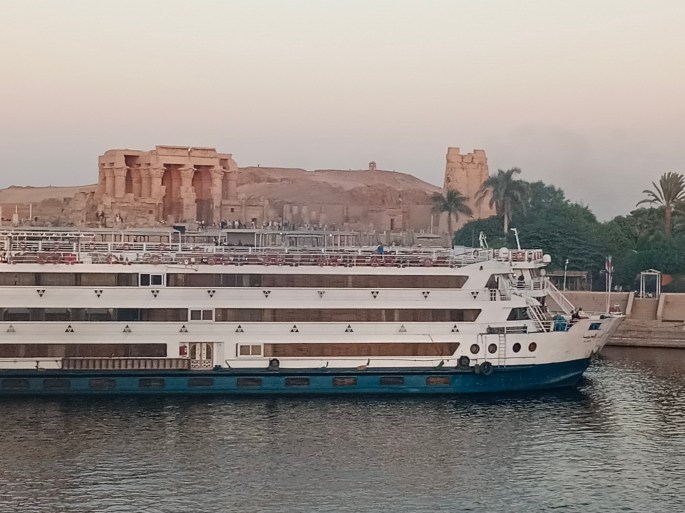
When we docked at Kom Ombo we could see the temple from the ship…

Kom Ombo temple from the ship

The locks…

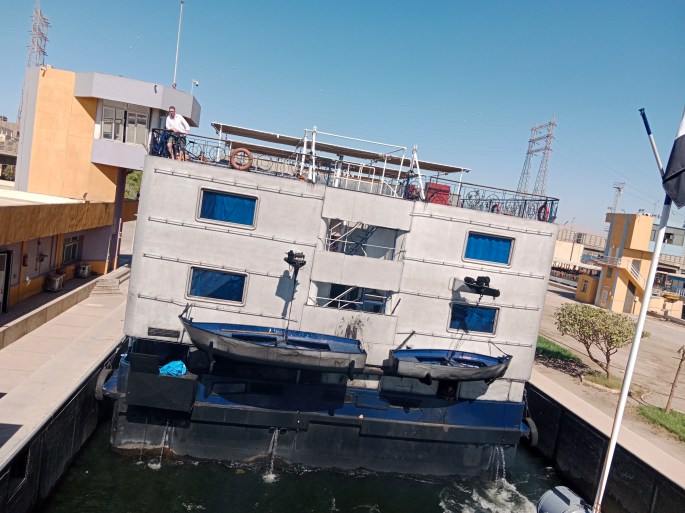
We had one very interesting and unique experience during the cruise. We crossed the Esna locks. Here the ship enters an enclosed space where the water level is maintained by using mechanical devices and then when the locks are opened, the ship safely sails to the other side . This becomes necessary when water levels are different and the ship has to be safely brought to the corresponding water level.

Acrobatic business!!!

As we approached the locks, locals in small boats came alongside and started selling their wares. The cool thing about it was they would throw the materials in a plastic cover on to the ship and we could put the money back in the cover and throw it back to them. Some acrobatic business deals!!!!

Approaching the locks and a small boat comes along selling local goods

There were lot of other ships and they were all in a queue formation and awaiting their turn to cross the locks.

Two other ships crossing the locks

We could see the lock mechanism opening and letting the ship sail through.


The lock mechanism that controls the water level

Our ship, clears the locks

This whole process took around half an hour and all of us were on the top deck enjoying this unique experience.

In the evenings after our sightseeing trips and dinner, belly dance and other cultural shows were organized for our entertainment. The staff on the cruise encouraged us to dance to local music which was fun… take a look.

Dancing to Egyptian music

Our final destination on the cruise was Luxor and after the local sight seeing trips we left the ship to the airport for our flight back to Cairo but not before a picture to save our memories of this unique experience…

Our group bids farewell to Radamis II, our ship that was our home for three days.

Hope you all enjoyed this cruise. Next week we meet at a different destination. Till then, do subscribe, like and comment.

Las VEGAS 1

Hello friends…welcome to Las Vegas…the Sin city …….known for its gambling, night life, dance bars, casinos,fun and frolic. For the next few weeks we are going to be at this fun place…seeing things which are quite unfamiliar to us….so come along with me…

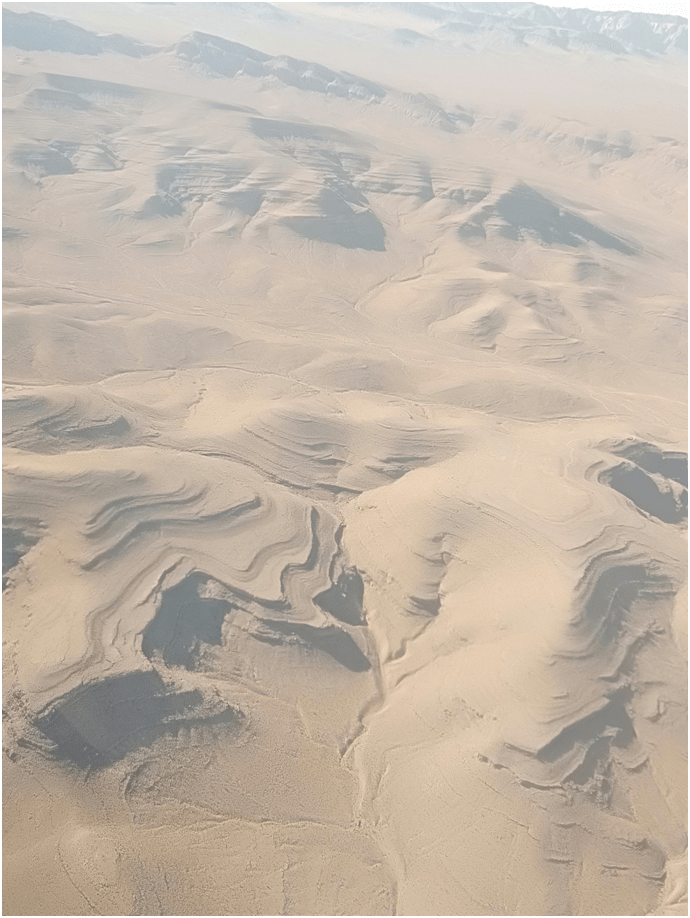
We flew in to Las Vegas from San Francisco….as usual on Southwest airlines . Las Vegas is located in a desert in Nevada in USA. As one approaches Vegas by flight, the landscape changes to sand dunes and dry desert areas.

The desert like Nevada landscape

The Las Vegas Strip….as we landed at the airport...

The Las Vegas airport is itself a mini casino with slot machines and bright flashing lights and gizmos. As one enters the terminal , one gets a feel of what lies on the other side of the terminal. I noticed a general difference in behaviour of the people from here itself. Everyone seemed to be on a HIGH… literally!!!

Slot machines at Las Vegas airport

Taking an airport shuttle, we reached Luxor Hotel and Casino where we had our room bookings.

The Hotel is built in Egyptian theme ; the main building is in the shape of a pyramid and the entire decor inside including the wardrobes have an Egyptian feel . Luxor is actually a city in Egypt on the banks of the river Nile and is famous for the Karnak temple…the second largest temple complex in Egypt.

The Luxor Hotel Pyramid Building with Sphinx                   

Main Entrance

The Hotel Lobby…everything Egyptian!!!                                                   

The Hotel lobby and interior as seen from our room

The pyramid has a sky beam touted to be the strongest beam of light in the world. We had a room somewhere in the middle of the pyramid and we had a view of Las Vegas airport from our room. The adjacent resorts are Mandalay Bay and Excalibur and all three are connected by a tram system.

After some rest, we freshened up and explored the hotel and casino. Amazing to see the sheer volumes of people at the machines and the number of restaurants and shops at different levels of the hotel.  It is a world of its own. There are various shows and exhibitions at the hotel for which you need to reserve tickets.

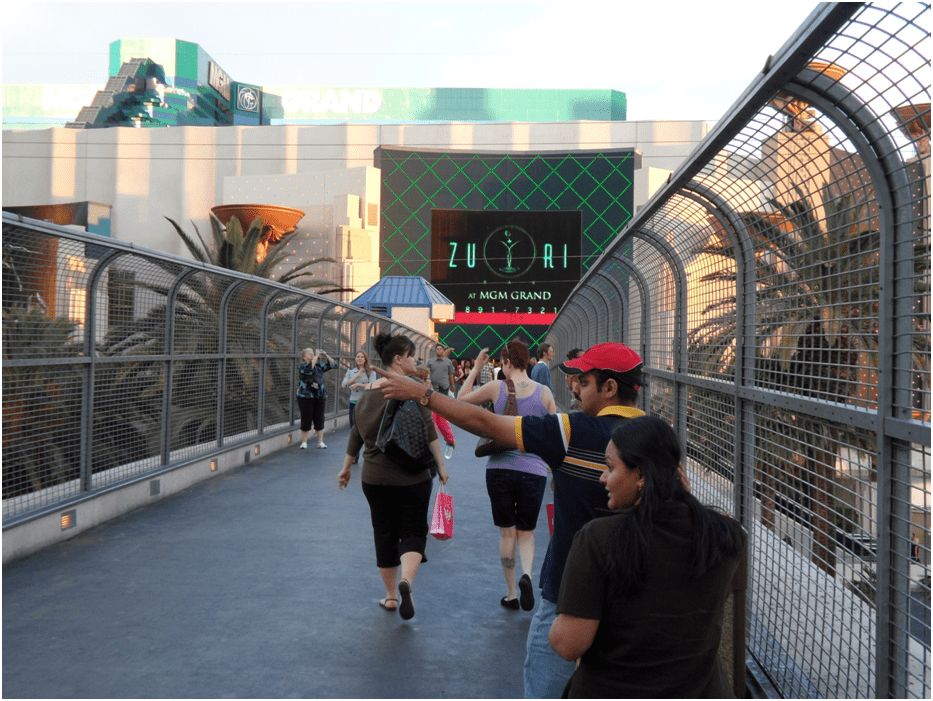
Later in the evening we stepped out and had our first experience of walking along the Strip. The Strip is basically a road with hotels and casinos on either side with pedestrian bridges across the roads with escalators .There are various restaurants and shops…all lit up with neon lights. Las Vegas strip by night is really very colourful.

Another unique thing was the various Cannabis shops and cabs displaying neon lights with phone numbers for cannabis supply.

There were people dressed up like for a fancy dress and one could take pictures with them for a price. Semi clad girls with various colourful gear was also something unique.

The Las Vegas Strip by day

A typical pedestrian bridge across the Strip

The Vegas Strip at night

The bright neon lights and the crowds on the Strip

As we walked along the strip, the mood was very festive….lots of loud music from the various bars and restaurants, the flashing lights, people walking around with diaquiris in their hands….all laughing away and generally having a great time…

We enjoyed the festive spirit of the strip and returned to our hotel looking forward to trying our hands at the slot machines the next day…

See you next week at the slot machines…

If you like my blog, do subscribe below: